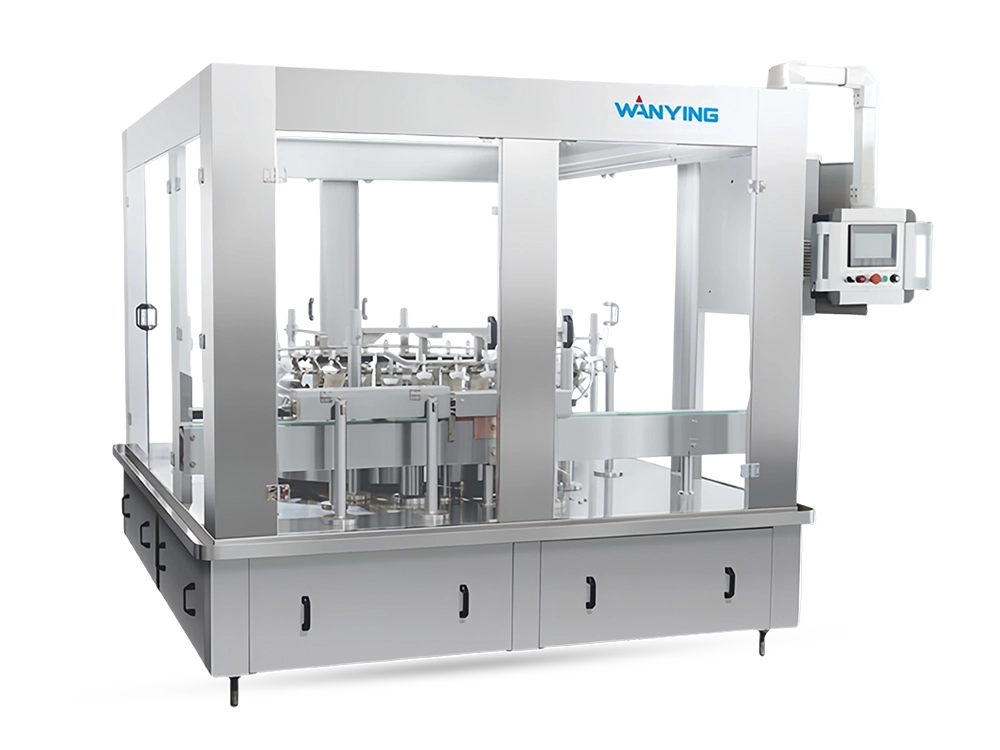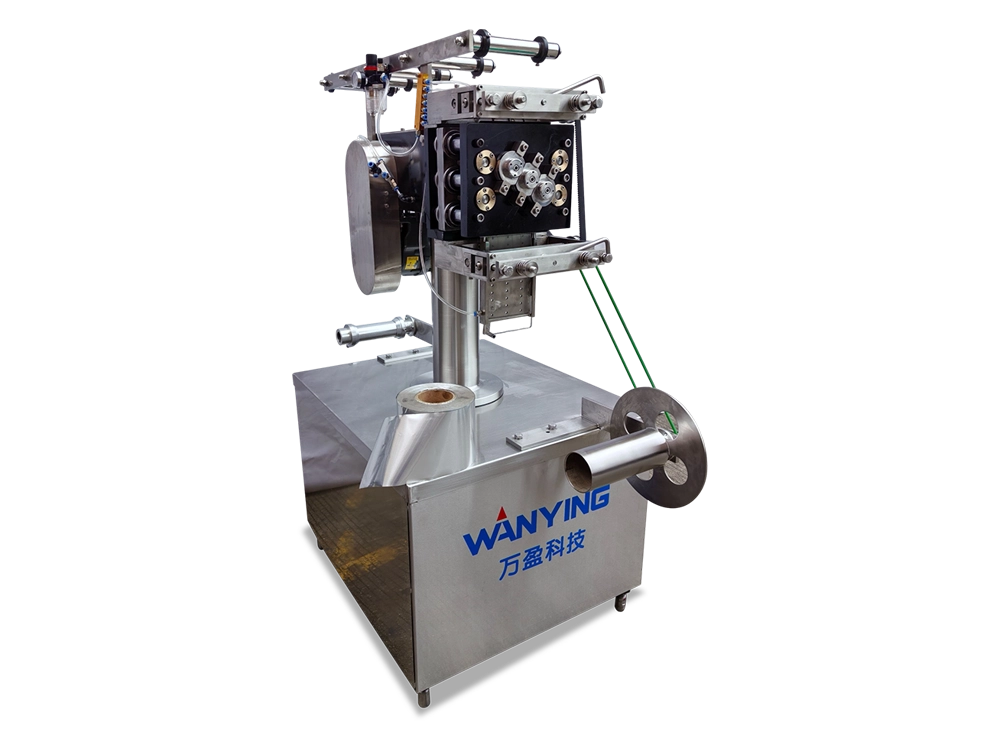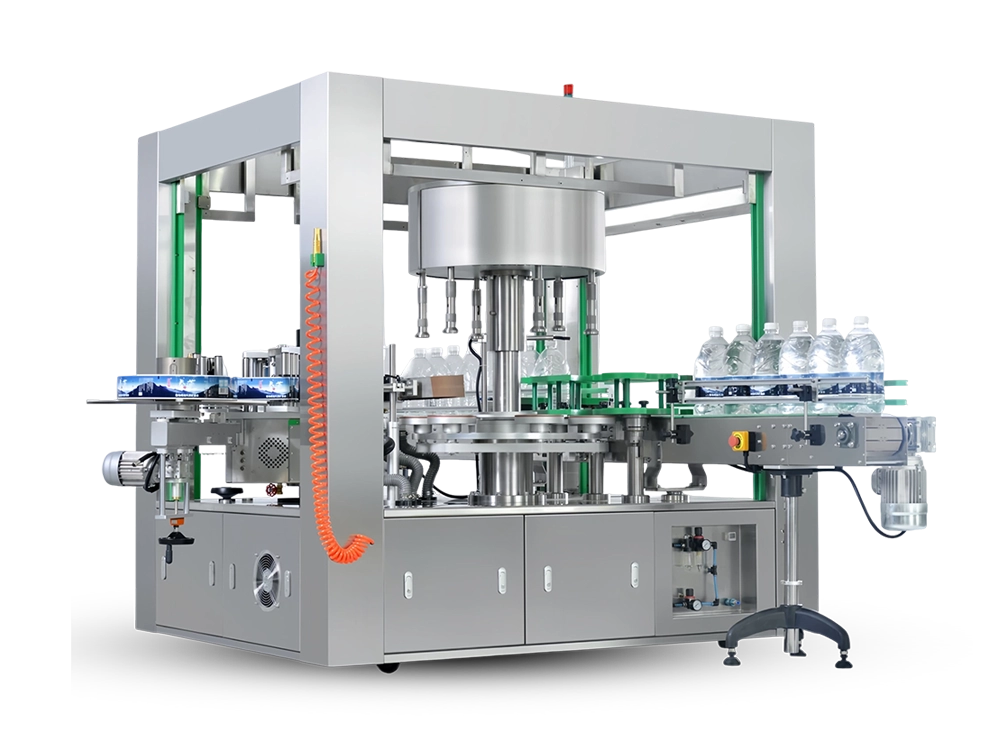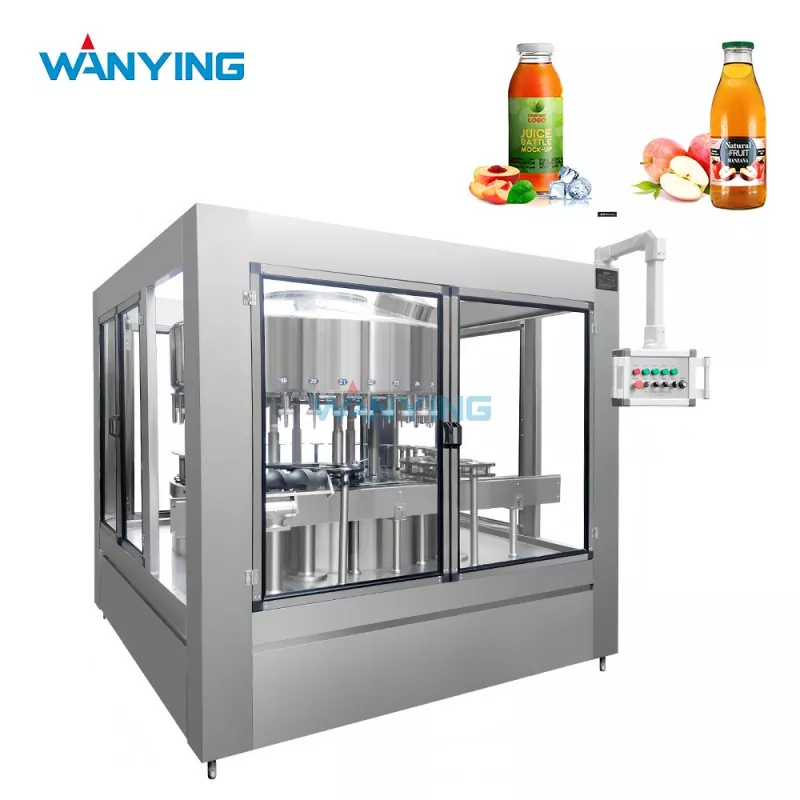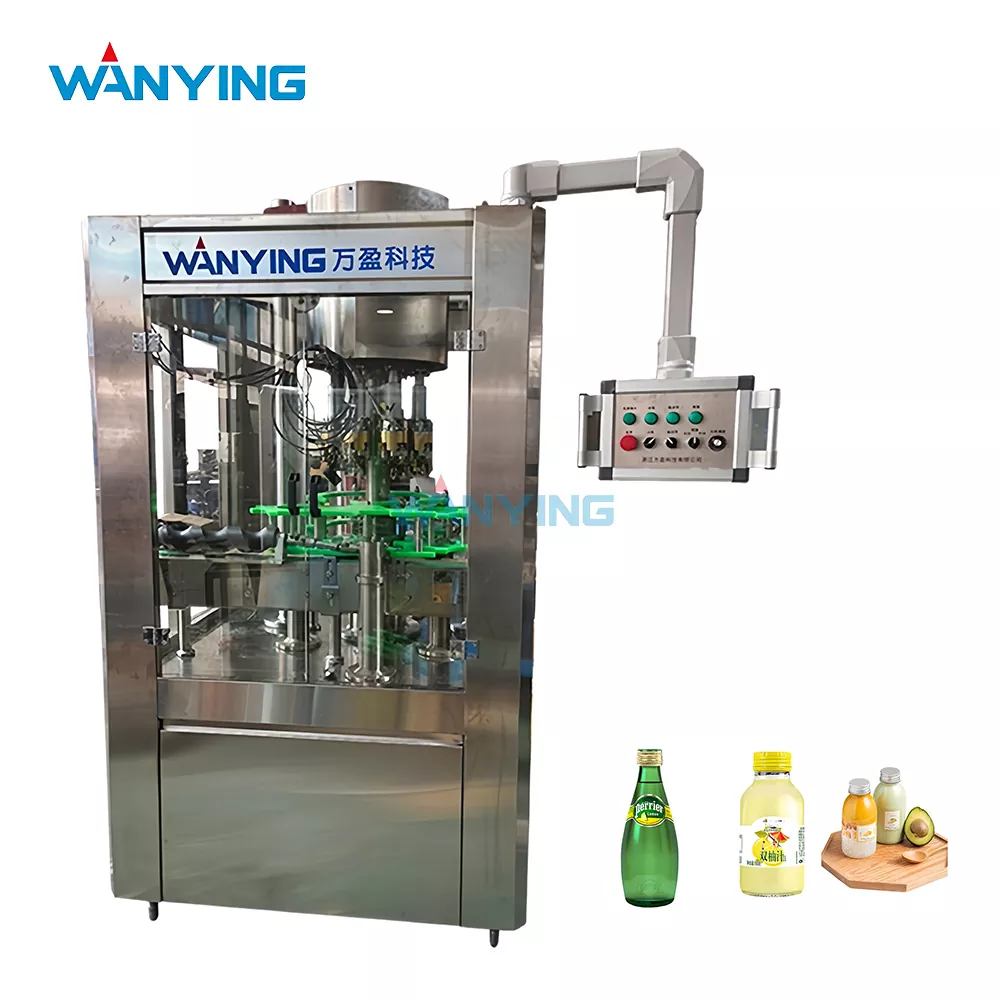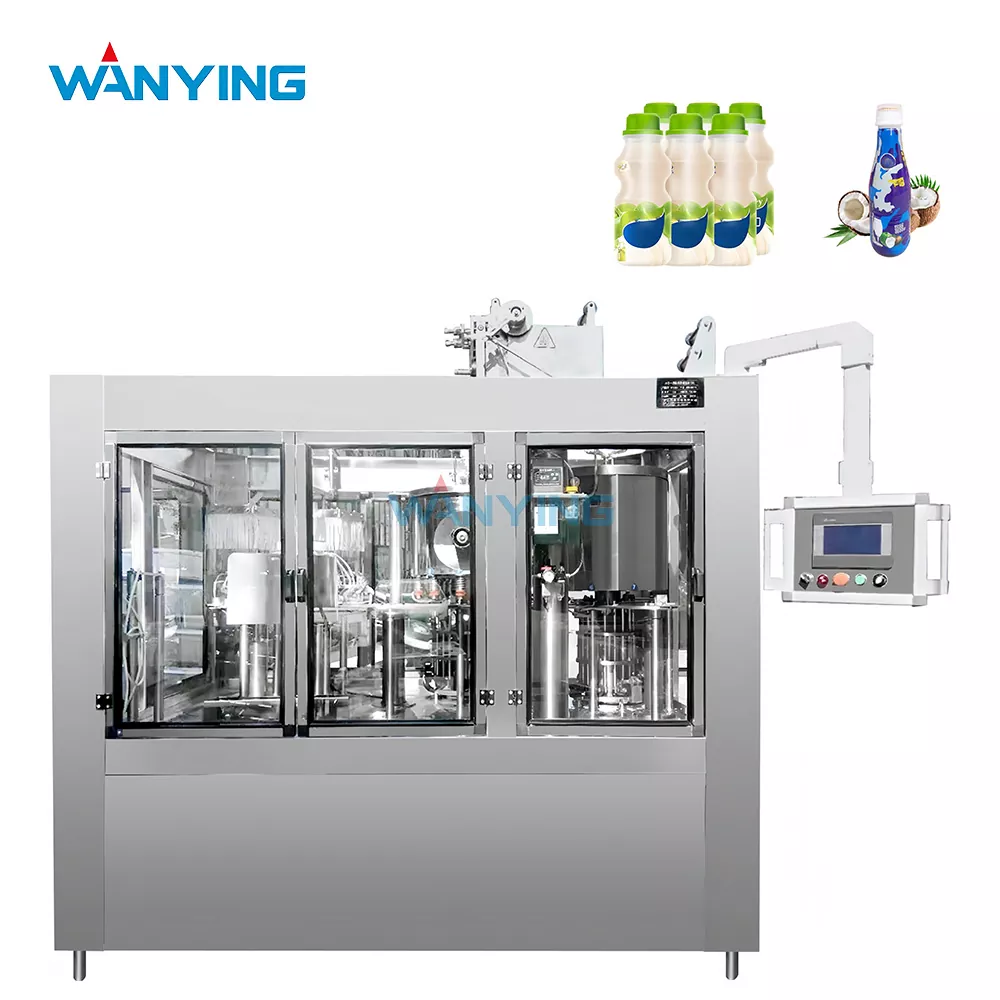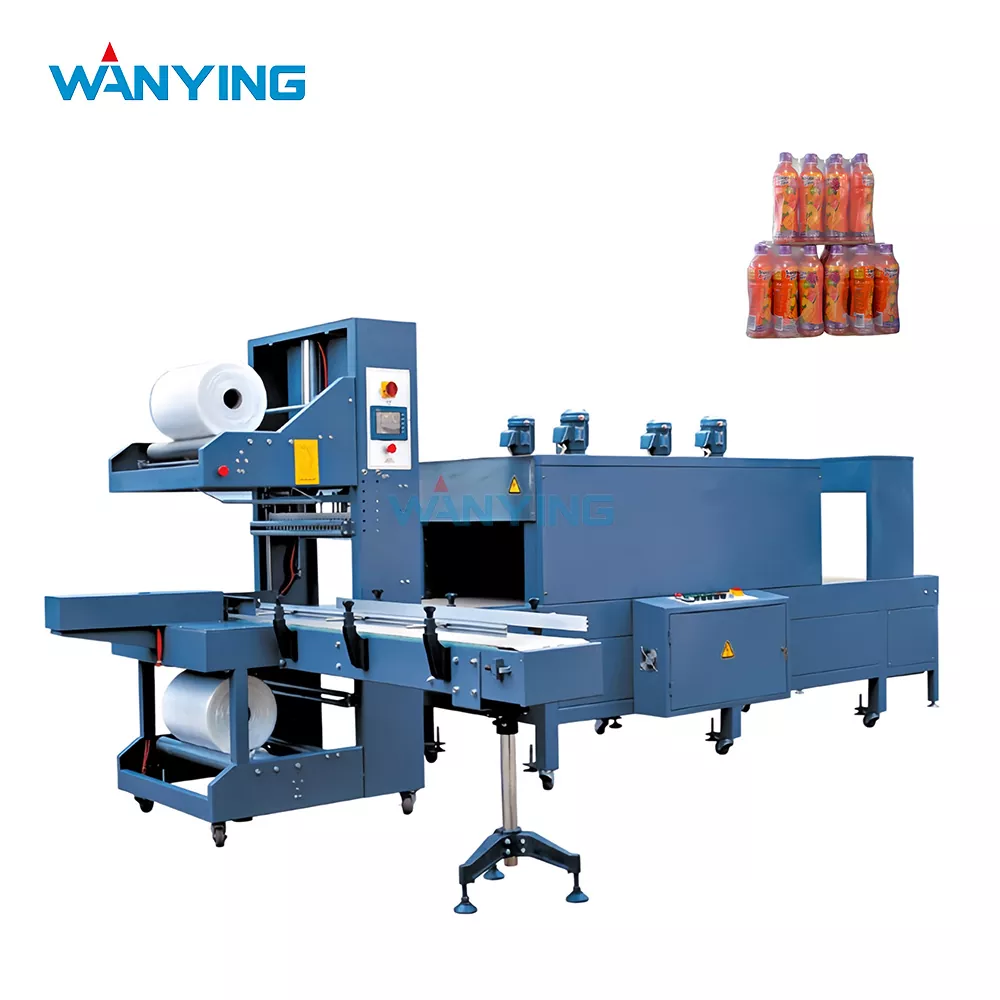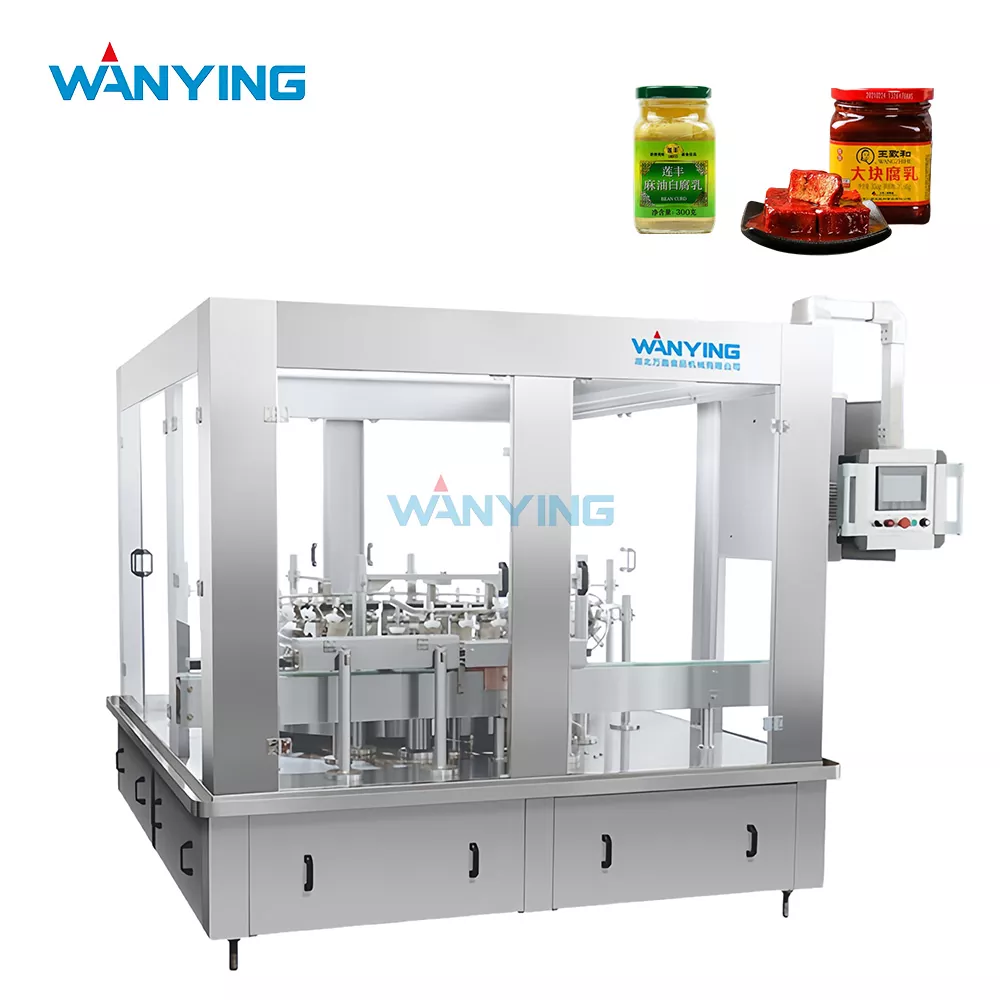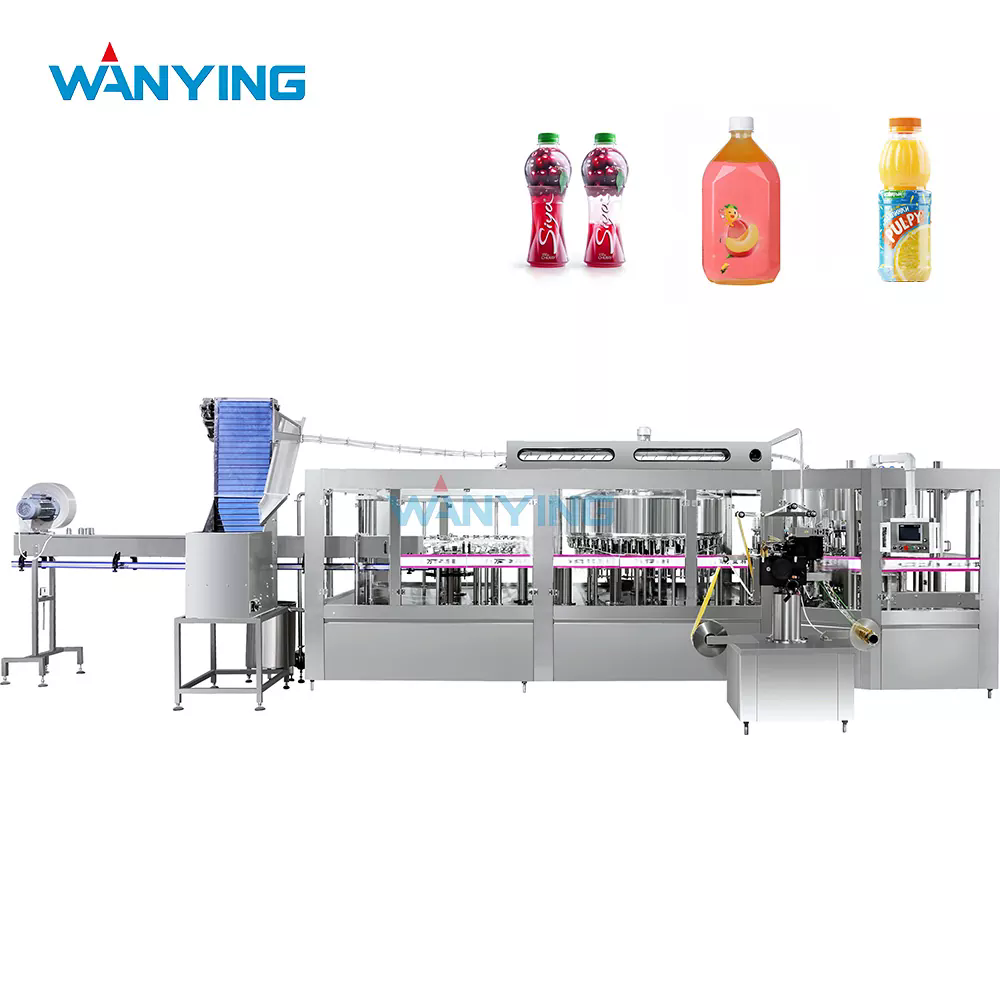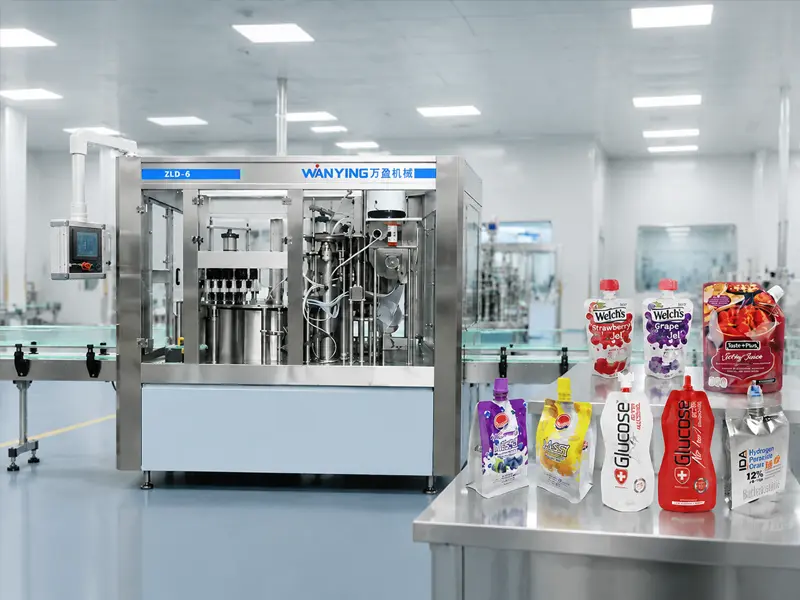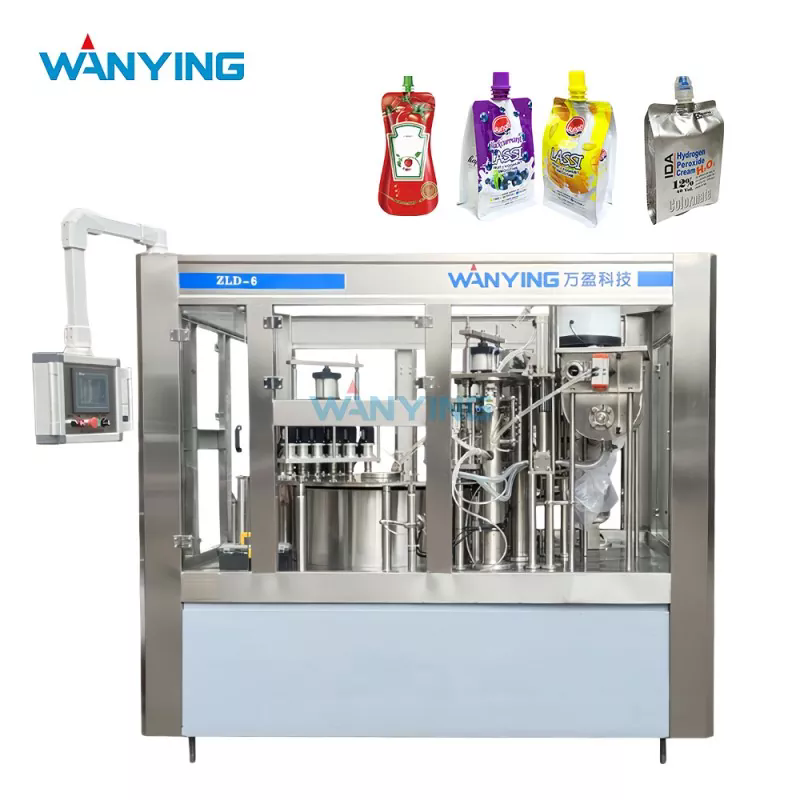
A Glass Bottle Filling Machine plays a critical role in modern beverage, food, pharmaceutical, and liquid processing industries. As manufacturers face increasing demands for higher production speed, consistent filling accuracy, reduced waste, and improved hygiene standards, choosing the right filling equipment has become essential. This article explains how glass bottle filling machines work, their key advantages, important selection factors, and how advanced solutions from Wanying help businesses build more efficient and reliable production systems.
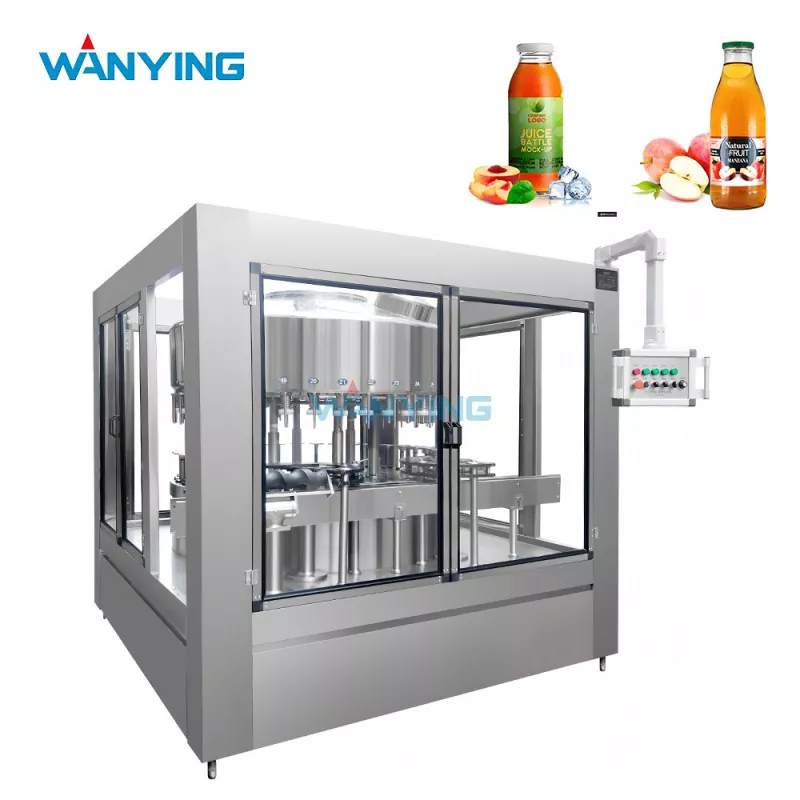
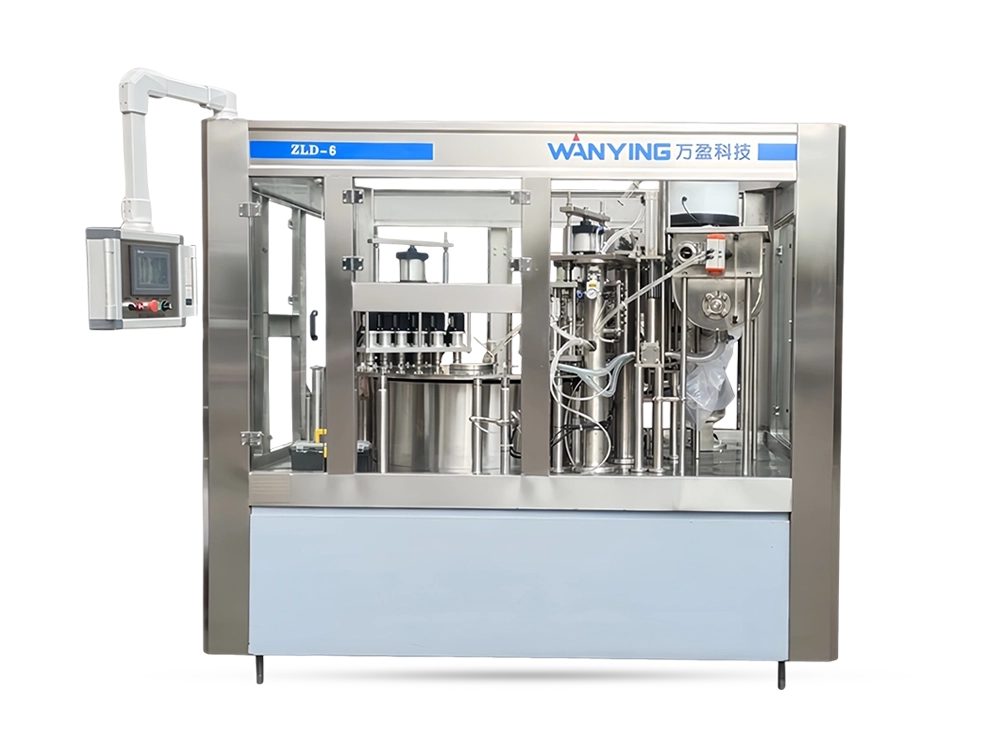
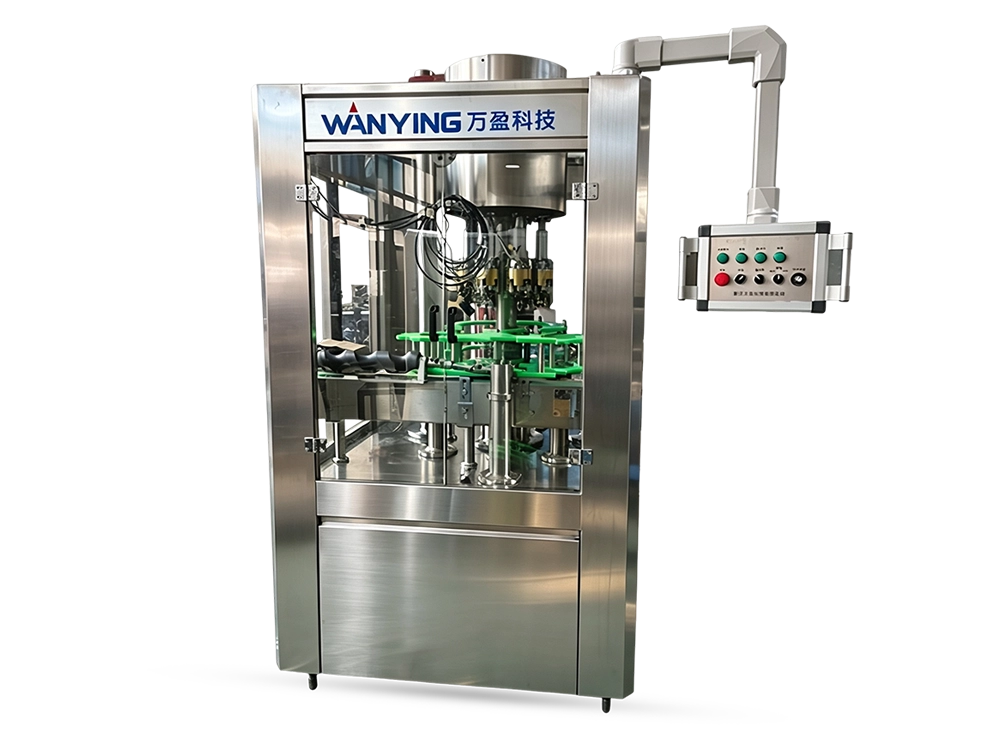
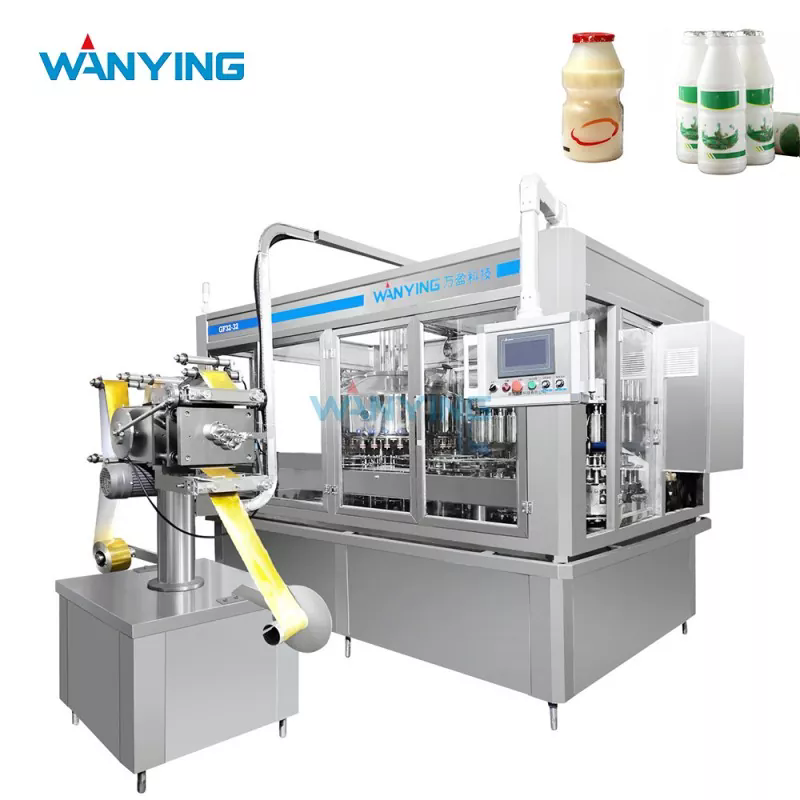
A Glass Bottle Filling Machine is an automated system designed to accurately transfer liquid products into glass containers while maintaining stable filling speed, volume accuracy, and product quality. It is widely used for beverages, dairy products, sauces, wine, juice, and other liquid products that require precise packaging.
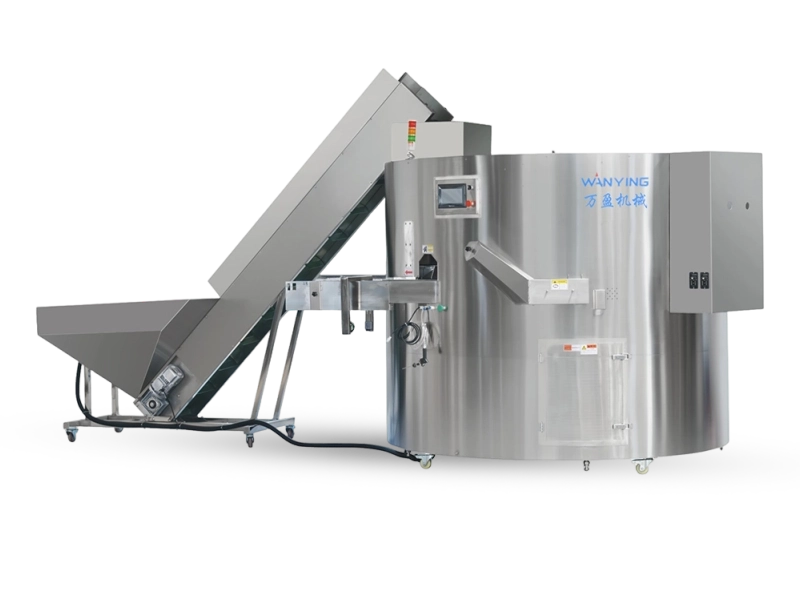
The working process usually begins with bottle feeding. Empty glass bottles are transported into the filling area through a conveyor system. The machine then positions each bottle accurately under the filling valves. Depending on the product characteristics, different filling methods such as gravity filling, pressure filling, or volumetric filling can be applied.
After filling, bottles move to the next stage, which may include capping, sealing, inspection, and packaging. By integrating multiple functions into one production line, manufacturers can significantly reduce manual operations and improve production consistency.
| Production Stage | Main Function | Business Benefit |
|---|---|---|
| Bottle Feeding | Transfers empty bottles into the filling station | Reduces manual handling and improves efficiency |
| Liquid Filling | Controls filling volume accurately | Reduces material waste and product variation |
| Capping | Seals bottles after filling | Improves product safety and shelf life |
| Inspection | Checks filling quality | Maintains consistent final products |
For many manufacturers, production challenges often come from inconsistent manual filling, high labor costs, product contamination risks, and unstable output capacity. A reliable Glass Bottle Filling Machine provides a practical solution by combining automation technology with precise control systems.
Modern consumers expect safe, attractive, and high-quality packaged products. A small difference in filling volume or sealing quality can affect customer experience and increase production losses. Automated filling equipment helps manufacturers maintain stable product standards during large-scale production.
Wanying focuses on developing filling equipment that supports different industries with efficient and flexible solutions. By improving automation levels, manufacturers can optimize production workflows and achieve better operational performance.
Many beverage and food manufacturers encounter similar production difficulties. Selecting suitable filling equipment can directly influence manufacturing efficiency and profitability.
| Common Production Challenge | How Filling Equipment Helps |
|---|---|
| Incorrect filling volume | Precision control systems improve measurement accuracy |
| Slow manual production | Automation increases output capacity |
| Liquid leakage | Optimized filling valves reduce dripping problems |
| High labor costs | Automatic operation reduces workforce requirements |
| Unstable product quality | Standardized filling processes improve consistency |
For companies expanding production capacity, investing in suitable filling equipment is not only about increasing speed. It is also about creating a stable production environment where every bottle meets quality expectations.
Understanding the main components helps manufacturers evaluate equipment quality and select the right solution for their production needs.
| Component | Function |
|---|---|
| Filling Valve | Controls liquid flow and filling accuracy |
| PLC Control System | Manages machine operation and automation processes |
| Touch Screen Interface | Allows operators to monitor and adjust settings easily |
| Conveyor System | Moves bottles smoothly through production stages |
| Stainless Steel Frame | Provides durability and easier sanitation |
Each component influences the overall reliability of the machine. High-quality parts, reasonable structural design, and professional manufacturing processes help extend equipment service life.
Selecting the right Glass Bottle Filling Machine requires careful consideration of production requirements, product characteristics, and future business development plans. Different liquids have different filling requirements, so manufacturers should evaluate several important factors before making an investment.
A machine that works well for water may not be the best choice for products with higher viscosity, such as sauces, oils, or beverages containing particles. Understanding the relationship between product features and machine configuration helps companies avoid unnecessary costs and production problems.
| Selection Factor | Questions to Consider | Why It Matters |
|---|---|---|
| Production Capacity | How many bottles need to be filled per hour? | Ensures the machine matches business output goals |
| Liquid Characteristics | Is the product thin, thick, carbonated, or temperature sensitive? | Determines the suitable filling method |
| Bottle Size | Are different bottle shapes and capacities required? | Improves production flexibility |
| Automation Level | Does the factory need fully automatic operation? | Affects labor efficiency and production stability |
| Maintenance Requirements | Are spare parts and technical support available? | Influences long-term operating costs |
Before purchasing equipment, manufacturers should also consider the available production space, energy consumption, cleaning requirements, and compatibility with existing packaging lines. A well-designed filling system should not only solve current production challenges but also support future expansion.
Wanying provides professional filling equipment solutions designed to support companies that require reliable, efficient, and practical production systems. With industry experience and a focus on manufacturing quality, Wanying helps customers improve packaging processes and achieve more stable production results.
A high-performance Glass Bottle Filling Machine from Wanying is designed around important production needs, including accuracy, durability, operational convenience, and adaptability. The equipment structure is developed to help reduce production interruptions while maintaining consistent filling performance.
For manufacturers dealing with increasing market competition, reliable filling technology can create significant advantages. Better production consistency, lower waste, and improved efficiency help companies build stronger manufacturing capabilities.
Regular maintenance is essential for maintaining the performance and service life of a Glass Bottle Filling Machine. Even advanced equipment requires proper care to ensure stable operation over many years.
| Maintenance Item | Recommended Action | Expected Result |
|---|---|---|
| Cleaning System | Clean liquid-contact parts regularly | Improves hygiene and prevents contamination |
| Filling Valves | Check for blockage or leakage | Maintains accurate filling performance |
| Electrical Components | Inspect control systems and connections | Reduces unexpected downtime |
| Moving Parts | Lubricate according to operation requirements | Extends equipment service life |
| Production Testing | Monitor filling accuracy regularly | Keeps product quality stable |
Operators should follow proper operating procedures and record maintenance activities. Early detection of small issues can prevent larger production problems and reduce repair costs.
A Glass Bottle Filling Machine can be used for many liquid products, including beverages, juice, water, wine, dairy products, sauces, and other liquid materials. The suitable machine configuration depends on product viscosity, bottle type, and production requirements.
The machine improves efficiency by automating bottle transportation, filling, and related packaging processes. Compared with manual filling methods, automated equipment provides faster operation, better accuracy, and more stable production quality.
Filling accuracy directly affects product consistency, customer satisfaction, and production costs. Accurate filling reduces product waste caused by overfilling or underfilling and helps maintain professional packaging standards.
Yes. Different manufacturers have different production requirements, including bottle sizes, liquid types, filling speeds, and automation levels. Professional suppliers such as Wanying can provide suitable equipment solutions based on specific application needs.
The service life of filling equipment depends on machine quality, operating environment, maintenance procedures, and production intensity. Regular maintenance and correct operation can significantly improve equipment durability.
A Glass Bottle Filling Machine is an important investment for companies looking to improve production efficiency, maintain consistent product quality, and reduce operational challenges. By automating the filling process, manufacturers can achieve better accuracy, higher productivity, and improved packaging reliability.
Choosing suitable equipment requires a clear understanding of production goals, product characteristics, and long-term business needs. With professional design, reliable performance, and practical manufacturing experience, Wanying helps businesses develop efficient filling solutions that support modern production demands.
If you are looking for a dependable Glass Bottle Filling Machine solution that can improve your production process and create long-term value, contact us today. Wanying is ready to provide professional support and customized solutions for your filling equipment requirements.