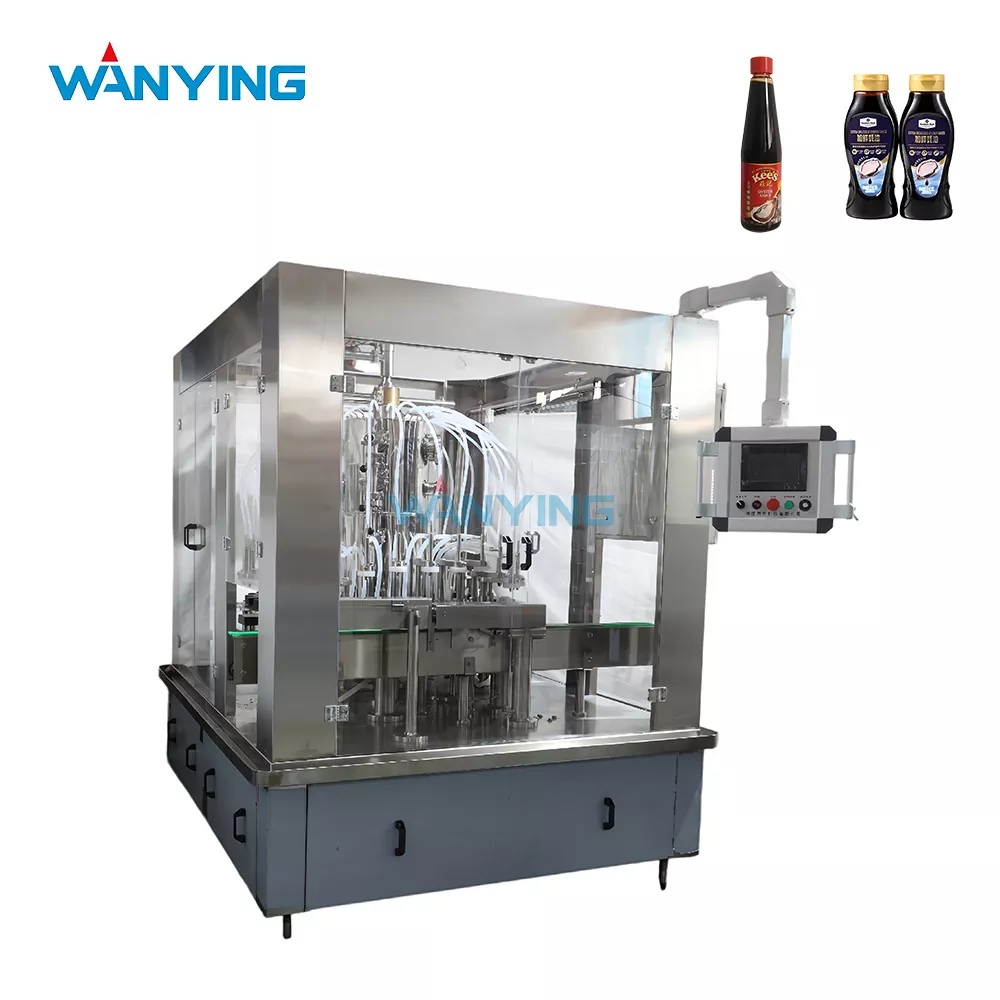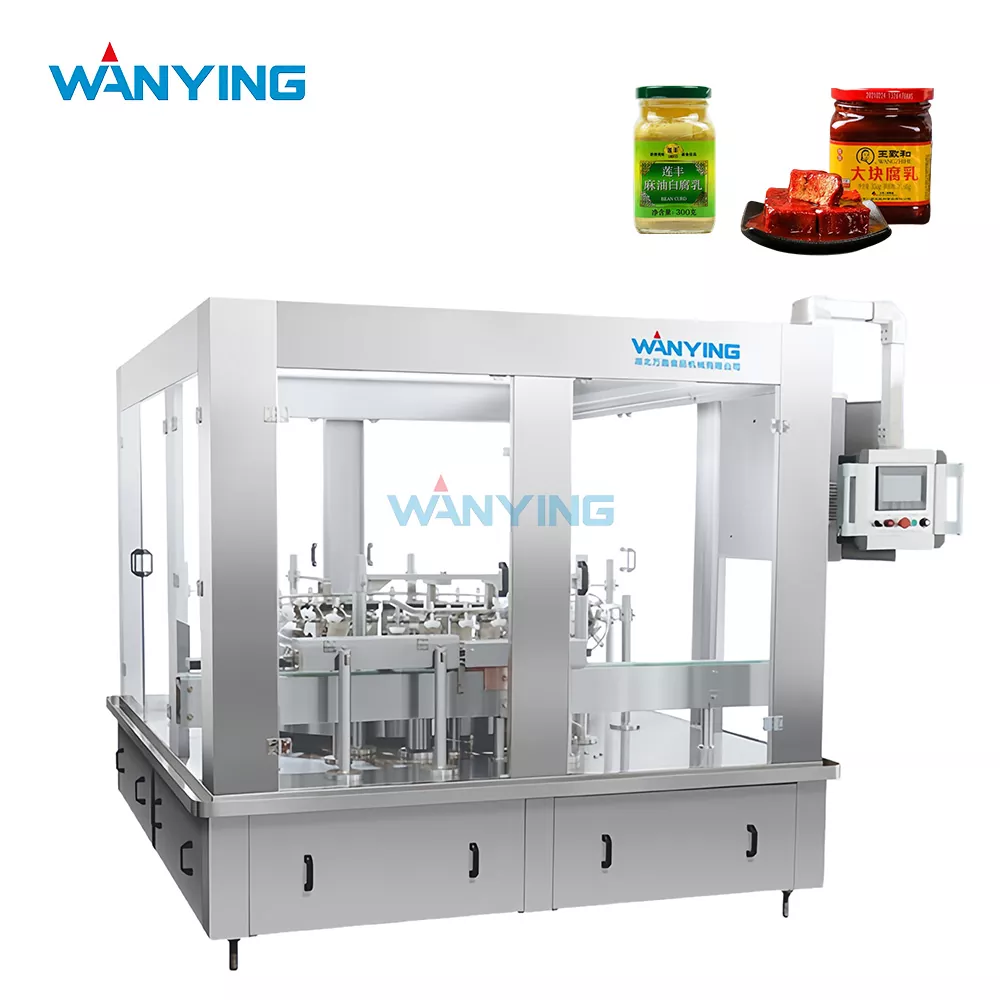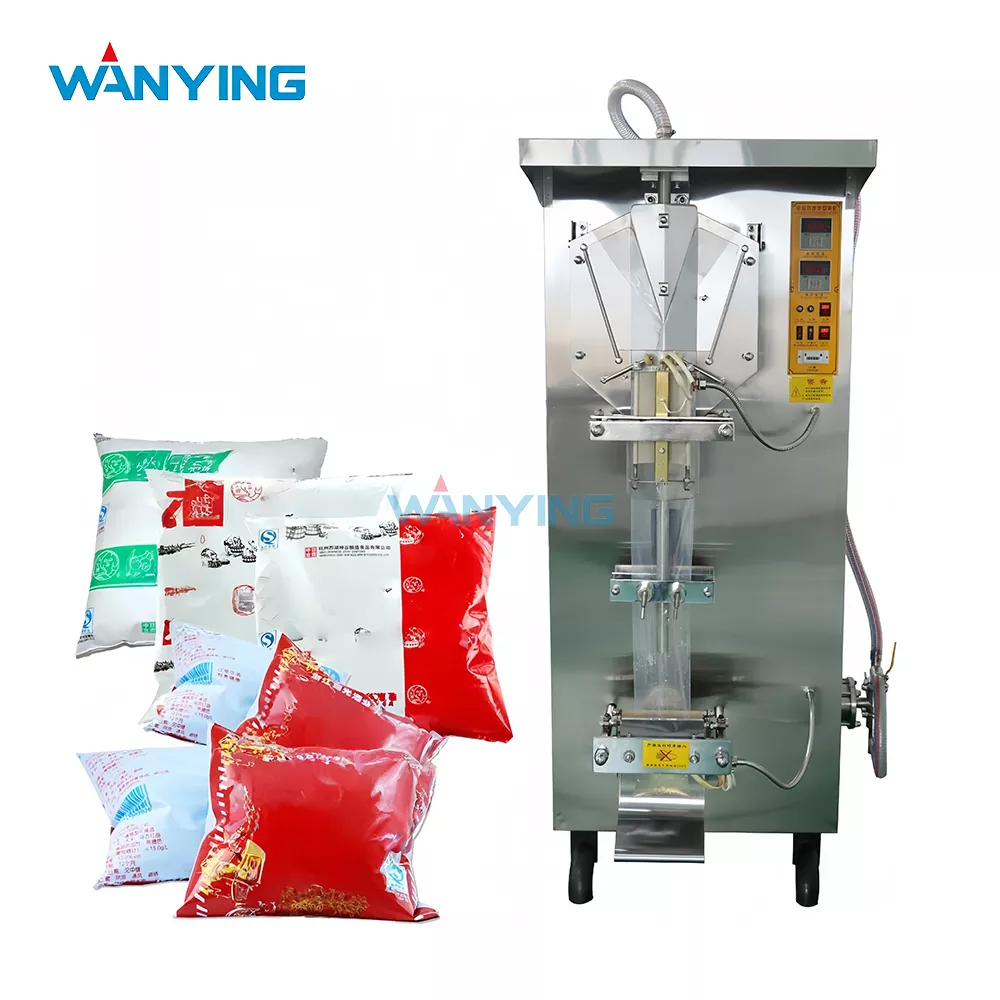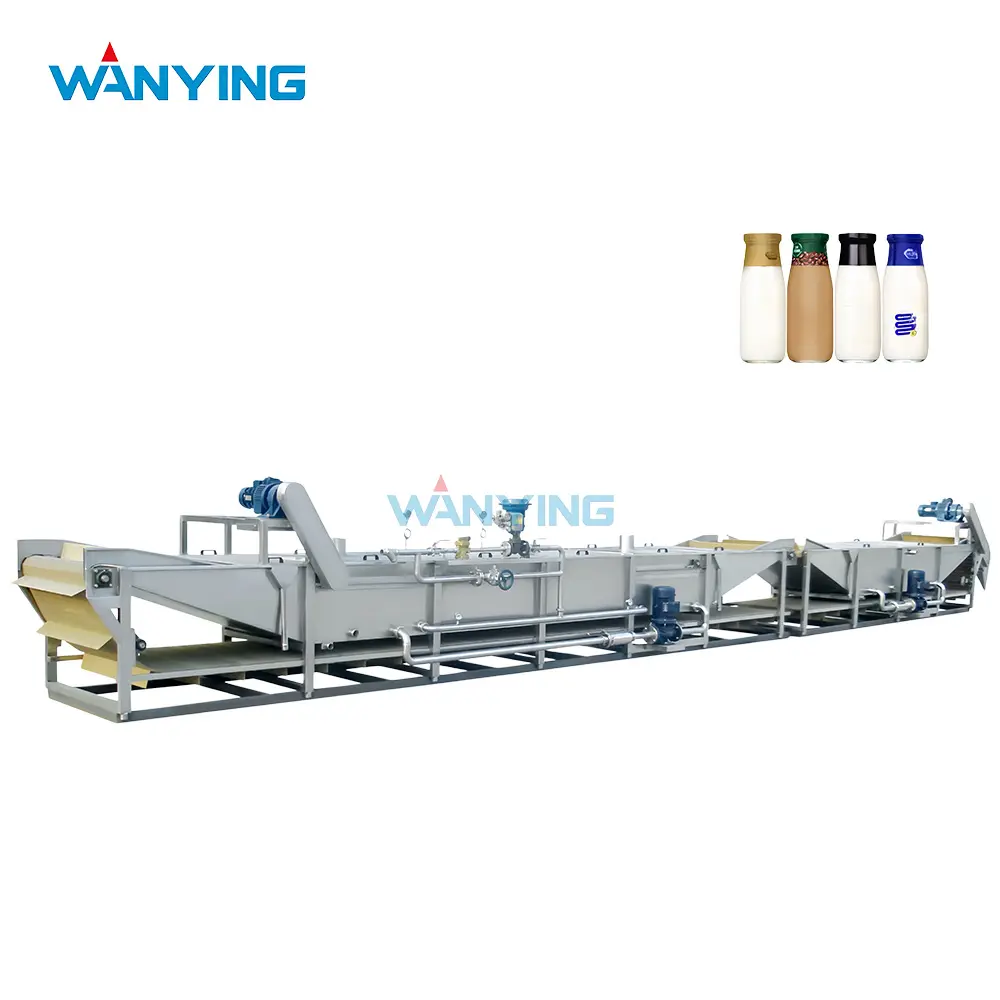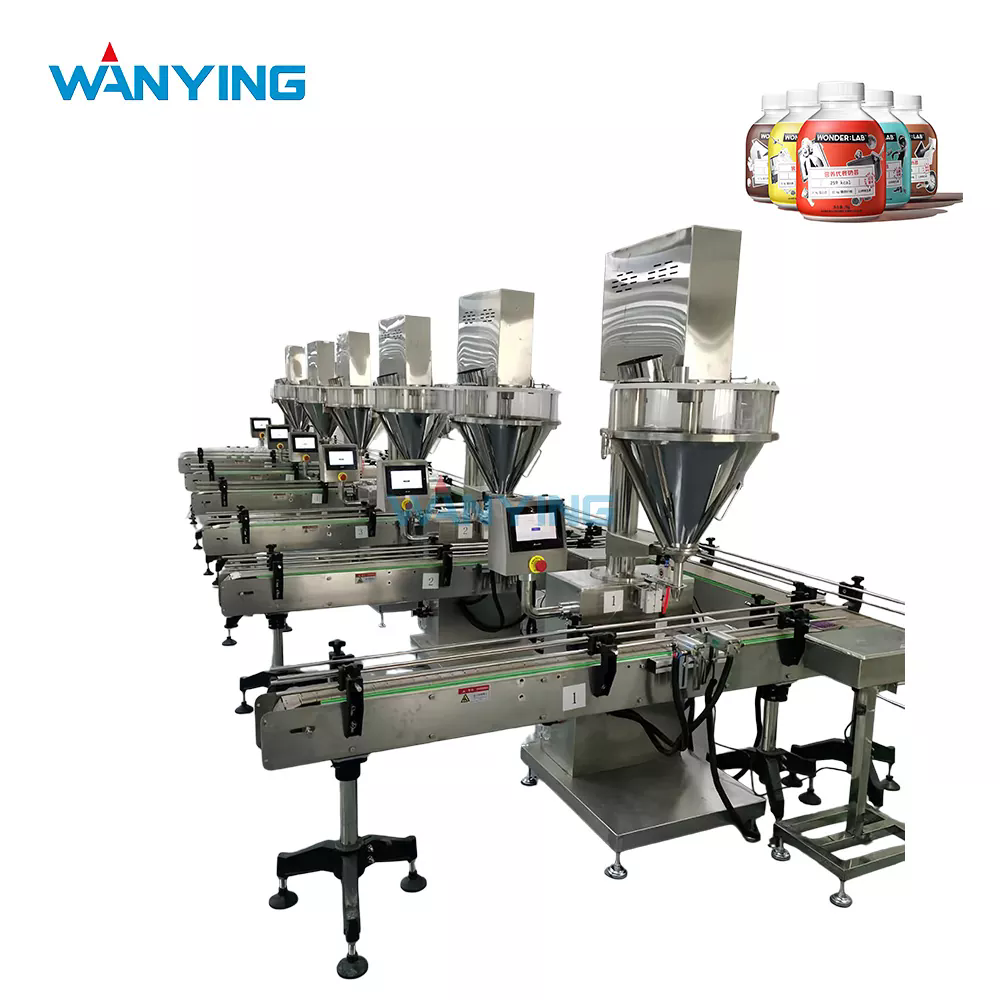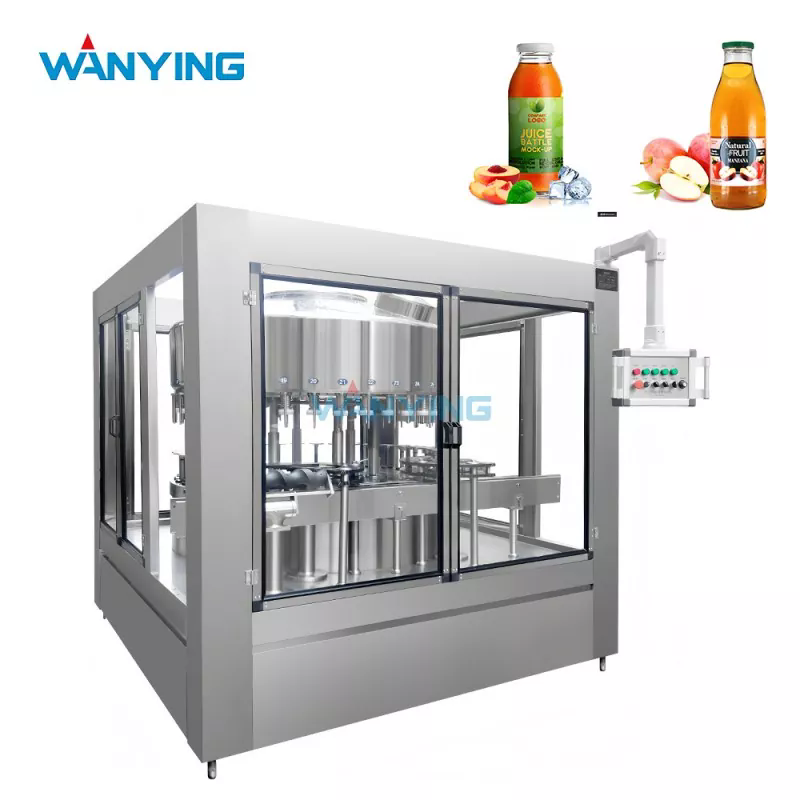
Global food‑and‑beverage processors keep raising requirements for production stability, food‑grade compliance and line adaptability. Many mid‑size and expanding factories face real‑world pain points: frequent product‑format switching, inconsistent filling accuracy, poor compatibility with viscous or particle‑containing materials, and long downtime during container changeovers. As end‑consumer demand for sauces, fermented food, dairy and fruit‑drink products rises, plant operators are prioritizing modular, application‑specific packaging equipment instead of generic one‑size‑fits‑all machinery. This shift creates new sourcing logic for international buyers evaluating liquid processing and packaging systems.
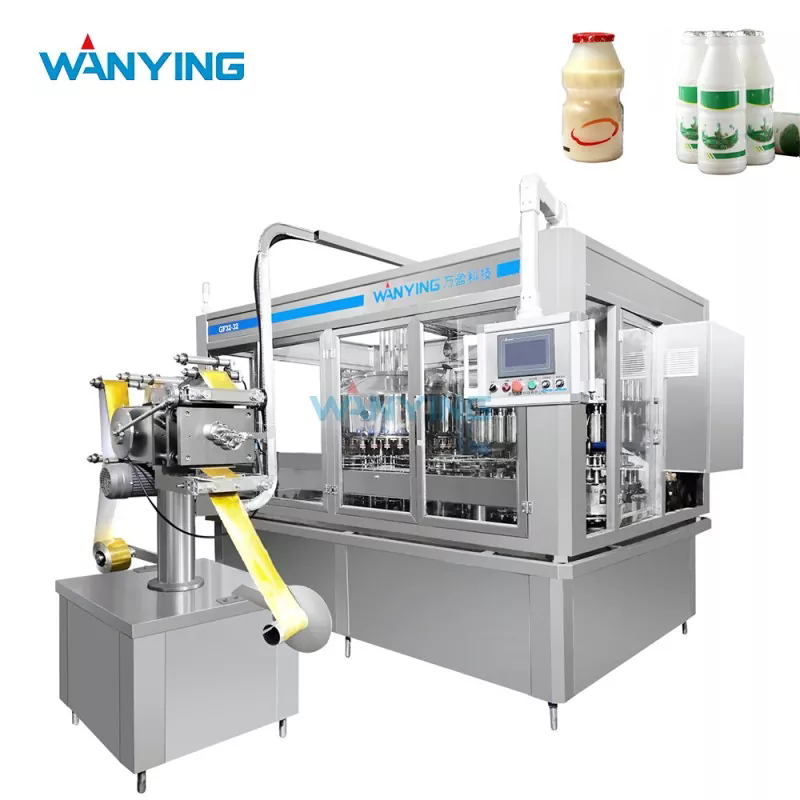
Traditional fixed-configuration production lines are built for single-product mass output. When factories expand their product portfolio, old-style machines often cannot handle varied bottle sizes, viscosity ranges or special-process steps such as fermented bean curd jar handling. Operators meet high modification costs and extended stop-time for re-calibration.
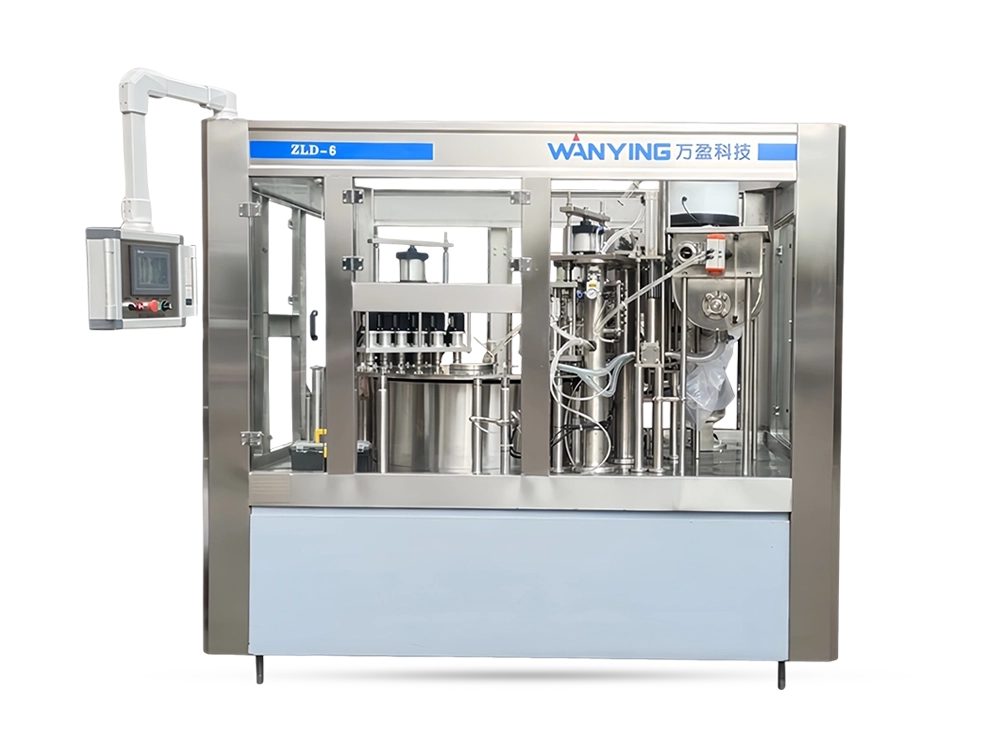
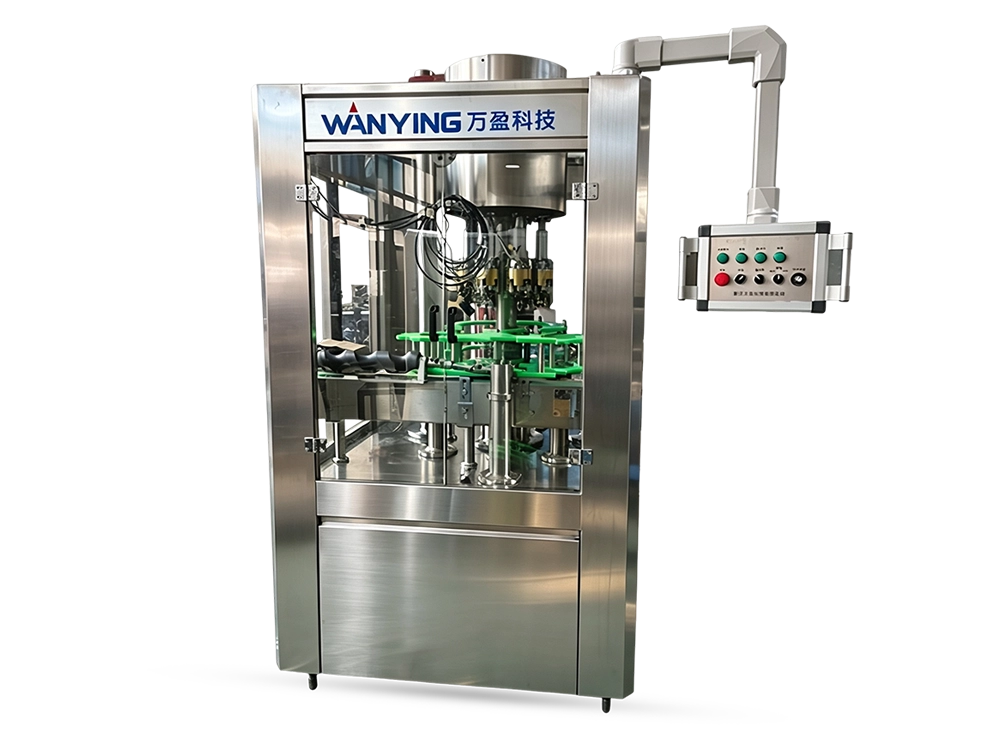
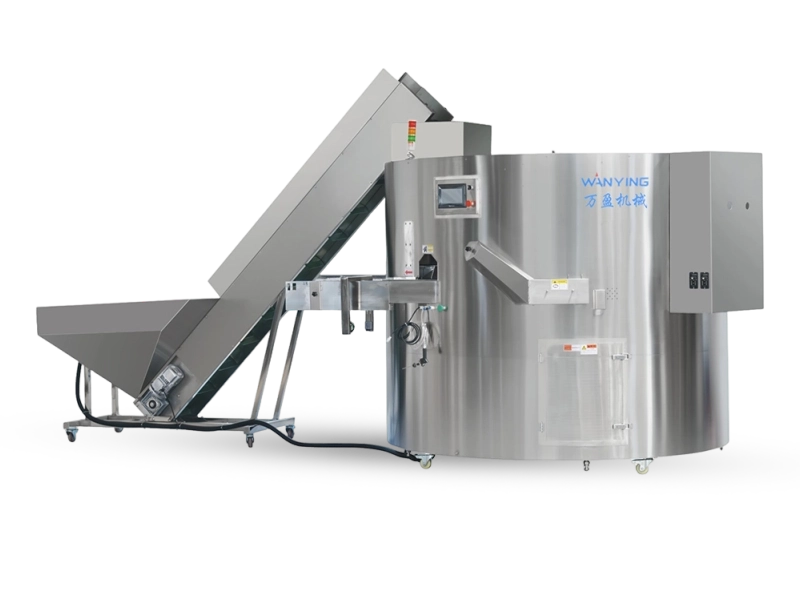
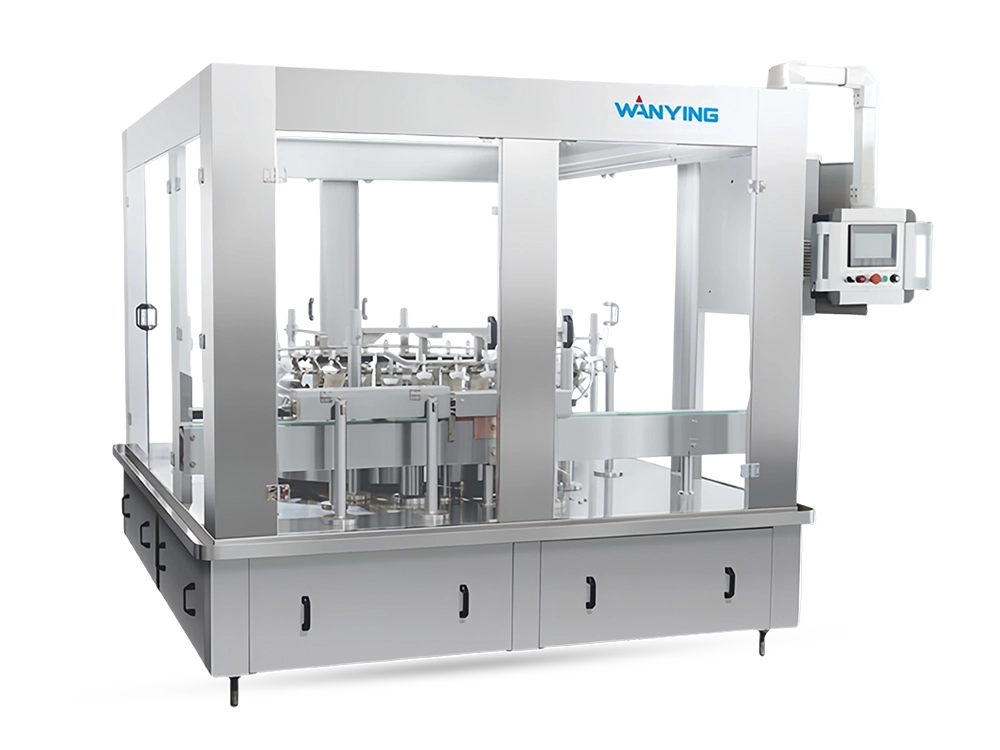
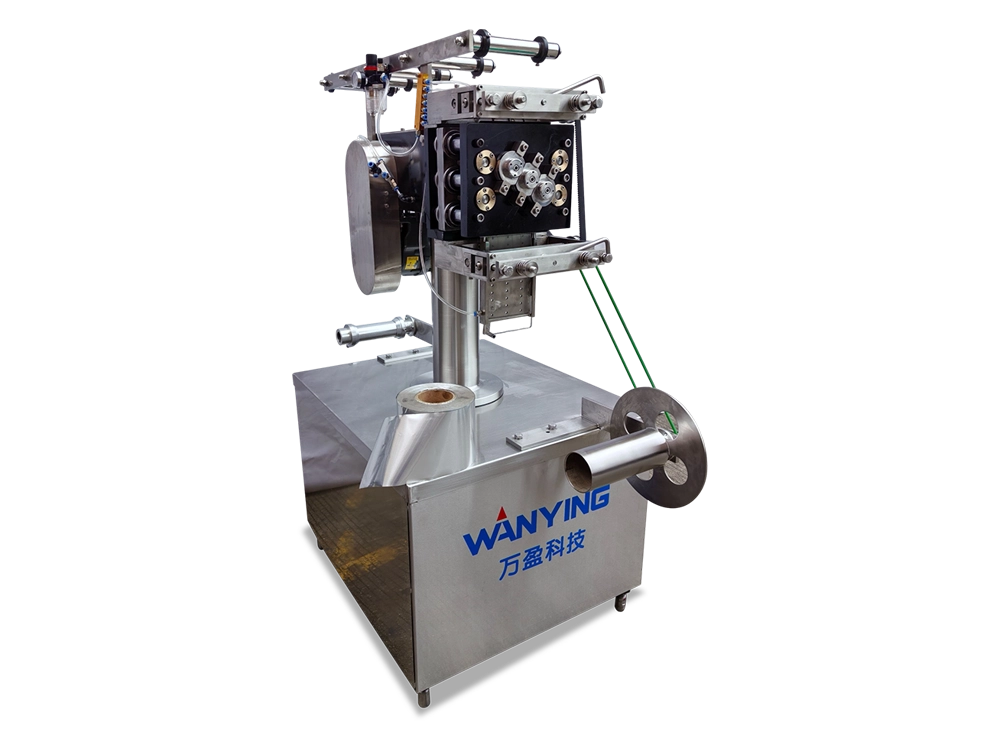
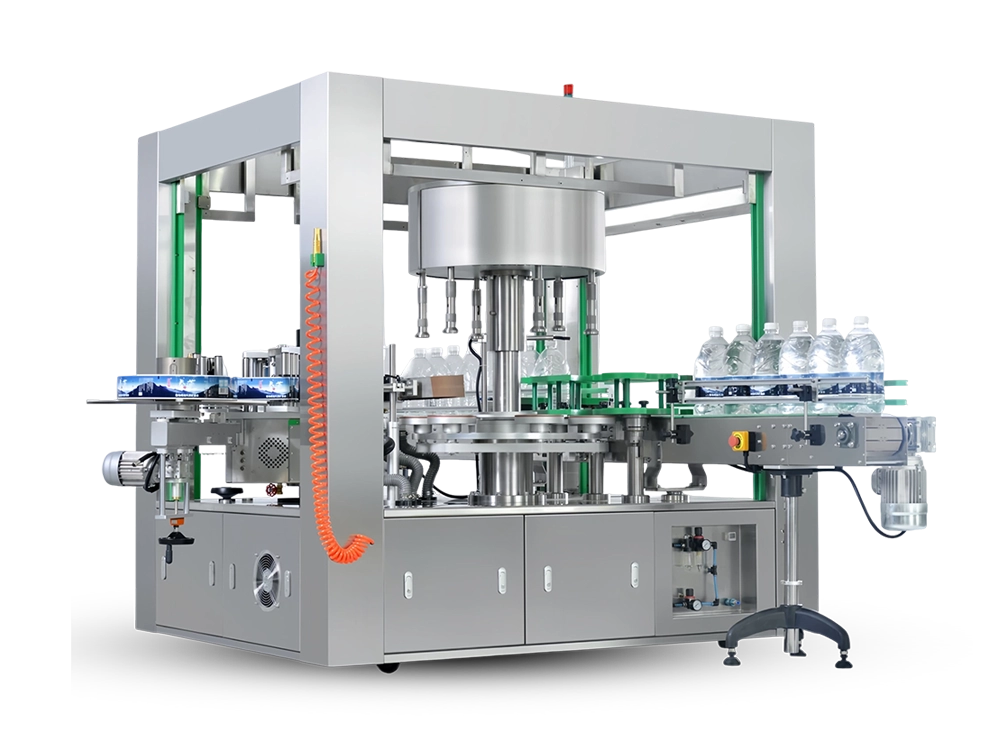
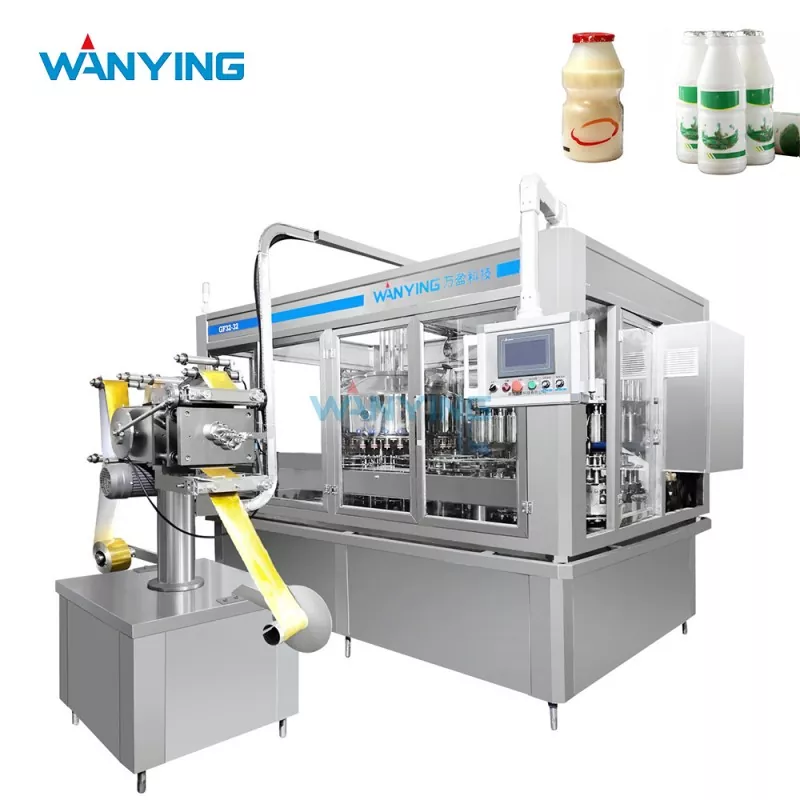
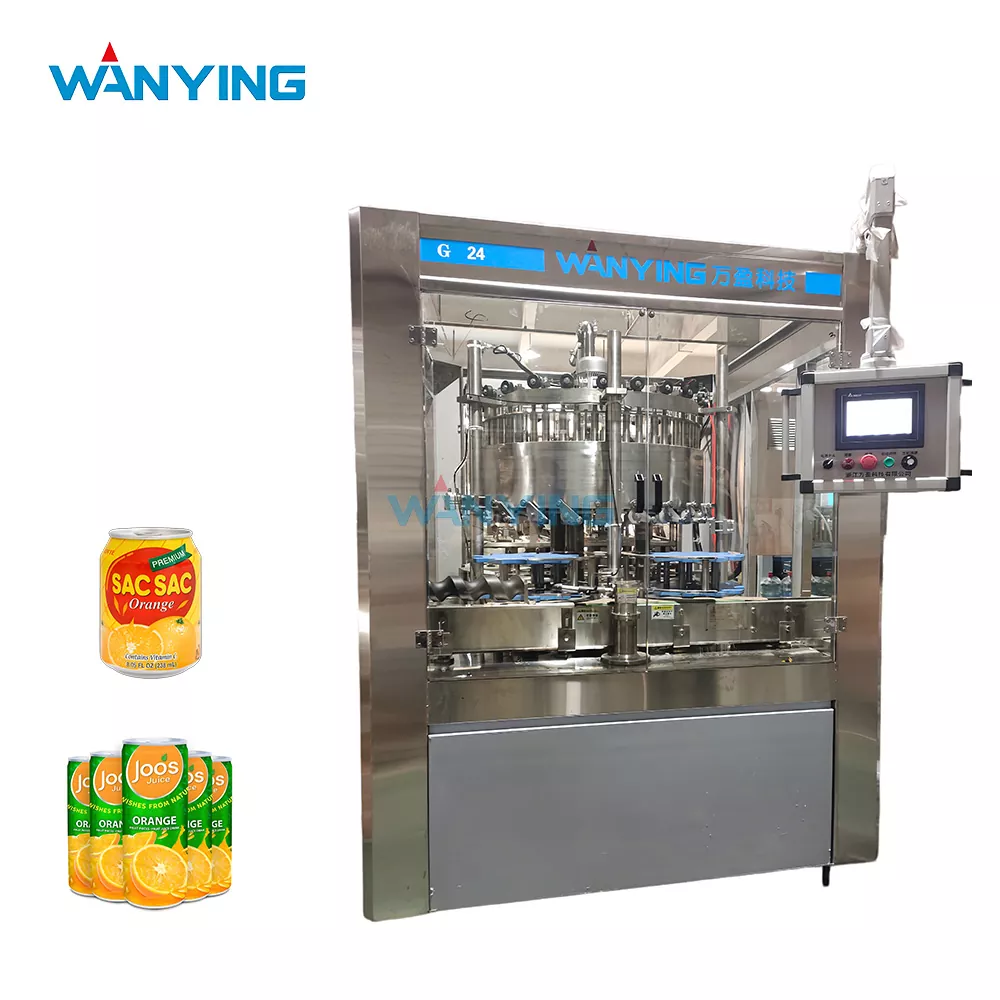
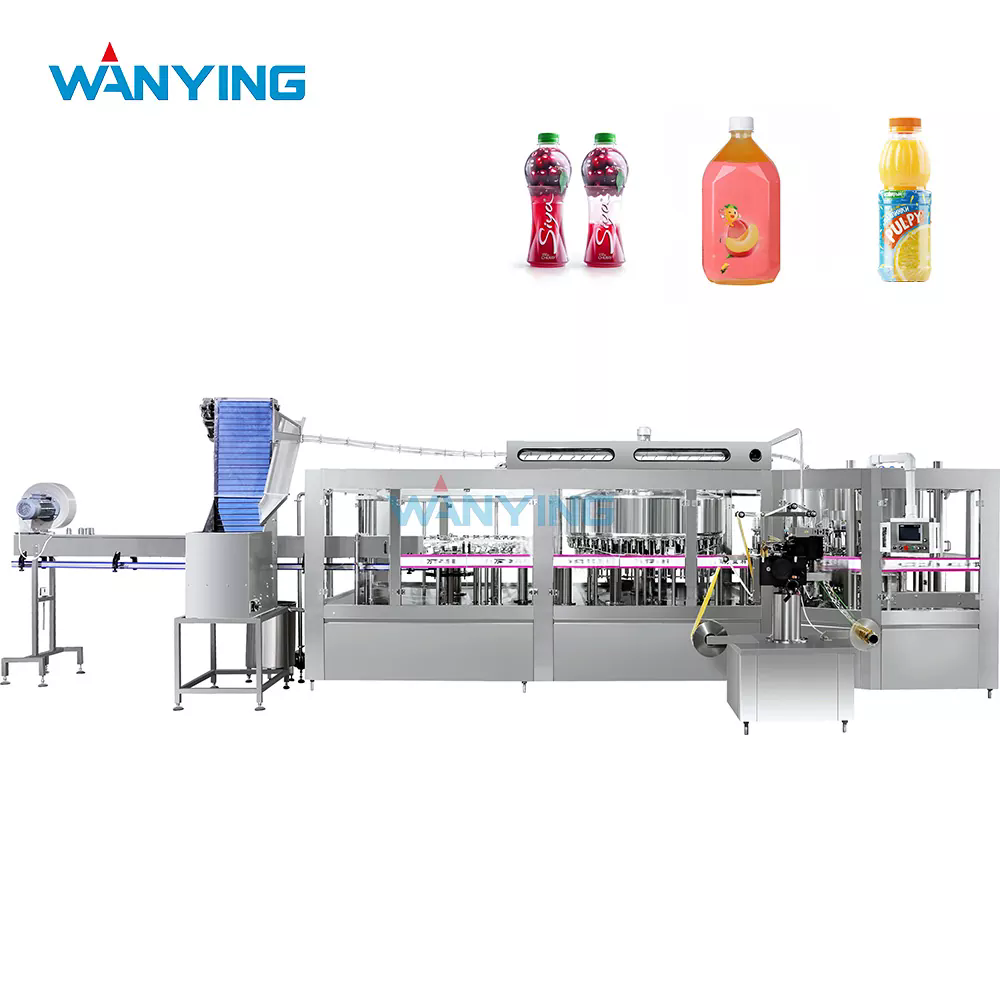
Modular layouts separate core functional stations: bottle sorting, filling, capping, sterilization, labeling and end-of-line packing. Each unit can be adjusted or replaced independently without rebuilding the whole workshop. This setup works well for enterprises running multiple SKUs, seasonal production peaks, and gradual capacity expansion. A well-configured Filling Machine can integrate seamlessly with upstream unscramblers and downstream capping and sterilization units to form a compact continuous workflow. Plant managers can invest step-by-step rather than purchasing a full-line solution all at once, lowering initial capital pressure.
When evaluating production machinery, buyers need to look beyond nominal speed figures. Practical indicators include filling tolerance, material-contact material grade, heat-resistance for hot-fill scenarios, and ease of cleaning. The table below lists typical reference parameters for mainstream liquid packaging units applied in condiment, beverage and fermented-food workshops.
| Item | Reference Specification |
|---|---|
| Filling Volume Range | 10–5000 ml adjustable |
| Filling Accuracy | ±0.5 % under stable running |
| Running Speed | 30‑100 packages per minute (model‑dependent) |
| Contact‑part Material | Food‑grade 304 / 316 stainless steel |
| Voltage Option | 220V‑380V, 50‑60Hz custom‑available |
| Suitable Viscosity | Water‑like liquid to medium‑viscous sauce with fine particles |
| Supported Containers | Glass bottles, plastic bottles, jars, cups |
| Core matched units | Bottle unscrambler, capping machine, pasteurizer, labeling device |
Real-world performance will shift with actual material property, container shape and on-site installation condition. Customers should share sample material and container drawings for accurate configuration advice.
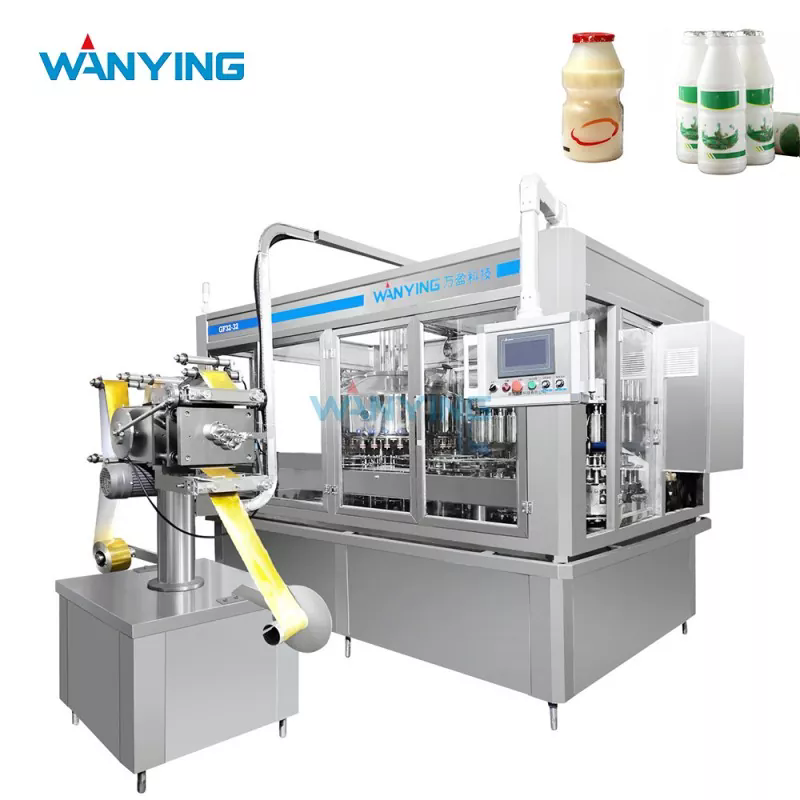
Fermented bean curd, thick sauces and brine-containing products bring unique processing challenges. Solid-liquid mixed contents require special anti-sediment filling structures. Jar-mouth residues after filling may compromise sealing performance, which raises failure risk during subsequent sterilization and shelf-storage. Conventional general-purpose Filling Machine units are not designed for such jar-oriented residue-cleaning procedures, creating hidden quality risks for final goods.
Complete processing workflows for fermented food usually include brine pouring, jar-mouth cleaning, capping and tunnel-style pasteurization. Each station must coordinate timing precisely. Mis-alignment between procedures may lead to cap slipping, incomplete sterilization or high product rejection rate. Processors focusing on fermented food need to confirm whether equipment suppliers hold practical project experience for these niche applications, not only general liquid-filling capacity.
Sterilization directly determines shelf-life for many bottled condiments and beverages. Two mainstream equipment types are widely adopted in modern workshops: tunnel pasteurizer and water-bath pasteurizer.
Water-bath pasteurizer is suitable for medium-and-small batch production. Products stay inside temperature-controlled water-bath tanks for fixed holding cycles. It requires relatively small workshop footprint and lower initial investment, which fits small-to-medium factories with flexible batch-switching needs.
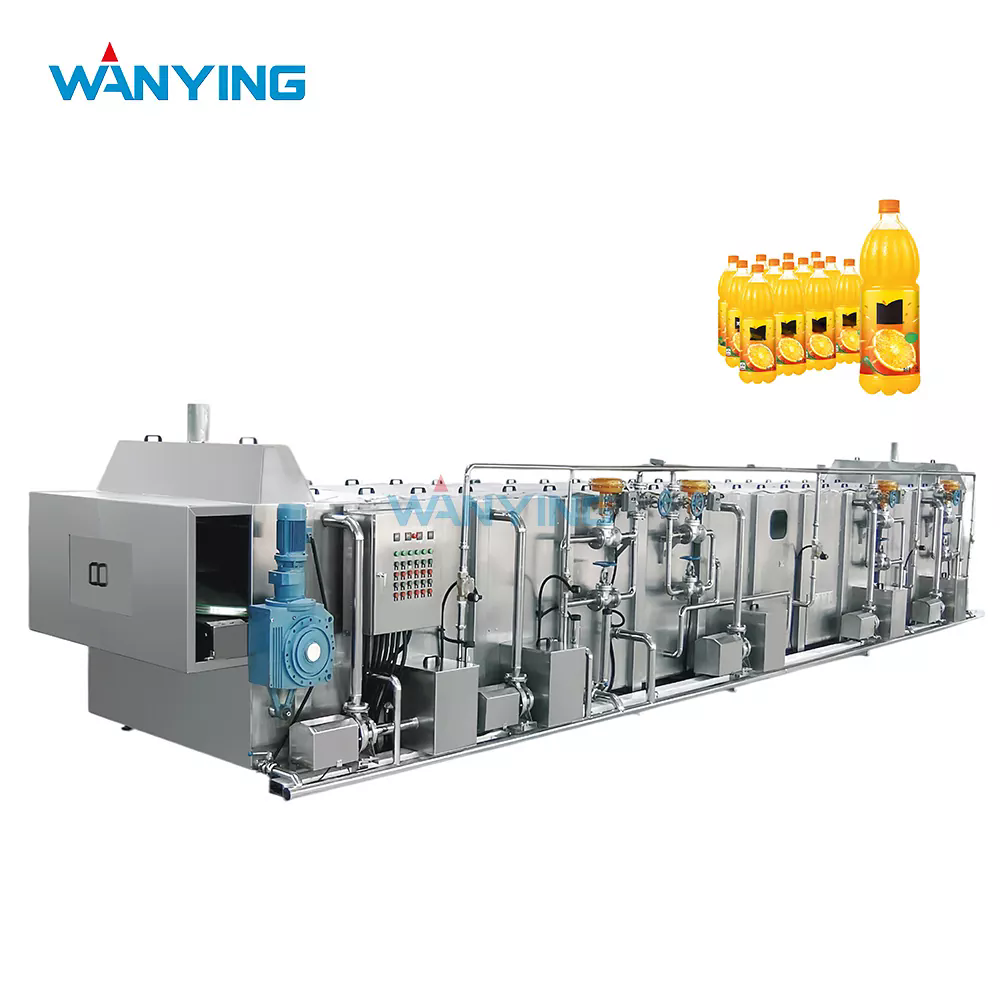
Tunnel pasteurizer runs continuous inline processing. Bottles or jars move through sequential heating, holding and cooling zones on conveyor belts. Temperature zones can be independently adjusted. It targets high-volume stable mass production, with higher overall throughput and less manual intervention.
Selecting between them depends on daily output target, container material (glass jars need extra anti-shock design), and existing workshop layout. Many processors make mistakes by only comparing price while ignoring temperature-control precision and container compatibility, which will trigger high post-commissioning waste.
Many international purchasers focus heavily on price quotation at early negotiation stages, while under-evaluating several practical factors that determine long-term operating cost. Below are practical suggestions summarized from real-project cases.
1. Confirm material-contact component standard. For food-grade production, all parts touching liquid or semi-solid products should adopt qualified stainless steel, avoiding ordinary carbon-steel accessories that risk corrosion and contamination.
2. Clarify actual working condition parameters. Share viscosity data, particle size, filling temperature, bottle/jar dimension and target hourly output. Only then can suppliers propose realistic configuration, instead of only quoting nominal-parameter catalog values.
3. Evaluate after-sales support feasibility. Check whether the manufacturer can supply spare-part lists, remote-guidance documents and oversea-service support options. After-sales response matters greatly for continuous production once machines are delivered.
4. Reserve modification space for future product iteration. Even if current production only covers limited SKUs, choose equipment that supports parameter adjustment and partial-module upgrade. This avoids full-set replacement after product-line expansion.
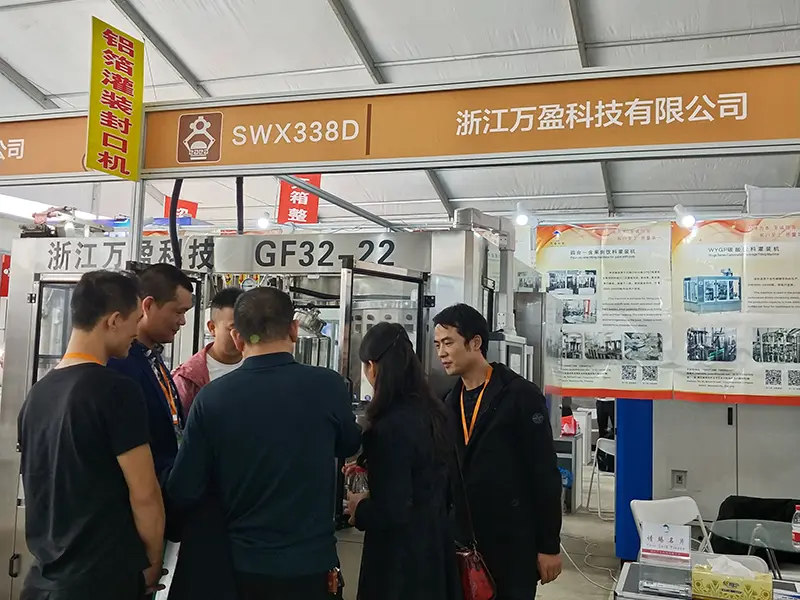
Manufacturers with real-world project accumulation can offer objective feasibility feedback. Wanying, as a China-based machinery manufacturer focusing on filling and packaging equipment for beverage, dairy and condiment sectors, delivers custom-adapted units instead of only standardized mass-produced models, serving more than 1300 clients from different regions. In-house machining, assembly and testing workflows allow thorough machine checking before shipment. When buyers seek a reliable Filling Machine or matched auxiliary units, reviewing real-case references of similar-application projects provides more reference value than product-brochure descriptions alone.
In coming years, two directions will continuously reshape liquid-packaging machinery development. First is higher flexibility to cope with frequent SKU updates. Fast-changing consumer preferences push food factories to launch new variants quickly, so equipment needs shorter change-over time between different containers and materials. Second is stricter food-safety oriented design. Easy-to-clean structure, anti-residue optimization and traceable parameter records will become basic requirements rather than premium options.
Sustainability-related requirements also bring indirect influence. As more brands adopt lightweight bottles and recyclable containers, machines must keep stable performance while handling thinner-wall containers. This puts higher requirements on bottle unscrambling, conveying and capping mechanical-structure tuning. Factories that upgrade production lines in advance will obtain advantages in product-quality stability and market-response speed.
For global processors, the core of equipment procurement is not pursuing the highest-spec catalog parameters, but selecting solutions matching their own product features, capacity planning and site environment. Careful technical communication before order placement effectively reduces commissioning risks and improves long-term return-on-investment.