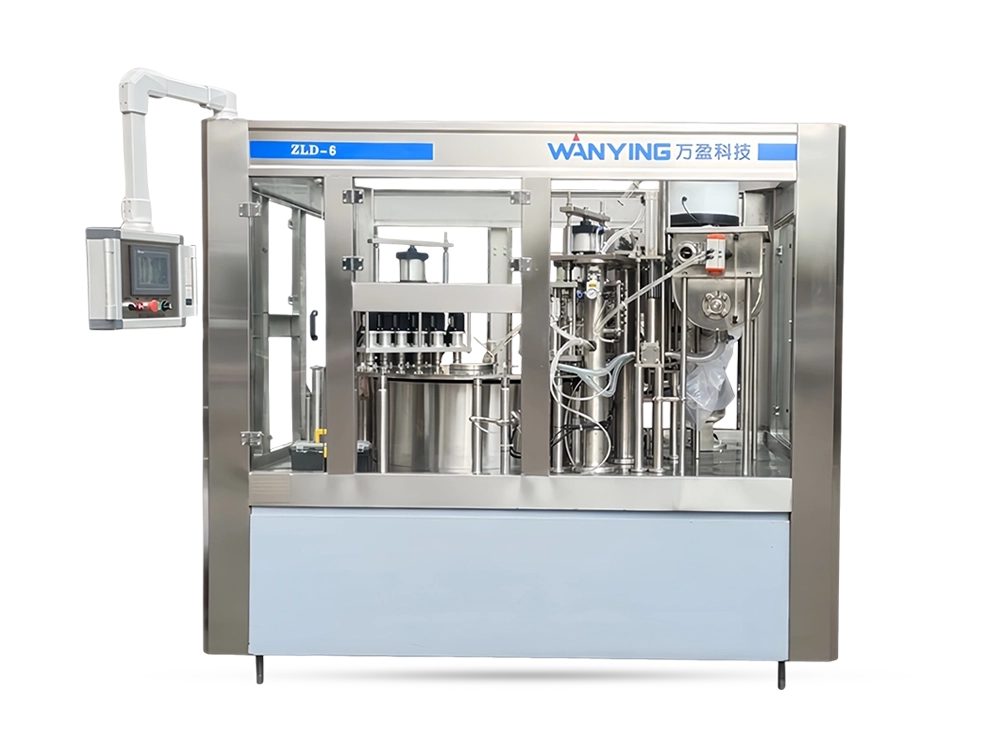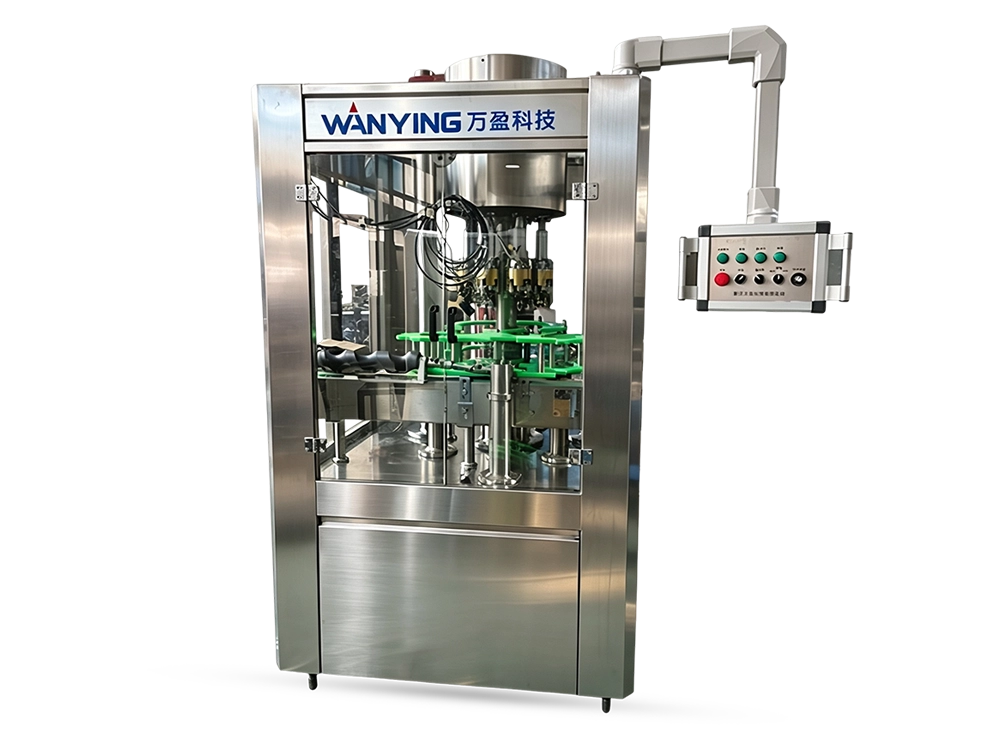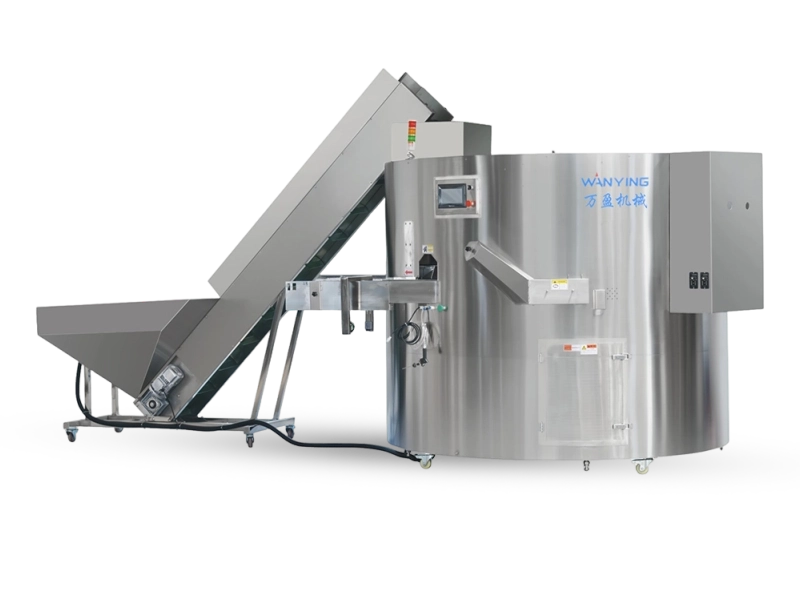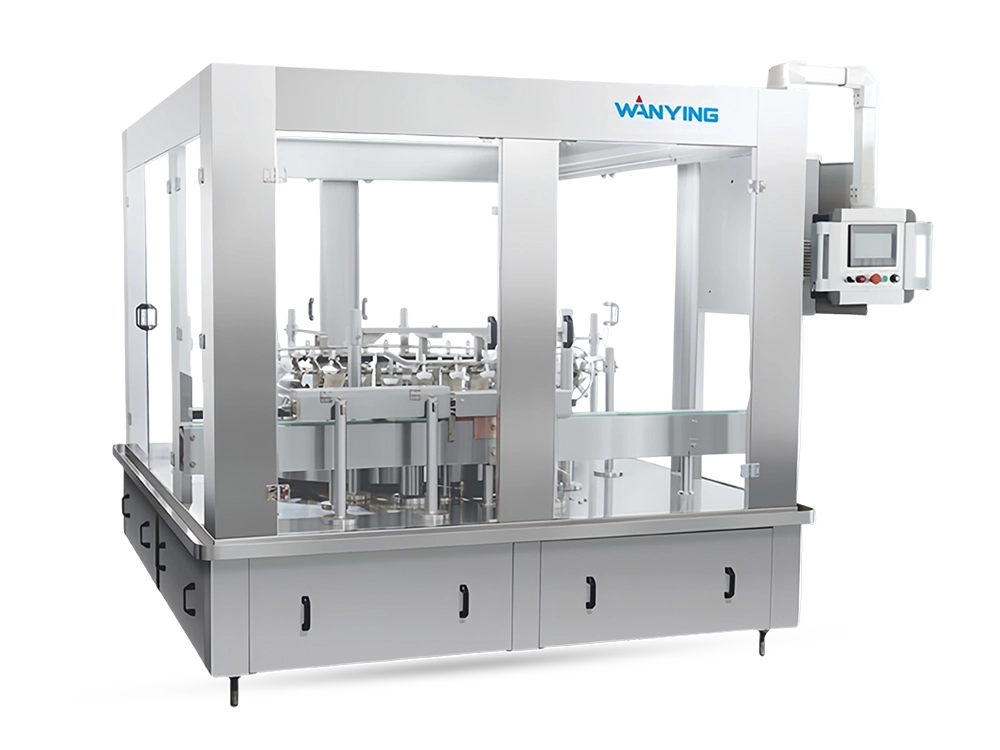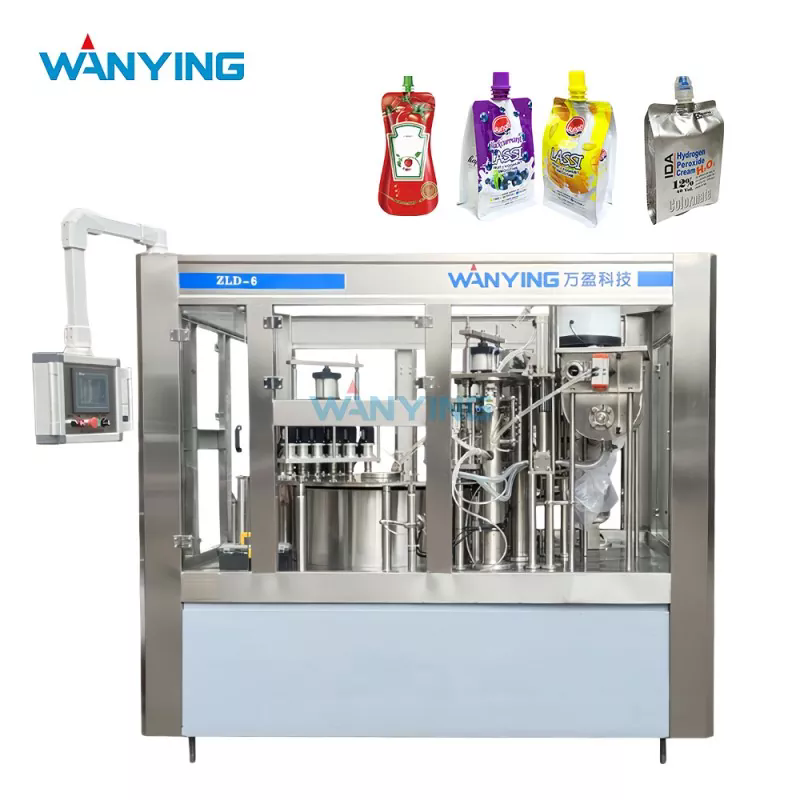
In the food manufacturing industry, microbial contamination is a constant threat that can compromise product safety, shorten shelf life, and damage brand reputation. Advanced sterilization equipment is the frontline defense against these risks, offering food manufacturers precise, reliable, and scalable solutions to eliminate or inactivate harmful microorganisms. From conventional thermal sterilization (pasteurization, retorting) to emerging technologies like ultraviolet (UV) light, pulsed electric fields, and high-pressure processing (HPP), modern Sterilization Equipment provides a range of options tailored to different product types and production volumes. At Hubei Wanying Machinery Co., Ltd., our factory has been designing and manufacturing high-performance Sterilization Equipment for over 20 years, helping food processors achieve log reductions of 6 to 7 for common pathogens such as Salmonella, Listeria, and E. coli. This article explores the technical capabilities of advanced sterilization systems, their operational benefits, and the critical factors that determine their effectiveness in reducing microbial risks.
But simply purchasing a sterilization system is not enough. To truly reduce microbial risks, food manufacturers must understand the mechanisms of action, the critical control parameters, and the validation protocols required for each type of Sterilization Equipment. Factors such as temperature uniformity, residence time, UV intensity, and pressure distribution must be precisely controlled and monitored to ensure consistent results. Furthermore, the choice of sterilization technology depends on the food matrix—liquid, solid, particulate, or high-fat—as well as the target microorganisms and the desired shelf life. In this comprehensive guide, we will dissect the leading sterilization technologies, discuss their applications and limitations, and provide detailed technical specifications to help you select the right Sterilization Equipment for your production needs. We will also share best practices for validation, maintenance, and integration into your existing food safety plan (HACCP).
Microbial risks in food manufacturing are multifaceted and ever-present. Raw materials, processing equipment, packaging, and even the processing environment can introduce or allow the growth of pathogens and spoilage organisms. Without effective intervention, these microorganisms can multiply rapidly, leading to foodborne illness outbreaks, product recalls, and significant financial losses. Advanced Sterilization Equipment is essential because it provides a controlled, repeatable, and verifiable means of achieving the required level of microbial reduction. Unlike manual cleaning or chemical disinfection, which can be inconsistent, modern Sterilization Equipment delivers a precise process that is continuously monitored and documented, satisfying the requirements of food safety certification standards such as FSSC 22000, BRC, and SQF.
Key reasons why advanced Sterilization Equipment is indispensable for food manufacturers:
A case study from a large-scale juice manufacturer illustrates the impact. The manufacturer was experiencing a 2 percent spoilage rate due to yeast contamination in their cold-fill juices. After implementing our advanced UV Sterilization Equipment inline, the spoilage rate dropped to below 0.05 percent, and the product shelf life increased from 14 days to 28 days. The manufacturer recovered the capital investment within 10 months and was able to expand distribution to new regions. This example demonstrates that Sterilization Equipment is not just a cost of doing business; it is an investment in product quality and market expansion.
Furthermore, the integration of data logging and remote monitoring capabilities in our Sterilization Equipment allows manufacturers to track performance in real time, identify trends, and proactively address potential issues before they affect product safety. This predictive approach is a significant advancement over traditional batch testing, providing an additional layer of risk mitigation. At Hubei Wanying Machinery Co., Ltd., we design our Sterilization Equipment with these features as standard, ensuring that our customers can meet the highest food safety standards with confidence.
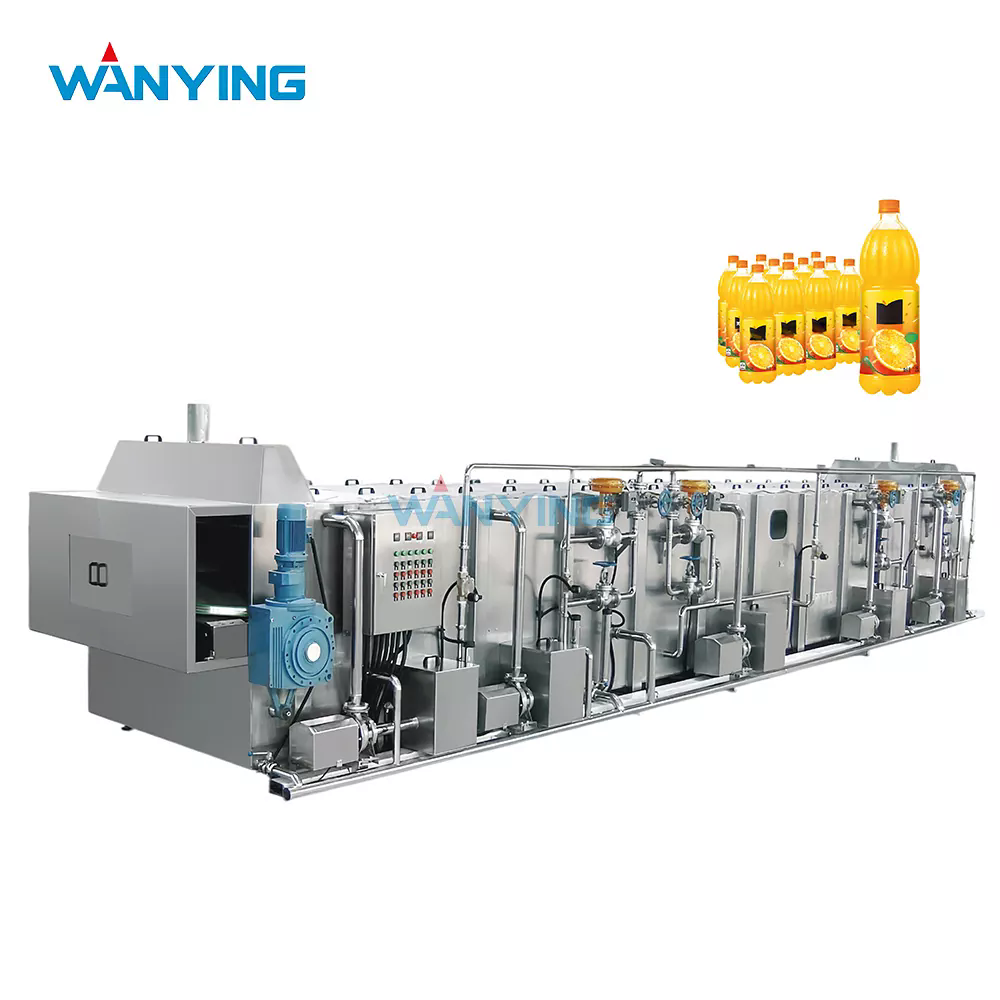
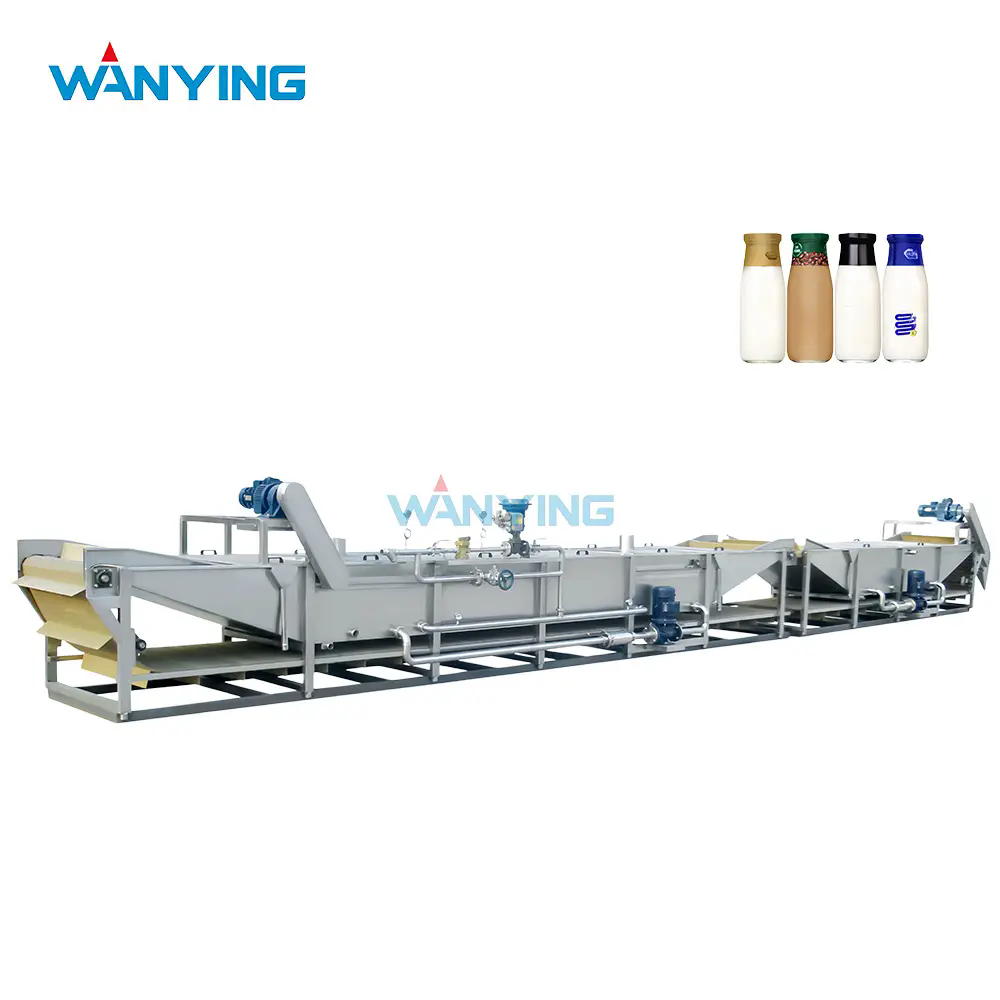
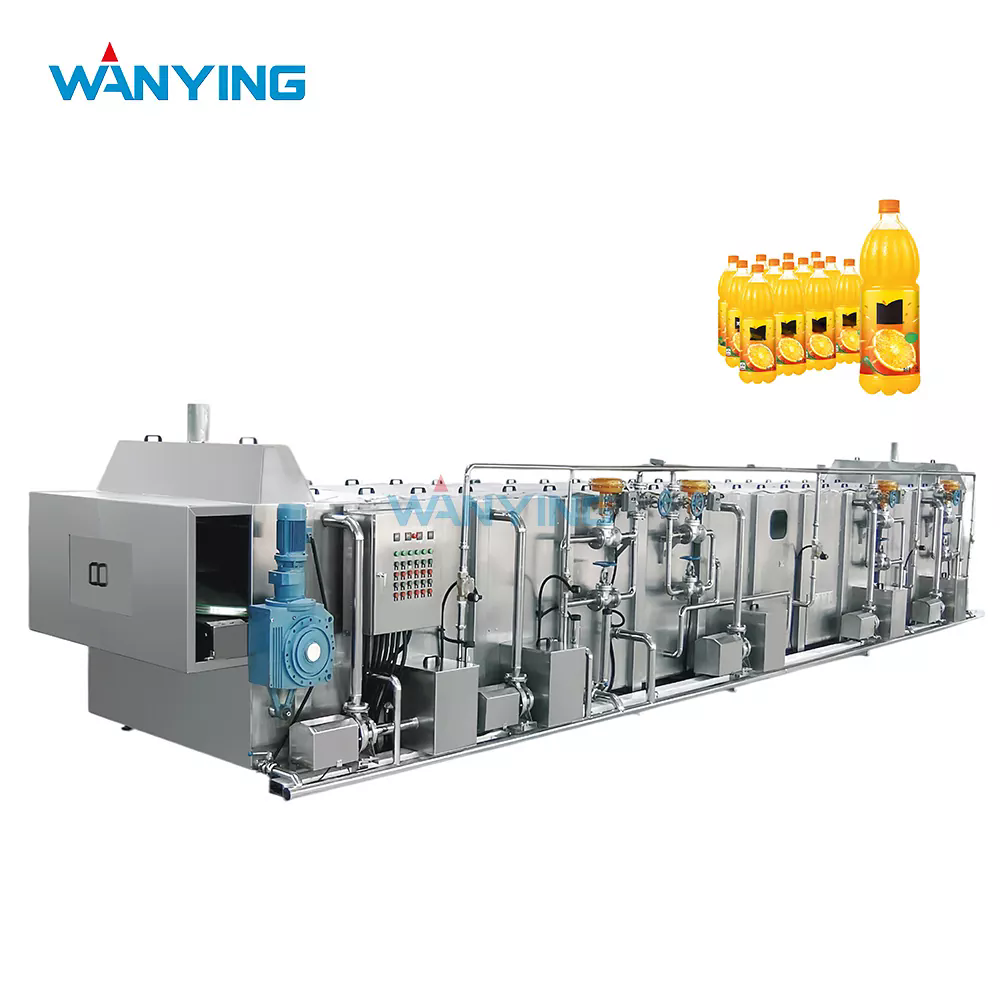
Thermal sterilization is the most widely used method for reducing microbial risks in food processing. It operates on the principle that heat denatures proteins and disrupts the cell membranes of microorganisms, leading to their inactivation. The effectiveness of thermal Sterilization Equipment is determined by the combination of temperature and holding time, commonly expressed as the F0 value (for sterilization) or the P-value (for pasteurization). Our factory manufactures a range of thermal Sterilization Equipment, including continuous tunnel pasteurizers, batch retorts, and plate heat exchangers, each designed to deliver precise heating and cooling profiles for different product types. For low-acid canned foods, retort Sterilization Equipment applies steam or hot water under pressure to achieve temperatures of 121°C or higher, ensuring the destruction of Clostridium botulinum spores.
Key mechanisms and features of our thermal Sterilization Equipment:
To illustrate the efficacy of thermal Sterilization Equipment, we cite a validation study conducted at our factory. A batch of 300 canned vegetable soup was processed at 121°C for 12 minutes (F0 = 8.5). The process was validated using thermocouples placed at the coldest point in the cans, and the results showed a 6-log reduction in Clostridium sporogenes spores, which is the standard challenge organism for low-acid foods. The study confirmed that our retort Sterilization Equipment consistently achieved the required lethality across all cans, providing the manufacturer with the validation data needed for FDA submission.
However, thermal sterilization is not suitable for all products. Sensitive products such as fruit juices, dairy beverages, and certain sauces may require non-thermal technologies to preserve their fresh flavor and nutritional content. For these applications, we offer alternative Sterilization Equipment options, which we will discuss in the following sections. The choice of thermal or non-thermal Sterilization Equipment depends on the product's pH, water activity, and the target microorganisms, and our engineering team is available to assist in selecting the optimal technology for your specific needs.
Wanying manufactures a comprehensive range of Sterilization Equipment for the food processing industry. Our product line includes both thermal and non-thermal systems, serving applications from pasteurization and sterilization to UV treatment and high-pressure processing. The table below summarizes the key technical specifications for our most popular Sterilization Equipment models, which are used in the dairy, beverage, canned food, and meat processing sectors worldwide. Our factory can also produce custom systems to meet specific production requirements, including high-capacity installations and specialty processing conditions.
| Model | Technology Type | Processing Capacity (kg/h or L/h) | Max Temperature (°C) | Max Pressure (bar) | Holding Time Range (s) | Power Consumption (kW) | Dimensions (L x W x H) mm |
| HW-20-200 | Plate Heat Exchanger | 2,000 - 20,000 L/h | 95 | 10 | 5 - 60 | 15 - 45 | 2200 x 1200 x 1800 |
| HW-R-100 | Retort (Static, Water Spray) | 100 - 500 cans/batch | 130 | 4 | 5 - 60 min | 30 - 75 | 2400 x 1600 x 2200 |
| HW-R-300 | Retort (Rotary, Steam/Air) | 300 - 1,200 cans/batch | 135 | 4.5 | 5 - 60 min | 55 - 120 | 3000 x 2000 x 2500 |
| HW-UV-10 | UV-C (Inline) | 5,000 - 20,000 L/h | 40 | 6 | 10 - 30 | 5 - 12 | 1800 x 800 x 1600 |
| HW-UV-50 | UV-C (Inline) | 20,000 - 50,000 L/h | 40 | 6 | 10 - 30 | 12 - 25 | 2200 x 1000 x 1800 |
| HW-HPP-300 | High Pressure Processing | 300 - 600 kg/batch | 35 | 600 | 2 - 8 min | 75 - 150 | 3500 x 2500 x 2800 |
| HW-CT-20 | Continuous Tunnel Pasteurizer | 2,000 - 12,000 units/h | 98 | Atmospheric | 2 - 20 min | 20 - 60 | 8000 x 2000 x 2500 |
In addition to the standard models, our factory offers several optional features to enhance the efficiency and functionality of our Sterilization Equipment. These include: a fully automated CIP (Clean-in-Place) system for hygienic cleaning, a data logging system with OPC connectivity for integration with plant SCADA, and a remote diagnostic service for rapid troubleshooting. We also provide customized product handling systems, such as infeed conveyors and discharge tables, to integrate the Sterilization Equipment seamlessly into the production line.
Our quality control process includes a Factory Acceptance Test (FAT) for each Sterilization Equipment unit, during which the system is operated at full capacity and the performance parameters are verified. We also provide comprehensive documentation, including installation manuals, operating instructions, and validation protocols. Our factory at Hubei Wanying Machinery Co., Ltd. offers a comprehensive warranty on all equipment and provides a full range of after-sales services, including installation supervision, training, and spare parts supply. With our extensive product range and commitment to quality, we are confident that we can provide the optimal Sterilization Equipment solution for your food safety requirements.
While thermal sterilization is highly effective, it is not suitable for all food products. Delicate products such as fresh fruit juices, smoothies, ready-to-eat meats, and seafood can suffer quality degradation when exposed to high temperatures, leading to loss of flavor, color, and nutritional value. For these applications, non-thermal Sterilization Equipment technologies offer a viable alternative. Ultraviolet (UV) light and High-Pressure Processing (HPP) are two of the most widely adopted non-thermal technologies, providing microbial inactivation without significant heating. Our factory at Hubei Wanying Machinery Co., Ltd. designs and manufactures both UV and HPP Sterilization Equipment, tailored to the specific needs of food manufacturers seeking to preserve product quality while ensuring safety.
Key non-thermal technologies and their mechanisms in reducing microbial risks:
A case study from a premium juice manufacturer in the United States highlights the effectiveness of non-thermal Sterilization Equipment. The manufacturer was using pasteurization (72°C for 15 seconds) for their cold-pressed juices, but the flavor and vitamin C content suffered. After switching to our HPP Sterilization Equipment at 500 MPa for 3 minutes, the juice retained its fresh flavor, and the vitamin C retention increased from 80 percent to 95 percent. The HPP process achieved a 5-log reduction in E. coli O157:H7 and Listeria monocytogenes, satisfying the regulatory requirements for a 30-day shelf life. The manufacturer successfully marketed the product as "cold-pressed, high-pressure processed," commanding a premium price.
Non-thermal Sterilization Equipment is not without its limitations. UV is only effective for clear liquids and cannot penetrate opaque or particulate products. HPP has a high capital cost and a batch process that may not suit high-volume continuous production. However, for the right applications, non-thermal Sterilization Equipment provides a clear advantage in product quality, allowing manufacturers to differentiate their products in the marketplace. Our engineering team at Hubei Wanying Machinery Co., Ltd. can help you assess the suitability of thermal versus non-thermal Sterilization Equipment for your specific products, considering both technical feasibility and economic viability.
Even the most advanced Sterilization Equipment will not provide reliable microbial reduction without proper validation and monitoring. Validation involves scientifically demonstrating that the equipment consistently achieves the required level of inactivation for the target microorganisms under the specified process conditions. Monitoring involves continuous measurement of critical process parameters to ensure that the process remains within the validated range. Our factory provides comprehensive validation support for all our Sterilization Equipment, including thermocouple mapping, microbial challenge testing, and data analysis. We also equip our equipment with the necessary sensors and data logging systems to facilitate ongoing monitoring and compliance with food safety standards.
Key validation and monitoring practices for Sterilization Equipment:
A case study from a dairy processing plant in China illustrates the importance of validation and monitoring. The plant had installed a plate heat exchanger for milk pasteurization but was experiencing sporadic post-process contamination. Our factory conducted a thermal mapping of the equipment and discovered a cold spot at the outlet section, where the temperature was 2°C below the set point. After modifying the flow deflectors and reconfirming the mapping, the temperature uniformity was restored, and the contamination issue was resolved. The plant manager acknowledged that without the mapping study, the problem might have gone undetected for months, potentially leading to a serious food safety incident. This case underscores that validation and monitoring are not optional; they are integral to the safe and reliable operation of Sterilization Equipment.
Our factory provides comprehensive training for your maintenance and quality assurance teams on the principles of validation and monitoring. We also offer an annual verification service, where we revisit your site to perform a re-validation of the Sterilization Equipment, ensuring that its performance has not degraded over time. This proactive approach to maintenance and validation helps our customers maintain the highest level of food safety and regulatory compliance.
Question 1: Which type of sterilization equipment is most suitable for my product?
Answer: The suitability of Sterilization Equipment depends on multiple factors: the product's physical form (liquid, solid, particulate), its pH, water activity, and the target microorganisms. For low-acid, shelf-stable products like canned vegetables, retort Sterilization Equipment (thermal) is the standard choice. For high-acid beverages, pasteurization or UV Sterilization Equipment can be effective. For delicate products like fresh juice, cold-pressed meats, and seafood, non-thermal Sterilization Equipment (HPP or UV) is preferred to preserve quality. Our factory provides a comprehensive consultation service to help you select the optimal Sterilization Equipment based on your specific product and production requirements.
Question 2: What is the typical log reduction achieved by thermal sterilization equipment?
Answer: Thermal Sterilization Equipment is designed to achieve a minimum of a 6-log reduction for vegetative pathogens and a 12-log reduction for spores (for low-acid products). For pasteurization, a 5-log reduction for specific pathogens (e.g., Salmonella, E. coli O157:H7) is the minimum requirement. The actual log reduction depends on the time-temperature profile and the product's heat transfer characteristics. Our factory provides custom validation protocols to determine the exact log reduction for your specific process conditions.
Question 3: How does UV sterilization equipment work, and is it effective for all products?
Answer: UV Sterilization Equipment uses UV-C light (254 nm) to inactivate microorganisms by damaging their DNA. It is highly effective for transparent liquids with low turbidity and low UV absorbance. For opaque, high-solute, or particulate products, UV penetration is limited, and the efficacy is reduced. In such cases, alternative Sterilization Equipment (thermal or HPP) may be more appropriate. Our factory offers UV systems with different flow path designs and UV lamp configurations to maximize exposure for specific product types.
Question 4: What is the difference between pasteurization and sterilization equipment?
Answer: Pasteurization Equipment is designed to reduce the number of vegetative pathogens to a level that is safe for consumption, typically achieving a 5-log reduction. It operates at lower temperatures (e.g., 72°C for 15 seconds) and is used for high-acid products (pH < 4.6) or refrigerated shelf-life products. Sterilization Equipment, on the other hand, is designed to achieve commercial sterility by eliminating all vegetative pathogens and spores, requiring higher temperatures (121°C or higher) and longer holding times. Sterilization Equipment is used for low-acid, shelf-stable products.
Question 5: What certifications does Hubei Wanying Machinery Co., Ltd. hold for its sterilization equipment?
Answer: Our Sterilization Equipment is manufactured under ISO 9001:2015 (Quality Management) and is CE certified for compliance with European safety standards. We also offer equipment that meets the requirements of ASME for pressure vessels and PED. Additionally, we provide documentation and testing support to assist our customers in achieving FSSC 22000, BRC, and other food safety certifications. Our factory is regularly audited by certification bodies to ensure ongoing compliance with the latest international standards.
Reducing microbial risks in food manufacturing is a complex challenge that requires the right combination of technology, process control, and validation. Advanced Sterilization Equipment—whether thermal, UV, HPP, or PEF—provides food manufacturers with the means to achieve consistent, validated microbial reduction while preserving product quality and extending shelf life. At Hubei Wanying Machinery Co., Ltd., our factory has the experience and expertise to design, manufacture, and validate Sterilization Equipment that meets the highest food safety standards. Our commitment to quality, innovation, and customer support ensures that our equipment delivers reliable performance and a rapid return on investment.
Ready to upgrade your food safety capabilities? Contact Hubei Wanying Machinery Co., Ltd. today for a comprehensive sterilization consultation. Our team will analyze your product, process, and production targets, and recommend the optimal Sterilization Equipment solution, including a validation protocol and a detailed return-on-investment analysis. We offer free feasibility studies, competitive pricing, and full after-sales support. Request your free sterilization consultation now from Hubei Wanying Machinery Co., Ltd. and take the next step toward safer, more reliable food processing.