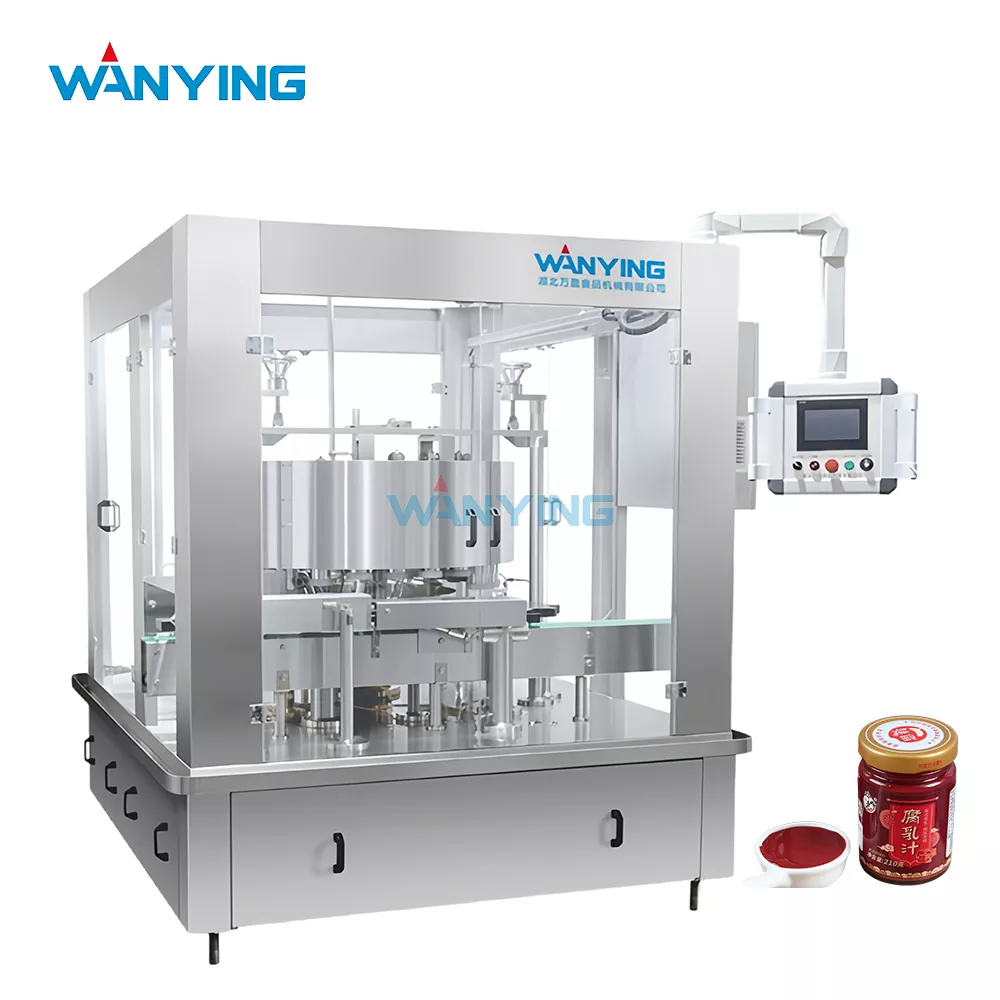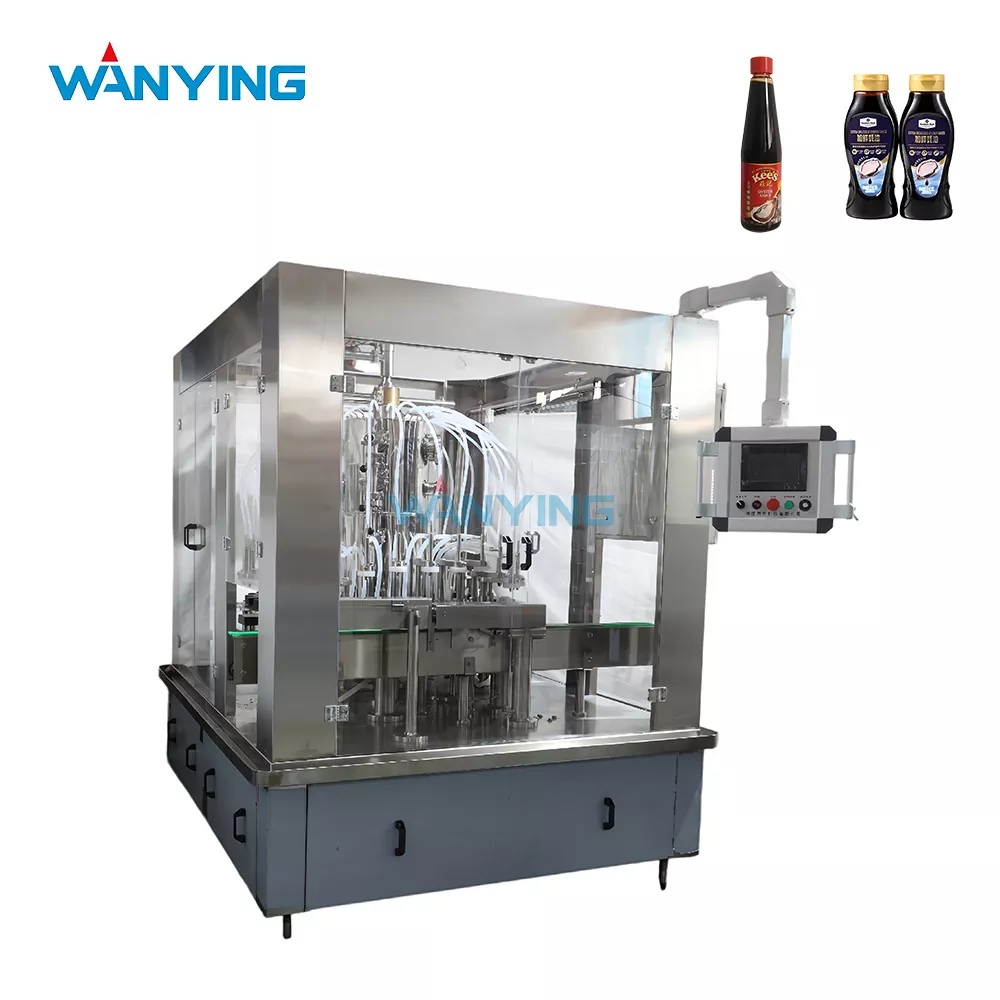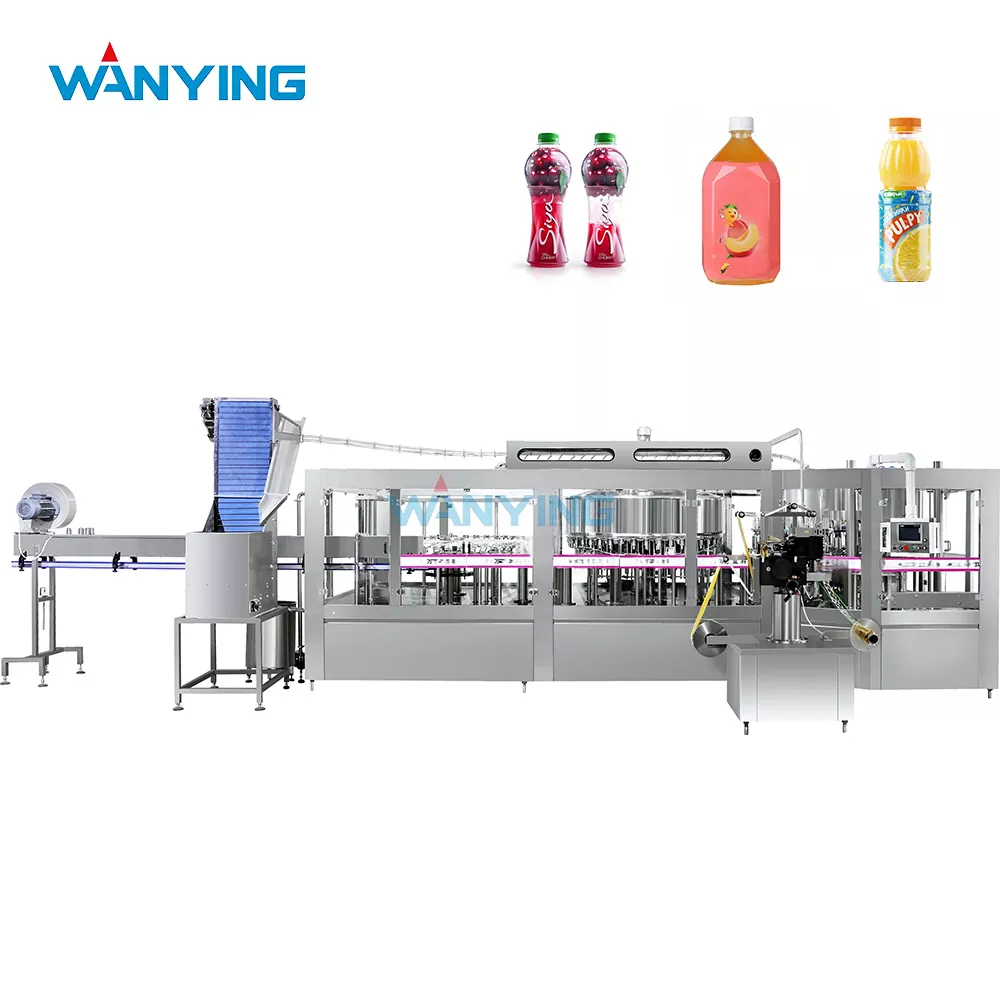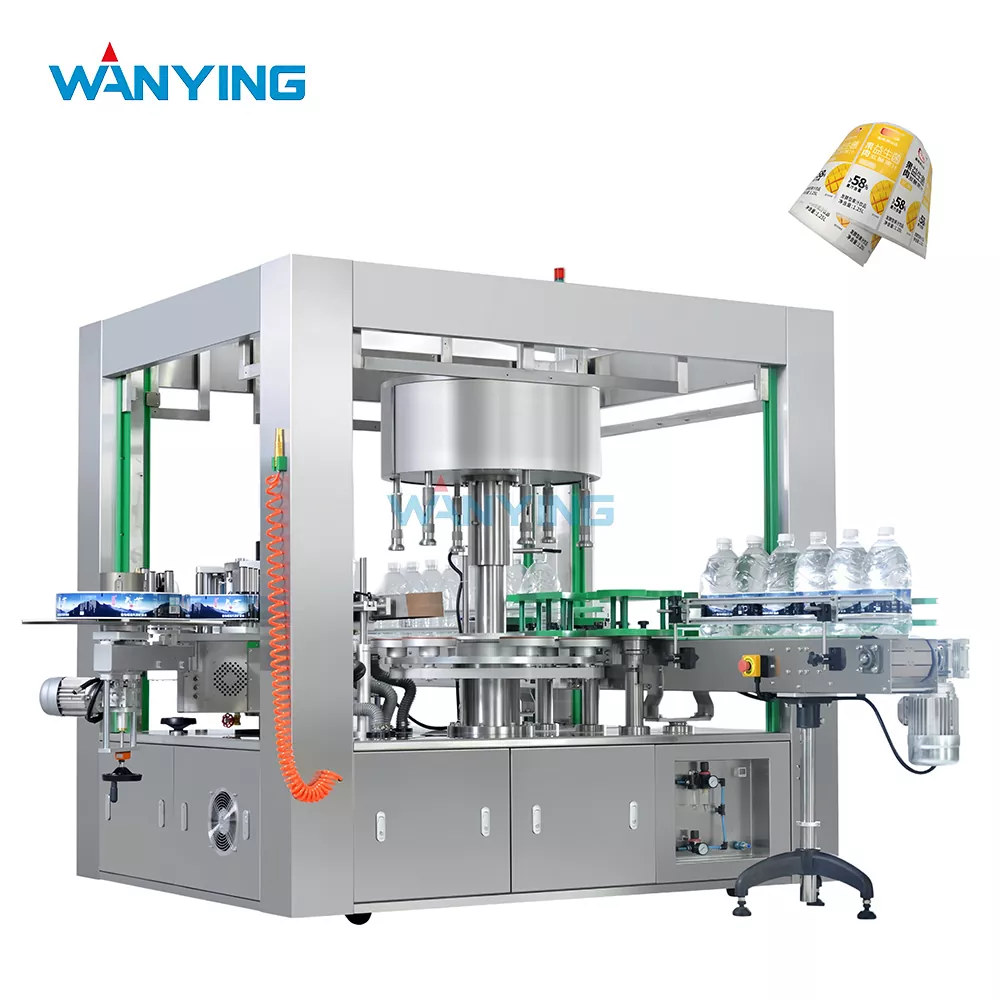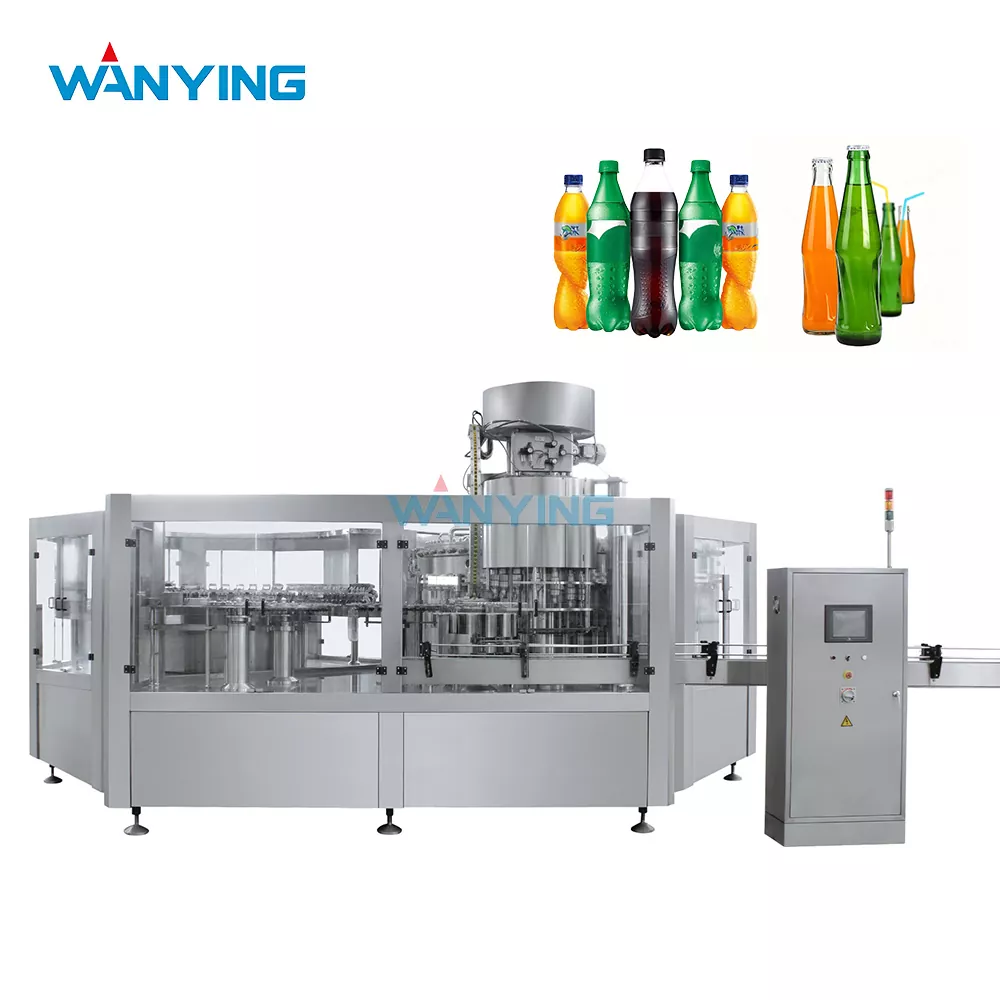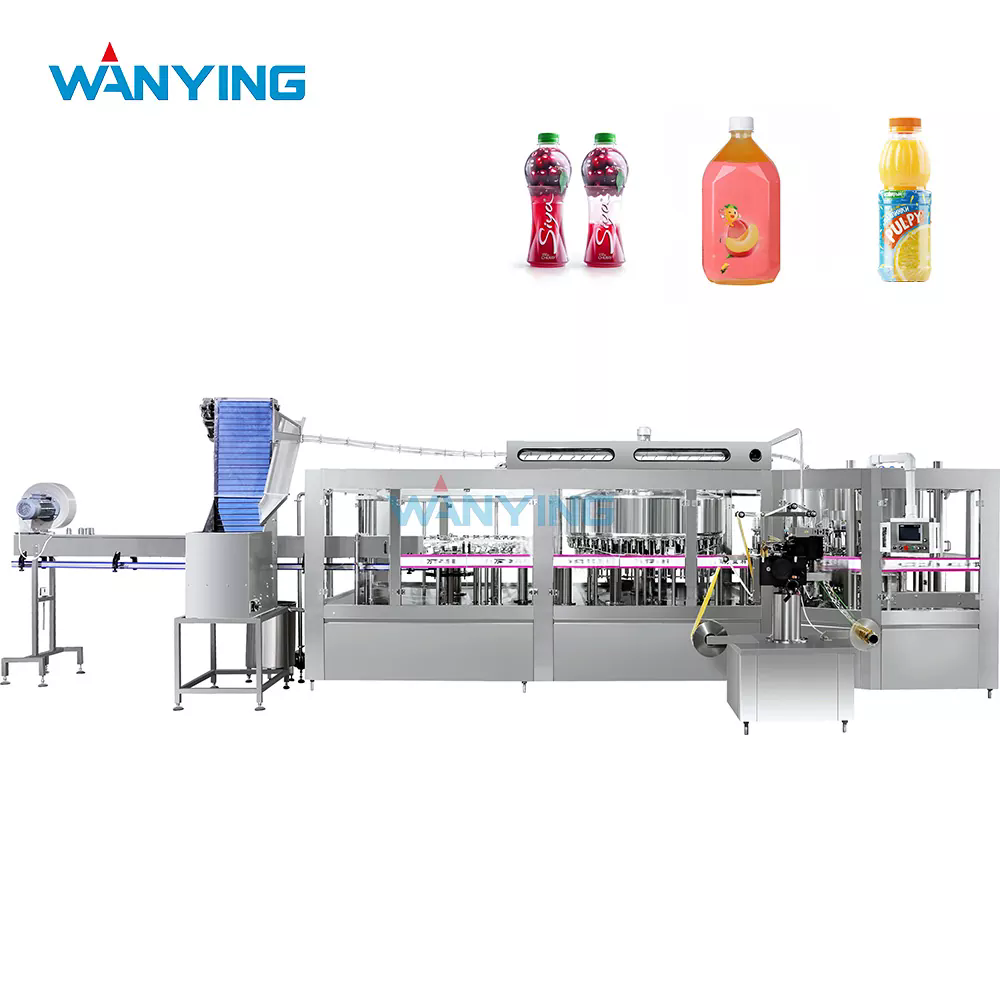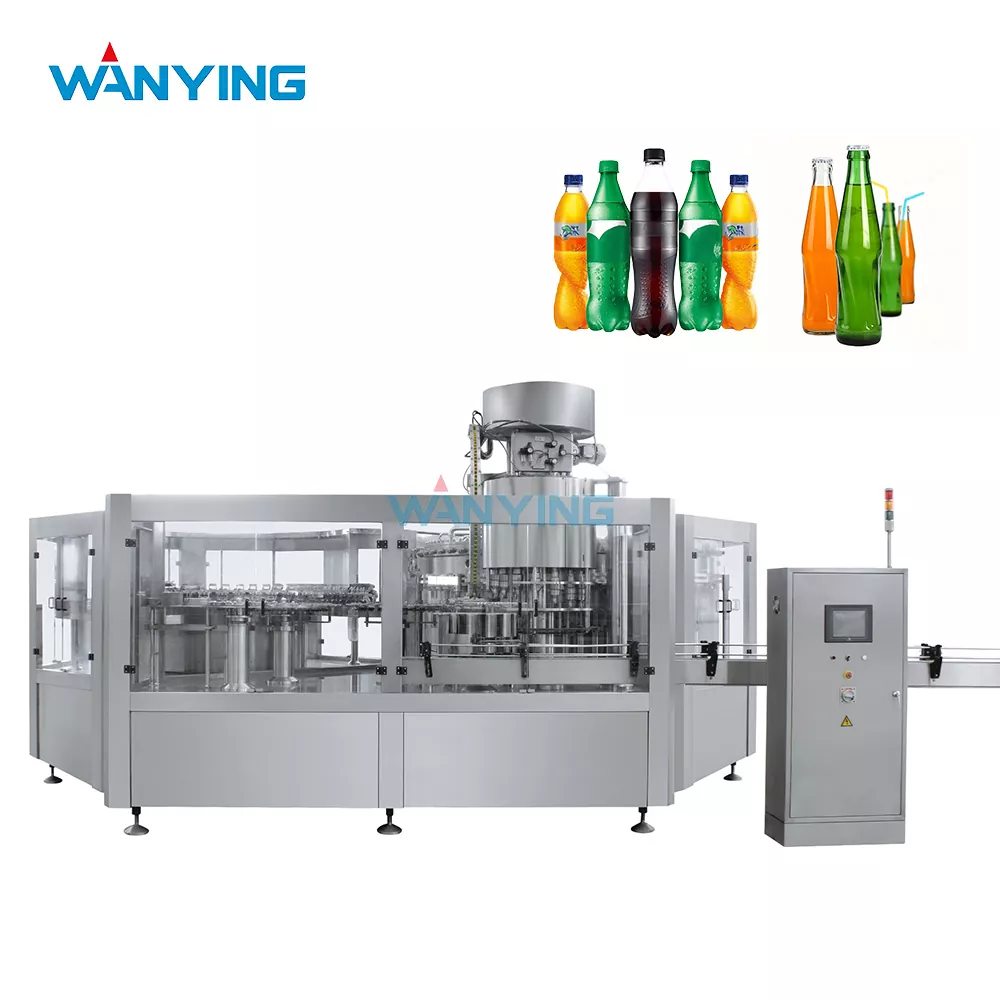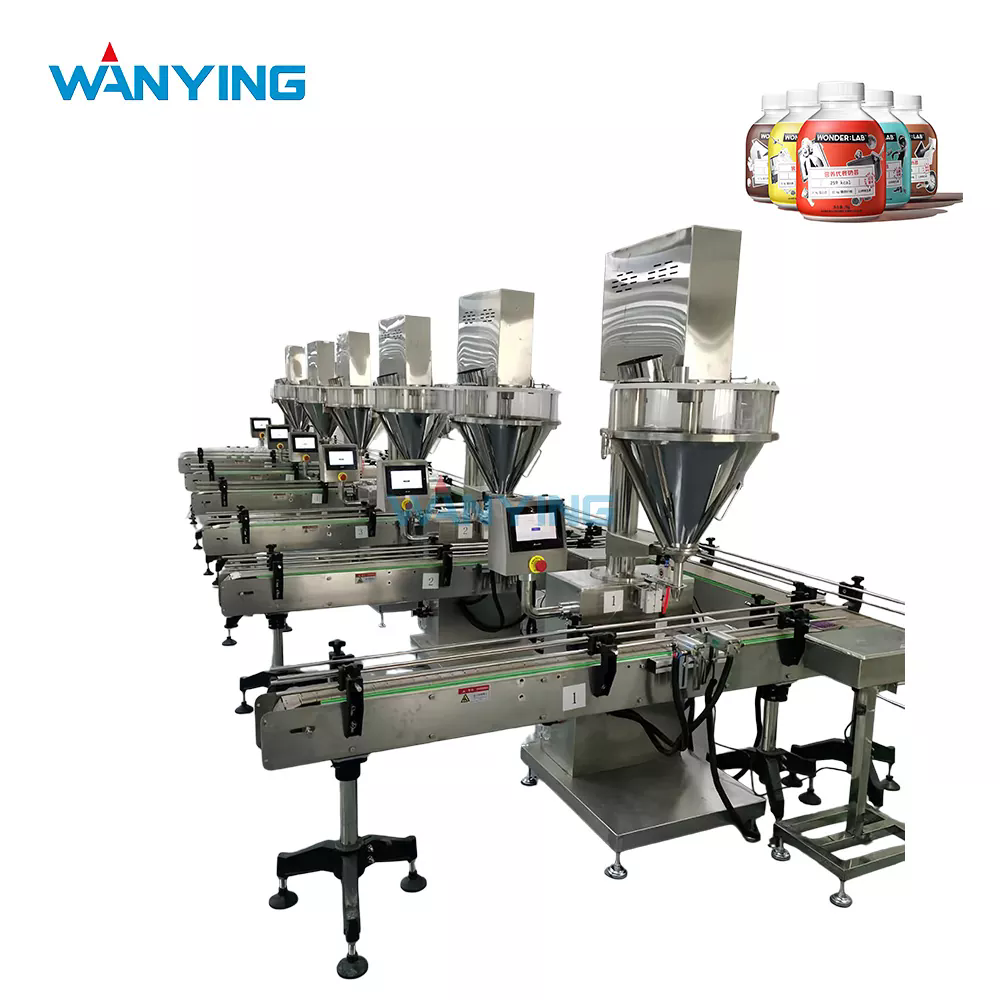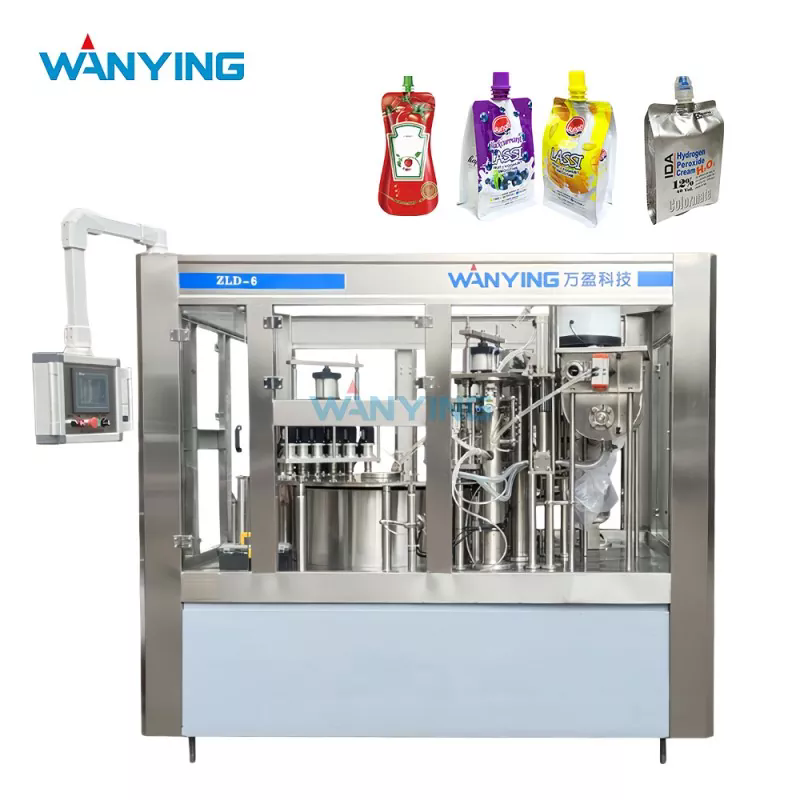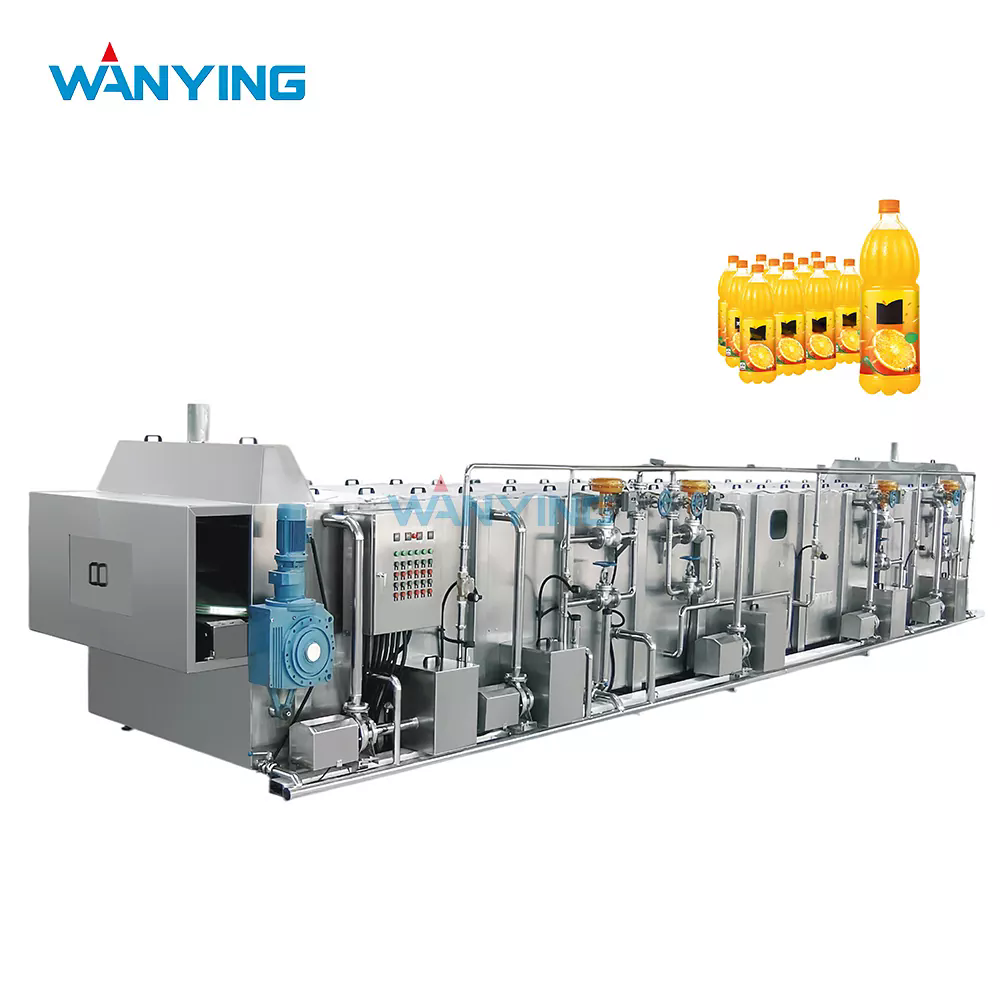
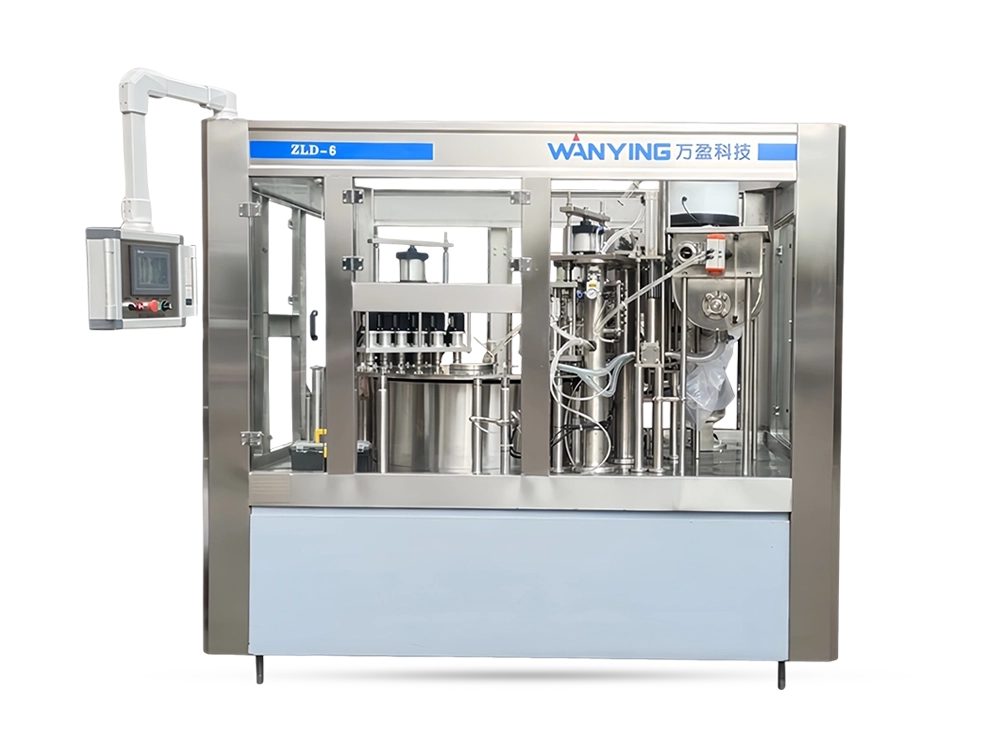
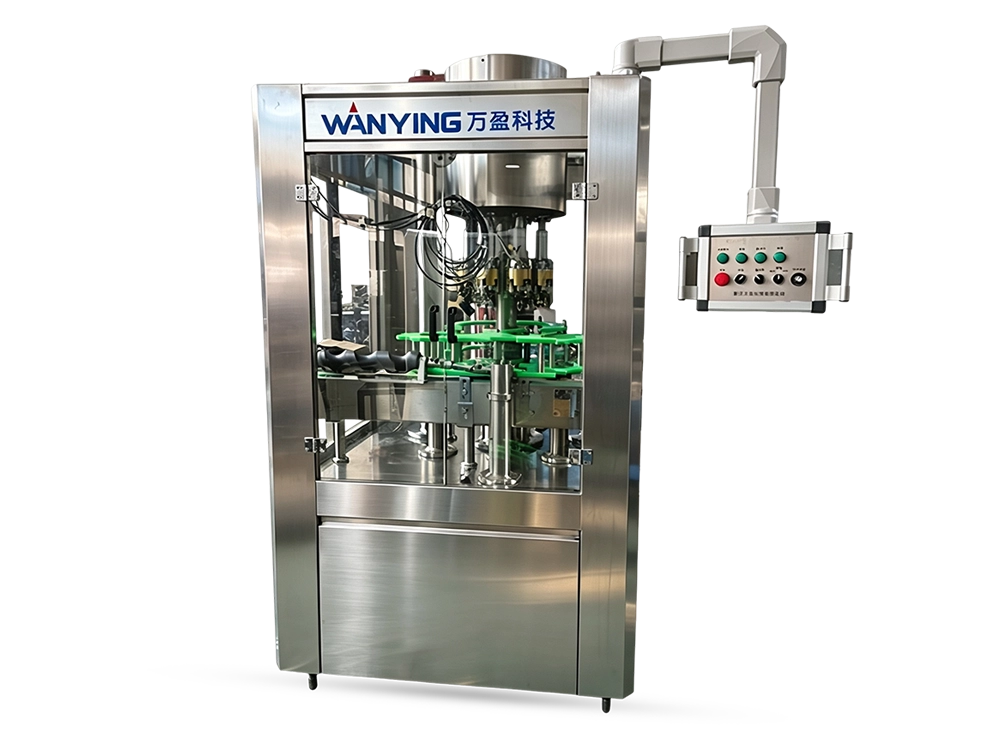
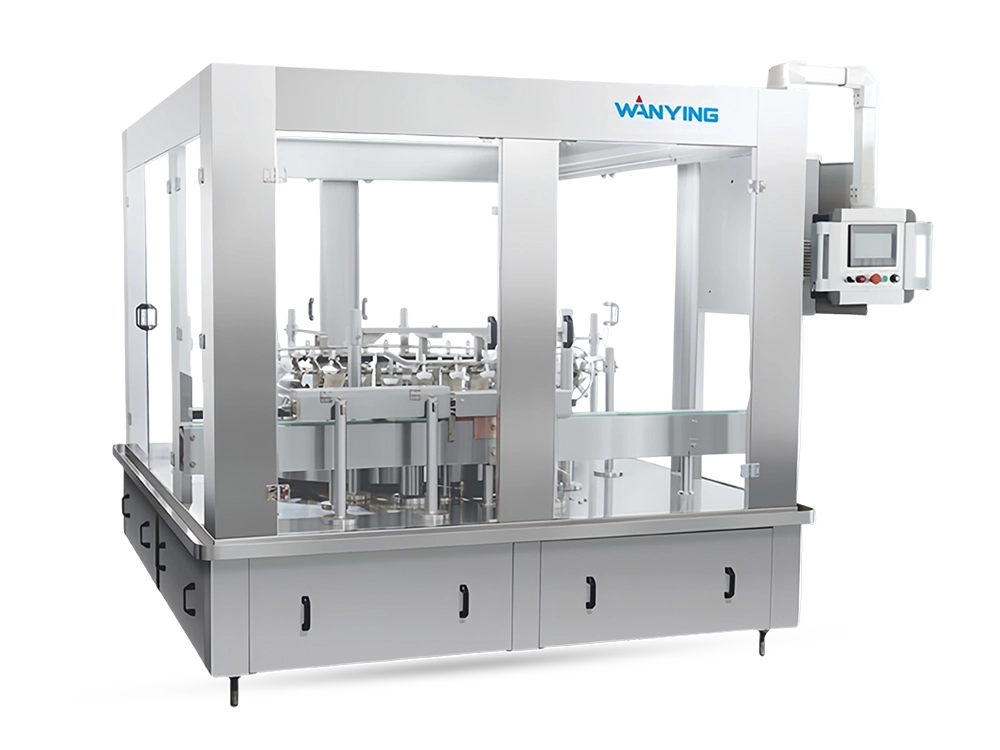
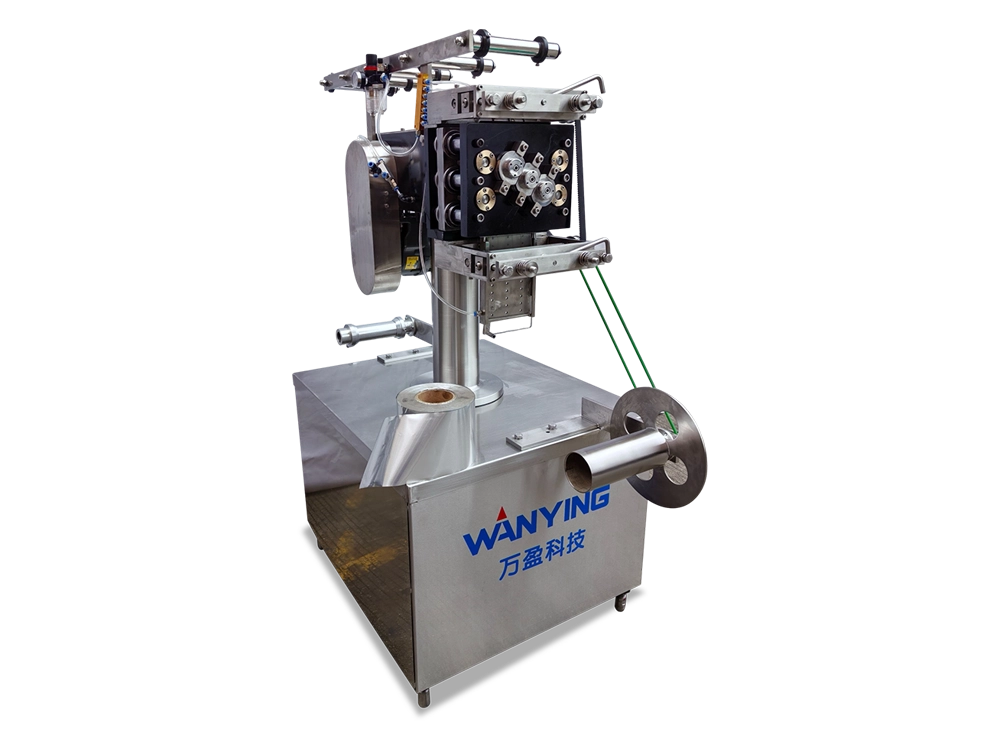
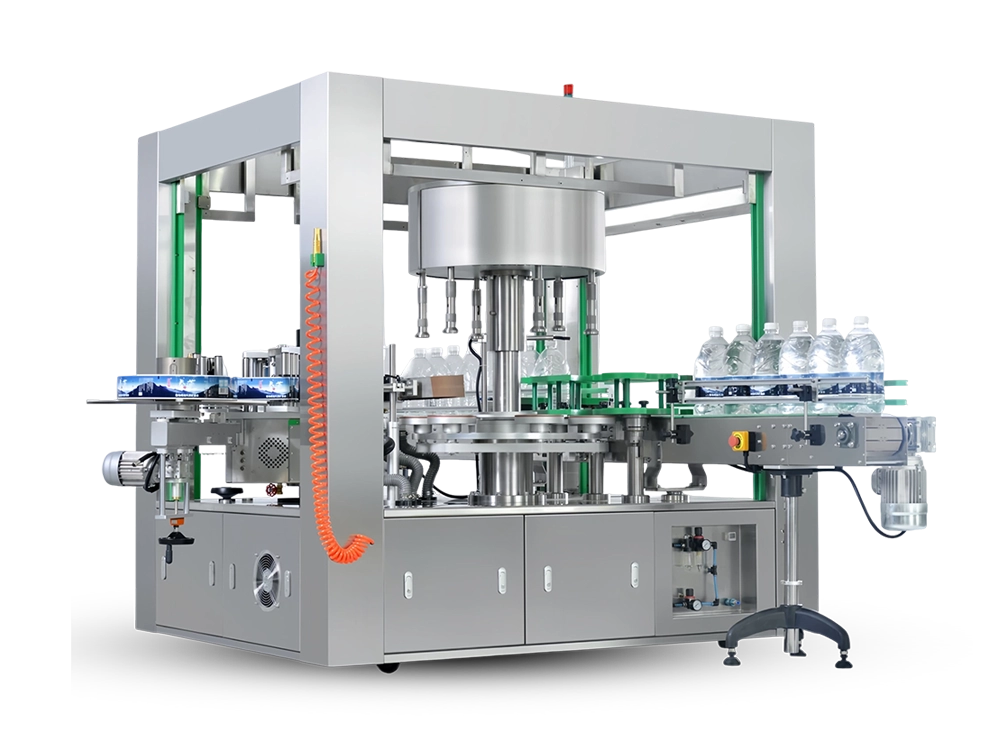

Wanying provides a purpose-built Carbonated Beverage Filling Machine for beverage manufacturers seeking stable, accurate, and scalable filling performance. With a capacity of 2,000–12,000 bottles per hour, the system supports 200–2,000 ml PET and glass bottles while maintaining filling accuracy of up to ±1%.
Carbonated beverages require more than conventional liquid filling technology because pressure, CO₂ retention, foaming, bottle compatibility, and filling consistency directly affect product quality and production costs. A properly configured filling system can help manufacturers control these variables while increasing throughput and reducing product loss. This guide explains how a modern carbonated beverage filling machine works, what technical specifications matter, how it can be integrated into an automated production line, and what manufacturers should evaluate before purchasing equipment.
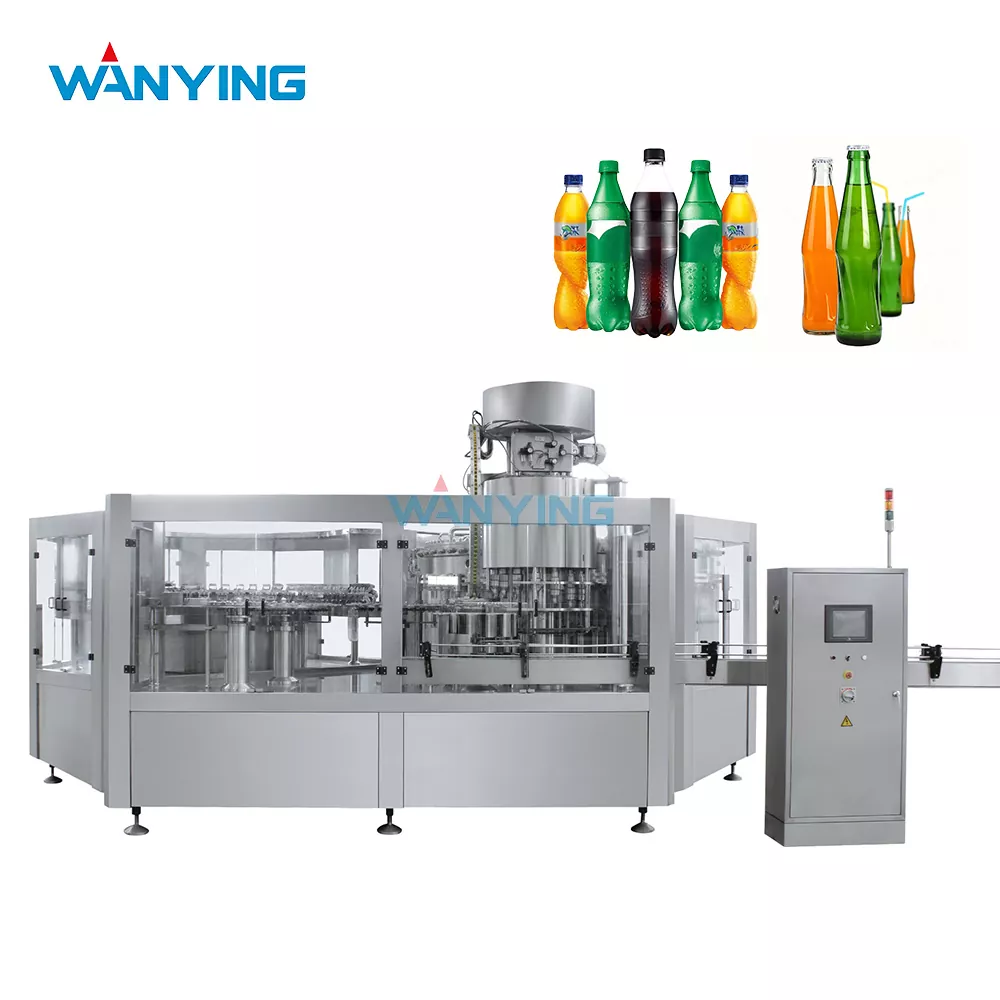
Table of Contents
- Why Is Specialized Filling Equipment Important for Carbonated Beverages?
- What Are the Key Specifications to Evaluate?
- How Does the Machine Improve Production Efficiency?
- How Can It Be Integrated Into a Complete Beverage Line?
- What Quality Control Measures Matter Before Delivery?
- What Beverages and Production Scenarios Can It Handle?
- Frequently Asked Questions
Why Is Specialized Filling Equipment Important for Carbonated Beverages?
Filling carbonated drinks presents different technical challenges from filling still water, juice, sauces, or other non-carbonated liquids. Carbon dioxide dissolved in the beverage can escape when pressure conditions change too quickly. Excessive foaming can then result in inconsistent fill levels, product waste, slower production, and more frequent cleaning requirements.
A specialized carbonated filling system is designed around pressure management and controlled filling conditions. Wanying's equipment uses an optimized constant-pressure filling process intended to maintain stability and reduce CO₂-related filling problems. The approach is particularly useful for manufacturers producing soda, sparkling water, flavored carbonated drinks, and other pressurized beverages.
For buyers comparing a carbonated beverage filling machine, several factors should therefore be considered together rather than evaluating speed alone:
- Filling accuracy and repeatability
- Pressure stability during filling
- Control of foaming and product loss
- Compatibility with PET and glass containers
- Production capacity and future expansion requirements
- Food-contact material and sanitation requirements
- Ease of integration with upstream and downstream equipment
What Are the Key Specifications to Evaluate?
Technical specifications provide a practical starting point when selecting beverage filling equipment. The appropriate configuration depends on beverage characteristics, bottle format, target output, factory layout, and planned production growth.
| Parameter | Wanying Specification | Production Consideration |
|---|---|---|
| Filling Capacity | 2,000–12,000 bottles/hour | Suitable for different production scales |
| Bottle Volume | 200–2,000 ml | Supports multiple beverage formats |
| Filling Accuracy | ≤ ±1% | Helps maintain consistent product volume |
| Bottle Type | PET / Glass | Flexible packaging compatibility |
| Contact Material | SUS304 / SUS316L optional | Suitable for food and beverage applications |
| Control System | PLC + Touch Screen | Supports convenient parameter management |
| Applicable Products | Soda, sparkling water, flavored beverages | Designed for carbonated liquid products |
The capacity range is especially important when planning an investment. A smaller beverage producer may not need maximum output, while an established manufacturer supplying multiple distribution channels may require a higher-speed configuration. Selecting a machine based on realistic demand can help avoid unnecessary capital expenditure and unused production capacity.
How Does the Machine Improve Production Efficiency?
1. Controlled Filling Reduces Product Loss
Foaming is one of the most common problems associated with carbonated beverage filling. Stable pressure management helps control the filling process and can reduce overflow caused by excessive foaming. Better control means less beverage is lost during high-volume production.
2. Consistent Filling Supports Product Quality
Consistent fill volume is important for both consumer expectations and production economics. A target accuracy of up to ±1% helps manufacturers maintain more uniform bottle contents across continuous production runs.
3. Flexible Bottle Compatibility Simplifies Product Planning
Supporting PET and glass bottles from 200 ml to 2,000 ml allows manufacturers to develop different product sizes without necessarily investing in completely separate filling systems. Physical guide adjustments and touchscreen parameter changes can support format changes when the machine is configured for the required bottle range.
4. Automation Reduces Repetitive Manual Operations
When the filling machine is connected with bottle handling, capping, labeling, coding, and packing equipment, many repetitive production steps can be automated. This can reduce dependence on manual bottle transfer and improve line consistency.
How Can It Be Integrated Into a Complete Beverage Line?
A filling machine is normally only one part of a modern carbonated beverage production line. A modular configuration allows manufacturers to select supporting equipment according to their current production requirements and future expansion plans.
A typical automated line may include the following stages:
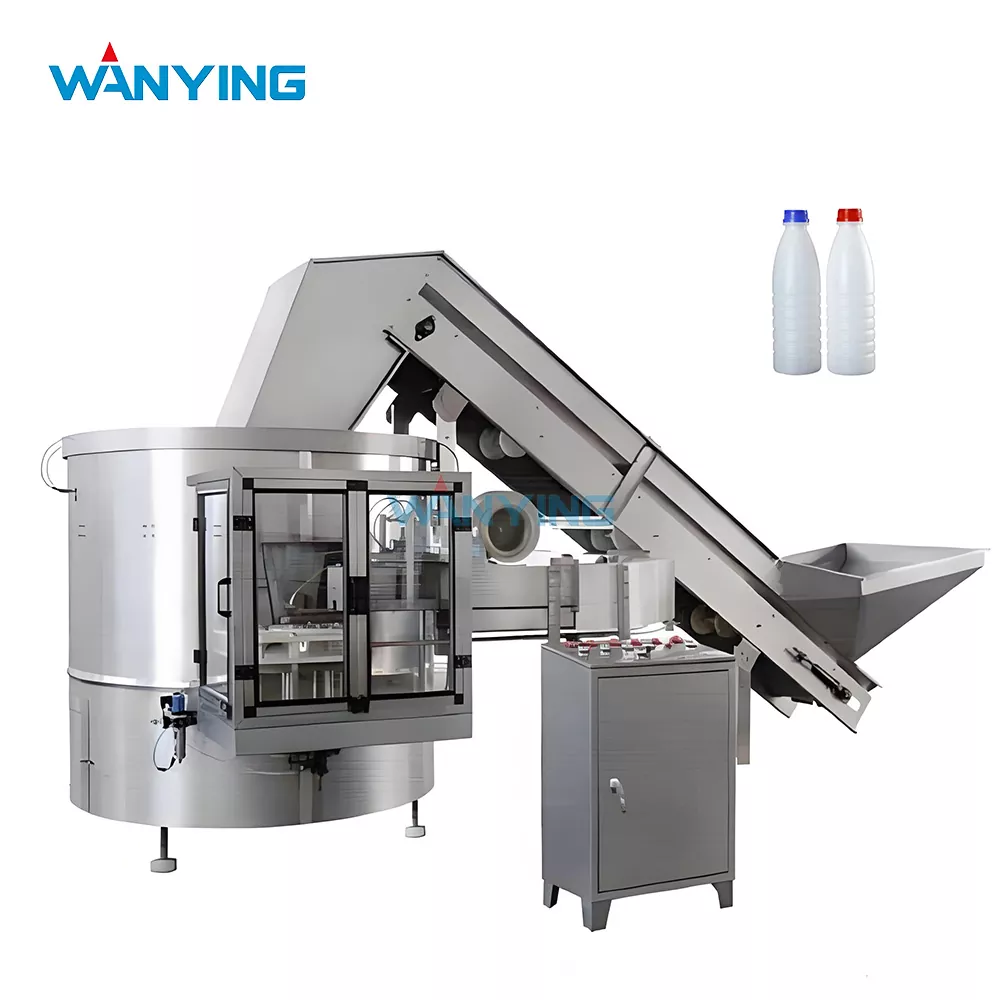
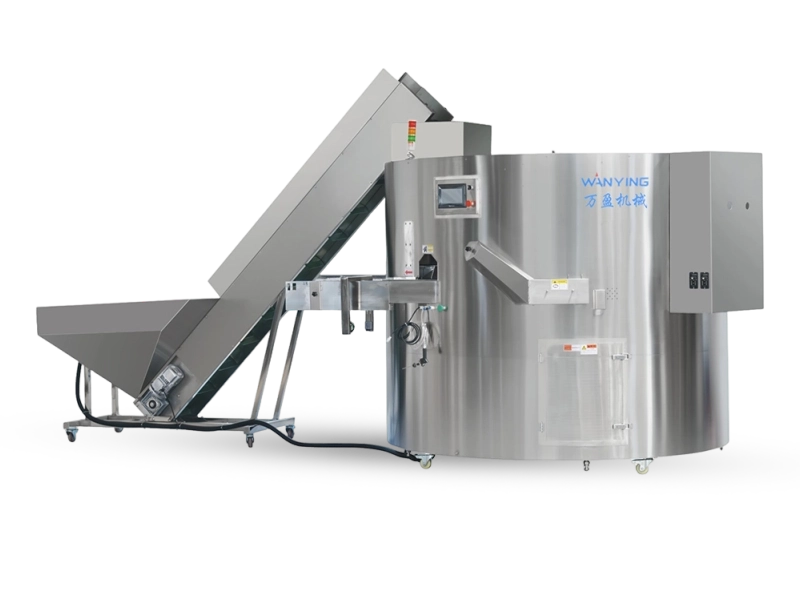
- Bottle handling: A bottle unscrambler organizes empty containers before production.
- Rinsing or washing: Bottles are prepared according to the required sanitation process.
- Carbonated beverage filling: The filling unit controls the beverage filling process under appropriate pressure conditions.
- Capping: Filled bottles are immediately sealed to protect product quality.
- Coding: Production dates, batch numbers, or other information can be printed automatically.
- Labeling: Sleeve or self-adhesive labeling equipment can be added according to packaging requirements.
- Case packing: Finished bottles can be automatically grouped and packed for storage or distribution.
This modular approach can also support phased investment. A manufacturer may begin with the core filling equipment and subsequently add auxiliary machinery as production volume increases. This provides a practical route for factories that need automation but want to control initial investment.
What Quality Control Measures Matter Before Delivery?
Equipment performance depends not only on machine design but also on manufacturing and testing procedures. For industrial beverage equipment, quality assurance should cover components, machining, assembly, pressure-related systems, electrical controls, and final production simulation.
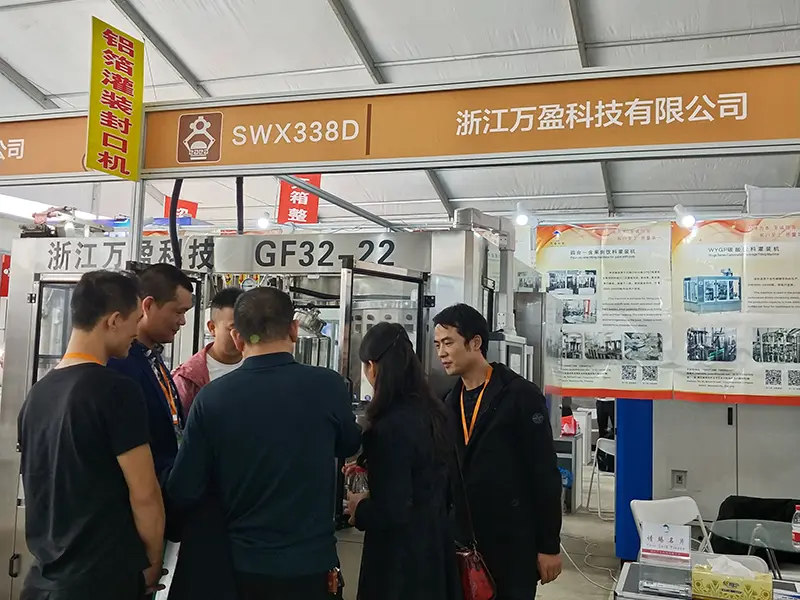
Wanying operates a 3,000 m² standardized production workshop covering machining, assembly, and factory testing. The company states that it has served more than 1,300 clients and holds multiple proprietary filling-equipment patents. Its published quality process includes incoming component inspection, CNC precision machining, assembly checks, and continuous full-load testing before shipment.
- Component inspection: Electrical, pneumatic, stainless-steel, and other critical components are checked before assembly.
- Precision machining: Beverage-contact components are precision-machined to help maintain dimensional consistency.
- Assembly inspection: Sealing, wiring, transmission, and other key systems are checked after assembly.
- Production simulation: Equipment can undergo continuous testing under simulated production conditions before shipment.
- Pre-shipment preparation: Machines are cleaned and protected before packaging and transportation.
For international buyers, these processes are valuable because they provide measurable checkpoints before equipment leaves the factory. Buyers should also confirm the expected bottle format, beverage characteristics, output target, utilities, installation conditions, and acceptance criteria before finalizing an equipment configuration.
What Beverages and Production Scenarios Can It Handle?
The equipment is designed for a broad range of carbonated beverage applications. Its configuration can be adapted according to the beverage formulation, bottle material, container size, and required output.
| Application | Typical Production Requirement | Relevant Equipment Feature |
|---|---|---|
| Sparkling Water | High-volume, consistent filling | Pressure-controlled filling |
| Fruit-Flavored Soda | Flexible bottle and volume options | 200–2,000 ml range |
| Cola-Style Drinks | Continuous automated production | 2,000–12,000 bottles/hour |
| Functional Sparkling Drinks | Controlled filling and hygienic contact surfaces | SUS304 / SUS316L options |
| Specialty Carbonated Beverages | Multiple specifications and scalable production | Modular line configuration |
For small and medium-sized beverage factories, a lower-capacity configuration can provide a practical starting point. Larger manufacturers can select higher-speed equipment and integrate bottle washing, capping, labeling, coding, and case packing to create a more comprehensive automated production line.
Frequently Asked Questions
1. What types of beverages can a carbonated beverage filling machine fill?
It is designed for carbonated liquid products such as sparkling water, soda, fruit-flavored carbonated drinks, and functional sparkling beverages. Non-carbonated products that do not require pressurized filling are generally outside its intended application.
2. Can the machine handle both PET and glass bottles?
Yes. The published Wanying configuration supports both PET and glass bottles. The specific machine setup should be confirmed according to bottle dimensions, neck specifications, volume, and production requirements.
3. What bottle sizes can the equipment support?
The stated bottle volume range is 200–2,000 ml. Format changes can be supported through appropriate mechanical adjustments and filling-parameter settings, depending on the final machine configuration.
4. Can I buy the filling machine separately instead of purchasing a complete line?
Yes. The filling unit can be purchased as a standalone machine. For factories seeking higher automation, it can also be integrated with bottle unscramblers, washing equipment, capping machines, coding systems, labeling machines, and automatic case packers.
5. Can the production capacity be customized?
Yes. Wanying states that its equipment covers approximately 2,000–12,000 bottles per hour and can be configured according to production requirements. Capacity planning should consider daily output, bottle size, beverage characteristics, operating hours, and future demand.
6. What should buyers prepare before requesting a quotation?
Provide the beverage type, bottle material, bottle volume, bottle drawings or dimensions, target bottles per hour, factory layout, available utilities, and desired level of automation. More complete information enables the manufacturer to recommend a more suitable configuration.
Conclusion
Choosing the right carbonated beverage filling system requires more than comparing headline production speed. Pressure control, filling accuracy, bottle compatibility, hygienic materials, quality inspection, modular integration, and after-sales support all influence long-term production performance. With configurations from 2,000 to 12,000 bottles per hour, PET and glass compatibility, 200–2,000 ml bottle support, and options for integrated automation, Wanying provides a scalable solution for different carbonated beverage production requirements. If you are planning a new beverage line or upgrading an existing facility, contact us to discuss your bottle specifications, production target, and automation requirements and request a customized filling-line proposal.