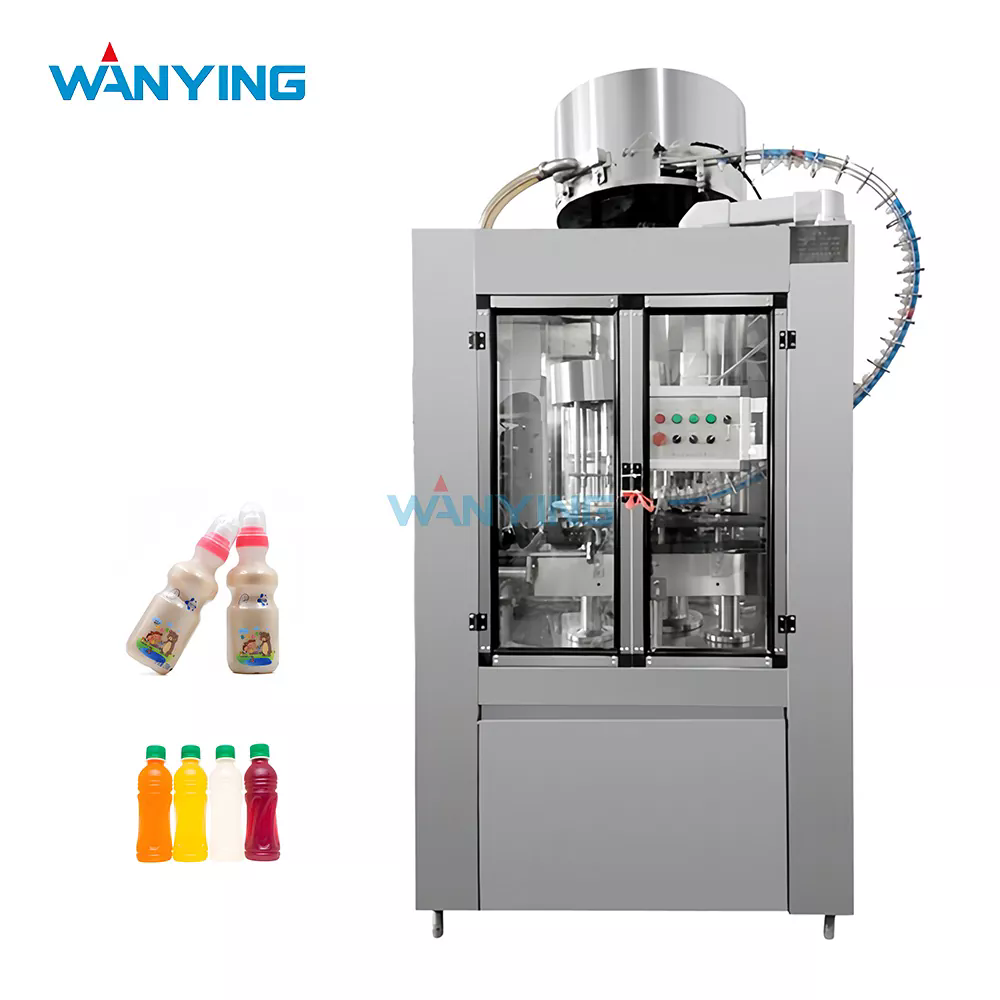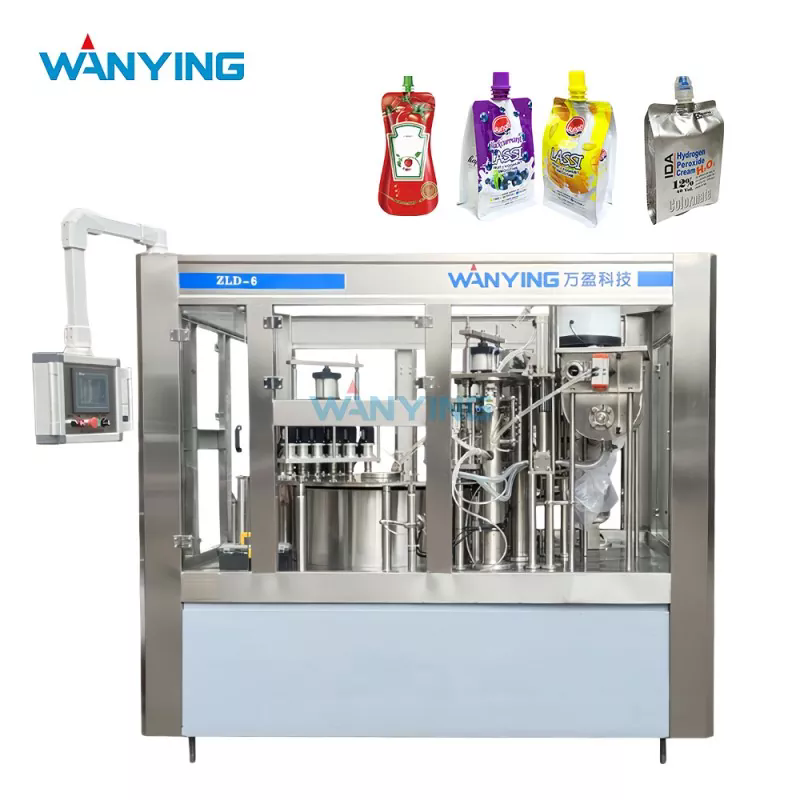
In modern manufacturing, packaging speed, sealing reliability, and production consistency directly influence product quality and business competitiveness. A capping machine plays an essential role in automated packaging lines by ensuring bottles, containers, and packages are securely sealed with high precision. This article explains how a capping machine improves packaging efficiency, solves common production challenges, and helps manufacturers achieve stable output.
With advanced automation technology, companies like Wanying provide reliable capping solutions designed for different industries, including food and beverage, cosmetics, pharmaceuticals, and daily chemical products. Understanding how these machines work and how they address operational problems can help manufacturers select the right equipment for their production requirements.
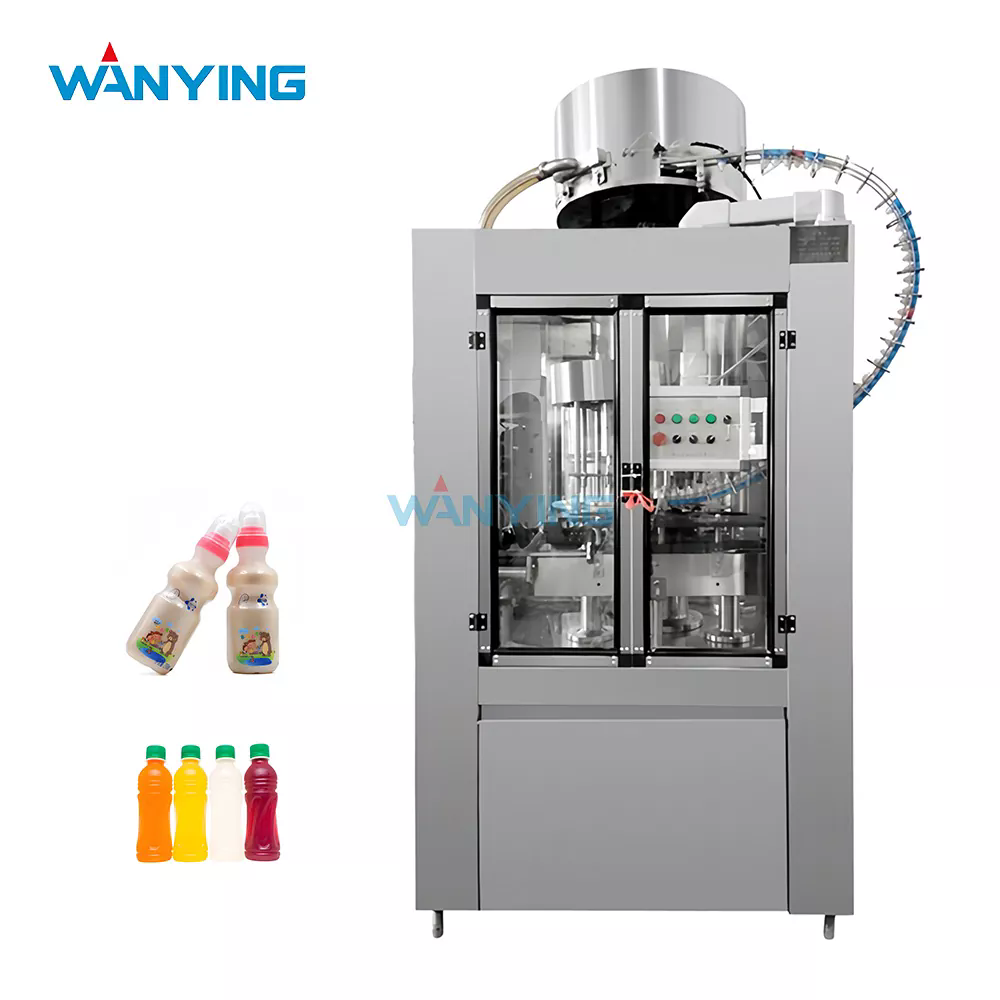
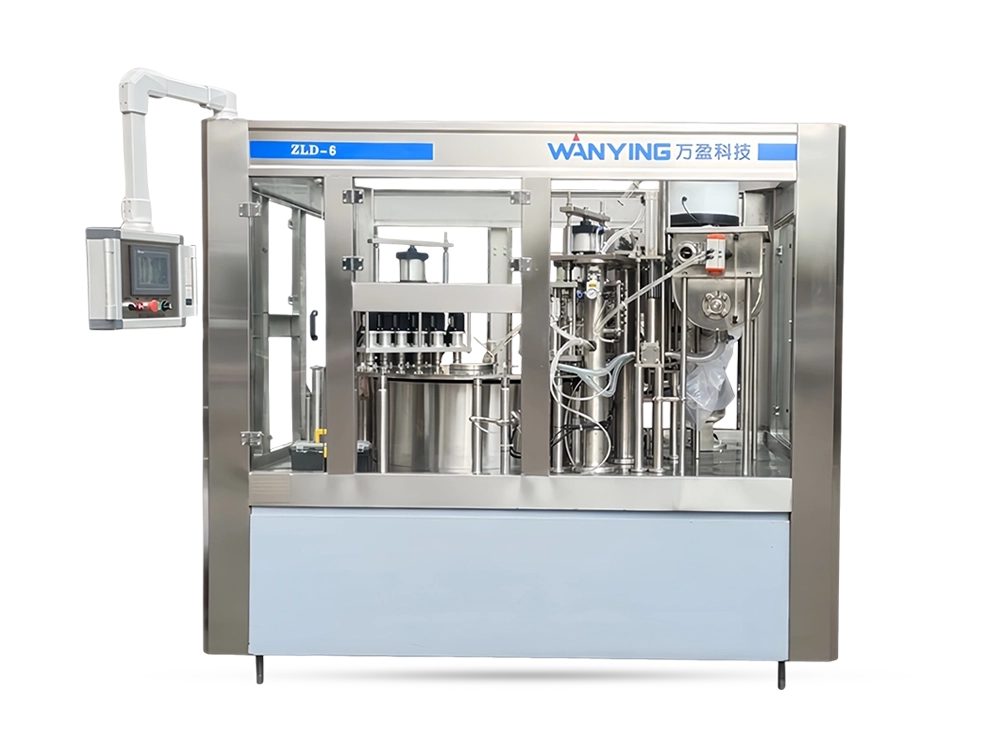
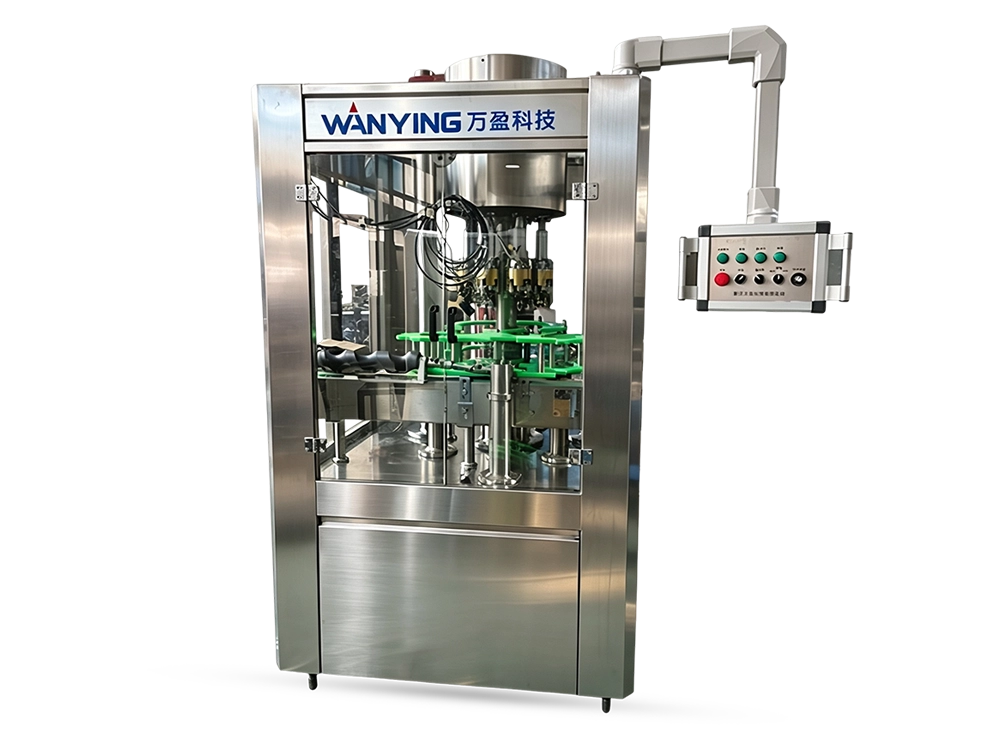
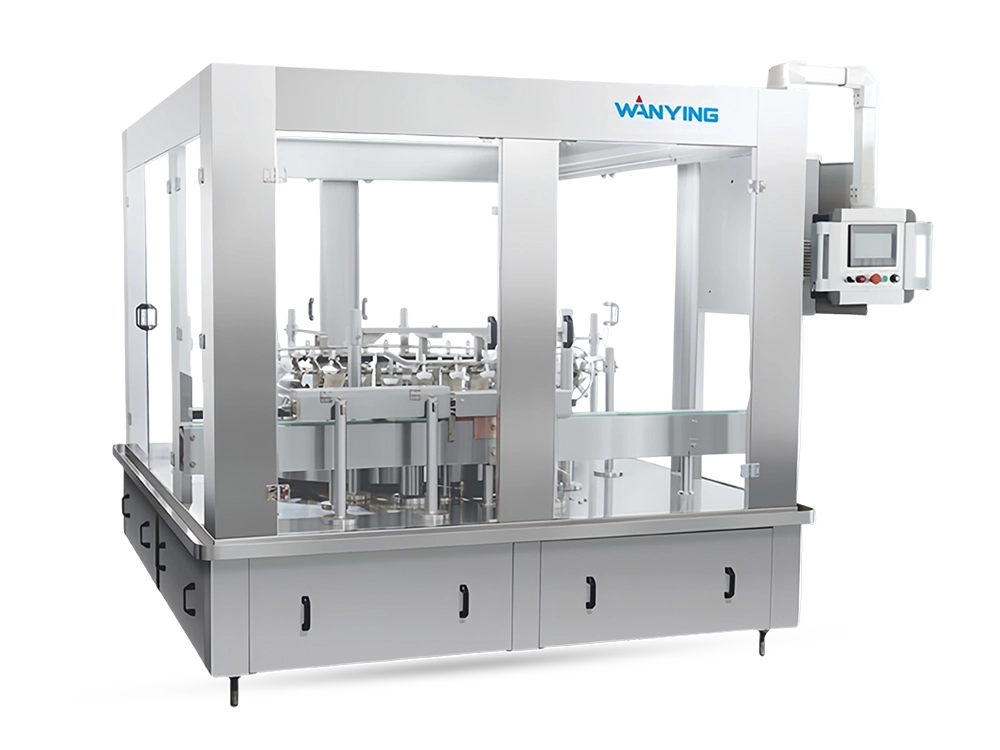
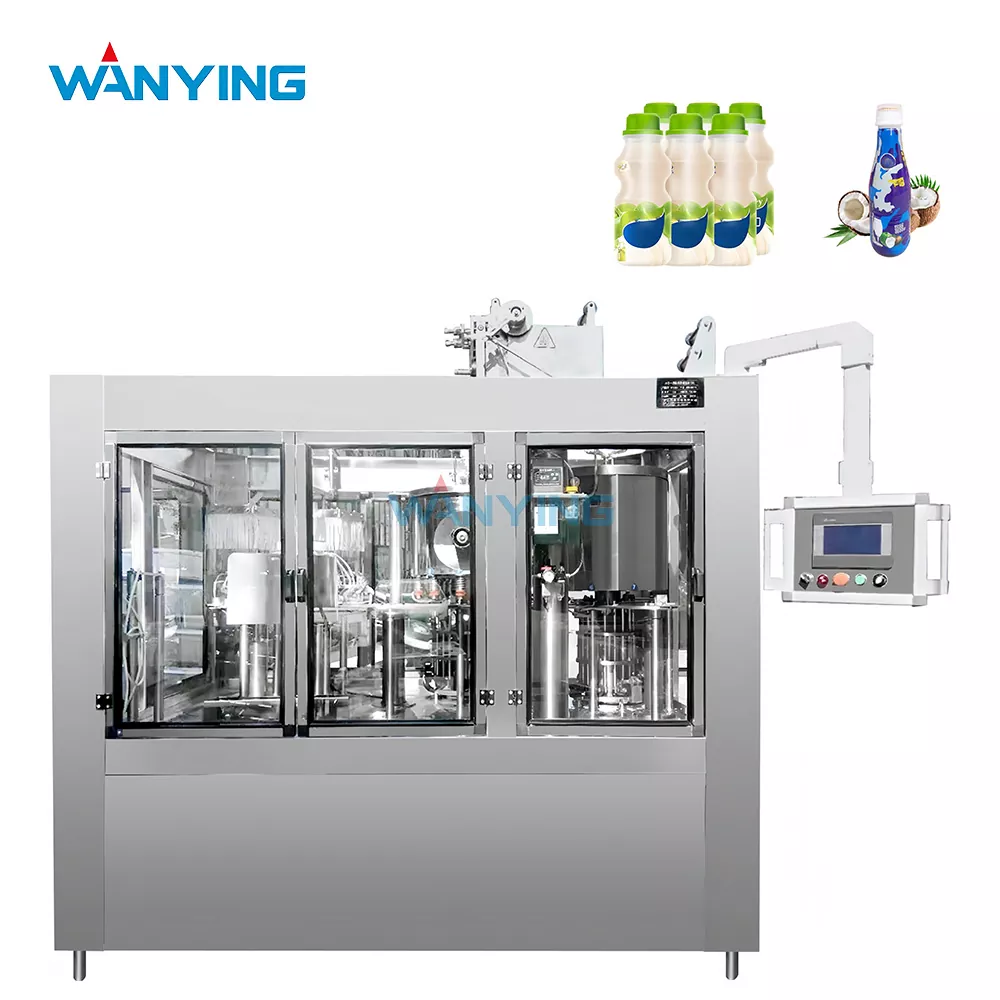
A capping machine is an automated packaging device designed to place and tighten caps, lids, or closures onto containers. It is widely used in industries where secure sealing is essential, such as beverages, food processing, medicine, cosmetics, and household chemicals.
Unlike manual capping operations, which depend heavily on worker experience and physical effort, a modern capping machine uses mechanical systems, sensors, and control technology to complete the sealing process with consistent performance.
The main purpose of a capping machine is not only to close containers but also to improve production efficiency, reduce human errors, and maintain uniform sealing quality. For manufacturers handling large production volumes, automated capping equipment has become an important part of complete packaging solutions.
| Feature | Manual Capping | Capping Machine |
|---|---|---|
| Production Speed | Limited by operator ability | High-speed continuous operation |
| Sealing Accuracy | May vary between workers | Stable and precise torque control |
| Labor Requirement | Requires more operators | Reduces manual workload |
| Production Stability | Affected by fatigue | Maintains consistent performance |
Packaging efficiency depends on several factors, including production speed, sealing quality, labor costs, and equipment reliability. A capping machine improves these areas through automation and precise control.
Wanying develops packaging machinery solutions that focus on improving production performance and helping manufacturers achieve smoother packaging processes. By integrating accurate mechanical structures and intelligent control systems, modern capping machines provide significant advantages compared with traditional manual methods.
One of the biggest advantages of a capping machine is its ability to significantly increase production speed. In manual packaging operations, workers must repeatedly position caps and tighten them by hand. This process becomes inefficient when production demand increases.
Automated capping equipment can continuously process containers at a stable speed. The machine automatically feeds caps, positions containers, and completes sealing operations without frequent interruptions. This allows manufacturers to increase output while maintaining consistent quality.
A major challenge in packaging is maintaining consistent sealing quality. Loose caps may cause leakage, contamination, or product damage, while excessive tightening can damage containers or caps.
A professional capping machine controls the tightening force through adjustable settings. This ensures every container receives the correct sealing pressure, improving product safety and customer satisfaction.
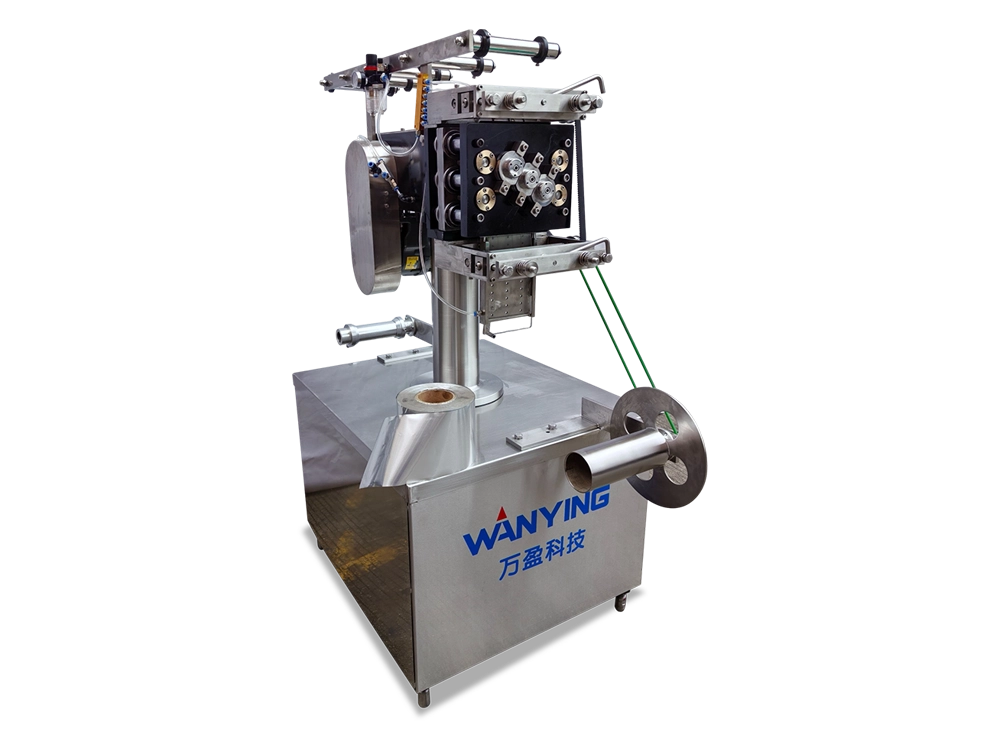
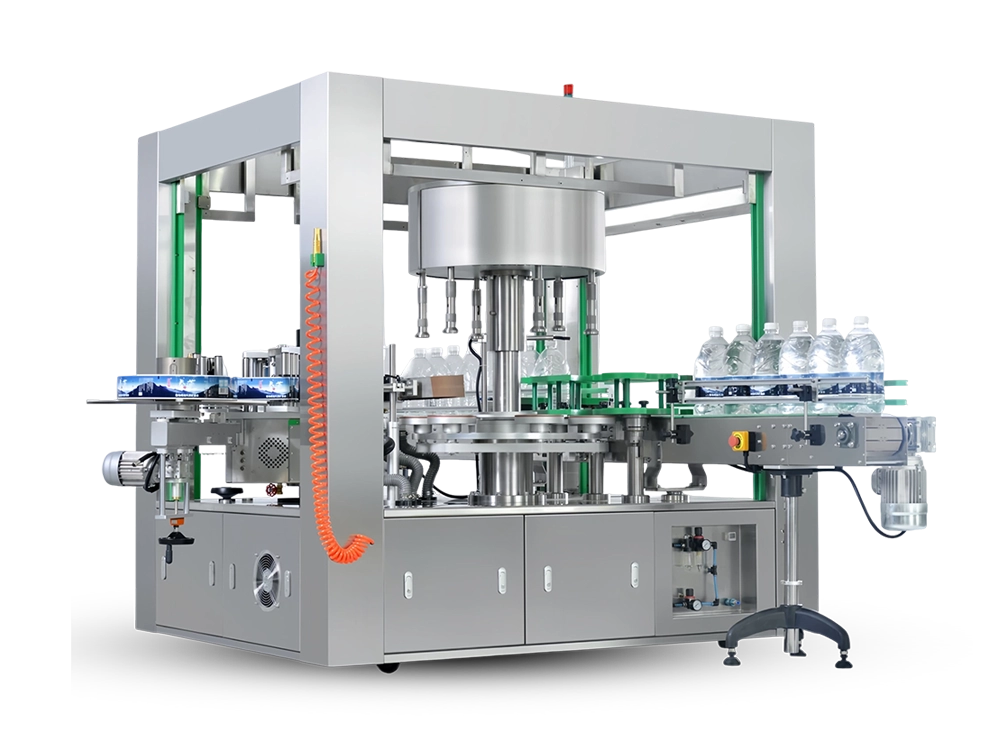
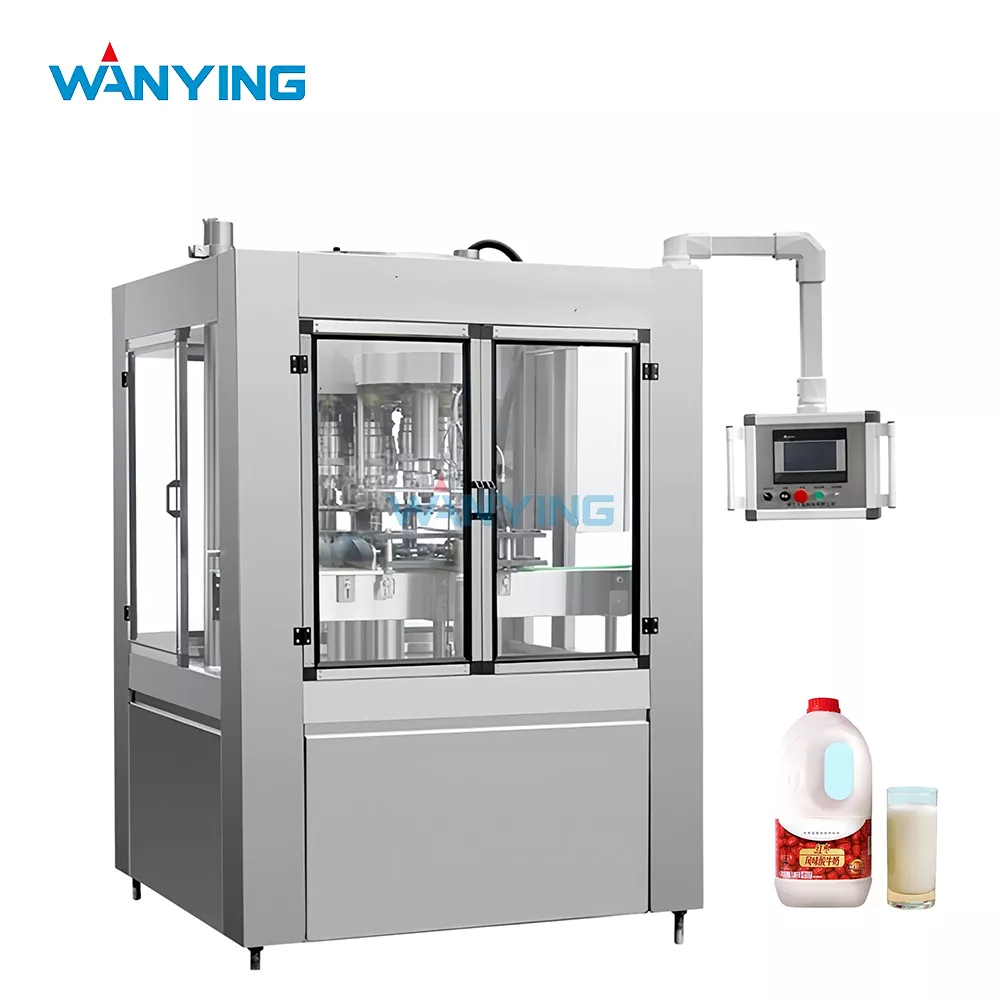
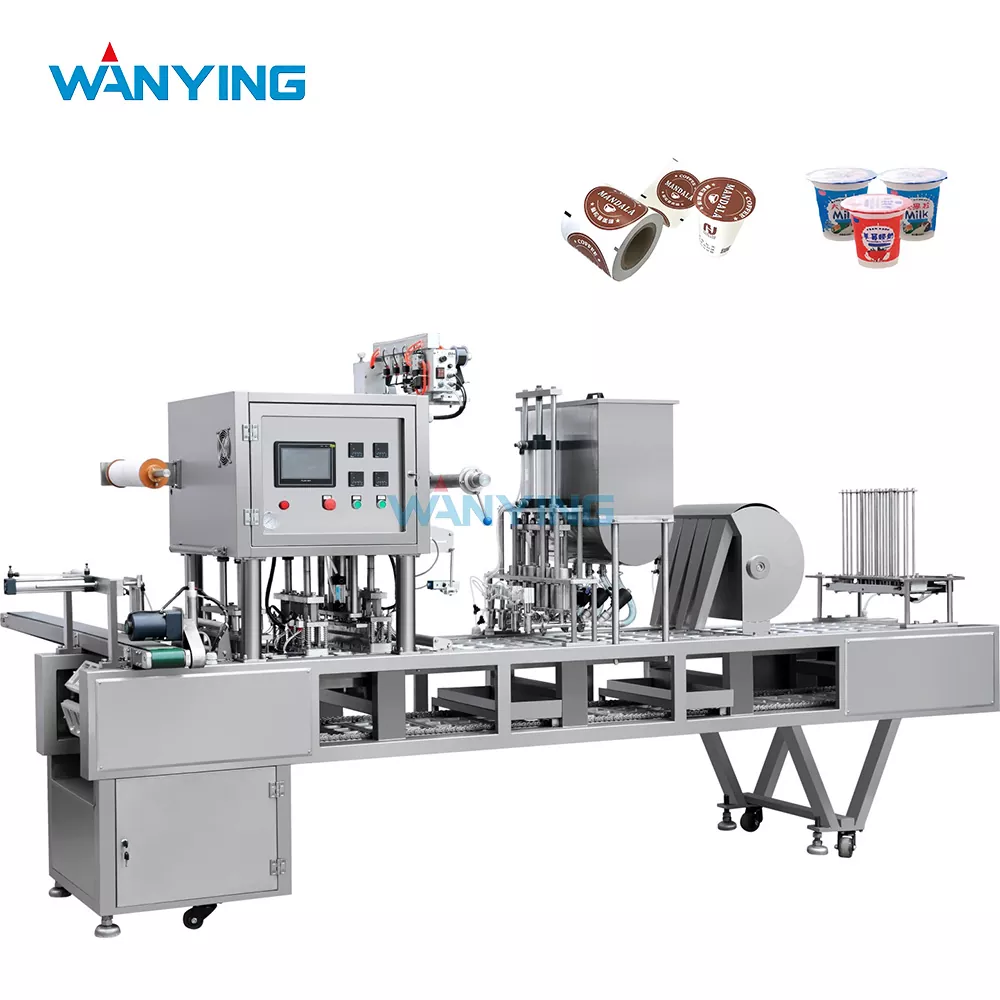
The performance of a capping machine depends on the cooperation of multiple components. Each part contributes to accurate and reliable packaging operations.
| Component | Function |
|---|---|
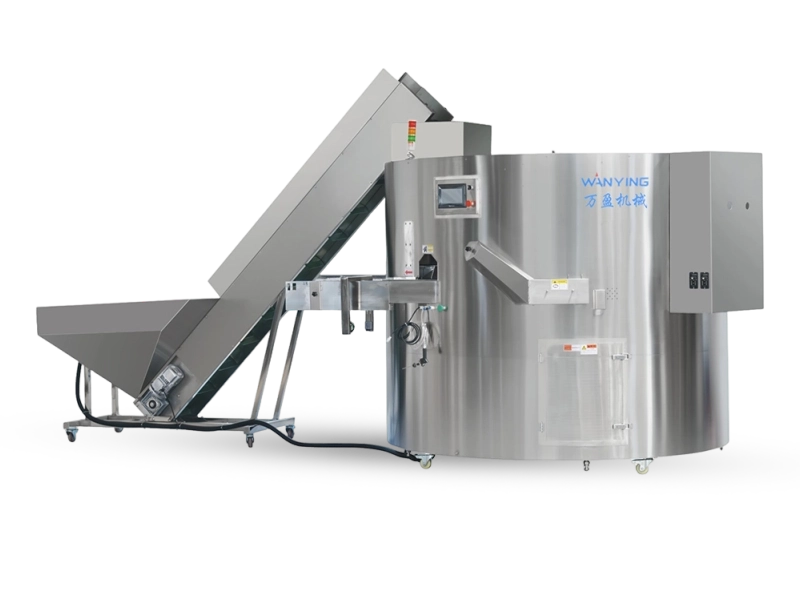
| Cap Feeding System | Automatically supplies caps to the sealing position |
| Capping Head | Applies controlled force to tighten caps |
| Conveyor System | Transfers containers smoothly through the machine |
| Control System | Manages operating parameters and improves accuracy |
| Sensors | Detect container and cap positions |
The combination of these systems allows manufacturers to achieve efficient, stable, and repeatable packaging performance.
Manufacturers often face problems such as inconsistent sealing, high labor costs, production delays, and product leakage. A suitable capping machine can effectively solve these challenges.
For businesses aiming to expand production capacity, investing in reliable capping equipment can provide long-term operational benefits.
Different industries have different packaging requirements, which means manufacturers need capping machines designed for specific container types, cap structures, and production conditions. Selecting the correct equipment helps improve packaging performance and reduces unnecessary operational problems.
Wanying provides professional capping machine solutions that can be adapted to different production environments. Whether manufacturers require high-speed production, precise sealing control, or flexible operation, choosing the appropriate machine type is essential for achieving better results.
| Type of Capping Machine | Main Application | Advantages |
|---|---|---|
| Screw Capping Machine | Bottles with threaded caps | Provides stable tightening force and reliable sealing |
| Snap Capping Machine | Plastic containers with press-on lids | Fast operation and simple structure |
| Automatic Capping Machine | Large-scale production lines | High efficiency with reduced labor requirements |
| Semi-Automatic Capping Machine | Small and medium production facilities | Flexible operation and lower investment cost |
Capping machines are widely used because many industries depend on secure and efficient sealing processes. Their applications include:
Because each industry has unique packaging challenges, manufacturers should evaluate container design, production volume, and sealing requirements before selecting equipment.
Choosing the right capping machine requires careful consideration of production requirements, product characteristics, and future business goals. A machine that matches the application can improve efficiency and reduce maintenance costs.
The first step is understanding the relationship between containers and caps. Different bottle materials, shapes, and cap designs require different sealing methods. A suitable machine should handle the specific packaging structure without damaging products.
Production speed is another important factor. Manufacturers should consider their current output requirements and future expansion plans. Selecting equipment with appropriate capacity prevents production bottlenecks.
Automation level directly affects operating efficiency. Fully automatic capping machines are ideal for large production lines, while semi-automatic models may be suitable for companies with smaller production volumes.
| Selection Factor | Questions to Consider |
|---|---|
| Production Volume | How many containers need to be sealed per hour? |
| Container Type | What materials and shapes are being used? |
| Cap Design | Are caps screw-type, snap-on, or special closures? |
| Automation Requirement | Is the production line manual, semi-automatic, or fully automatic? |
| Maintenance Needs | Is spare part availability and technical support accessible? |
Working with an experienced machinery supplier allows manufacturers to receive better guidance during equipment selection. Wanying focuses on providing practical packaging solutions that meet different production requirements.
Regular maintenance is essential for keeping a capping machine operating efficiently. Proper maintenance reduces unexpected downtime, improves equipment lifespan, and ensures stable packaging quality.
A well-maintained capping machine can provide stable performance for many years while helping manufacturers maintain efficient production processes.
For manufacturers looking to improve packaging operations, a professional capping machine offers multiple advantages:
| Benefit | Impact on Production |
|---|---|
| Higher Efficiency | Improves packaging speed and increases output capacity |
| Better Quality Control | Provides consistent sealing performance |
| Reduced Labor Dependence | Lowers manual workload and operational costs |
| Improved Product Protection | Reduces leakage and packaging failures |
| Flexible Applications | Supports different industries and container designs |
As competition in manufacturing continues to increase, efficient packaging equipment has become a key factor in improving overall productivity. A reliable capping machine allows companies to optimize their production process while maintaining product quality.
A capping machine is designed to automatically place and tighten caps on containers. Its main purpose is to improve sealing efficiency, maintain consistent quality, and reduce manual labor requirements.
Many modern capping machines can be adjusted to handle different container sizes. However, manufacturers should confirm equipment specifications according to their bottle dimensions and cap types.
Automatic models are usually preferred for higher production volumes, but small businesses can also choose semi-automatic solutions depending on their production needs and budget.
By controlling sealing pressure and reducing human errors, a capping machine helps prevent loose caps, leakage problems, and inconsistent packaging results.
Wanying focuses on providing dependable packaging machinery with practical designs, stable performance, and solutions that support different manufacturing requirements. Professional equipment helps businesses improve efficiency while maintaining reliable packaging standards.
A capping machine is more than a simple sealing device; it is an important component that improves the efficiency, accuracy, and reliability of modern packaging operations. By reducing manual errors, increasing production speed, and maintaining consistent sealing quality, automated capping equipment helps manufacturers overcome common packaging challenges.
Selecting the right machine requires careful consideration of container types, production capacity, automation requirements, and long-term operational goals. With suitable equipment and proper maintenance, businesses can achieve smoother production workflows and stronger market competitiveness.
Wanying continues to provide reliable capping machine solutions designed to support manufacturers across various industries. If you are looking for efficient packaging equipment to improve your production process, please contact us today for professional assistance and customized solutions.