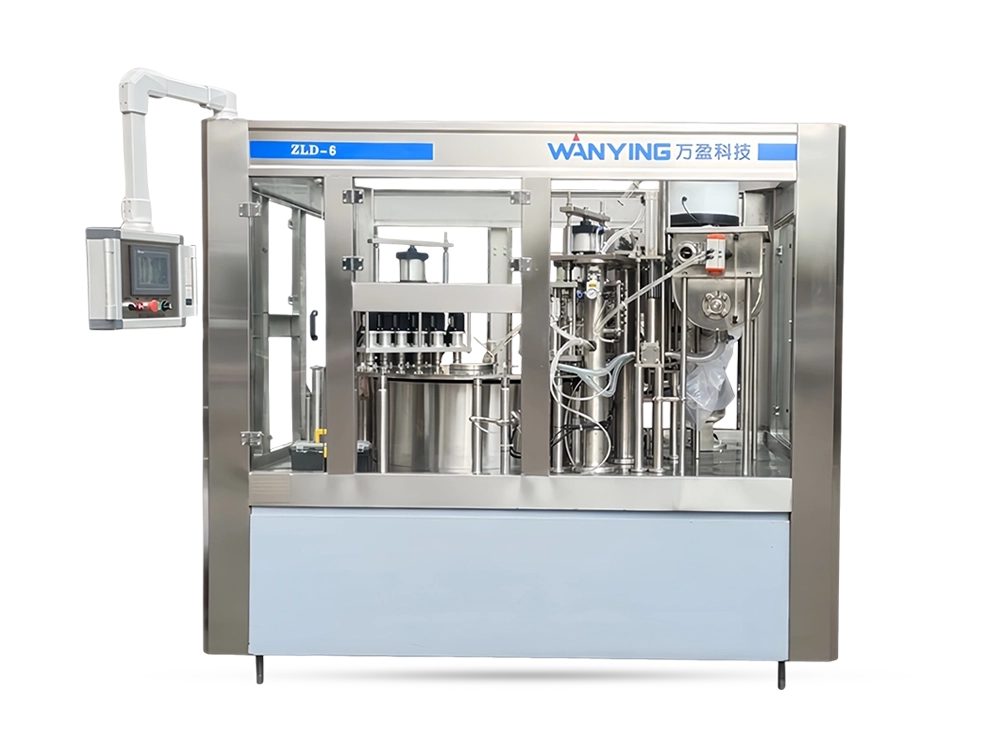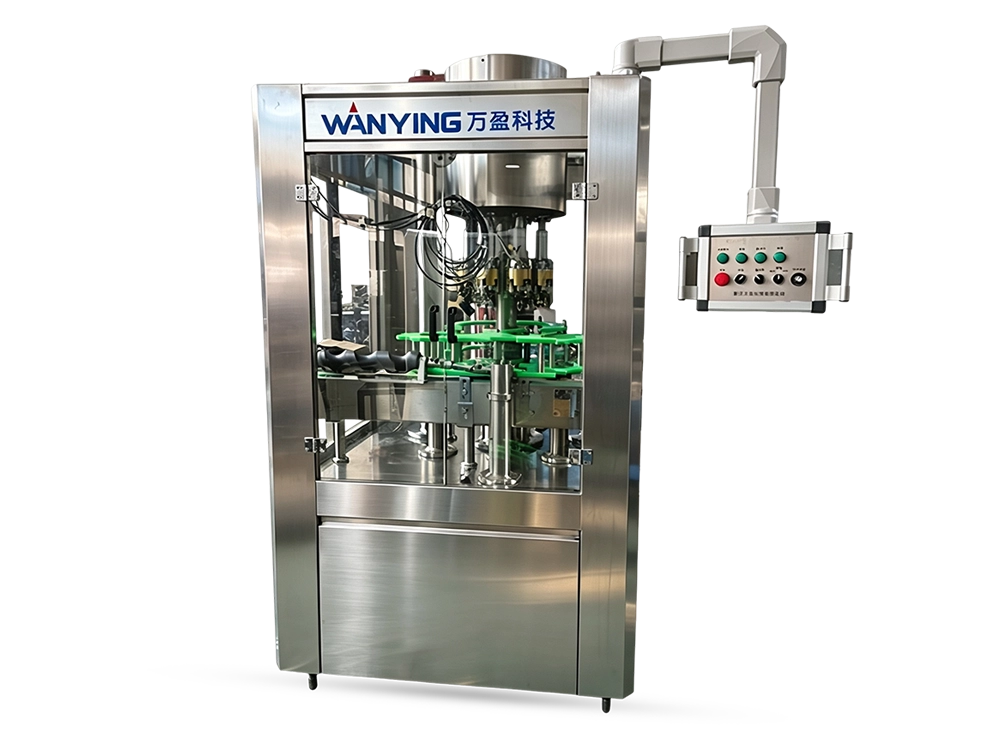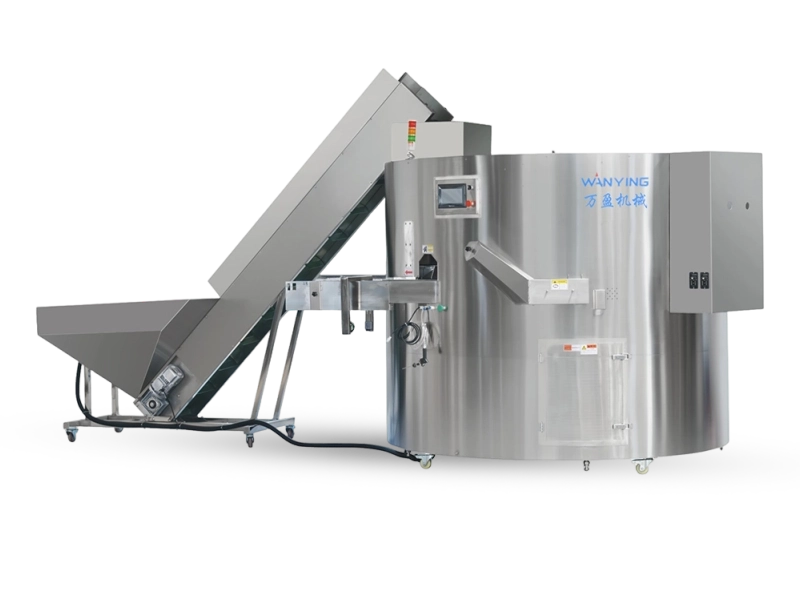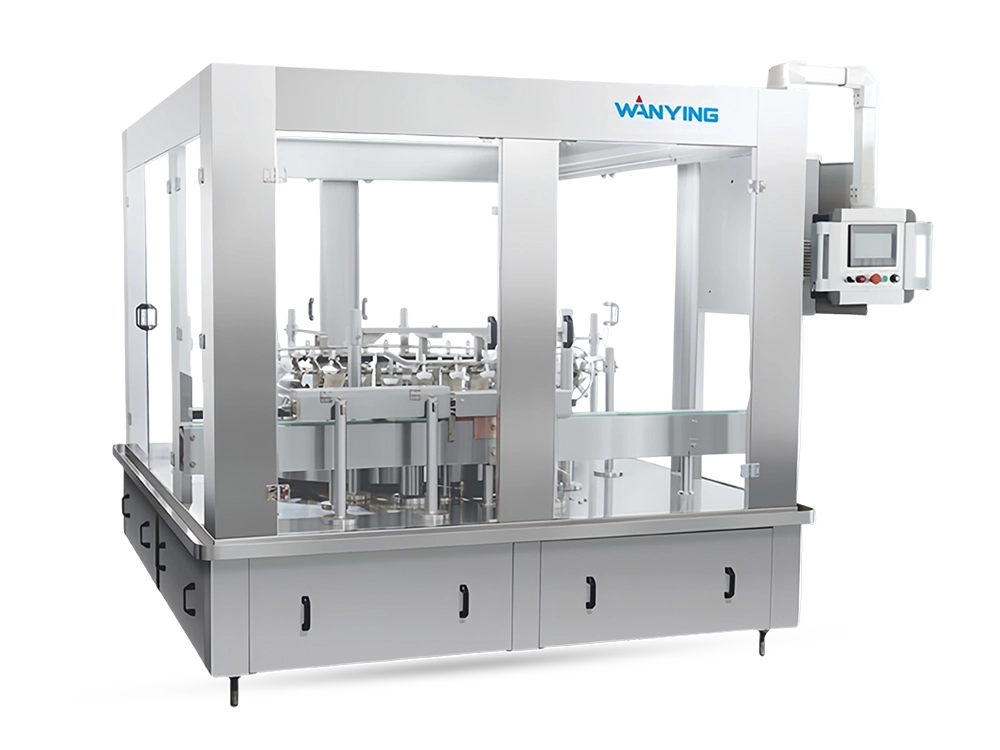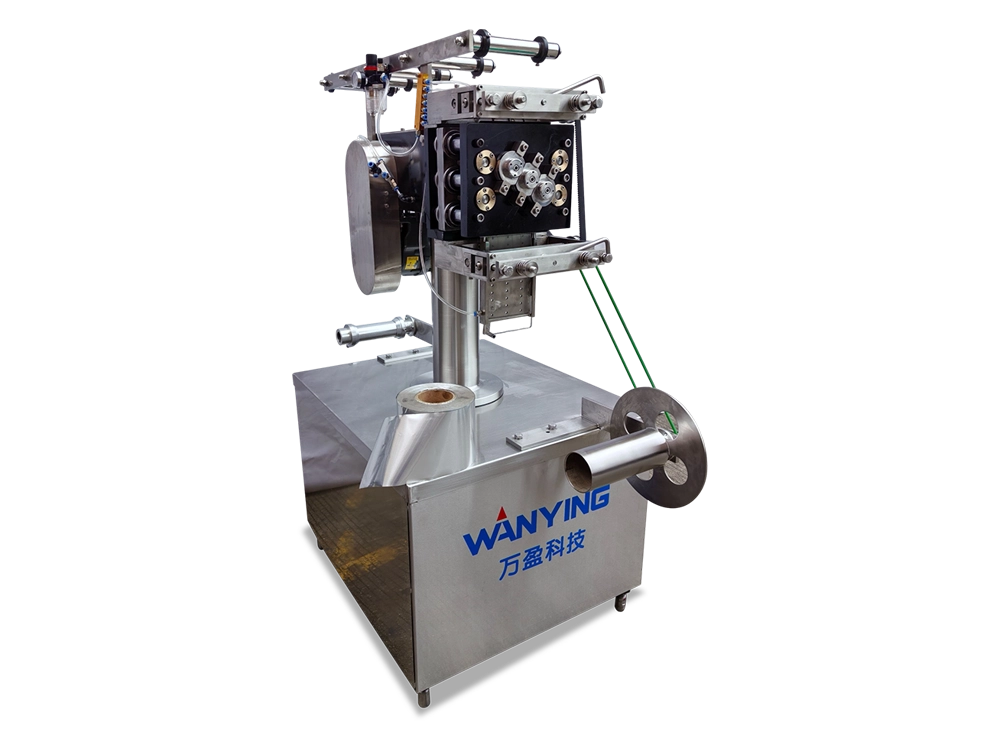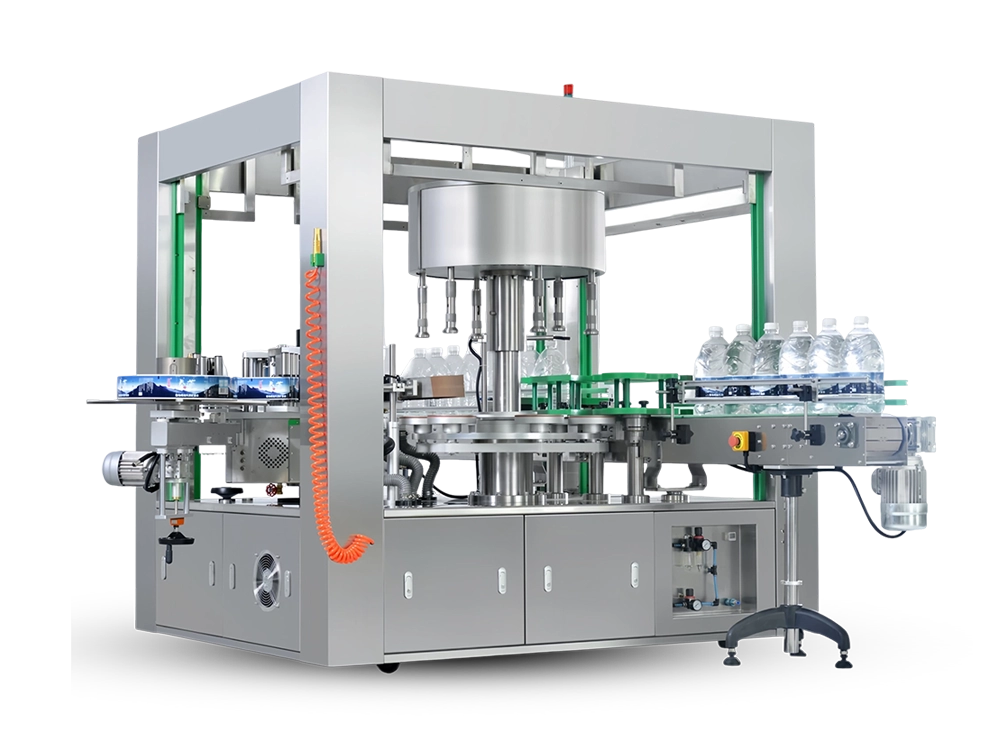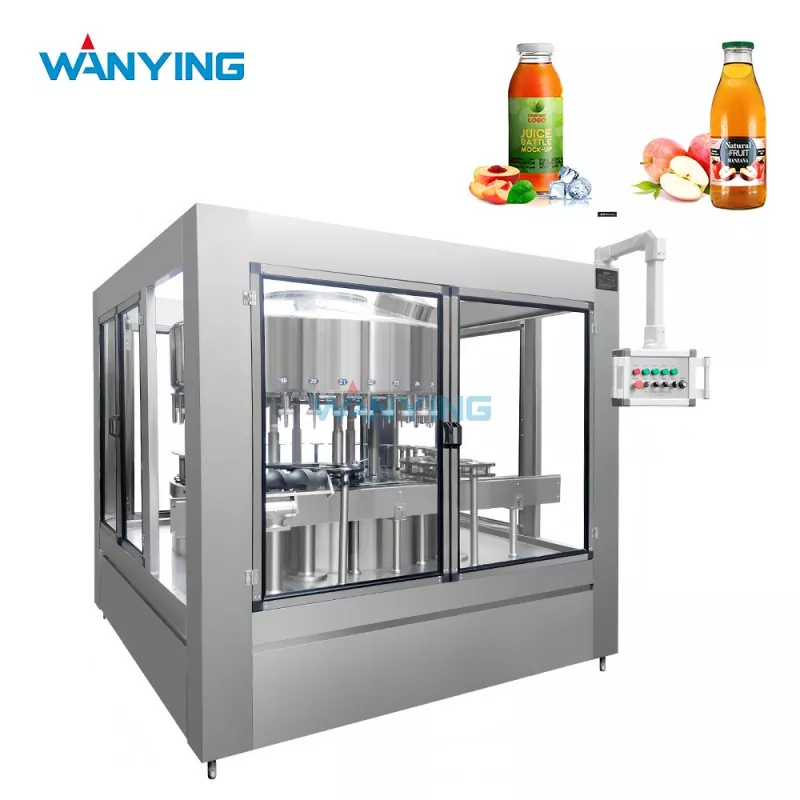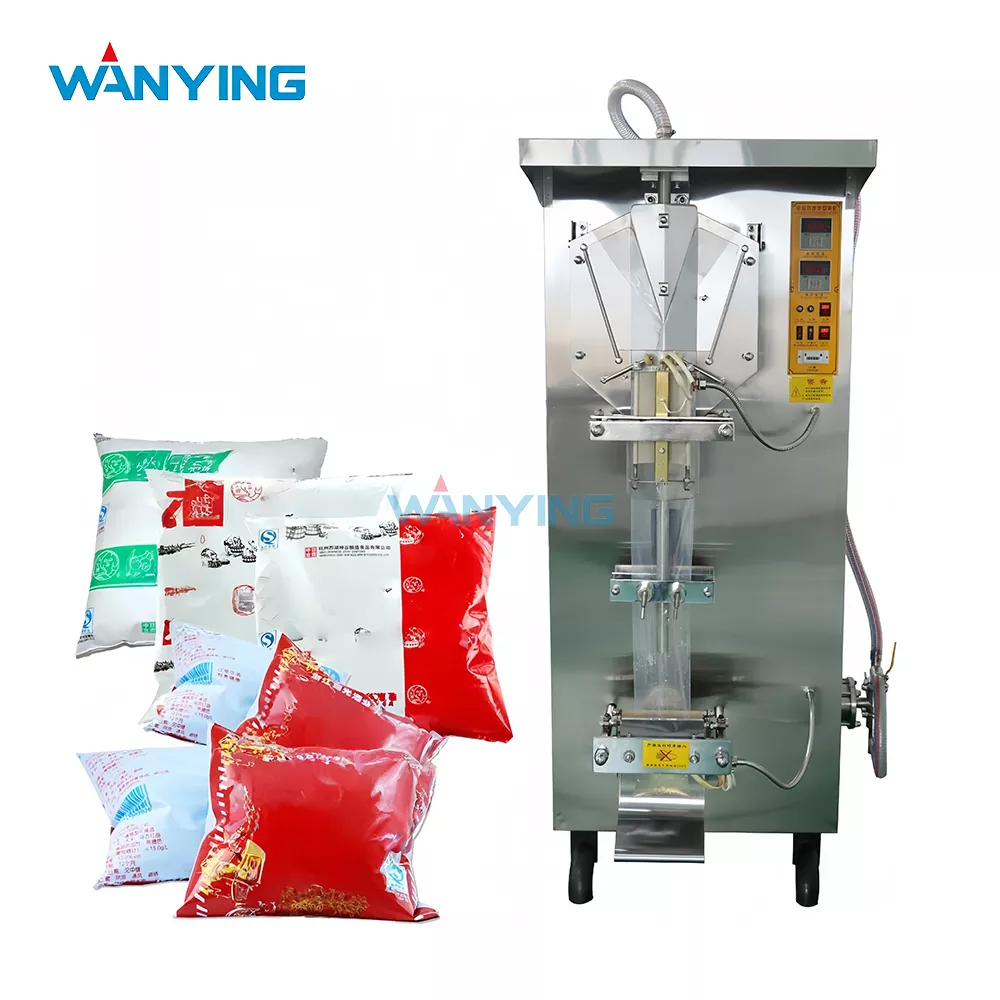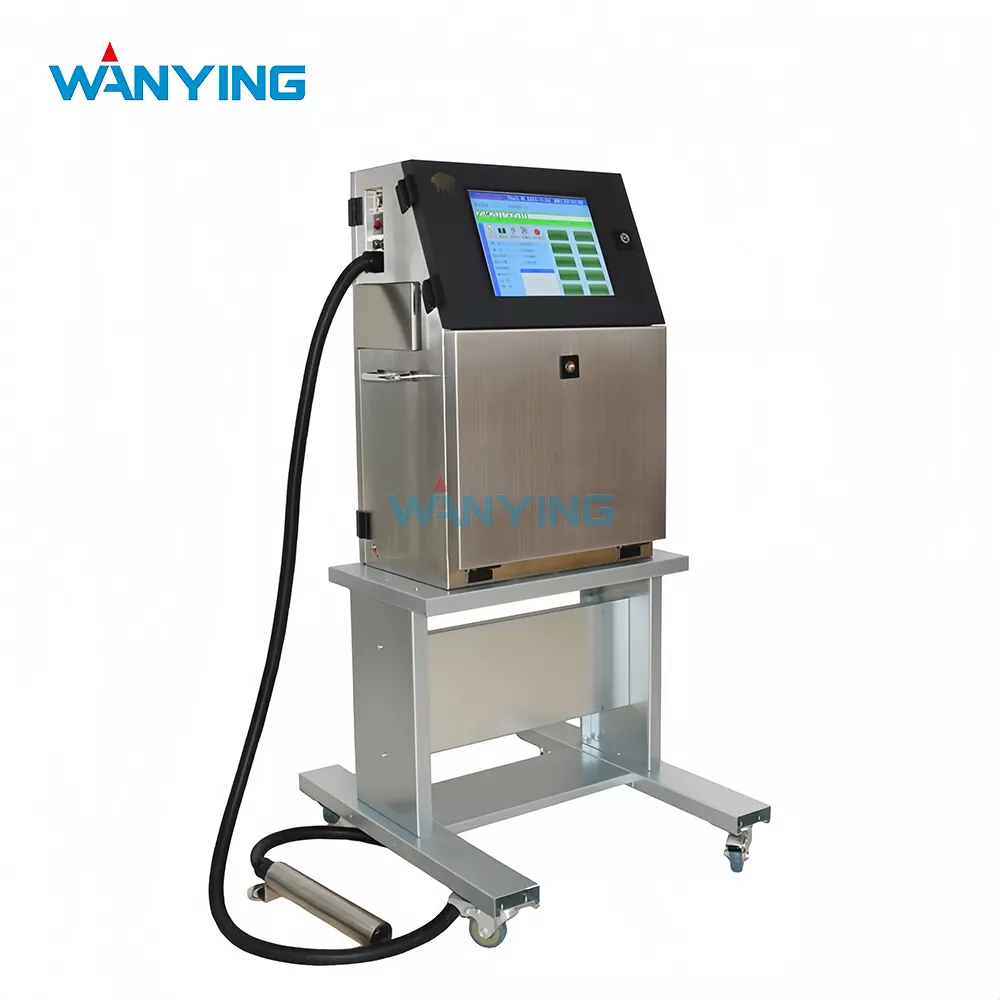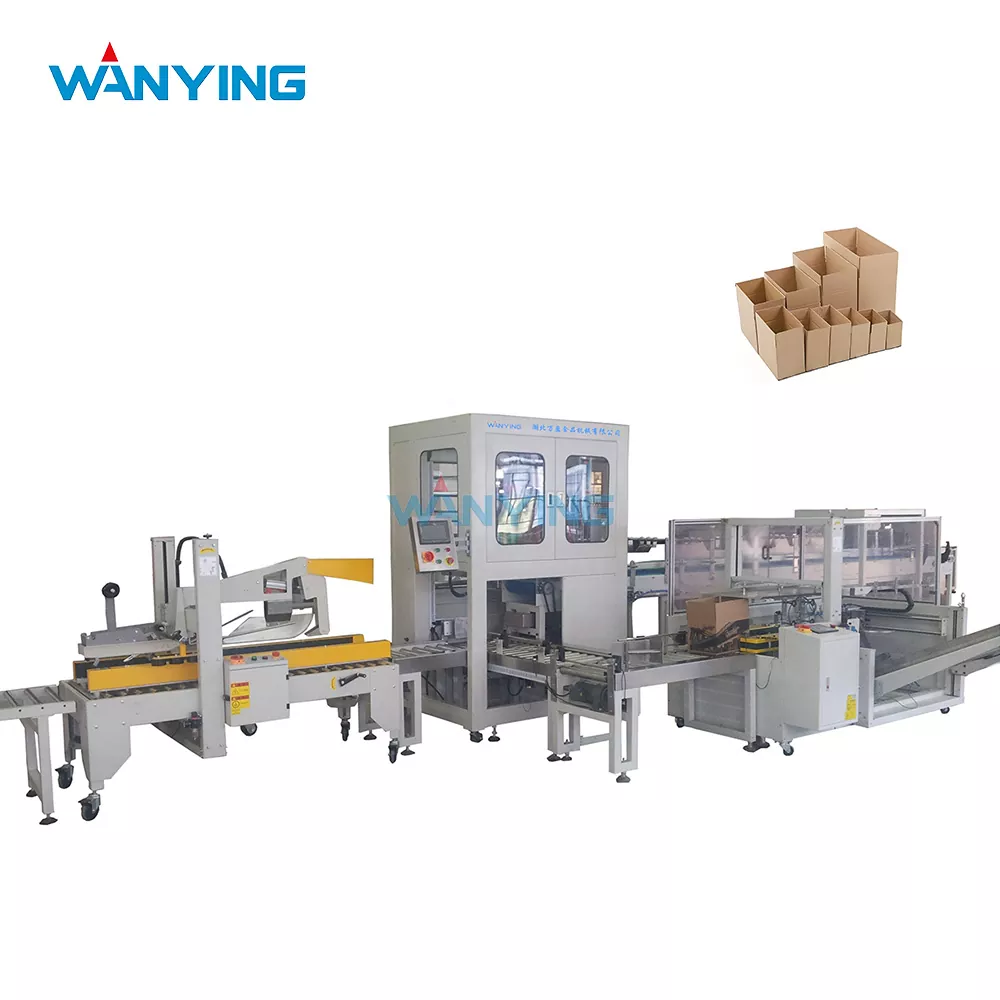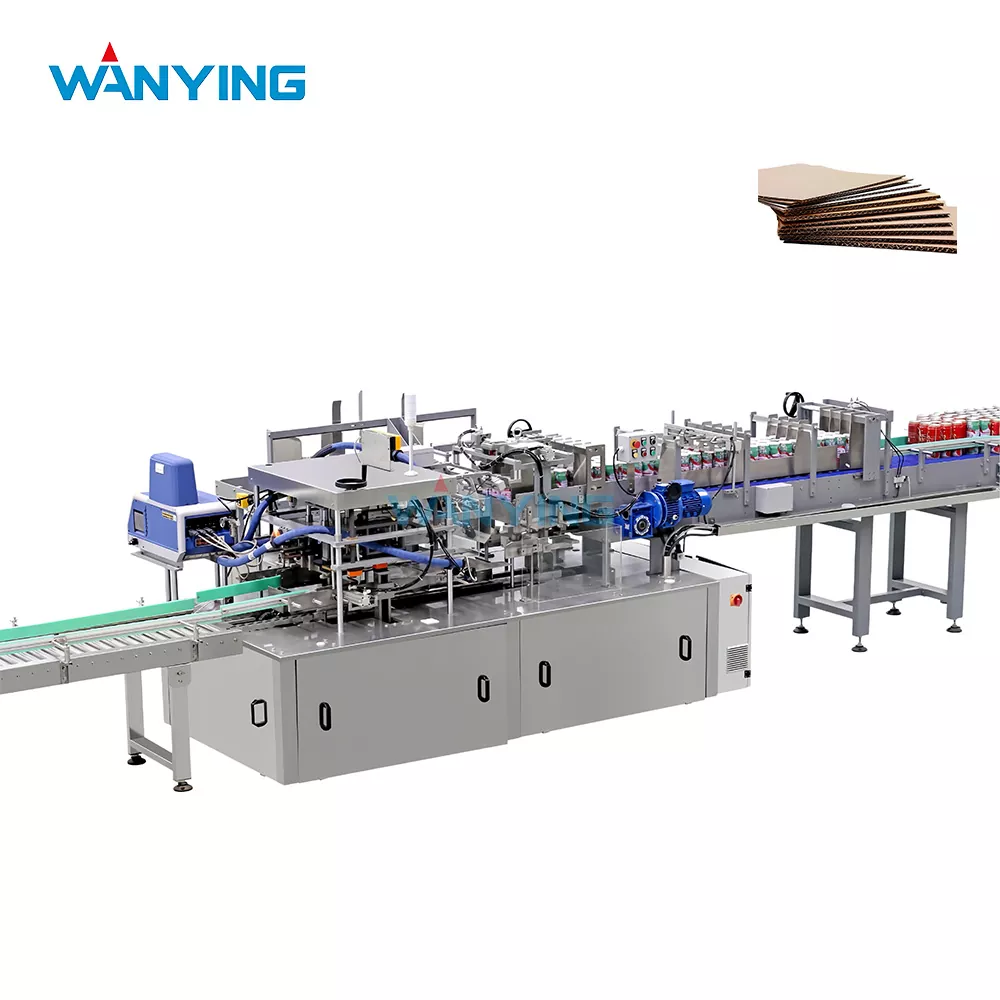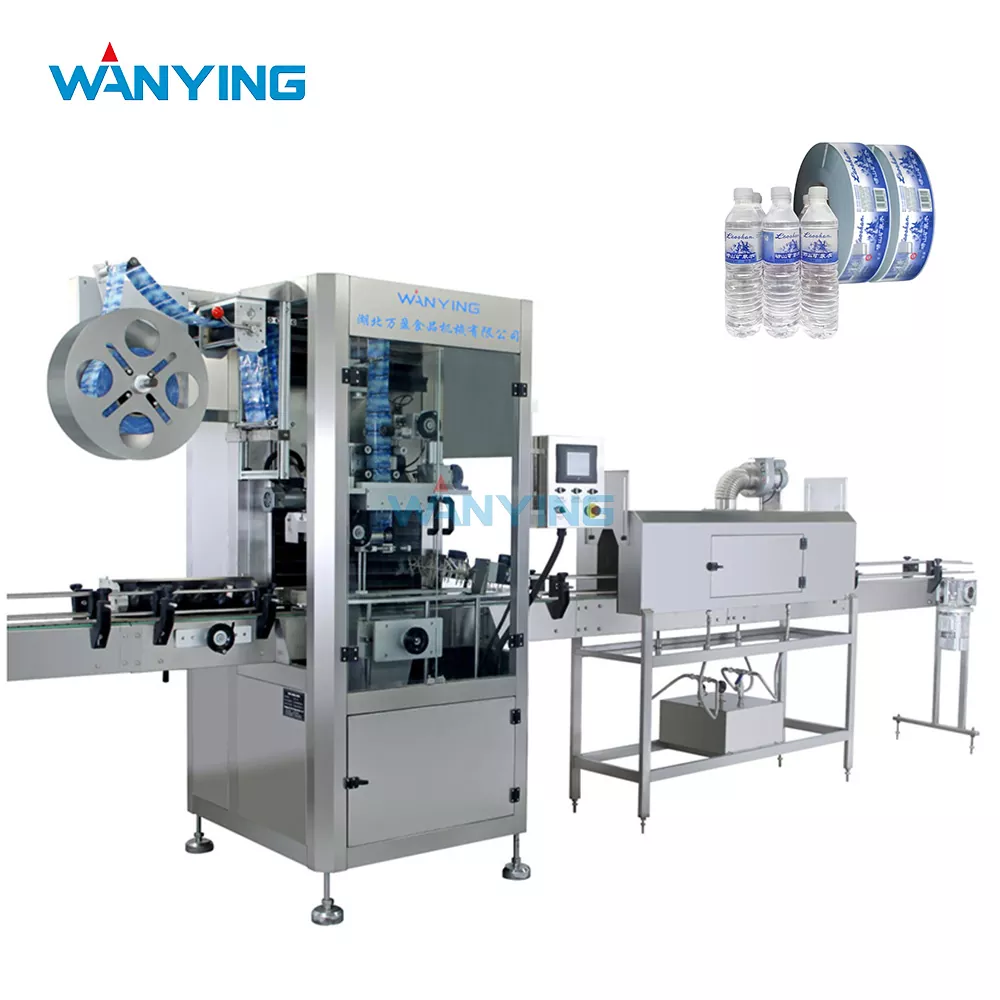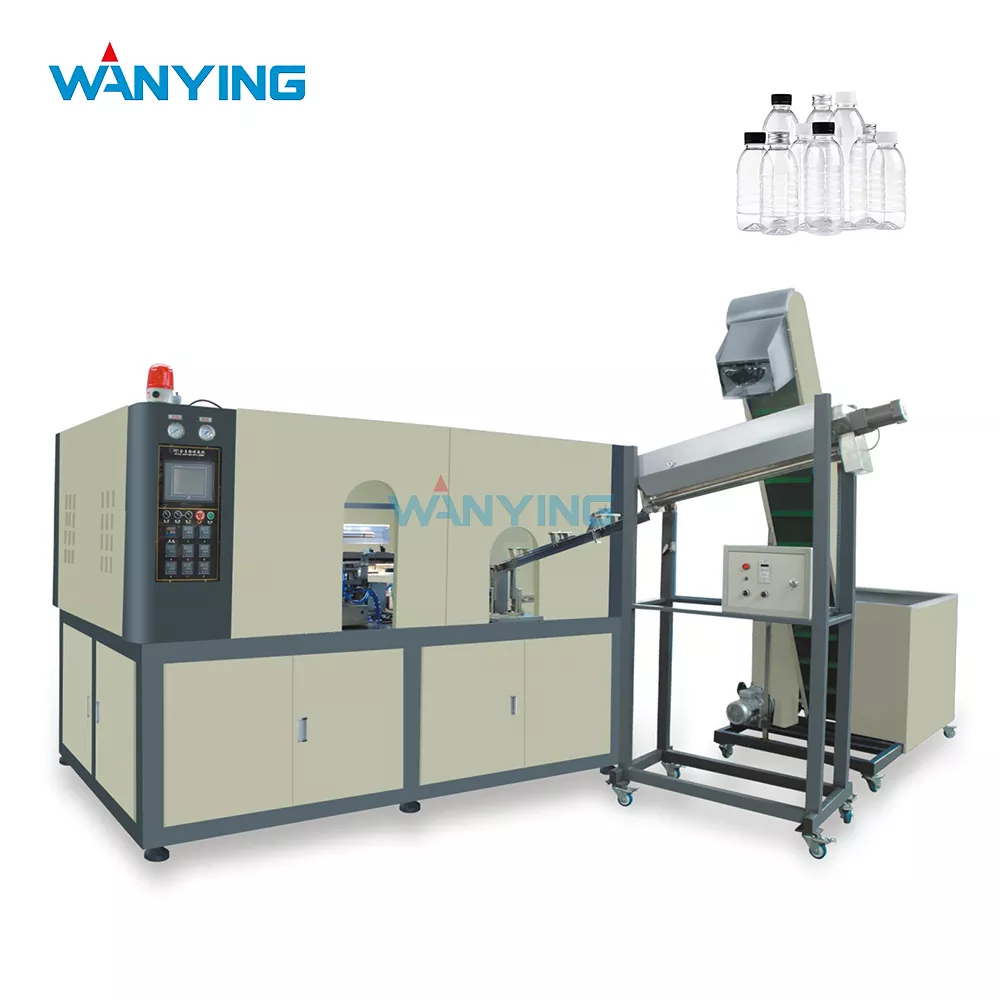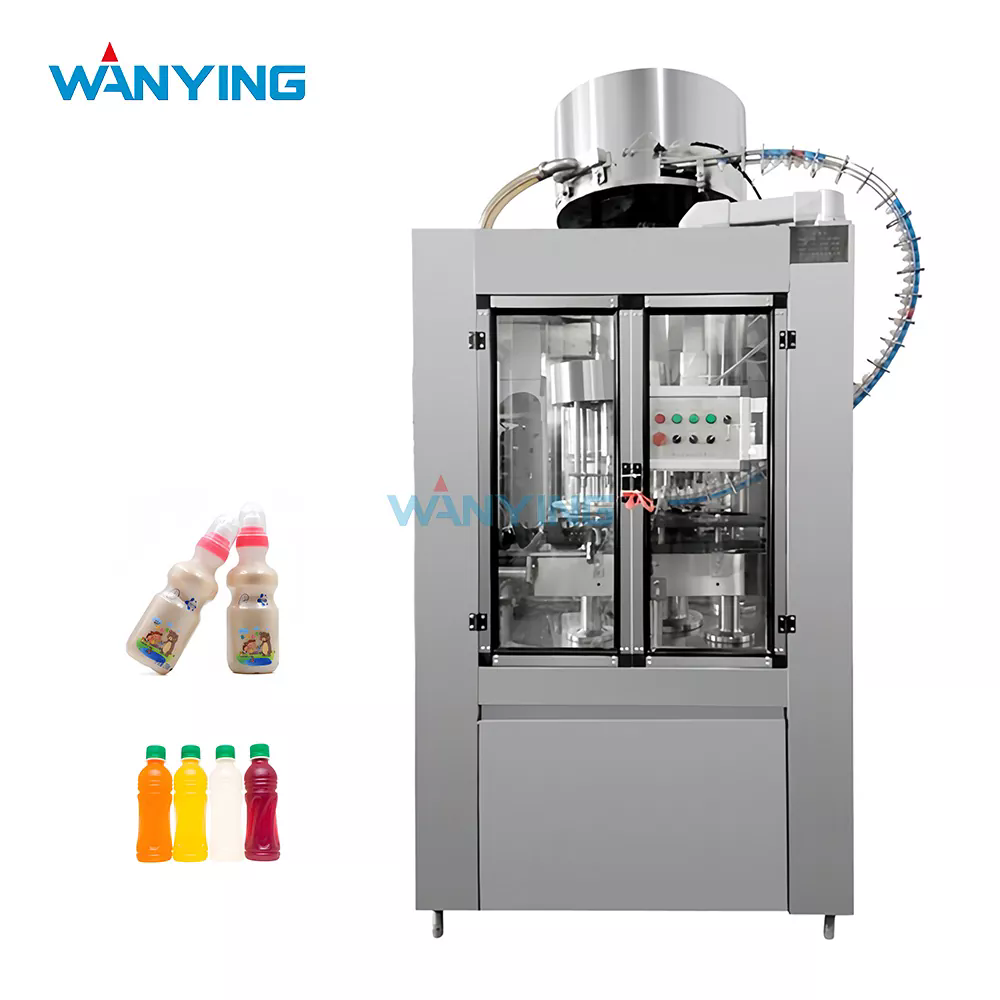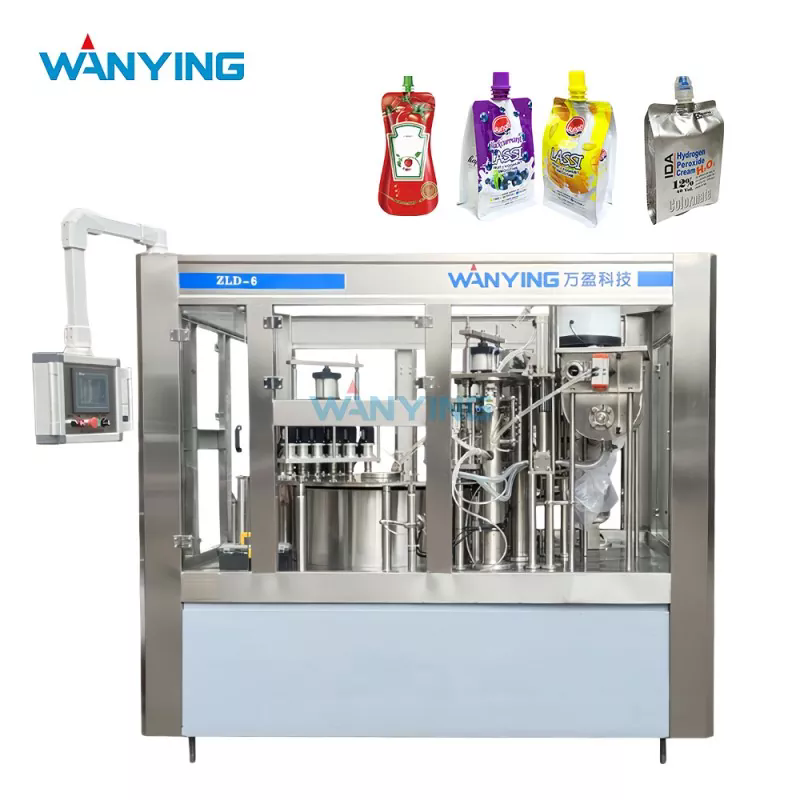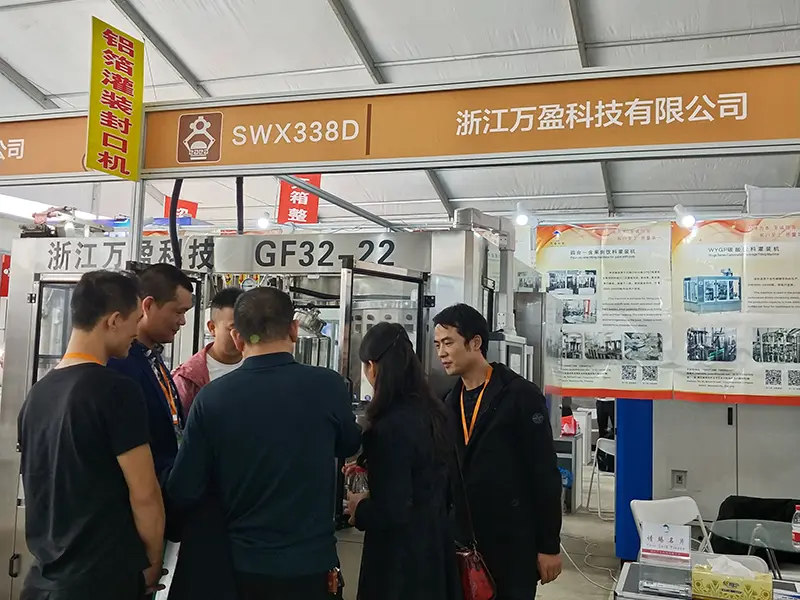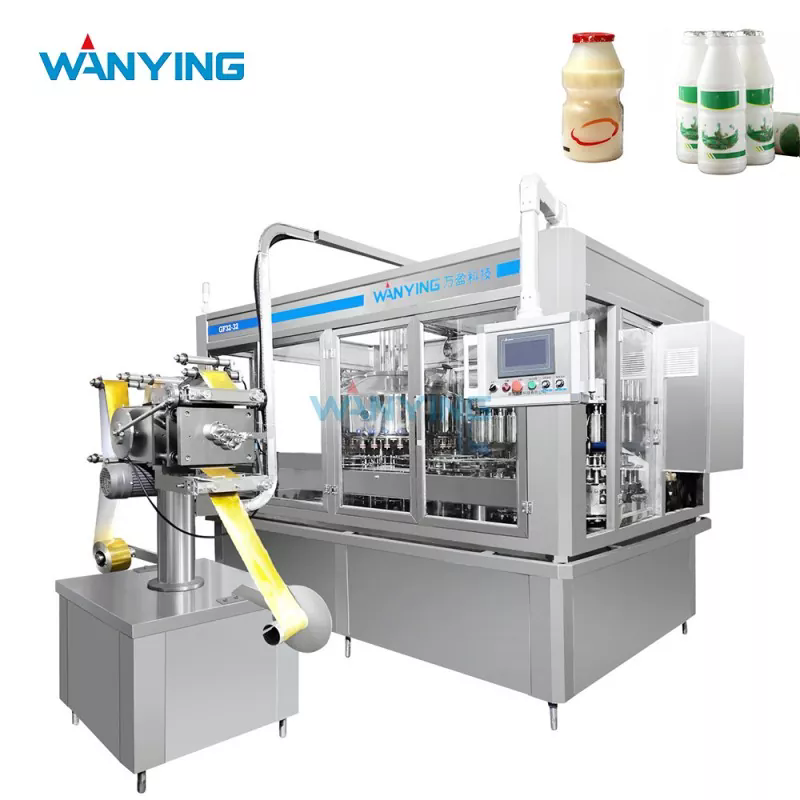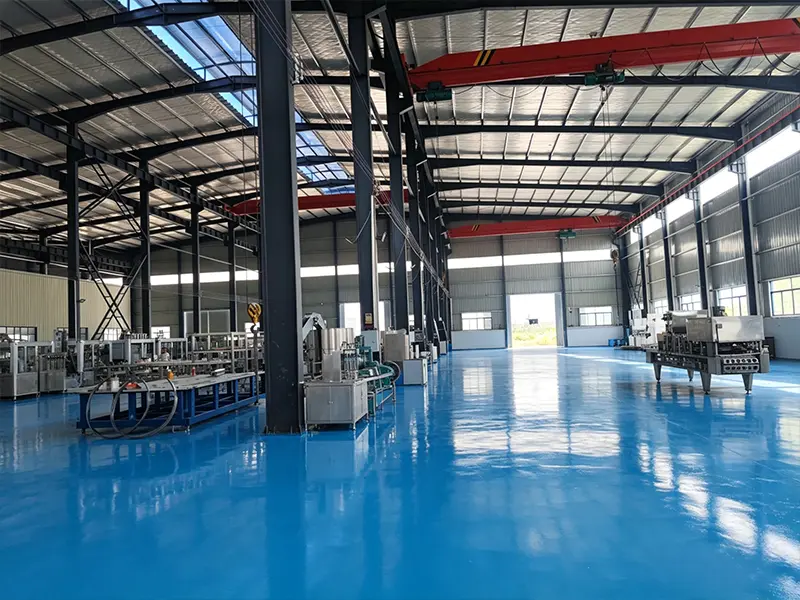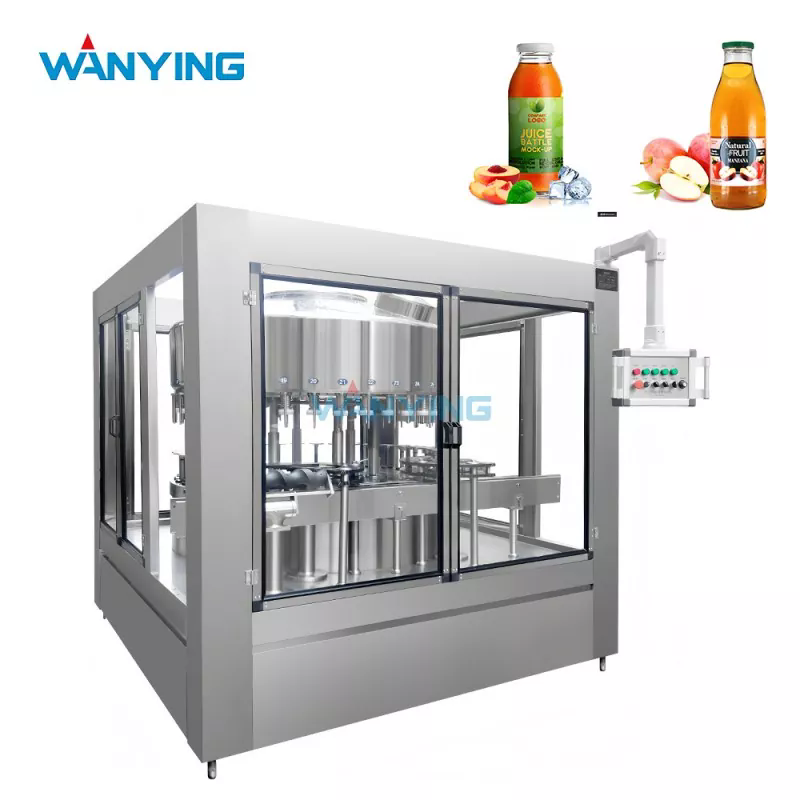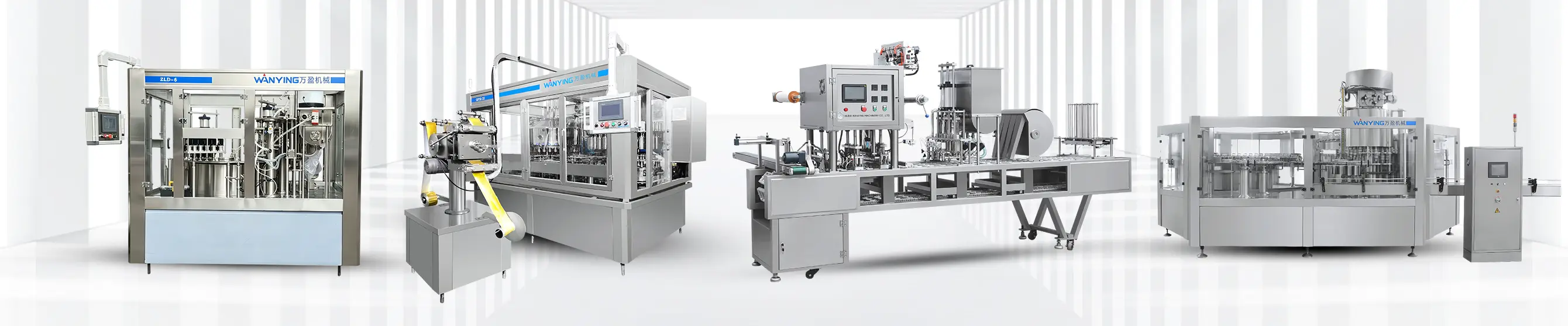
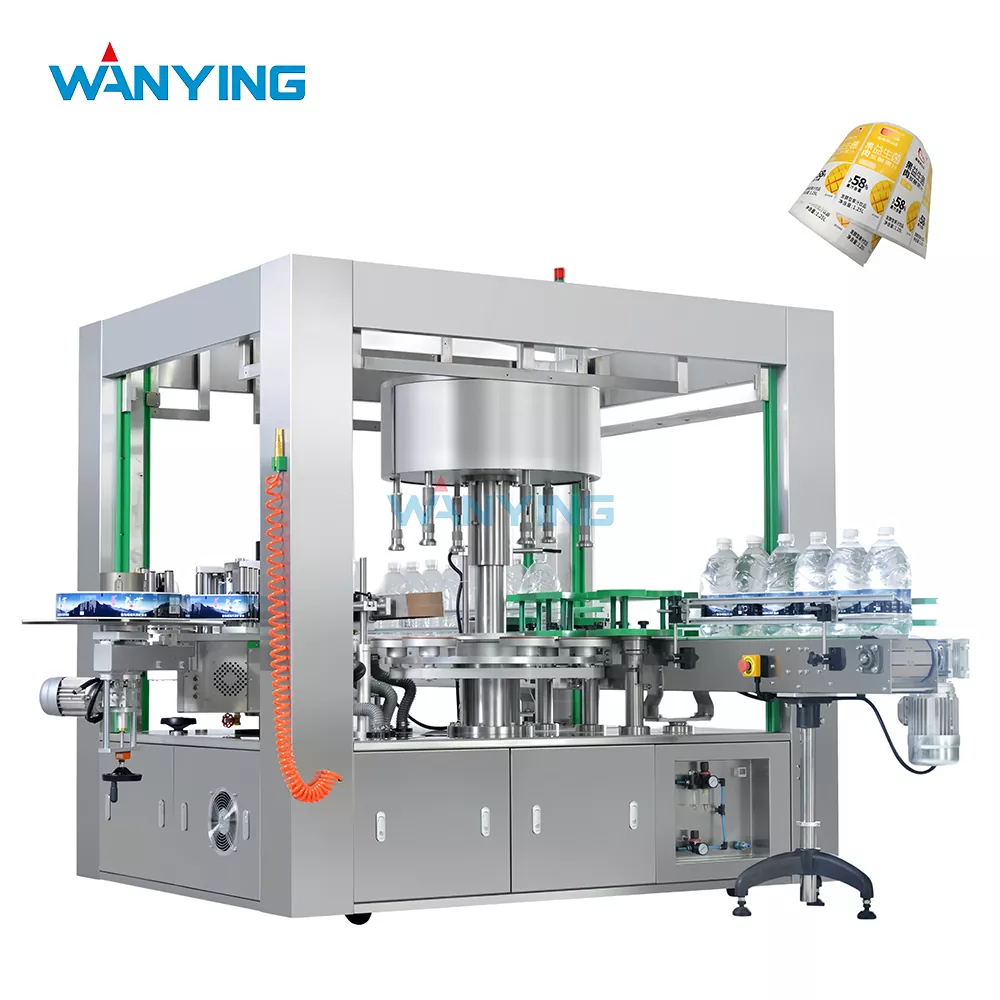
Unlike dedicated sleeve applicators that require heat-shrink tunnels, our labeling machine operates on a cold-adhesive or self-adhesive principle, using advanced servo-driven label dispensers, precise container handling systems, and intelligent registration control to achieve label placement accuracy of ±0.5 mm at speeds up to 30,000 containers per hour. This system is purpose-built for producers who demand crisp, wrinkle-free label application with minimal maintenance and rapid changeover between product formats. Whether you need front-back labeling for rectangular soy sauce bottles, wrap-around labeling for round juice containers, or top-and-bottom labeling for specialty condiment jars, the Wanying labeling machine offers modular labeling stations—including brush applicators, roller wipers, and air-blow assist—that can be configured to match your specific label format and container geometry. With an intuitive HMI interface that stores up to 120 label recipes, automatic label roll splicing options, and real-time label presence verification, our machine reduces downtime, eliminates manual labeling errors, and consistently delivers professional, retail-ready packaging that enhances brand perception. Backed by over 1,300 food and beverage installations, Wanying combines deep industry insight with rigorous engineering to provide a labeling solution that is as reliable as it is adaptable.
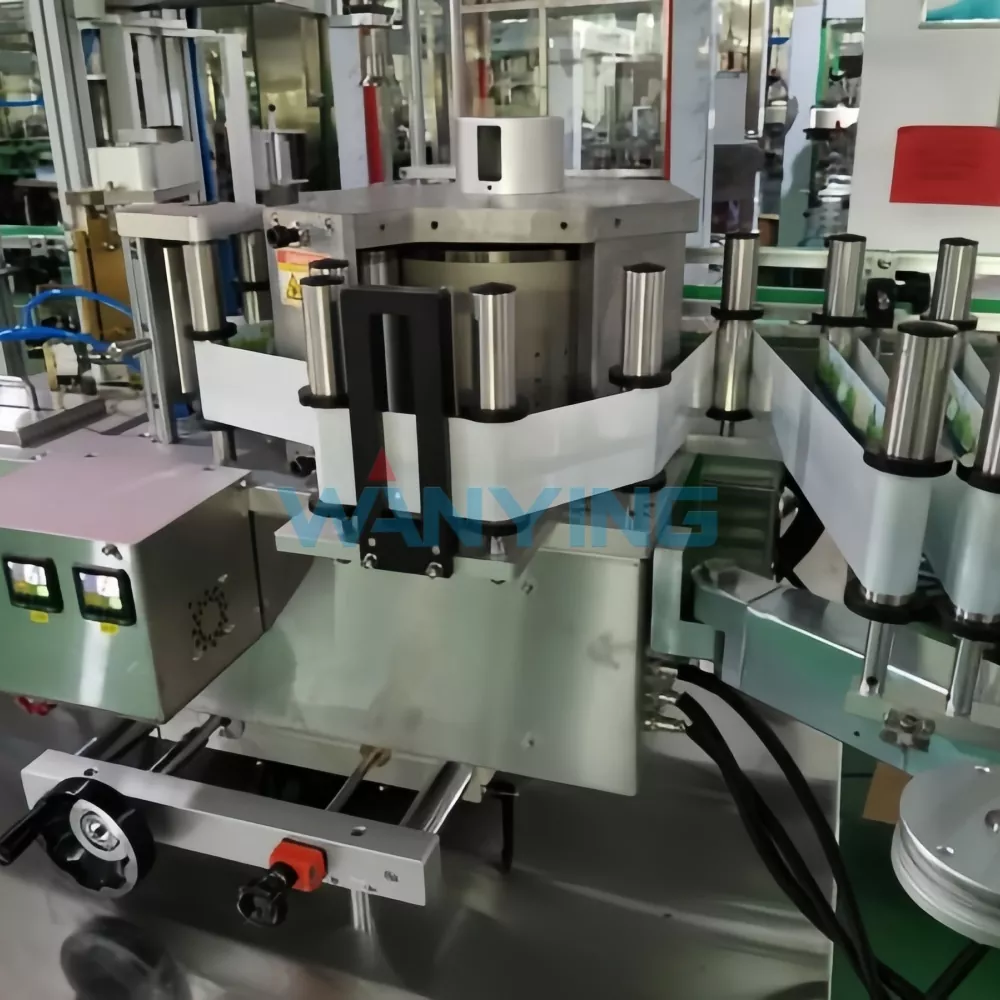
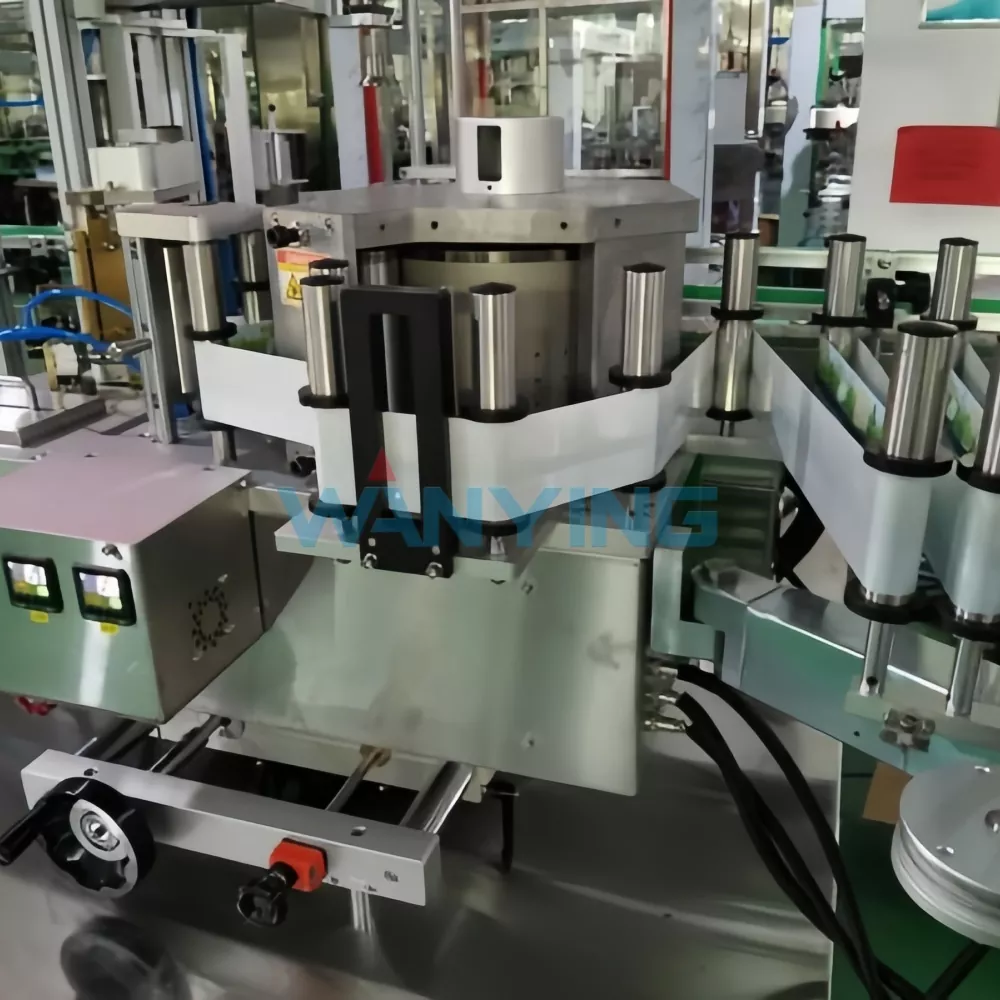
A labeling machine is an automated system that applies pre-printed labels—typically with a pressure-sensitive adhesive backing—onto containers as they pass along a production line. The machine consists of a label unwinder, a peel-off plate where the label separates from its release liner, an applicator mechanism (brush, roller, or air-blow) that transfers the label onto the container, and a wiping or pressing station that ensures complete adhesion. Our system supports multiple labeling styles within a single machine platform, including:
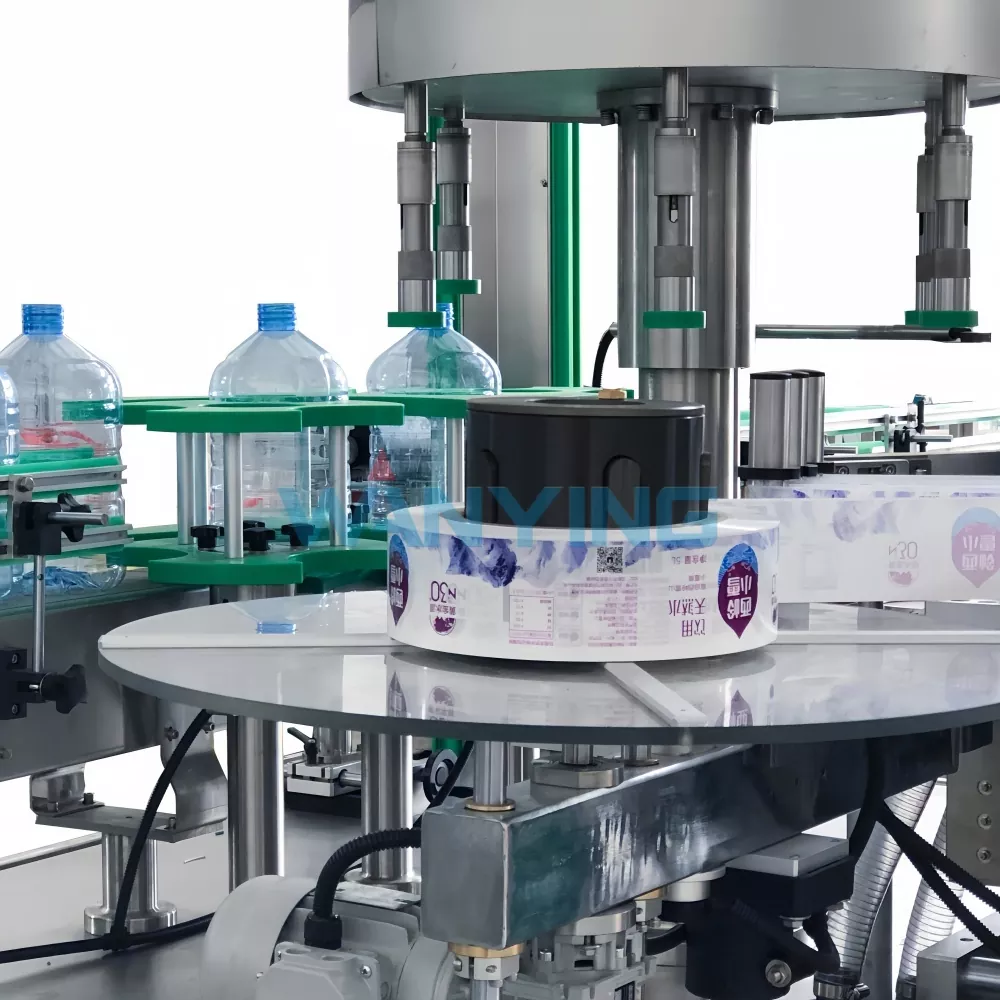
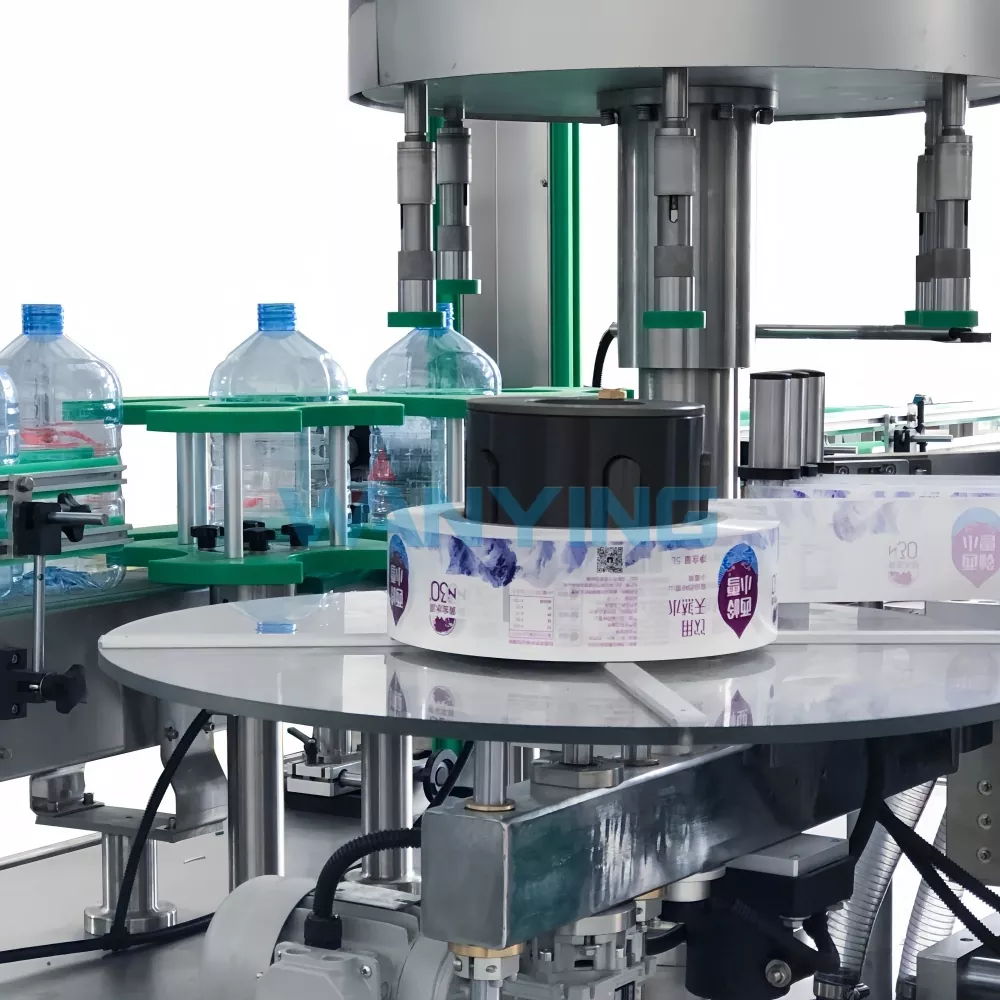
Wrap-around labeling – the label encircles the container, overlapping at the seam (typical for round bottles)
Front-and-back labeling – two separate labels applied to opposite sides of the container (common for rectangular or oval containers)
Top-and-bottom labeling – labels applied to the closure or base of the container for additional branding or traceability
Corner labeling – labels applied around the edge of square containers for a continuous visual effect
By modularly combining labeling heads, conveyor sections, and product handling mechanisms, the Wanying labeling machine adapts to your present requirements while providing expansion capability for future product lines.1.2 Why Choose Wanying Labeling Machine?
|
Feature |
Benefit |
|
Modular labeling head configuration |
From 1 to 8 labeling heads per machine, configurable for wrap-around, front-back, or multi-panel applications |
|
High placement accuracy |
±0.5 mm registration via servo-driven label feed and optical registration mark detection |
|
Container flexibility |
Handles round, square, oval, and irregular shapes with quick-change guide rails |
|
Label type versatility |
Paper, transparent film, metallic foil, shrink labels, and security labels all compatible |
|
Automatic roll splicing |
Optional zero-splice mechanism allows continuous operation without label roll change stoppage |
|
Vision inspection integration |
Checks label placement, skew, and presence, rejecting non-conforming containers |
|
Recipe management |
Stores up to 120 product label configurations for instant recall during changeovers |
|
Gentle container handling |
Low-pressure conveyor with adjustable guides prevents container marking or damage |
|
Parameter |
Specification |
|
Label type |
Self-adhesive paper, film, or foil (roll-fed) |
|
Label width |
15–300 mm |
|
Label length |
20–400 mm |
|
Container diameter (round) |
20–150 mm |
|
Container dimensions (non-round) |
Up to 120 × 120 mm cross-section |
|
Application speed |
Up to 30,000 containers/hour (depending on label size and container handling) |
|
Label placement accuracy |
±0.5 mm (position), ±0.5° (angular skew) |
|
Conveyor height |
850–1,050 mm (adjustable) |
|
Control system |
Siemens PLC with 10" color HMI touchscreen |
|
Power supply |
220V / 380V, 50/60Hz, 3-phase (customizable) |
|
Air consumption |
0.6 MPa, ~30 NL/min |
|
Machine dimensions (2-head) |
3,200 × 1,800 × 2,100 mm |
|
Approximate weight |
950 kg |
2.1 The Core Mechanics – How Accuracy Is AchievedLabeling accuracy is the product of three interrelated sub-systems working in perfect coordination: container handling, label dispensing, and application. Wanying has engineered each of these components to exceed industry standards for repeatability.Container handling:Our conveyor system features independently driven in-feed and out-feed sections, allowing containers to be separated to precise pitch using an electronic starwheel or screw separator. This ensures that each container arrives at the labeling station at the same position relative to the label applicator. For round containers, we use a servo-driven rotary platform that spins the container as the label is applied, ensuring smooth wrap-around without wrinkles. For non-round containers, we use precision gripper conveyors that maintain consistent orientation from the moment the container enters the machine until it exits.Label dispensing:The label is drawn from the roll using a servo motor with tension feedback. The label passes over a peel-off plate, where its leading edge is separated from the liner at the sharpest possible angle (typically 30–45°) to ensure clean, reliable peel. An optical registration sensor reads the printed registration mark (or detects the label edge) and signals the servo to adjust label feed timing in real time—compensating for any minor variations in label printing or roll stretching. This system maintains label cut and placement accuracy even when running at maximum speed.
Application system:We offer three application technologies to match different label types and container surfaces:
Brush applicators – soft brushes that gently press the label onto the container, ideal for transparent labels where bubbles would be visible
Roller wipers – spring-loaded rollers that apply consistent pressure along the label's length, suitable for heavy paper labels and metalized foils
Air-blow assist – a controlled air stream that "floats" the label onto the container, minimizing contact marks, preferred for fragile or pre-printed labels with sensitive coatings
Over our years serving the food and beverage sector, we have identified the most common failures in label application and designed solutions that directly address each:
|
Pain Point |
Wanying Solution |
|
Label skew (tilted labels) |
Optical registration sensor that reads both longitudinal and lateral registration marks, with servo correction for x-y positioning |
|
Wrinkles on round containers |
Dual-stage wiping: first a soft brush positions the label, then a high-pressure roller eliminates air bubbles and ensures flat adhesion |
|
Labels peeling over time |
Application pressure monitored and adjusted via load cells; we also recommend appropriate adhesive grade for product storage temperature |
|
Label roll change downtime |
Optional zero-splice automatic splicer that joins a new roll to the tail of the existing roll while running, eliminating stoppage |
|
Container jams at infeed |
Dual-lane pre-separation system with gentle acceleration, matching container speed to line speed |
We maintain partnerships with leading label stock suppliers, enabling us to recommend proven materials and, if needed, source small batch quantities for client testing.2.4 Modular Expansion – Future-Proofing Your Line
The Wanying labeling machine is designed with a modular frame that supports adding labeling heads, inspection stations, or special applicators without rebuilding the core structure. Common expansion paths include:
Adding a second labeling head to convert a wrap-around machine to a front-and-back configuration
Integrating a print-and-apply engine for variable data labeling (batch codes, expiration dates, or lot numbers) as part of the same machine
Installing a rejection gate downstream of an inspection camera to automatically remove mislabeled containers
Upgrading to a duplex conveyor to double throughput by labeling two lanes simultaneously
This modularity protects your investment as your production needs evolve.
Different food products impose different requirements on labels. Wanying provides expert consultation to ensure your labels perform optimally over the product's shelf life:
|
Product Category |
Recommended Label Material |
Adhesive Type |
Special Considerations |
|
Chilled yogurt / dairy |
Polypropylene (PP) film |
Permanent acrylic, water-resistant |
Must withstand condensation and refrigerator temperatures |
|
Soy sauce / vinegar |
Polyester (PET) film with metallic finish |
Solvent-based permanent |
Resistant to oil, acid, and moisture |
|
Canned fruit / juices |
Paper with varnish coating |
Removable or permanent, depending on recycling requirements |
Must withstand water bath pasteurization temperatures |
|
Fermented bean curd (brine) |
Polyethylene (PE) film with UV-resistant ink |
High-tack acrylic |
Resists salt and acidic brine; must adhere to textured glass |
|
Frozen products |
Biaxially-oriented polypropylene (BOPP) |
Freezer-grade acrylic |
Withstands -18°C to -25°C without adhesive failure |
The machine's 10-inch HMI displays all relevant operating data in a clear, intuitive format, with languages selectable between English, Chinese, and other languages upon request. Operators can:
View real-time production metrics – count, speed, label consumption, rejection rate
Select stored recipes by product name or code; the machine automatically adjusts all parameters
Monitor remaining label roll length, with an alert when the roll reaches a user-defined threshold
Review alarm history with troubleshooting suggestions for each fault code
Access maintenance reminders based on runtime or calendar schedule
Changing between container formats and label styles is a structured, repeatable process:
Select the new recipe on the HMI
Adjust container guide rails (using quick-clamp handles and pre-marked positions)
Swap the labeling head's peel plate or applicator brush (if label width changes)
Load the new label roll and thread the film path (identified with colored guides)
Run the auto-registration calibration routine (takes 30 seconds)
Validate with 3 test containers; release to production
Total time for a complete changeover: 7–12 minutes for two operators working together. For clients with high-frequency changeovers, we offer an optional memory position system with servo-controlled guide rails that store rail positions and automatically reposition them, reducing changeover to under 4 minutes.3.3 Cleaning and Maintenance
Label dust extraction – The peel-off plate is equipped with an integrated vacuum system that removes adhesive residue and paper dust, preventing contamination of subsequent labels.
Tool-free access – Guard panels are hinged and held by magnetic latches; no tools required for daily cleaning access.
Lubrication-free components – All main bearings and guide rollers use sealed-for-life bearings, eliminating routine greasing tasks.
CIP-compatible surfaces – Where the conveyor and guide rails contact containers, materials are selected to withstand food-grade cleaning agents.
A heritage soy sauce brand, known for its distinctive square glass bottles and gold-foil labels, was facing production bottlenecks with a manual labeling process that required 12 operators per shift. The manual method also introduced variability: labels were often skewed by up to 3–5 degrees, inconsistent enough that their premium branding appeared "unprofessional" on retail shelves.
Wanying Solution:
Installed a dual-head labeling machine configured for front-and-back labeling on square bottles
Each head equipped with servo-driven label feed and optical registration mark detection for both horizontal and vertical alignment
Integrated container orientation system using mechanical indexing (for square containers, orientation is critical)
Label inspection camera to reject bottles with skew exceeding ±0.8°
Results after 14 months:
Labor requirement: reduced from 12 operators to 2 (one for monitoring, one for roll loading and quality checks)
Label skew variation: reduced from ±3.5° to ±0.5°—all bottles now meet the brand's strict cosmetic standard
Production speed: increased from 6,000 bottles/shift to 28,000 bottles/shift
Waste: label material rejected reduced from 4.2% to 0.8% (due to precise feed control)
The brand won an industry packaging award, citing "flawless label application that enhances the premium liquid product experience"
ROI was achieved in 11 months; the system paid for itself through labor savings alone within 16 months
This craft cider producer uses tall, 500 mL round bottles with a transparent film label that requires perfect conformability and no air bubbles. Their previous machine, sourced from a general packaging equipment supplier, frequently applied labels with bubbles at the seam—sometimes as many as 8–10 bubbles per bottle, which their retail partners considered unacceptable.
Wanying Solution:
Wrap-around labeling machine with three-stage application: brush (initial positioning), roller (bubble elimination), and air-knife (final pressure)
Servo-controlled rotary platform that rotates the bottle 1.5 times during label application to ensure even wrap and precise overlap
The machine was integrated with their filler's discharge conveyor using a synchronized speed interface
Outcomes (9 months tracking):
Bubble-free labels: 99.6% of production—the 0.4% rejected bottles are due to label film defects, not application
Capping and labeling line now runs at 24,000 bottles/hour (previously 14,000)
The brewery received direct feedback from three major supermarket chains that they noted "improved shelf appearance"
Inventory of rejected labels: reduced 70%; they now order 10% fewer labels per quarter while fulfilling the same sales volume
The client's operations manager commented: "We set up the machine once, and it just runs. The maintenance is minimal compared to our previous system."
This client produces fermented bean curd in 400 g jars with an unusually shaped, tapered body. They required a paper label with a traditional red-and-gold design that covers approximately 70% of the jar's height, wrapping around the contoured surface. Their previous labeling approach—using adhesive labels applied by hand—resulted in frequent peeling, especially in the high-humidity fermentation room where the product is stored before shipping.
Wanying Solution:
Single-head labeling machine with an air-blow applicator (which adapts to the container's changing radius better than rigid rollers)
High-tack acrylic adhesive labels on a synthetic paper substrate (water-resistant)
Post-labeling hot-air dryer (low temperature) to activate the adhesive for improved bond to the slightly textured glass
Inspection system that checks both label application and closure seal (for tamper evidence)
Metrics over 12 months:
Label peel complaints: reduced to 0.3% (from 7.2% previously)
Manual labor on packaging: eliminated 8 positions, redeployed to other areas of production
Production rate: 12,000 jars/shift at 85% capacity; the machine can handle full capacity of 18,000 jars/shift when demand increases
The manufacturer noted that the improved label adhesion has allowed them to reduce secondary packaging (less shrink wrap needed to hold labels in place), saving ¥85,000 annually on film costs
Customer return rates due to "damaged packaging" dropped by 64%, directly benefiting the brand's reputation in the export market
This producer offers six different juice flavors in 330 mL PET bottles, each with a different label color and graphic design. Their contract packager used a single-labeling-head machine that required 30-minute changeovers between flavors, and the color changeover often involved cleaning the label path to prevent color contamination on the transparent labels.Wanying Solution:
Two-head labeling machine with independent label paths and peel plates—one head dedicated to primary branding, the second to flavor-specific variation labels
Quick-rail adjustment system with position memory for all six bottle sizes (each flavor uses a different bottle color; bottle dimensions are identical but label size varies)
Recipe storage with instant recall—the operator simply selects the flavor from the HMI dropdown, and all parameters adjust automatically
Performance over 6 months:
Changeover time: reduced from 30 minutes to 6 minutes on average, enabling six flavor changeovers per day instead of three
The client now runs a just-in-time labeling system: they label only the flavors needed for daily orders, reducing finished-goods inventory by 40%
Label color contamination: eliminated (independent paths prevent cross-contamination)
Overall production capacity for labeled bottles increased from 15,000/day to 32,000/day
The factory invested in a second Wanying labeling machine for a new plant after only 8 months, citing the "unmatched flexibility" as the deciding factor
Container stability – bottles must be at least 60% filled (for round containers) to prevent tipping during labeling; for empty containers, we offer lightweight-conveyor options with vacuum hold-down
Label roll quality – labels should have consistent die-cut dimensions (±0.2 mm) and consistent liner release force (we provide a specification sheet to share with your label printer)
Line speed compatibility – our machine will synchronize with upstream and downstream equipment via speed encoder or Ethernet
The labeling machine can be integrated into your plant's Manufacturing Execution System (MES) to report:
Total labels applied per shift (for inventory reconciliation)
Label usage per batch (to verify material consumption against production orders)
Rejection statistics (to identify if upstream or downstream issues are causing label defects)
Machine status (running, idle, fault) for OEE (Overall Equipment Effectiveness) calculations
Our standard protocol support includes Ethernet/IP, Modbus TCP/IP, and Profibus DP.
A: Yes. Our dual-head configuration is specifically designed for front-and-back labeling on non-round containers. The critical requirement for alignment is the container's orientation. For square and rectangular bottles, we use an indexing wheel or a mechanical guide system that rotates each container to a fixed position relative to the conveyor line. Once oriented, the bottle passes under the first labeling head (front), then the second head (back) after a precise distance. This distance is calibrated during machine setup and stored in the recipe; the container's travel speed is controlled so the time between heads matches the label application cycle.We also provide a dual-side registration option where a camera system reads a pre-printed registration mark on the bottle itself (or detects a physical feature like the neck seam) and adjusts the label applicator position in real time, achieving front-back alignment within ±0.3 mm. This is especially valuable for bottles with high-quality graphics that must align continuously across both sides.
A: Our standard label unwinder accommodates rolls up to 400 mm diameter and a maximum width of 380 mm. The core diameter is 76 mm (3 inches) or 50 mm (2 inches)—we supply both adapters. At typical label sizes (e.g., 80 × 100 mm), a 400 mm roll contains approximately 5,000–6,500 labels, depending on material thickness and liner weight.Roll change frequency is determined by your line speed and label size. At 30,000 containers/hour with an 80 × 100 mm label, each hour consumes roughly 3,600 labels (assuming 80% actual speed accounting for downtime), so a full roll lasts about 1.5 hours. At slower speeds or with smaller labels, the roll may last a full shift.To minimize changeover interruptions, we recommend:
Automatic zero-splice option – the machine can join a new roll to the tail of the running roll without stopping, giving you continuous operation. The splicer uses a hot-melt tape or pressure-sensitive splice that meets food-grade standards (no harmful adhesives).
Buffer accumulation conveyor before the labeling machine – if your upstream filler has variable output, a buffer can accumulate containers during the very short (30–45 second) manual roll change, preventing line stoppage.
We can calculate the optimal roll size and splices for your specific production plan during the design phase.
A: Our labeling machine is equipped with a label presence and inspection system that operates before, during, and after application:Before application – The optical sensor that reads registration marks also detects if a label is missing, torn, or misprinted (if a label lacks the registration mark, it is flagged). The machine will either:
Pause and issue an alert if a defective label is detected in the feed path, giving the operator a chance to remove the affected roll section
Automatically reject the label and feed the next one (if the defect is in the label itself, not the roll structure), ensuring the defective label is never applied
After application – The optional post-label inspection camera scans every labeled container and checks:
Label position (x-y coordinates against a stored template)
Angular skew (± tolerance set in recipe)
Label integrity (no tears, bubbles above threshold, or peeling edges)
Presence of any visible foreign matter (dust, adhesive residue)
Containers that fail post-application inspection trigger a reject gate mechanism (air blast or pusher) that diverts them into a separate reject bin. The HMI records the count of rejected containers and the primary reason code, so you can identify whether rejections are due to upstream container issues, label defects, or machine calibration. All inspection data is logged for batch traceability, which is particularly valuable for meeting retailer quality requirements.
|
Selection Criterion |
Wanying's Strengths |
|
Application versatility |
Single machine supports wrap-around, front-back, top-bottom, and corner labeling with modular heads |
|
Container handling intelligence |
Orientation systems for both round and non-round containers, with gentle handling to prevent product damage |
|
Label material expertise |
In-house knowledge of adhesive compatibility, film properties, and application conditions for diverse food products |
|
Build quality |
Welded steel frame with anti-vibration mounts; all label-contact components in stainless steel or food-grade plastics |
|
Energy efficiency |
Servo-driven all-electrics (no hydraulics), consuming only 1.5–2.2 kW during normal operation |
|
After-sales infrastructure |
Commissioning engineers, regional support, and a dedicated parts warehouse at our Hubei factory |
|
Cost transparency |
Direct pricing from the manufacturer—no import duties or distributor markups for clients within China |
|
Warranty |
36 months on frame, 24 months on servo drives, 18 months on electronic components; all inclusive of parts and labor for the first year |
The Wanying Labeling Machine delivers more than just adhesive application—it delivers brand consistency, operational efficiency, and the flexibility to respond to changing market demands. In an era where product appearance often determines purchase decisions, precise, wrinkle-free labeling is not a luxury but a necessity. By reducing labor costs, eliminating labeling defects, and enabling rapid changeovers between product variants, our machine empowers food and beverage producers to run their packaging lines with confidence.From soy sauce and vinegar to dairy and fermented bean curd, from craft beverages to organic juices, the applications are as diverse as the containers themselves. And with a focus on modularity, energy efficiency, and user-friendly operation, the Wanying labeling machine is designed to grow with your business—adding labeling heads, inspection capabilities, and connectivity as your production evolves.
Address
Xihenao Industrial Zone, Fenglin Town, Yangxin County, Huangshi City, Hubei Province, China
Tel