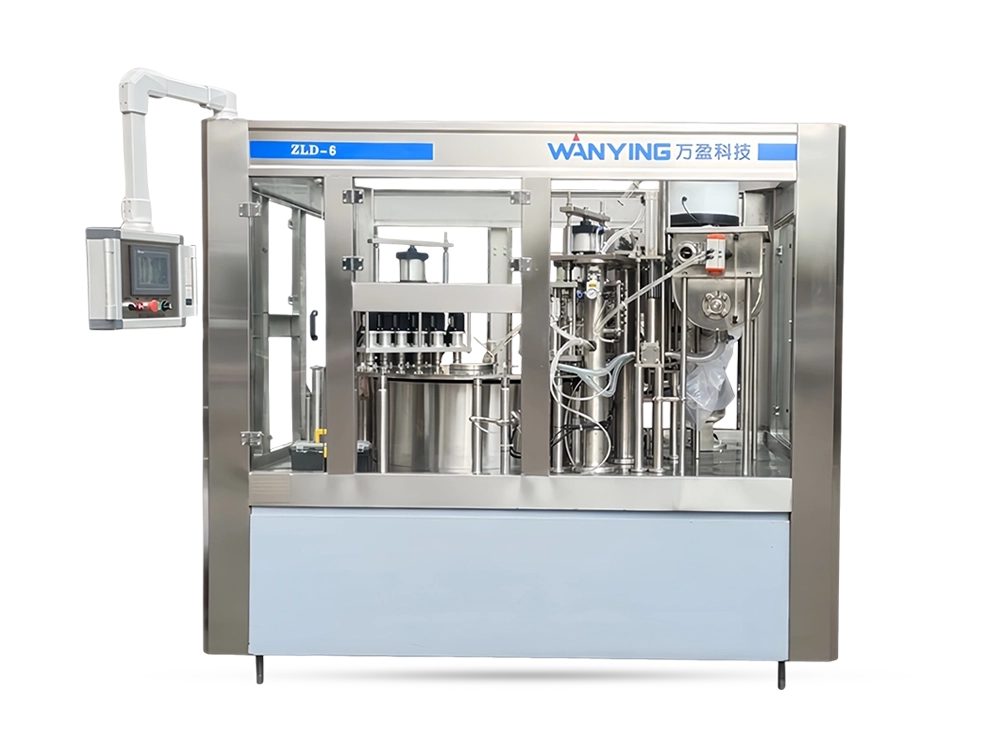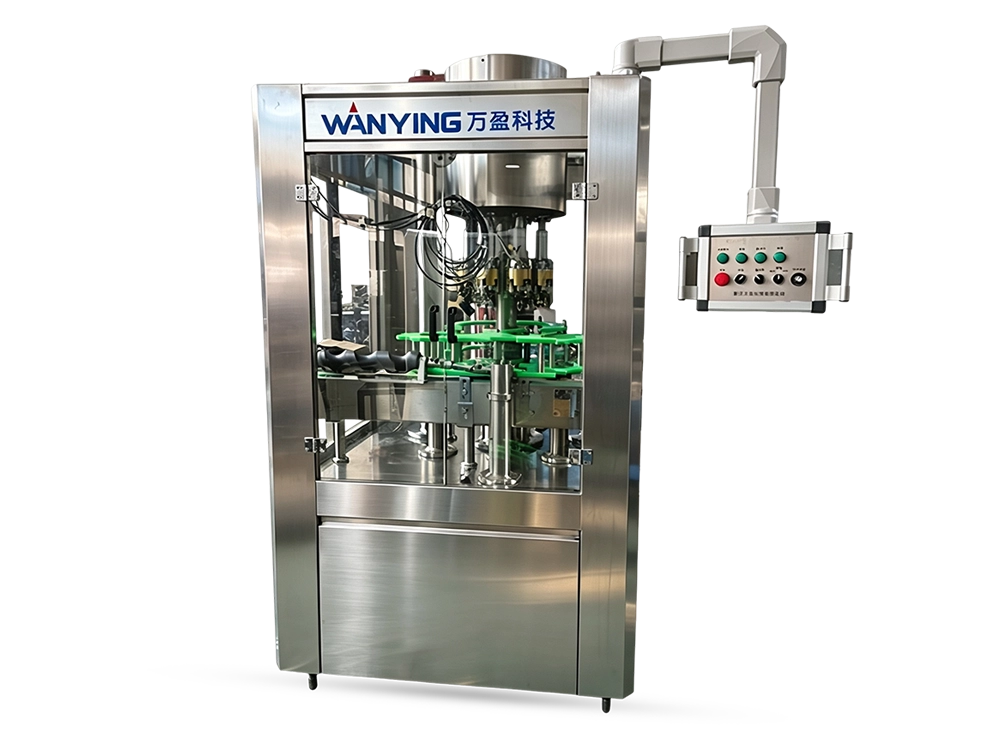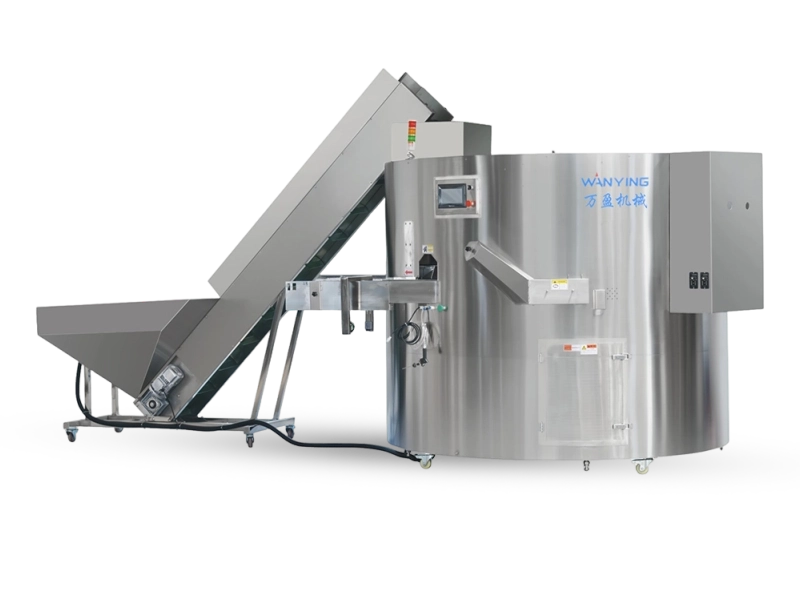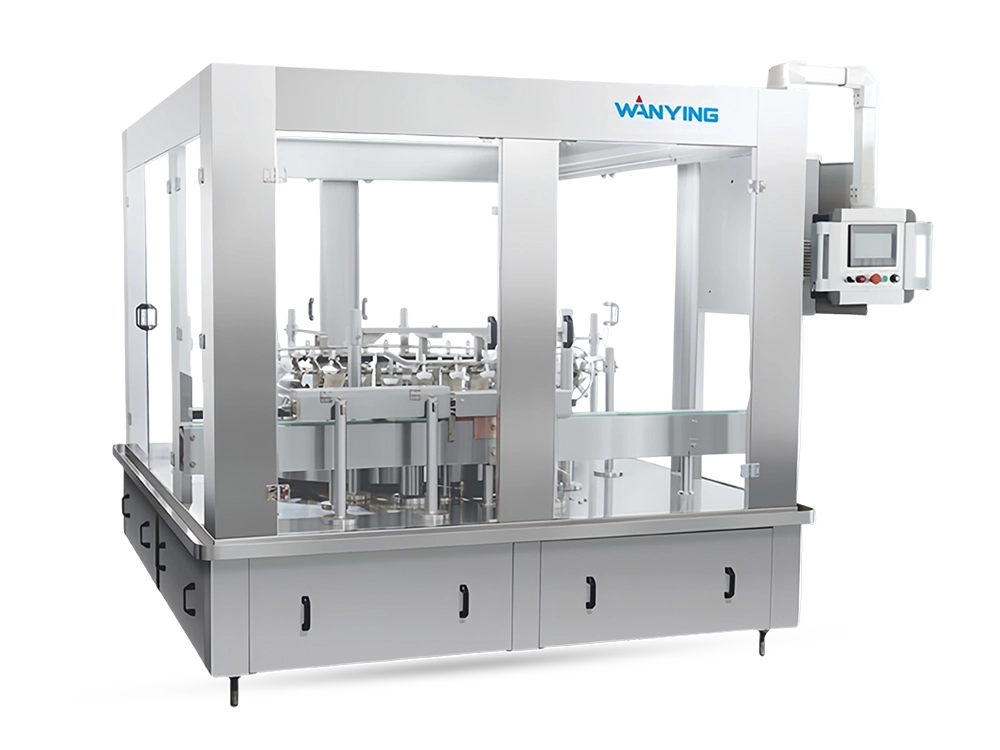
A reliable sealing process is essential for modern packaging industries where speed, consistency, and product protection directly influence business performance. A capping machine plays a critical role by automatically tightening caps, reducing manual labor, improving production efficiency, and ensuring stable sealing quality across different types of containers. This article explains how a capping machine works, why manufacturers need it, how to select the right equipment, and how companies can overcome common packaging challenges with advanced solutions.
With years of experience in packaging machinery development, Wanying provides professional capping machine solutions designed to meet different production requirements. From small-scale operations to high-volume industrial applications, the right capping technology helps businesses achieve reliable packaging results while lowering operational costs.
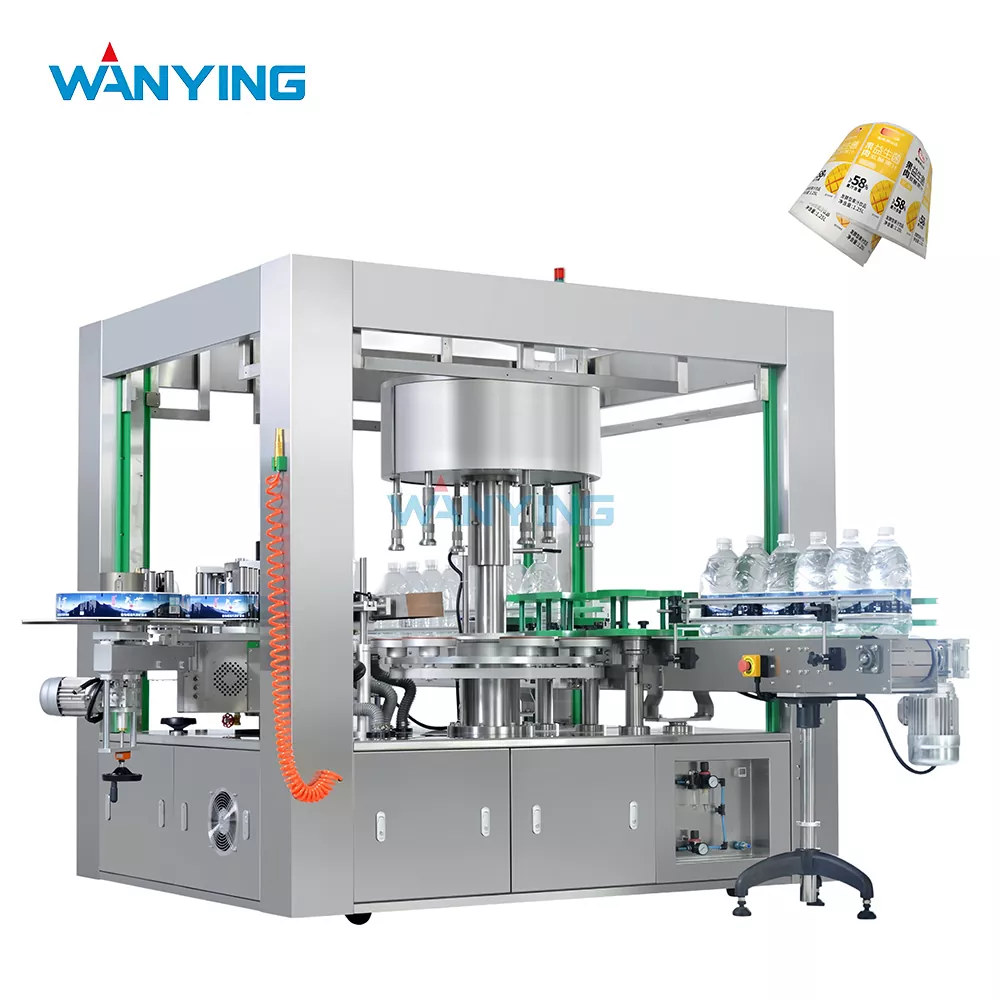
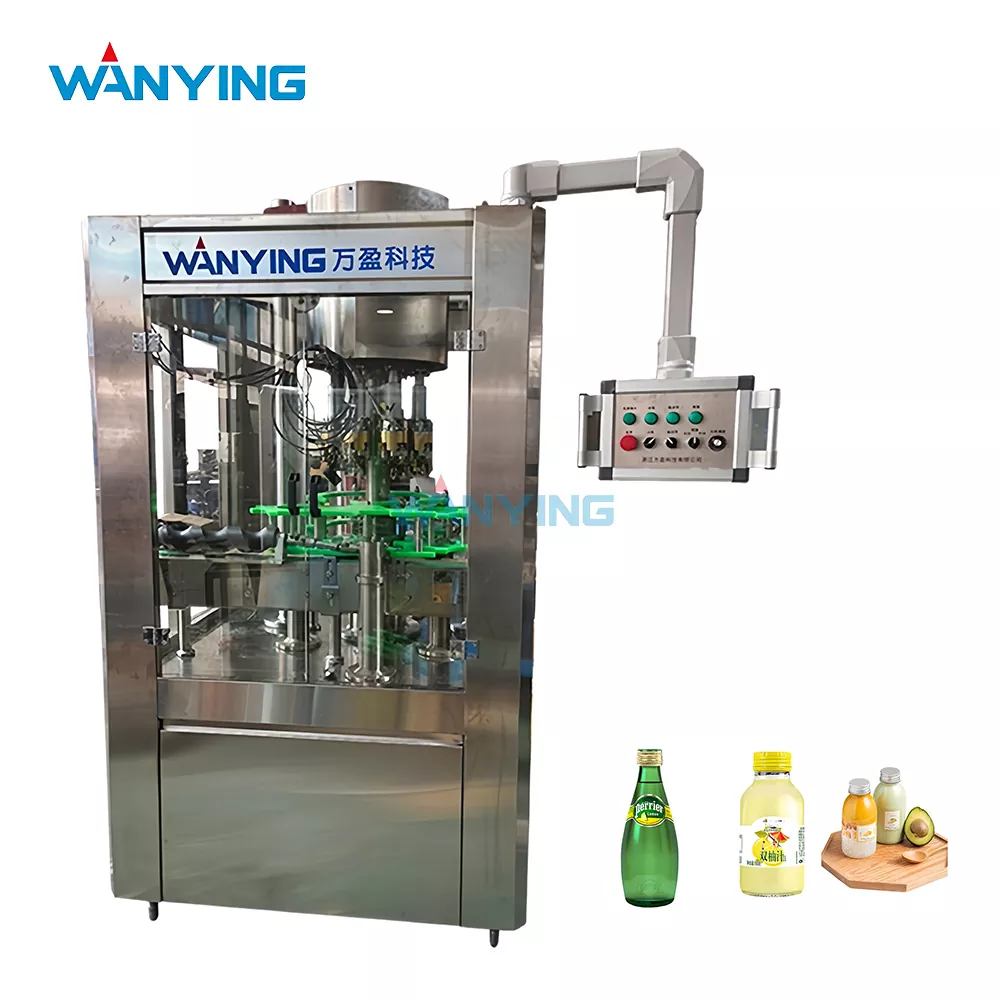
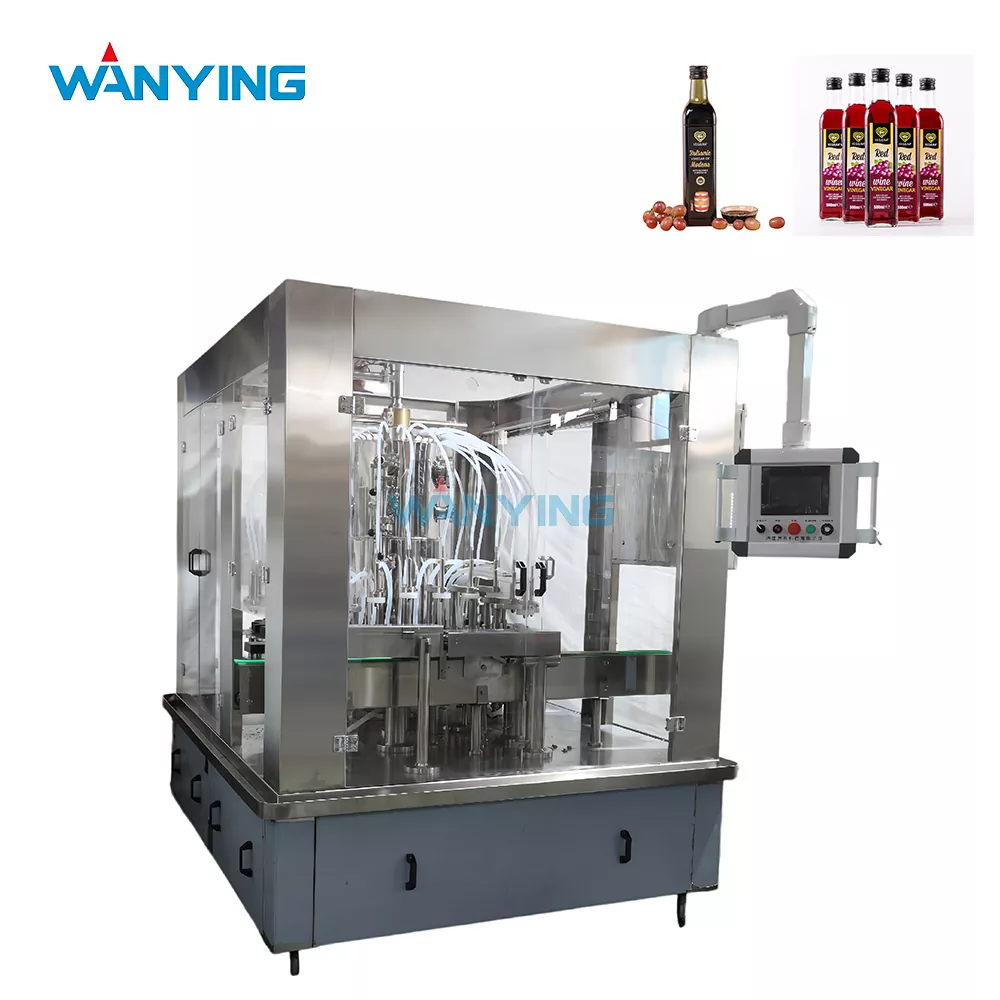
A capping machine is an automated packaging device designed to apply and tighten caps onto bottles, jars, containers, and other packages. It is widely used in industries such as food and beverage, cosmetics, pharmaceuticals, chemicals, and daily consumer products.
Compared with manual capping operations, an automatic capping machine provides higher accuracy and better production stability. It controls the torque, positioning, and sealing process to ensure every container receives the correct cap installation.
The main purpose of a capping machine is not only to close containers but also to protect product quality. A properly sealed package prevents leakage, contamination, evaporation, and damage during transportation and storage.
Modern packaging factories increasingly rely on automated capping equipment because customers expect safe, attractive, and dependable products. A high-performance capping machine becomes an important part of an efficient production line.
Understanding the working principle of a capping machine helps manufacturers select suitable equipment and improve production processes. Although designs may vary, most machines operate through several key stages.
The combination of automation, precision control, and mechanical stability allows a capping machine to maintain consistent packaging performance even during long production hours.
Many manufacturers face challenges caused by traditional manual packaging methods, including inconsistent sealing strength, slow production speed, and increasing labor costs. A capping machine helps solve these issues by introducing automation and accuracy.
| Common Challenge | How a Capping Machine Helps |
|---|---|
| Slow manual operation | Automates the sealing process and increases production capacity |
| Uneven cap tightening | Provides consistent torque control for every package |
| High labor dependency | Reduces the need for repetitive manual work |
| Product leakage risks | Improves sealing reliability and package protection |
| Production errors | Enhances accuracy through automated control systems |
For companies handling large production volumes, investing in a suitable capping machine can significantly improve overall productivity and reduce unnecessary waste caused by packaging failures.
Different industries require different sealing methods. Choosing the correct type of capping machine depends on container design, cap structure, production speed, and application requirements.
Selecting the appropriate equipment ensures better compatibility between the machine and packaging materials, helping manufacturers avoid unnecessary adjustments and downtime.
Choosing a capping machine requires careful consideration of production conditions and long-term business goals. The following factors should be evaluated before purchasing equipment.
A carefully selected capping machine can improve packaging efficiency while reducing long-term operating expenses.
Packaging problems can affect product reputation and customer satisfaction. A modern capping machine helps manufacturers overcome many common issues.
By improving consistency and efficiency, capping machines allow manufacturers to focus on product development and market growth rather than repetitive packaging tasks.
Regular maintenance is important for extending equipment life and maintaining stable production quality. Proper care also helps prevent unexpected downtime.
A well-maintained capping machine delivers better performance, higher reliability, and longer service life.
Wanying focuses on providing dependable packaging machinery designed for modern manufacturing requirements. The company understands that different industries have unique packaging challenges, so customized solutions are developed according to customer production conditions.
Wanying capping machines are designed with attention to operational stability, sealing accuracy, and user-friendly performance. By combining practical engineering experience with advanced manufacturing technology, Wanying helps customers improve packaging efficiency and maintain consistent product quality.
Whether businesses need equipment for food packaging, cosmetics, daily products, or industrial applications, selecting a professional machinery partner can make a significant difference in production performance.
A capping machine can be used for bottles, jars, containers, and packages across industries including food, beverages, cosmetics, pharmaceuticals, and chemicals.
Many machines can support multiple cap sizes through adjustable components or customized configurations. The exact capability depends on the machine design.
Modern automatic capping machines are designed for simple operation. With proper training, operators can quickly learn machine adjustment and daily operation procedures.
Using a high-quality machine with precise torque control, regular maintenance, and suitable settings can greatly improve sealing accuracy.
Automated capping equipment improves productivity, reduces labor costs, minimizes packaging errors, and provides consistent sealing quality for large-scale production.
A capping machine is an essential solution for manufacturers seeking faster production, reliable sealing performance, and improved packaging quality. By replacing inconsistent manual processes with accurate automation, businesses can reduce costs and create more dependable products for customers.
Wanying provides professional capping machine solutions that help companies optimize their packaging operations with efficient and stable equipment. If you are looking for a reliable packaging solution tailored to your production needs, please contact us for more information and professional support.