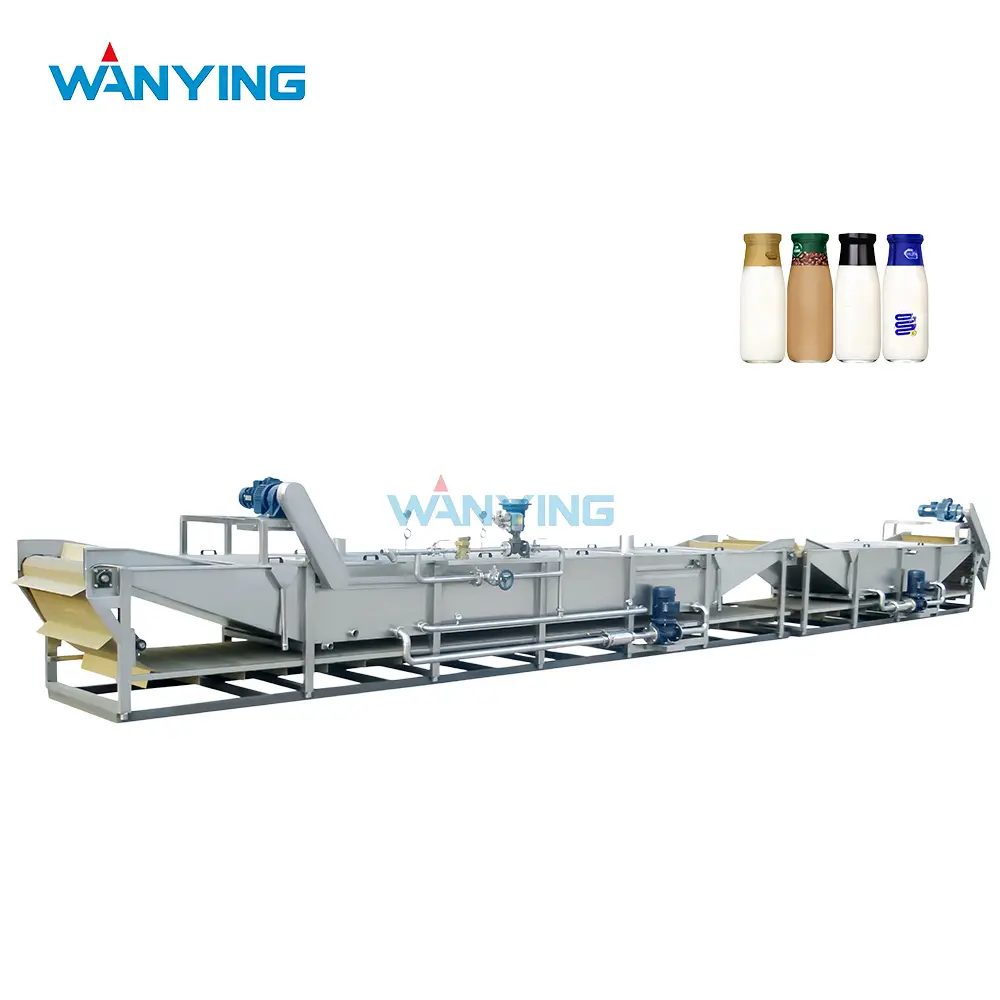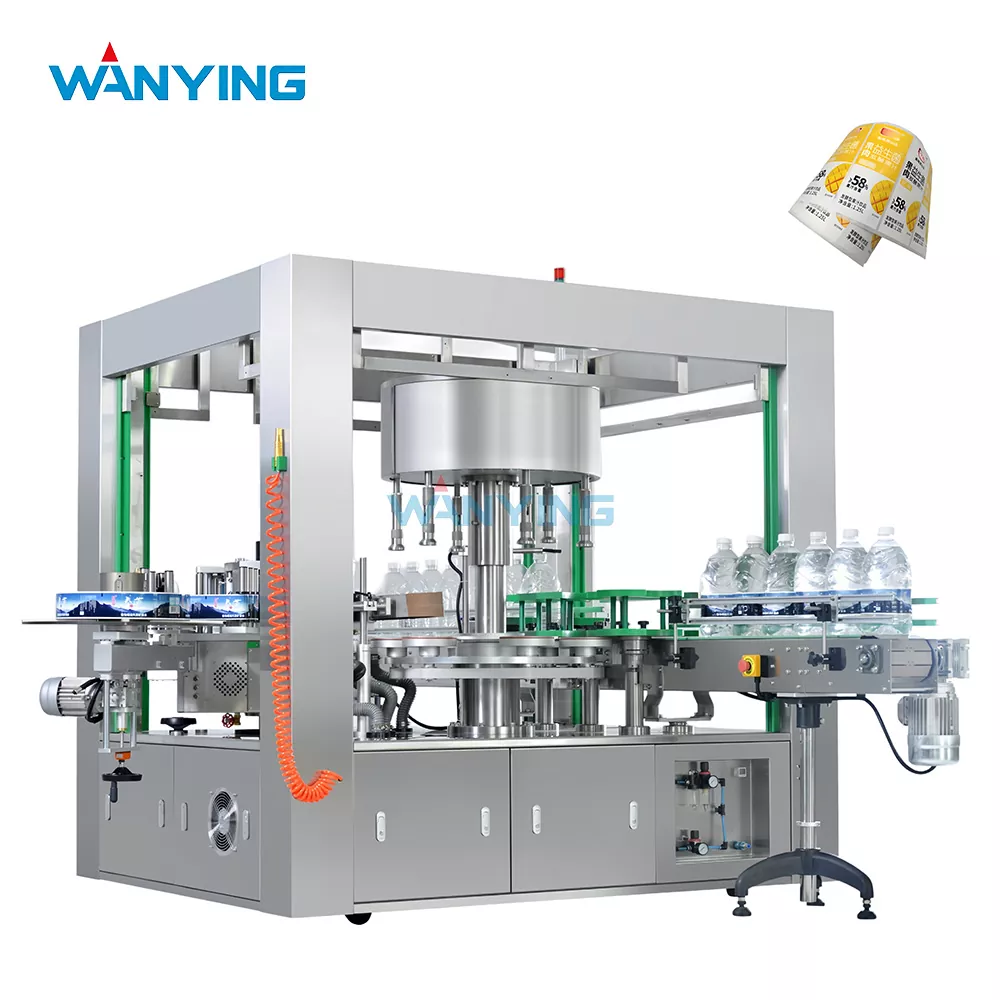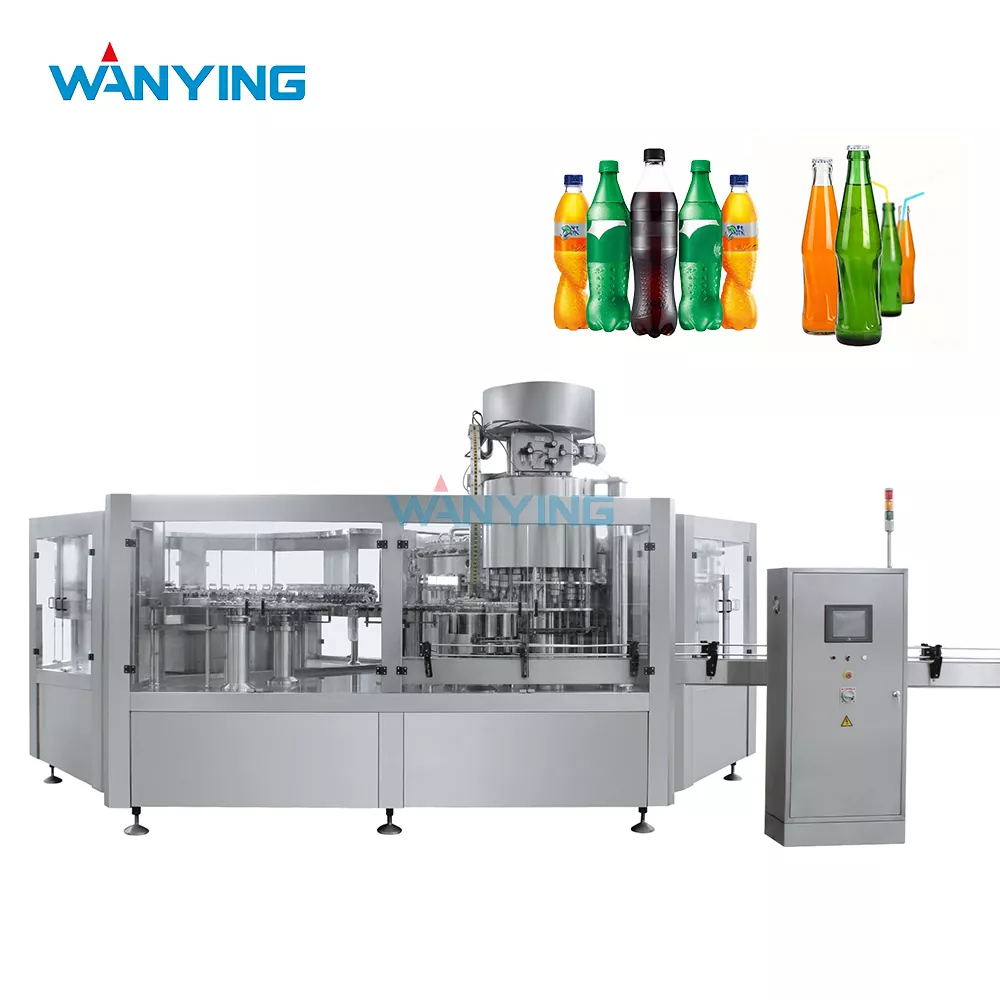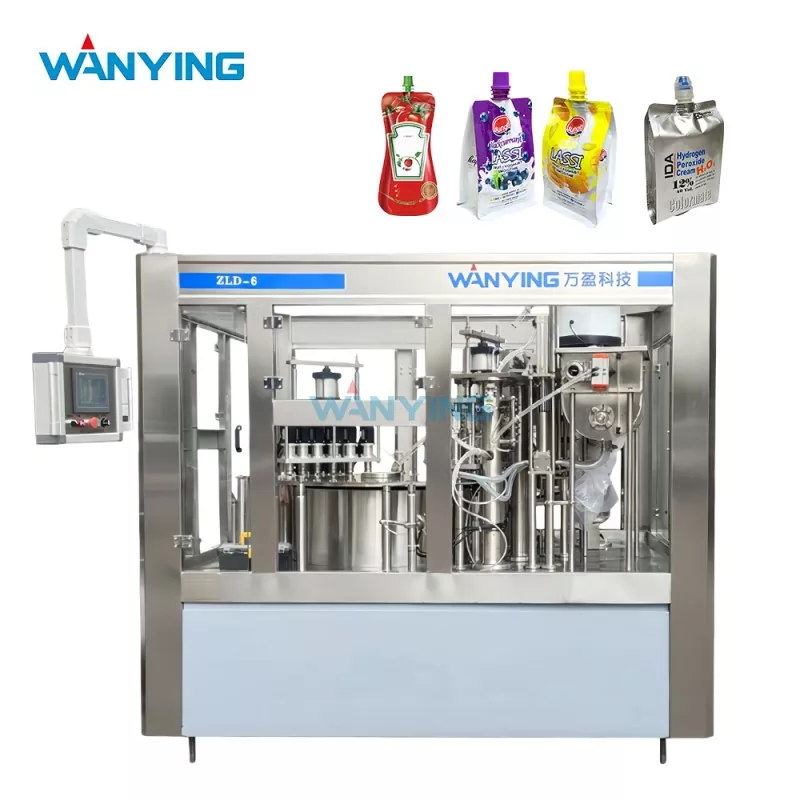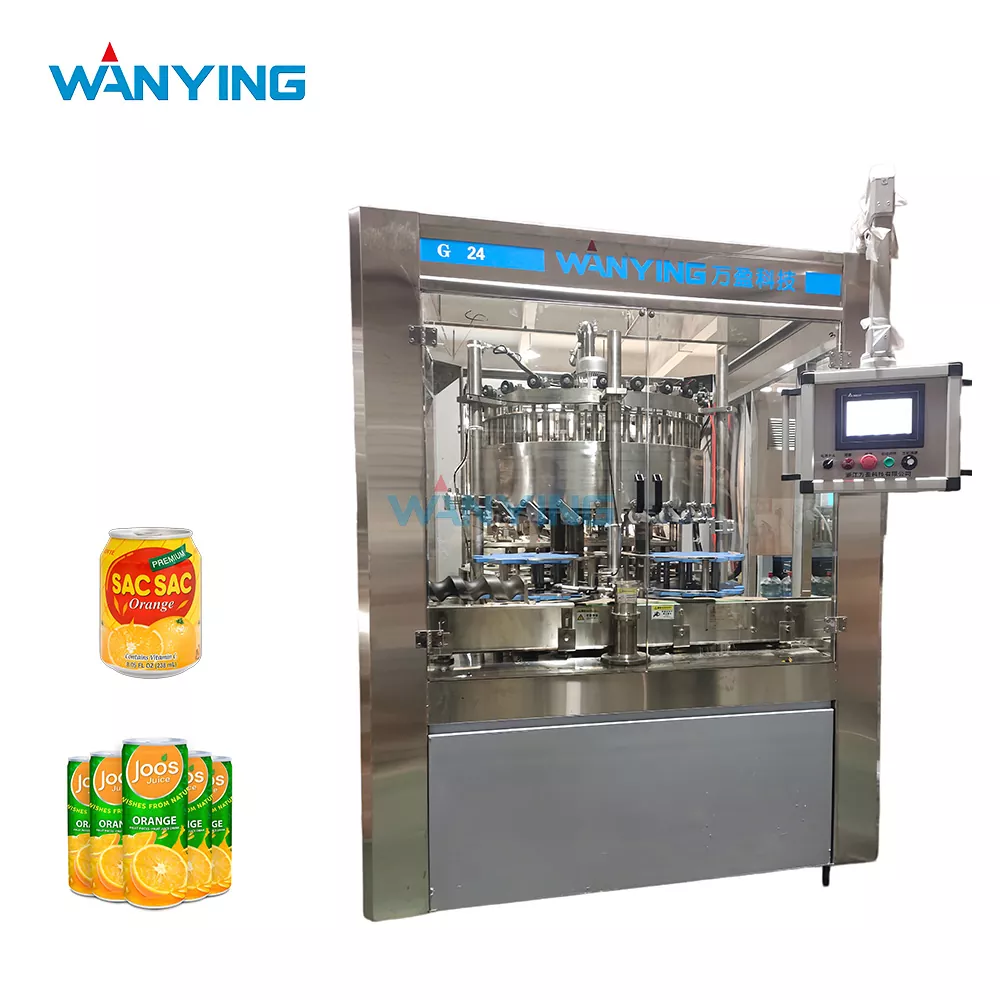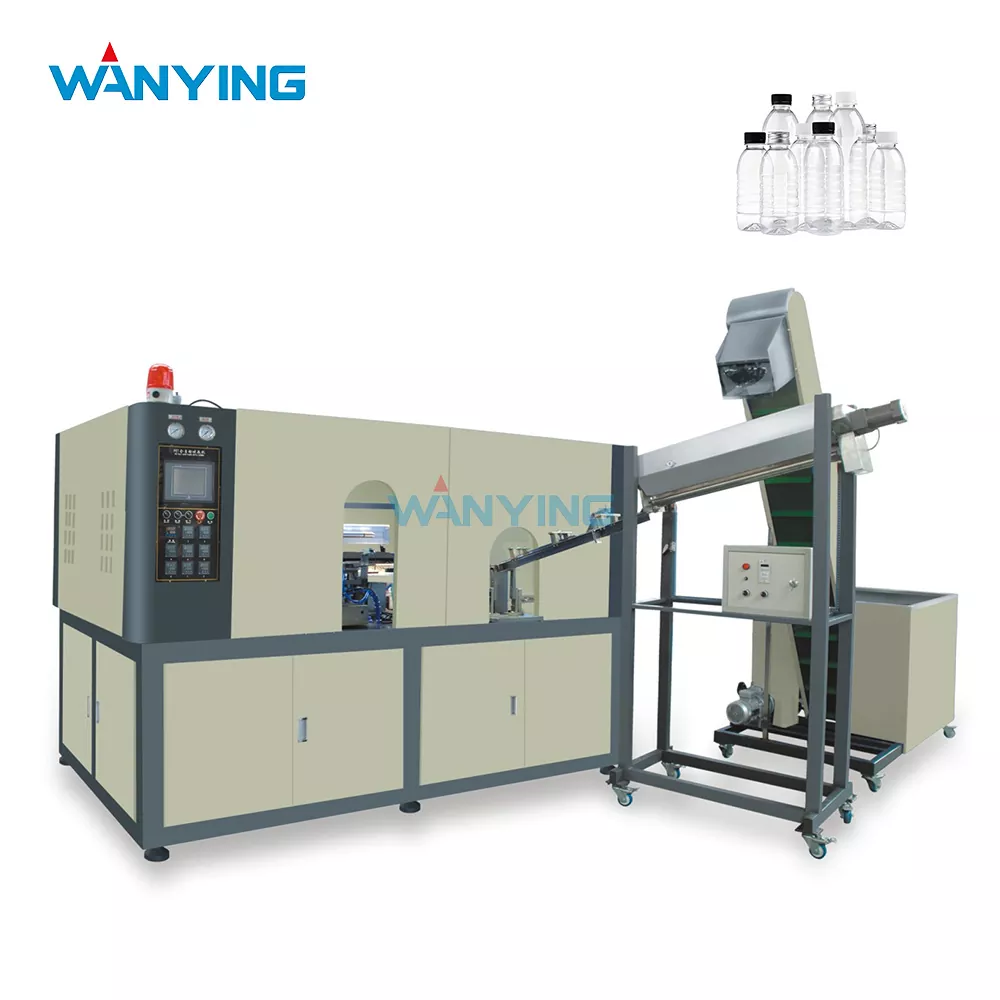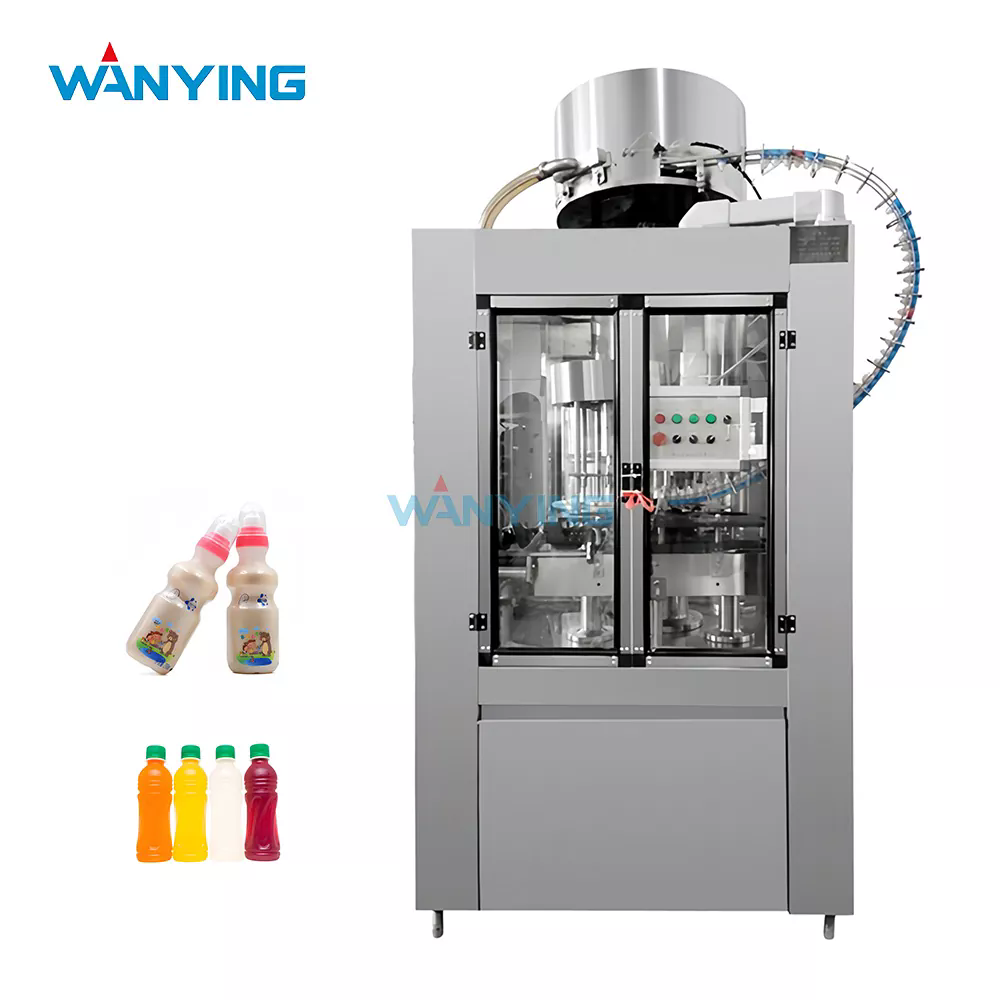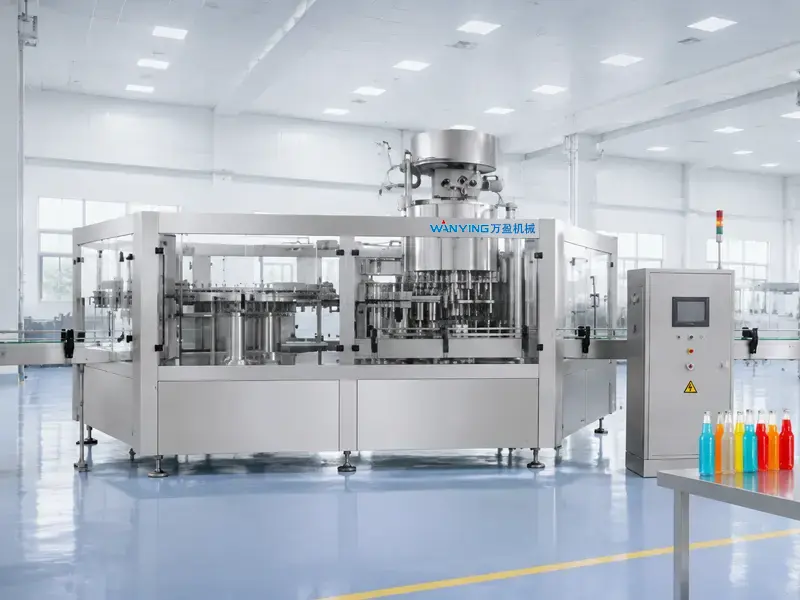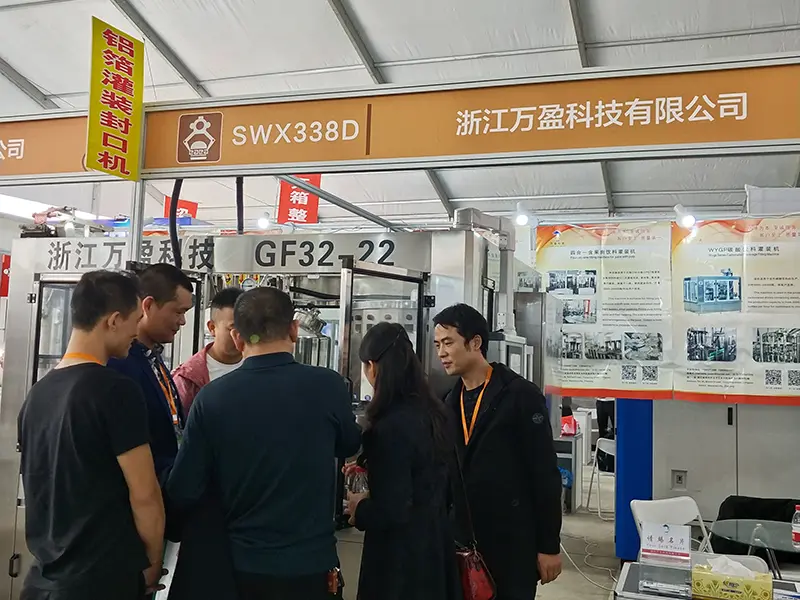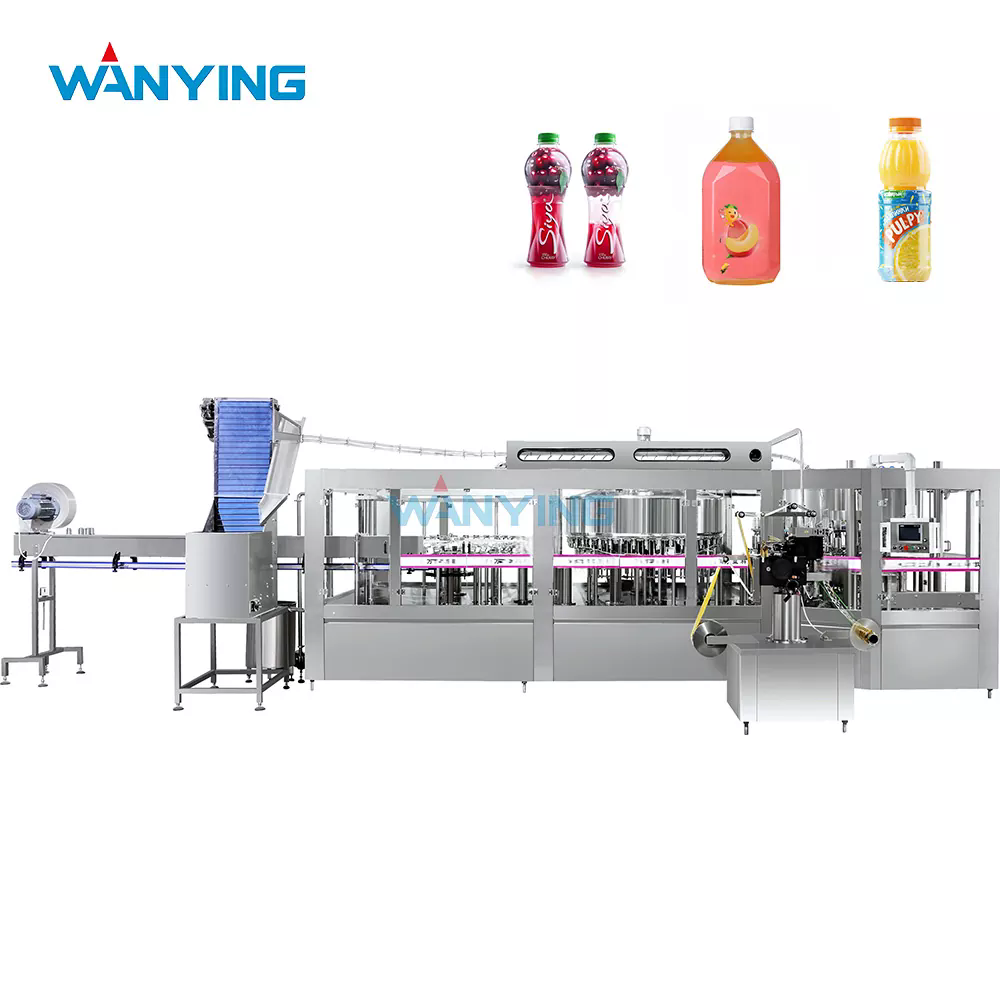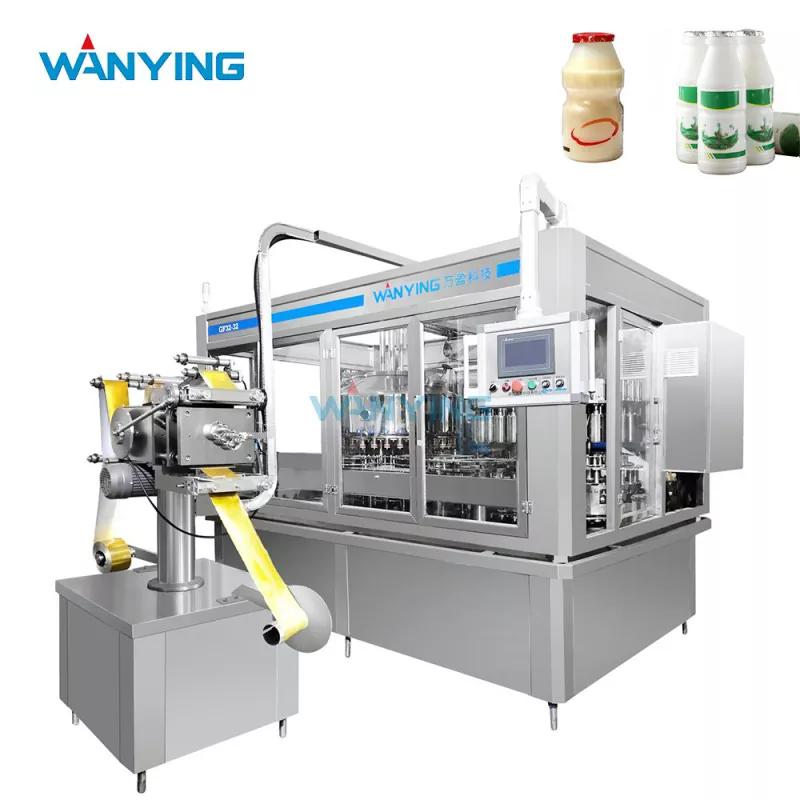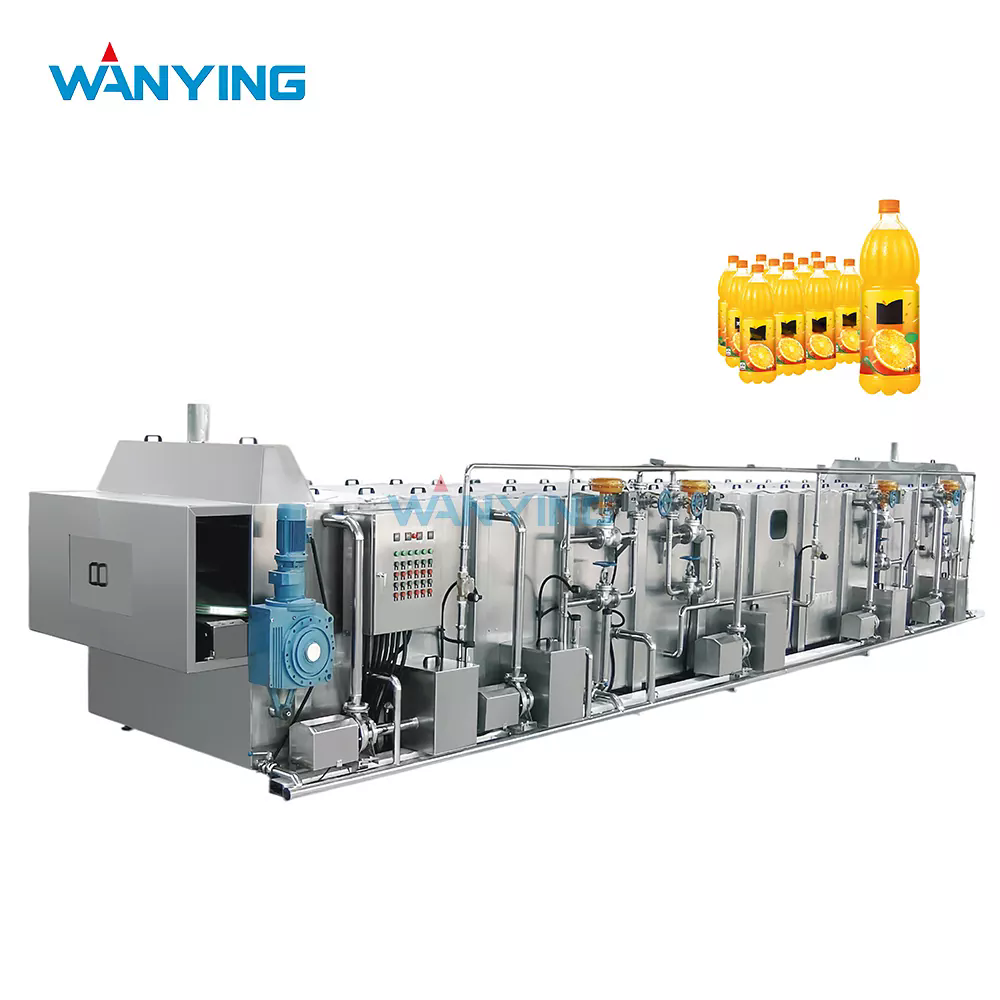
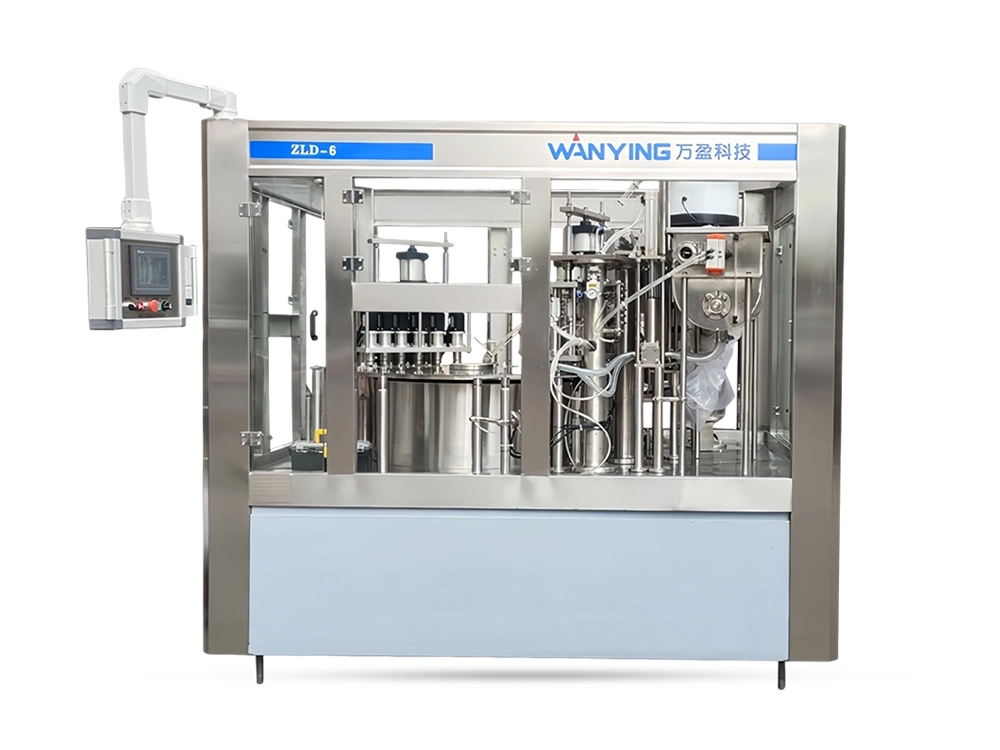
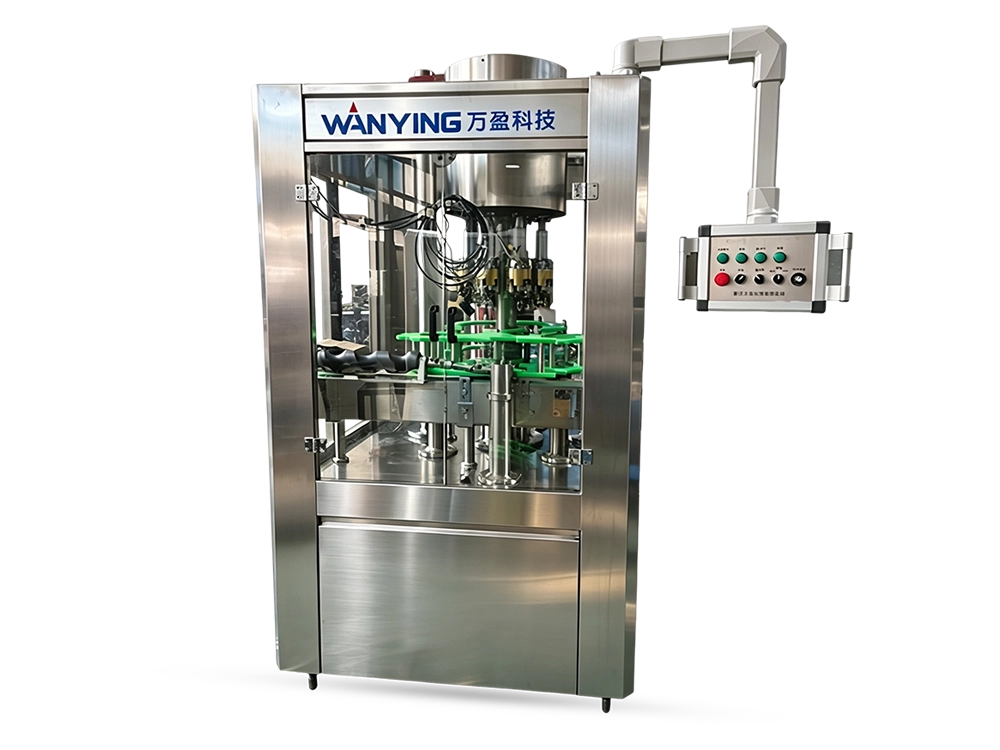
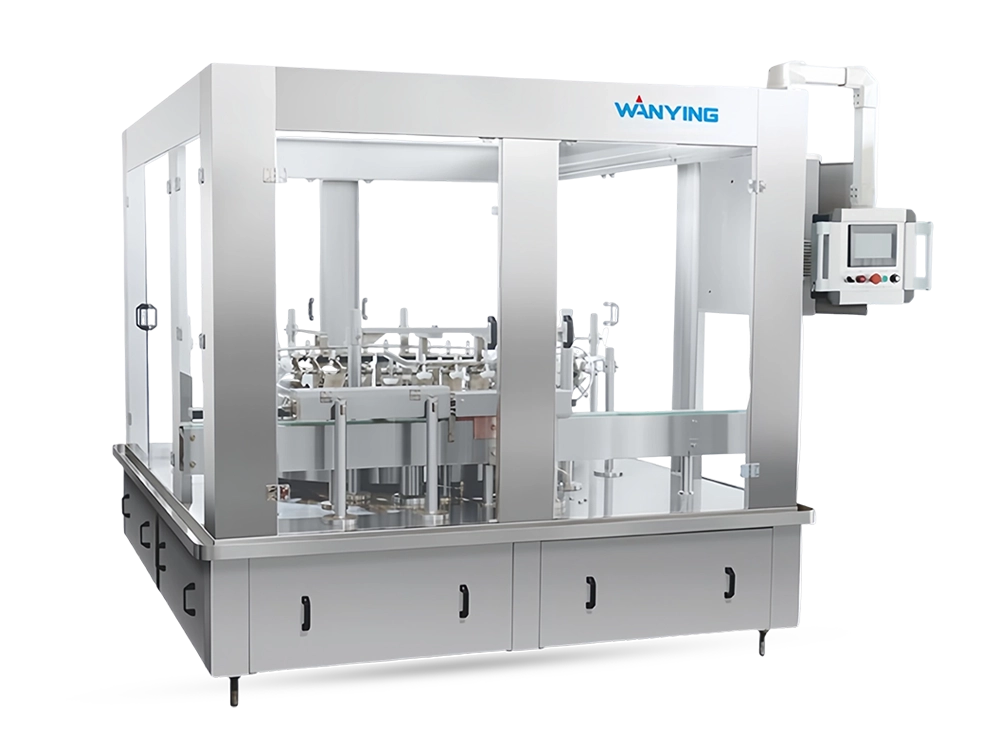
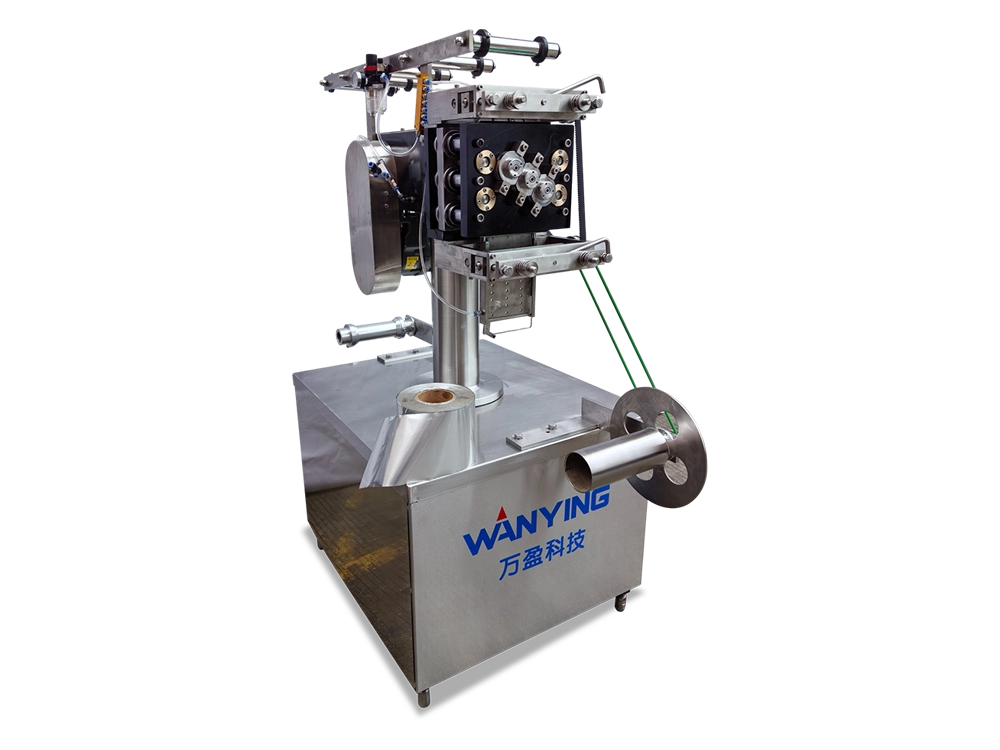
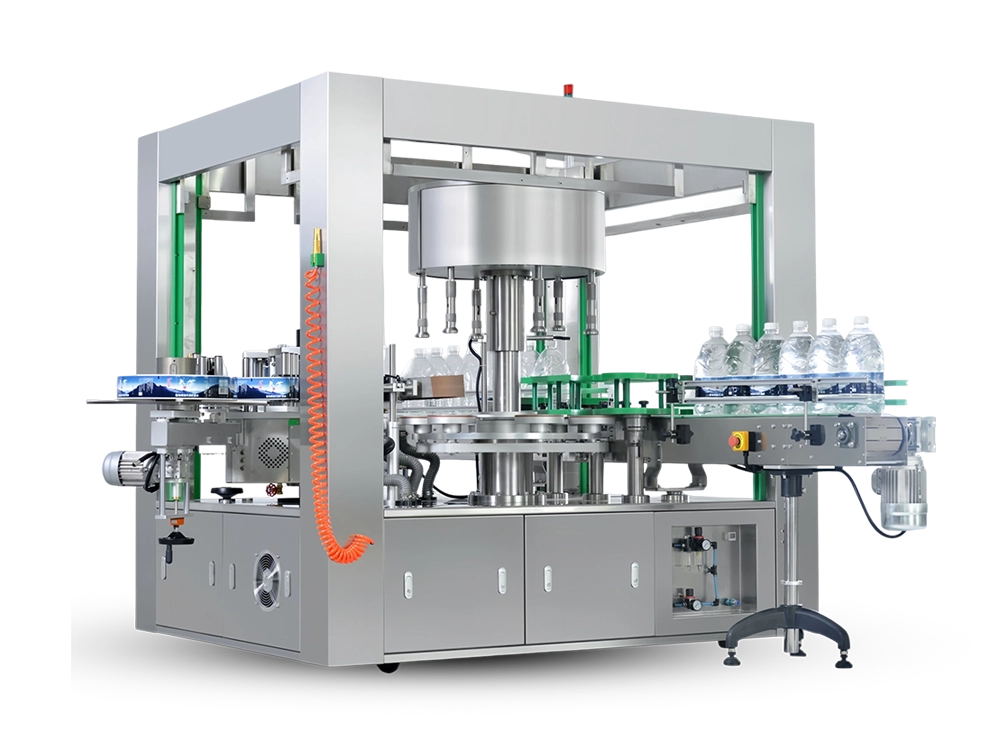

For beverage, dairy, condiment, and liquid food manufacturers, production efficiency depends on more than filling speed alone. The 4-in-1 filling machine from Wanying combines bottle rinsing, liquid filling, aluminum foil sealing, and capping into one integrated system. With a capacity of 2,000–2,800 bottles per hour, support for 0.3–2L bottles, and filling accuracy of ±0.4%, this integrated solution helps manufacturers reduce equipment footprint, simplify production flow, and improve packaging consistency.
A modern integrated filling system can replace several independent processing stages with a coordinated production unit. Wanying's 4-in-1 solution is designed for purified water, fruit juice, dairy products, sauces, and other low- to medium-viscosity liquids. It combines rinsing, precision filling, aluminum foil sealing, and capping, helping production plants reduce material transfer points and manual intervention. Its 0.3–2L bottle range, 2,000–2,800 BPH output, and ±0.4% filling accuracy make it suitable for manufacturers seeking a practical balance between automation, hygiene, production capacity, and space utilization.
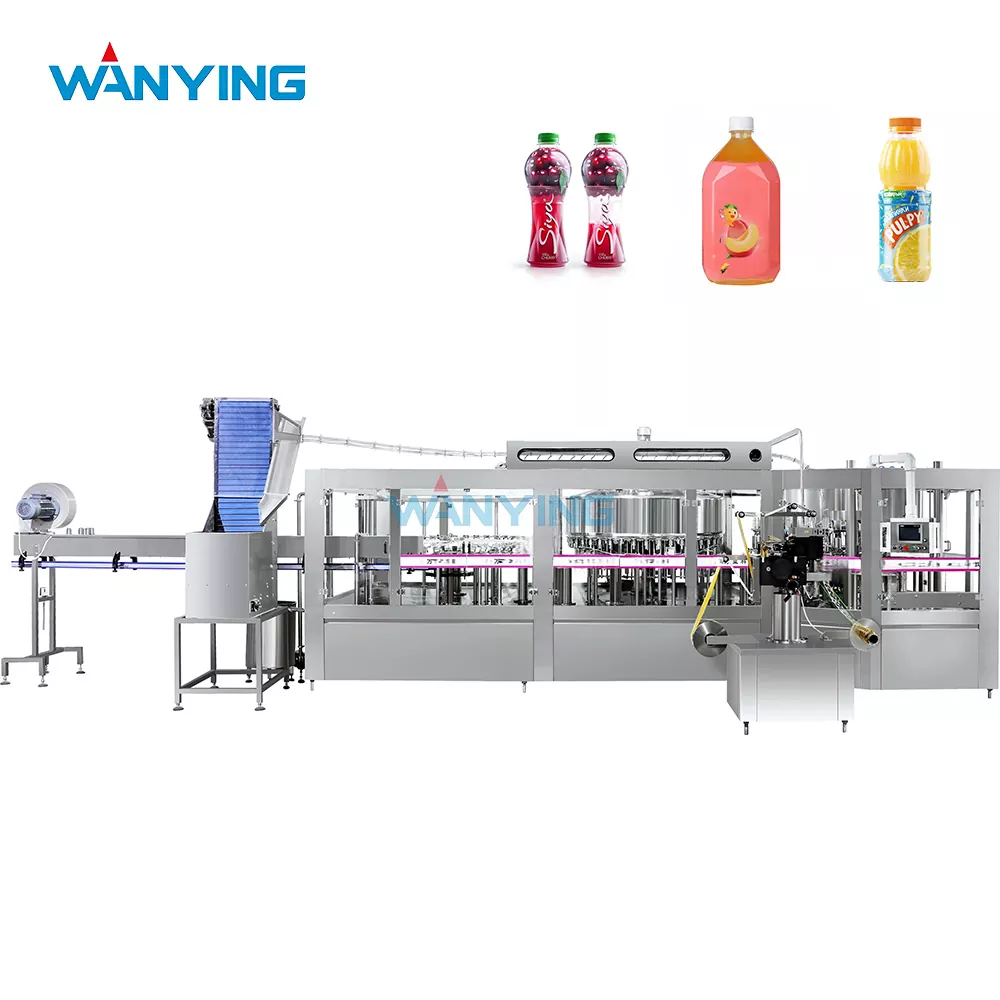
Table of Contents
- What Is a 4-in-1 Filling Machine?
- How Do the Four Functions Work Together?
- Key Specifications at a Glance
- What Are the Main Production Advantages?
- Which Industries Can Use This Filling System?
- What Should Buyers Consider Before Purchasing?
- How Can Operators Maintain Stable Performance?
- Frequently Asked Questions
- Conclusion
What Is a 4-in-1 Filling Machine?
A 4-in-1 filling machine is an integrated liquid packaging system that combines four important bottle-processing operations into one coordinated machine: rinsing, filling, aluminum foil sealing, and capping. Instead of transferring bottles between several standalone machines, containers can move continuously through the integrated processing stages.
This configuration is particularly valuable for factories that need higher automation without continuously expanding their production floor. By combining several operations, the system can reduce the number of conveyors and intermediate transfer points while creating a more compact production layout.
Wanying's model is designed for 0.3–2L bottles and provides a rated production capacity of 2,000–2,800 bottles per hour. Its integrated design is suitable for liquid products where consistent filling, container cleanliness, sealing performance, and reliable closure are important production requirements.
How Do the Four Functions Work Together?
1. Bottle Rinsing
The first stage prepares empty bottles before liquid enters the container. Depending on the production configuration, bottles can be rinsed using suitable cleaning media to remove dust, particles, and other potential contaminants. Proper bottle preparation establishes a cleaner starting point for subsequent filling.
2. Precision Liquid Filling
After rinsing, bottles move directly into the filling section. The filling mechanism is designed to dispense a controlled volume into each container. Wanying specifies filling accuracy of up to ±0.4% for this model, helping manufacturers maintain consistent net content and reduce unnecessary product giveaway.
3. Aluminum Foil Sealing
The next stage applies an aluminum foil seal to the bottle mouth. This creates an additional barrier between the packaged product and the external environment. It also provides visible tamper evidence, which can be particularly useful for beverages, dairy products, sauces, and other packaged liquid products.
4. Automatic Capping
Finally, the bottle enters the capping section, where the closure is positioned and tightened. Consistent capping helps reduce leakage caused by loose closures while avoiding excessive tightening that may make opening unnecessarily difficult.
The key advantage is not simply having four functions in one machine. The real benefit comes from synchronizing these operations into one continuous workflow, reducing unnecessary bottle handling between individual machines.
Key Specifications at a Glance
When evaluating an integrated filling system, production managers should compare capacity, container range, accuracy, and processing functions rather than focusing only on the headline output.
| Parameter | Wanying 4-in-1 Filling Machine |
|---|---|
| Applicable Bottle Volume | 0.3–2 L |
| Production Capacity | 2,000–2,800 BPH |
| Filling Accuracy | ±0.4% |
| Integrated Functions | Rinsing, filling, aluminum foil sealing, capping |
| Typical Applications | Water, juice, dairy, sauces, fermented liquids |
| System Configuration | Integrated automated production unit |
These specifications make the equipment appropriate for manufacturers looking for an integrated solution rather than purchasing four separate processing units and connecting them through multiple conveyors.
What Are the Main Production Advantages?
Reduced Floor-Space Requirements
Traditional bottling lines may require separate machines for rinsing, filling, sealing, and capping, together with conveyors between each stage. An integrated configuration reduces the amount of auxiliary conveying equipment and can make better use of limited factory space.
More Continuous Production Flow
When individual processes are synchronized, bottles spend less time being transferred between machines. This can simplify material flow and reduce the number of points where operators need to intervene.
Improved Packaging Hygiene
Fewer manual transfer stages can help limit unnecessary exposure of open containers. This is especially important when producing beverages, dairy products, and other liquid foods where hygiene and contamination control are key operational concerns.
Consistent Filling Performance
Accurate liquid dosing is directly connected to product quality and production cost. A stated accuracy of ±0.4% helps manufacturers maintain more consistent fill volumes while controlling material loss.
Lower Equipment Coordination Complexity
Managing multiple standalone machines can involve separate adjustments, synchronization requirements, and maintenance procedures. An integrated machine simplifies the overall production architecture and can make operator training and daily production management more straightforward.
For manufacturers planning to expand an existing line, Wanying also provides a broader range of filling machinery and complementary packaging equipment that can be considered according to product characteristics and production requirements.
Which Industries Can Use This Filling System?
The application range of a 4-in-1 filling machine depends on product viscosity, bottle design, sealing requirements, and production configuration. The Wanying model is positioned for a variety of liquid and semi-liquid packaging applications.
- Purified water: Suitable for automated bottle rinsing, filling, sealing, and capping operations.
- Fruit juice: Supports consistent filling and hygienic packaging for beverage production lines.
- Dairy products: Useful where controlled filling and additional container sealing are required.
- Sauces and condiments: Can support suitable low- to medium-viscosity liquid products.
- Fermented liquids: Integrated packaging can reduce manual handling during bottle processing.
For highly viscous products or products containing large particles, manufacturers should evaluate viscosity, particle size, filling method, and nozzle configuration before confirming the final machine specification.
What Should Buyers Consider Before Purchasing?
Selecting packaging machinery should begin with the actual production requirements rather than the machine name alone. Buyers should evaluate several technical factors before placing an equipment order.
- Product characteristics: Confirm viscosity, temperature, acidity, particulate content, and foaming behavior.
- Bottle specifications: Check bottle volume, dimensions, neck design, material, and stability during transport.
- Required output: Compare the machine's rated BPH with current production demand and future expansion plans.
- Filling accuracy: Determine the acceptable tolerance according to the product and applicable packaging requirements.
- Sealing method: Verify whether aluminum foil sealing and the selected cap type match the container design.
- Factory layout: Measure available installation space and evaluate upstream and downstream equipment connections.
- After-sales support: Confirm installation, commissioning, operator training, spare-parts supply, and technical assistance before purchasing.
A professional filling machine manufacturer should be able to review these parameters and recommend an appropriate configuration instead of supplying a fixed machine without considering the complete production process.
How Can Operators Maintain Stable Performance?
Regular maintenance is essential for protecting filling accuracy, sealing quality, and production uptime. A practical maintenance routine can include:
- Clean filling nozzles and product-contact surfaces after production.
- Inspect the capping head for cap fragments or abnormal wear.
- Check bottle-position sensors and photoelectric sensors for cleanliness and alignment.
- Inspect pneumatic hoses, connectors, and moving components for signs of wear.
- Check drive belts and mechanical fasteners periodically.
- Verify filling accuracy through scheduled volumetric testing.
- Use appropriate food-grade lubricants where lubrication is required.
- Record maintenance activities to identify recurring problems before they cause extended downtime.
Wanying's product information recommends daily visual cleaning and inspection, weekly sensor and lubrication checks, and a more comprehensive quarterly system inspection. Following a documented maintenance schedule can help production teams identify small deviations before they become major equipment problems.
Frequently Asked Questions
1. What products can a 4-in-1 filling machine handle?
The system is designed for various low- to medium-viscosity liquid products, including purified water, fruit juice, liquid dairy products, sauces, soy sauce, vinegar, cooking oil, and certain liquid health products. Product viscosity and formulation should be evaluated before final configuration.
2. What bottle volume does the Wanying machine support?
The standard Wanying model is designed for bottles ranging from 0.3L to 2L. Actual compatibility should be confirmed according to the bottle's dimensions, neck configuration, material, and production requirements.
3. How fast can the machine operate?
The specified production capacity is 2,000–2,800 bottles per hour. Actual output can vary depending on bottle format, product characteristics, filling conditions, operator setup, and the overall production-line configuration.
4. What four operations are integrated into the machine?
The four integrated operations are bottle rinsing, liquid filling, aluminum foil sealing, and capping. Combining these processes creates a continuous and compact bottling workflow.
5. How accurate is the filling process?
The specified filling accuracy is ±0.4%. Actual performance should be validated under the customer's product, bottle, and operating conditions during commissioning.
6. Can the machine be integrated into a complete production line?
Yes. The integrated unit can be combined with suitable upstream and downstream equipment according to production requirements. Wanying also supplies other filling and packaging equipment, allowing buyers to develop a more complete automated production solution.
7. Does Wanying provide technical support after purchase?
Wanying provides technical support covering equipment installation, commissioning, operation guidance, troubleshooting, and related after-sales services. Buyers should confirm the specific service scope and project requirements before ordering.
Conclusion
A well-designed integrated bottling system can help manufacturers address several common production challenges at the same time: limited floor space, inconsistent filling, excessive manual handling, and complicated equipment coordination. By combining rinsing, filling, aluminum foil sealing, and capping, the Wanying 4-in-1 solution provides a streamlined approach for liquid product packaging, with 0.3–2L bottle compatibility, 2,000–2,800 BPH capacity, and ±0.4% specified filling accuracy. If you are planning a new beverage, dairy, condiment, or liquid-food production line, contact us to discuss your bottle specifications, product characteristics, required output, and customized equipment configuration with the Wanying engineering team.