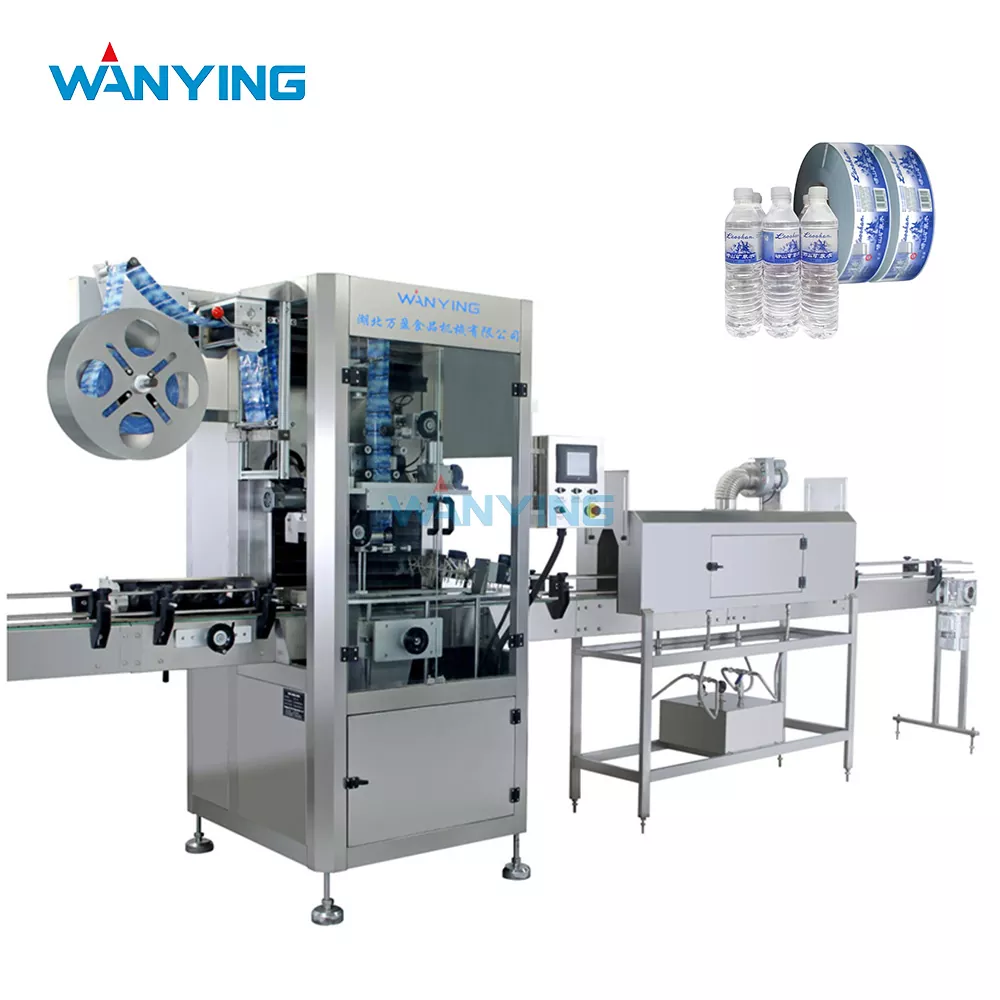
Article Summary
The modern beverage and liquid product industry requires manufacturers to achieve higher production efficiency, stable filling accuracy, and reduced operational costs. A traditional production line often requires multiple independent machines for bottle handling, rinsing, filling, and sealing, which increases equipment investment, maintenance complexity, and production space requirements. A 4-in-1 filling machine provides an integrated solution by combining multiple processing steps into one automated system.
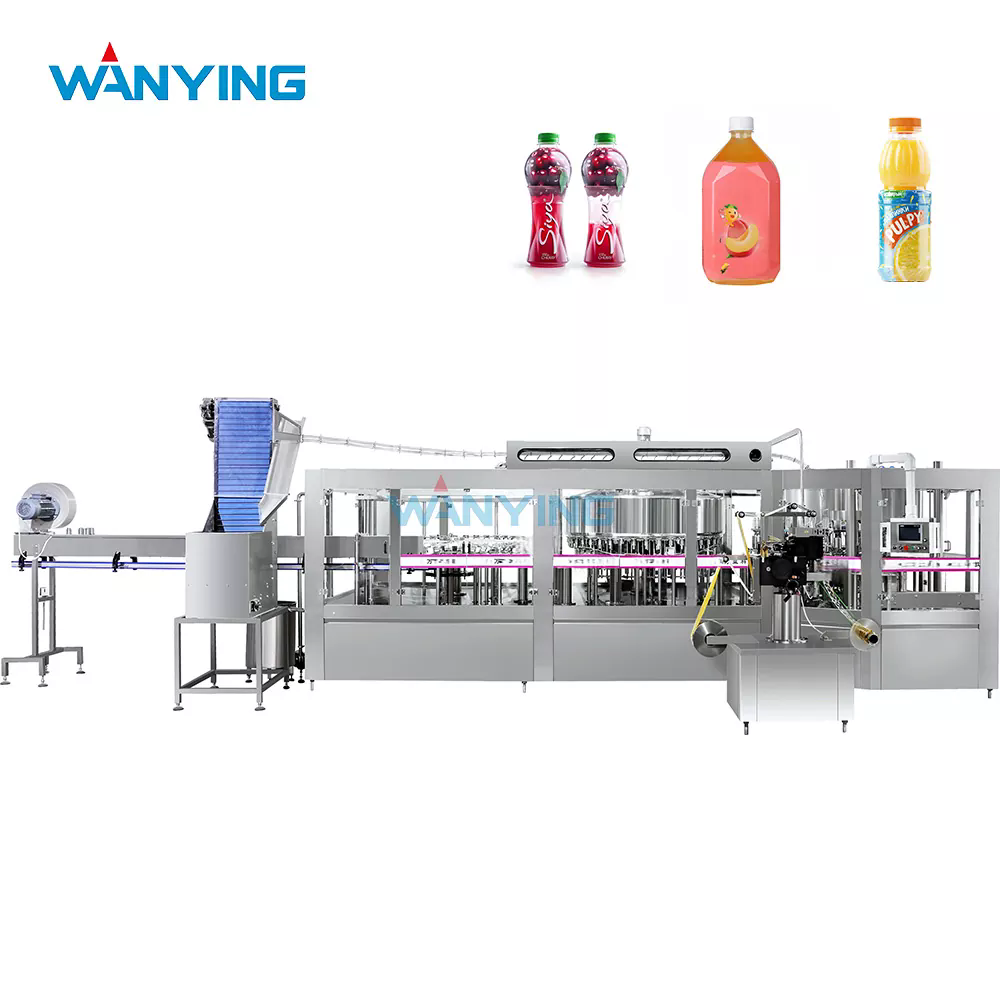
This article explains how a 4-in-1 filling machine works, why manufacturers choose integrated filling solutions, what challenges it can solve, and how companies can select the right equipment for long-term production success. With professional manufacturing experience, Wanying provides customized filling solutions designed to meet different beverage, dairy, water, and liquid product packaging requirements.
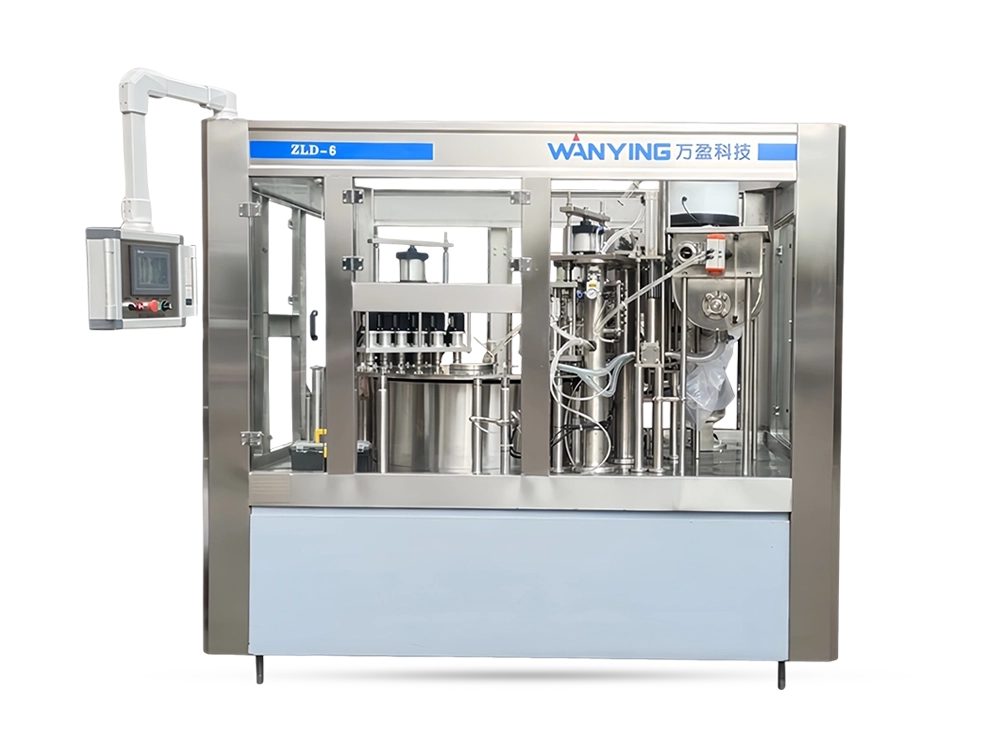
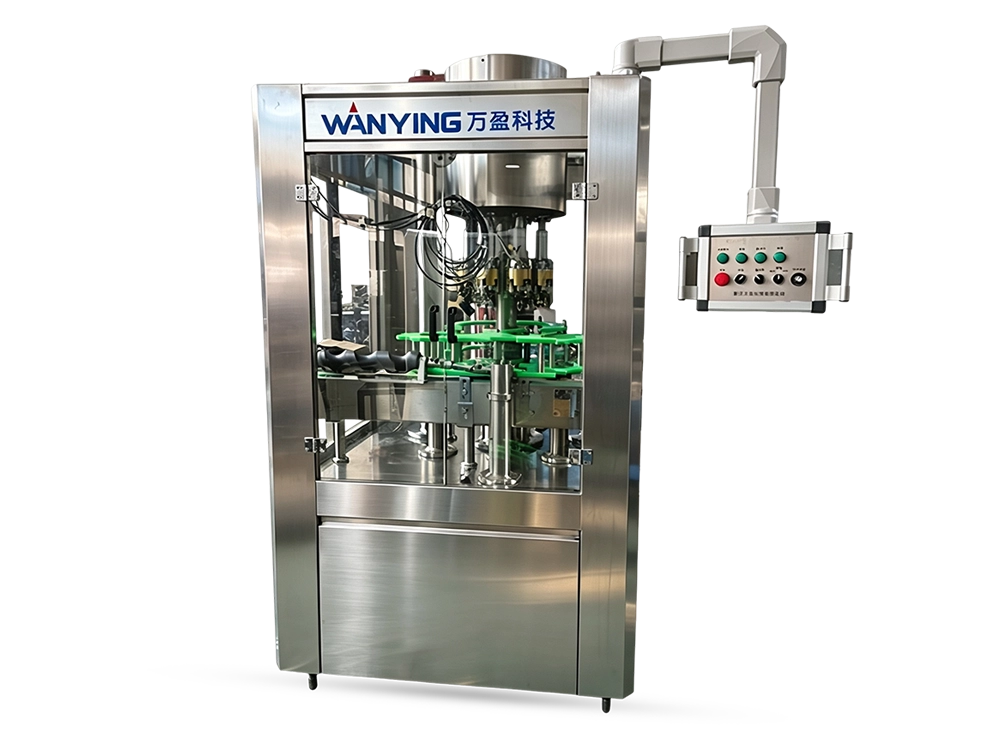
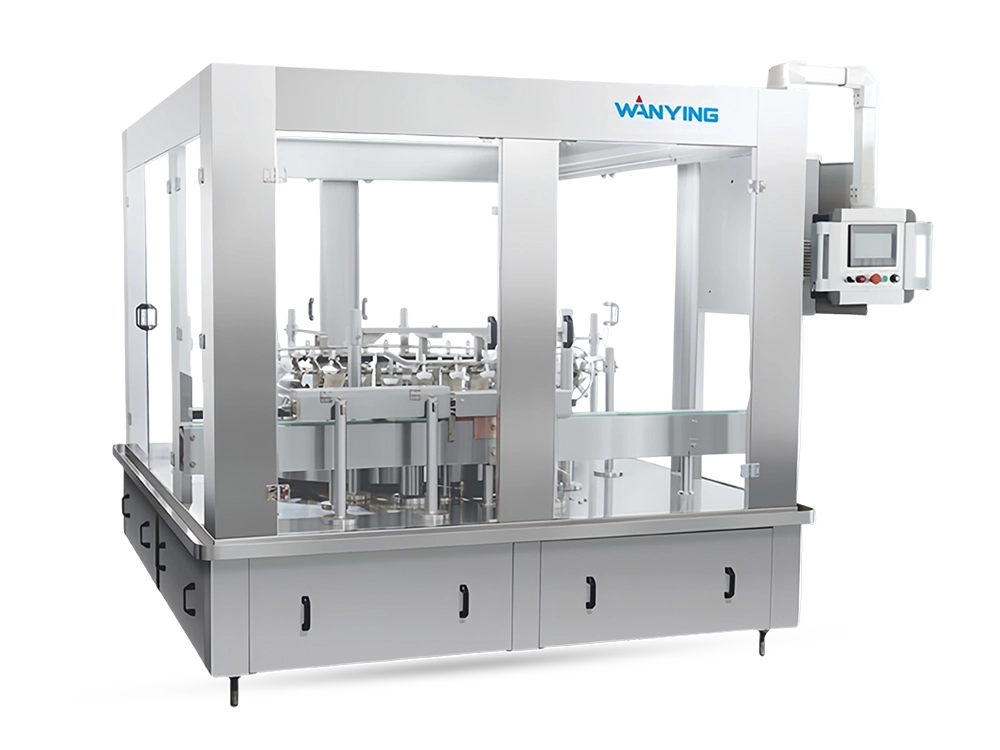
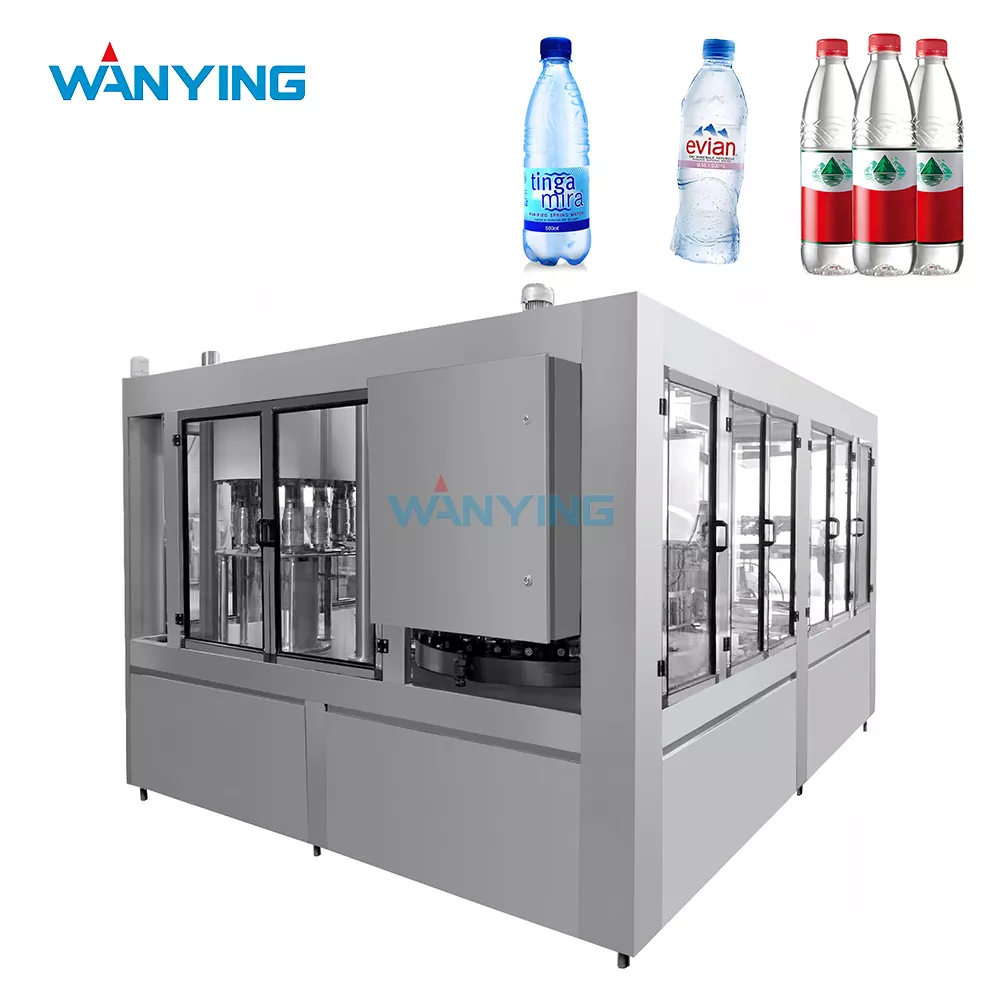
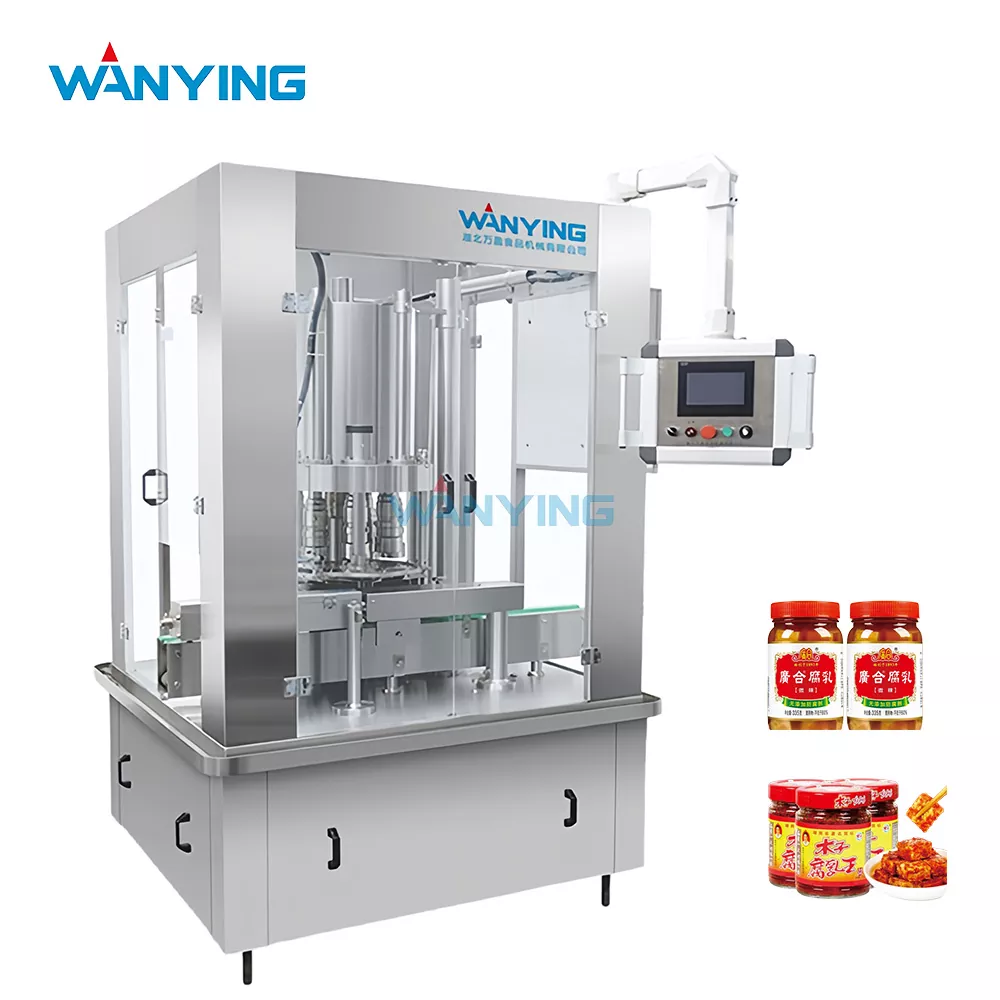
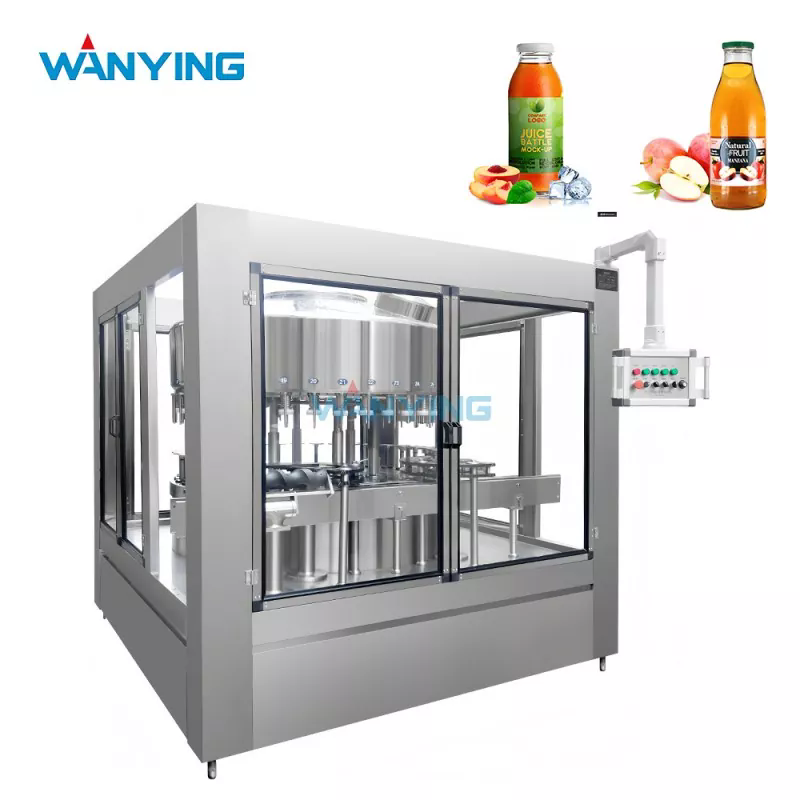
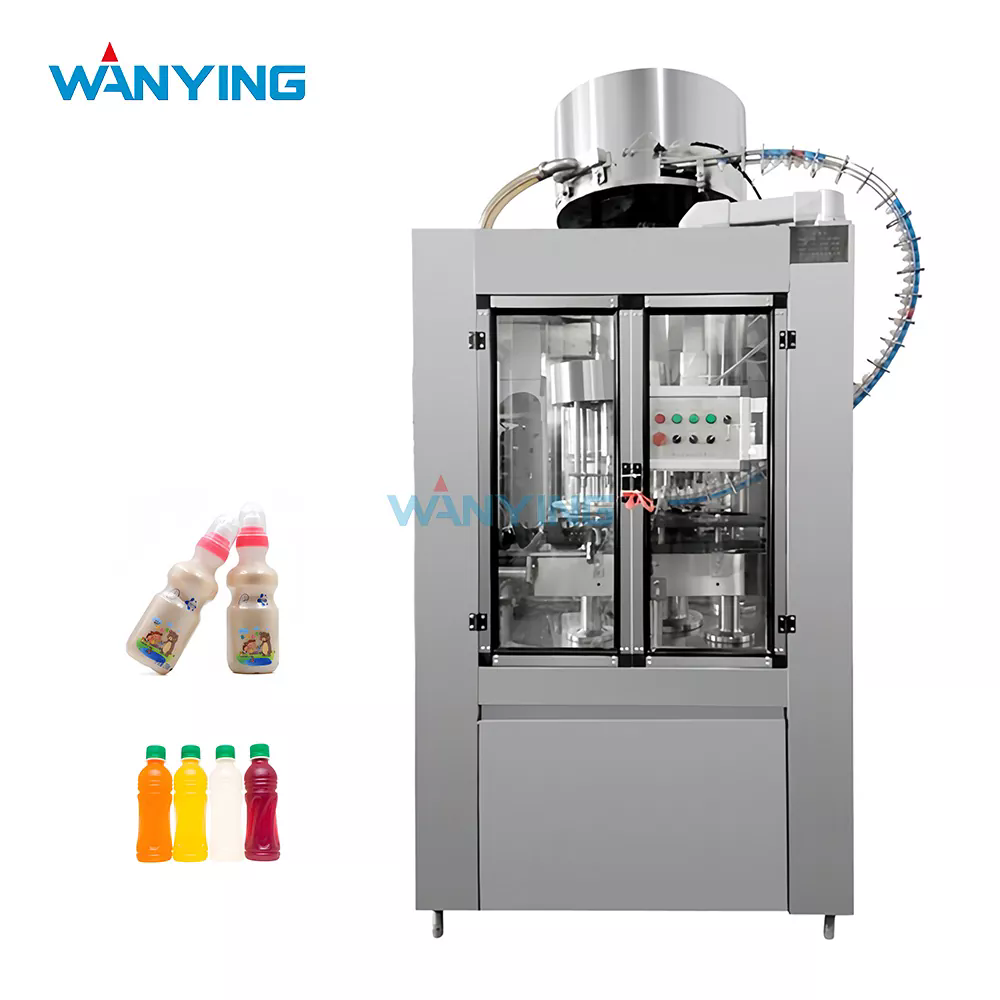
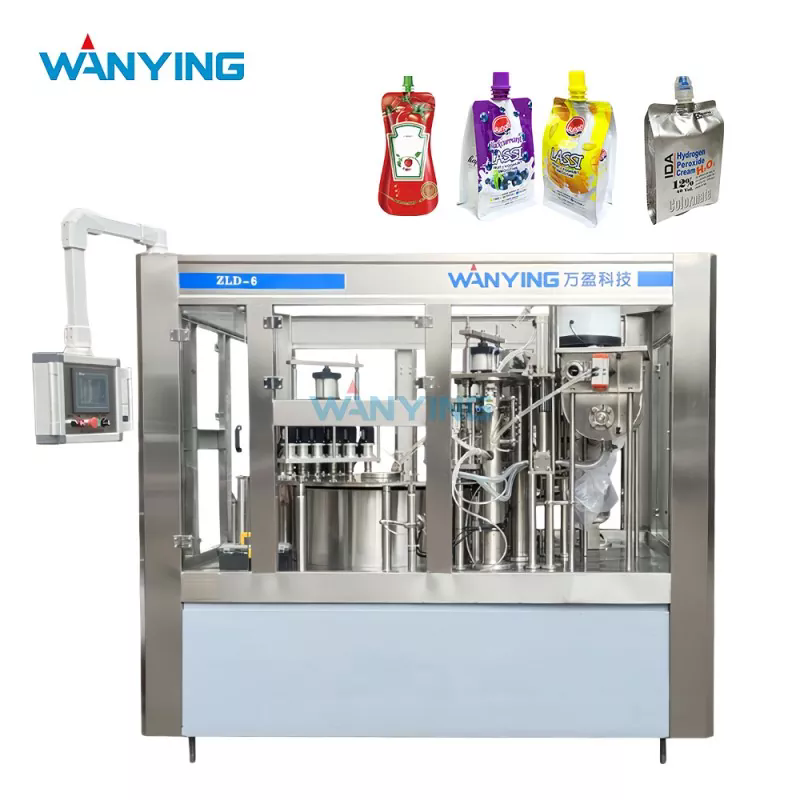
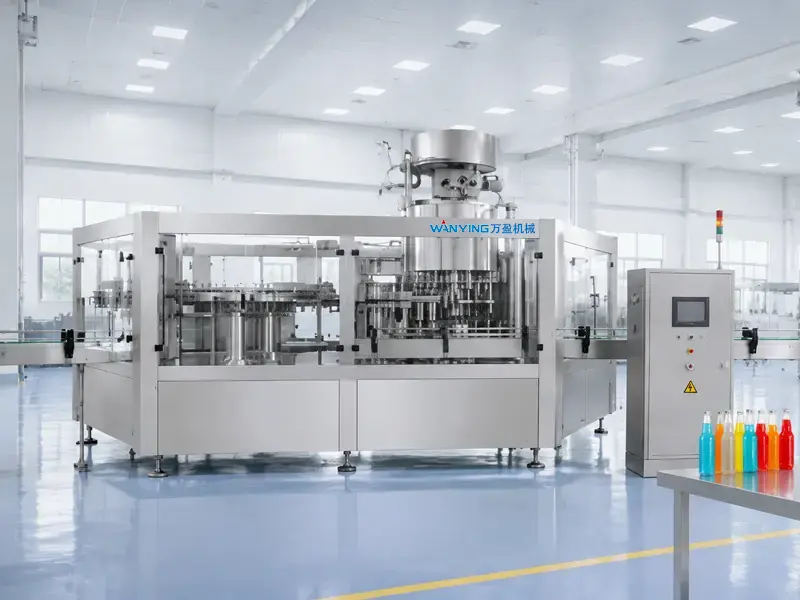
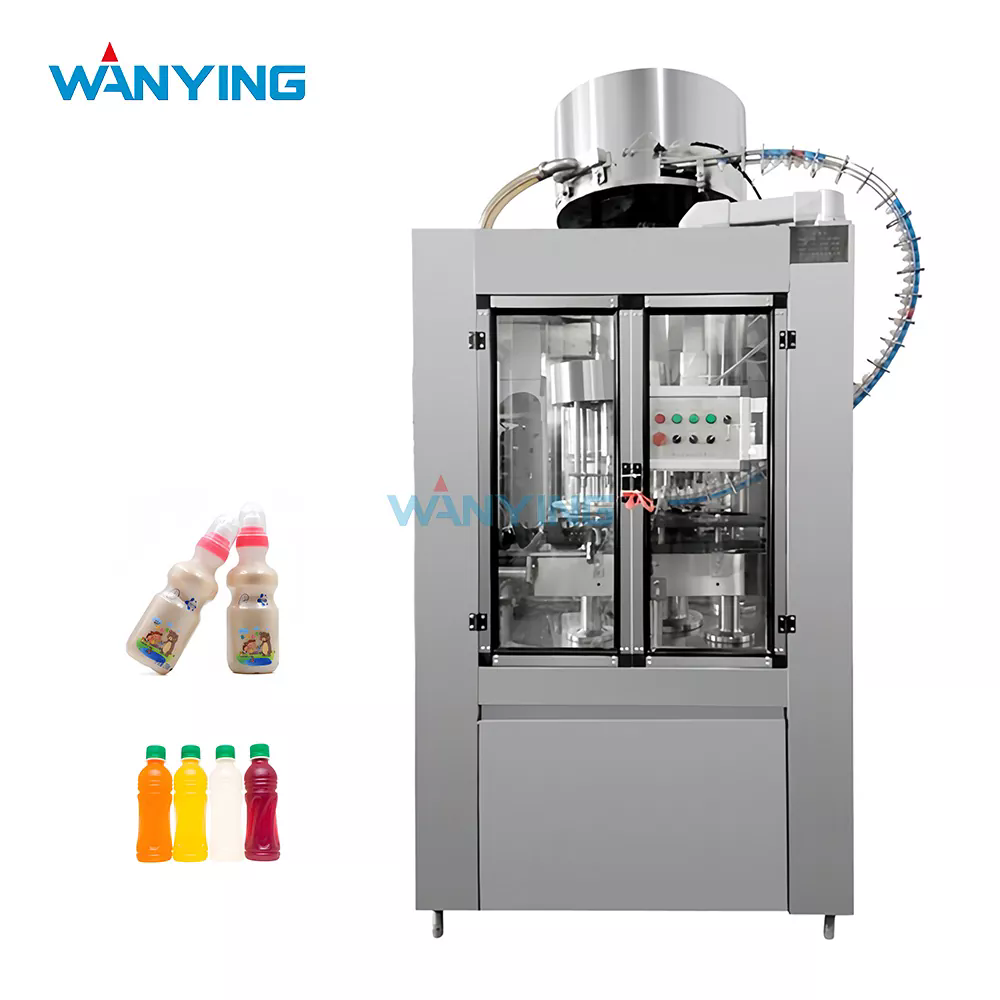
A 4-in-1 filling machine is an advanced automated packaging system that integrates four important production processes into one compact unit. Compared with conventional production lines that require separate machines for each stage, this integrated equipment helps manufacturers simplify workflow, reduce floor space, and improve production consistency.
In many beverage production environments, the four main functions usually include bottle rinsing, liquid filling, filling-level control, and bottle capping or sealing. By combining these processes, the machine creates a continuous production cycle from empty container preparation to finished packaged products.
The main purpose of a 4-in-1 filling machine is not only to increase production speed but also to improve product quality through accurate control, hygienic processing, and stable operation. Wanying develops filling equipment solutions that help customers handle different liquid products while maintaining reliable packaging performance.
Understanding the working principle of a 4-in-1 filling machine helps manufacturers evaluate whether this equipment matches their production needs. The machine completes several coordinated steps through an automated transmission system.
| Production Stage | Main Function | Production Benefit |
|---|---|---|
| Bottle Feeding | Transfers empty bottles into the machine through conveyors and positioning systems. | Ensures continuous operation and reduces manual handling. |
| Bottle Rinsing | Cleans containers before filling to maintain product hygiene. | Reduces contamination risks and improves packaging quality. |
| Liquid Filling | Precisely delivers the required amount of product into each bottle. | Improves filling consistency and reduces material waste. |
| Capping | Automatically places and tightens caps after filling. | Creates stable sealing performance and increases efficiency. |
During operation, bottles move through each processing station automatically. Sensors monitor bottle position, filling status, and production parameters. The control system coordinates each movement to maintain smooth production.
For manufacturers producing beverages, purified water, dairy drinks, juices, and similar products, this integrated approach reduces transfer time between machines and creates a more efficient packaging workflow.
Many manufacturers face challenges caused by traditional production methods. These problems can affect output capacity, product quality, and overall operating costs.
A 4-in-1 filling machine addresses these issues by integrating important processes into a single automated platform. This design allows manufacturers to improve production organization while maintaining consistent packaging standards.
A high-quality filling machine should provide stable performance, easy operation, and flexibility for different production environments. Important features include:
Wanying focuses on developing filling and packaging equipment that balances production efficiency with practical operation requirements. Each solution can be adjusted according to customer production conditions.
| Comparison Item | Traditional Production Line | 4-in-1 Filling Machine |
|---|---|---|
| Equipment Structure | Multiple independent machines | Integrated automated system |
| Factory Space | Requires larger installation area | More compact layout |
| Operation Management | Requires coordination between machines | Centralized control system |
| Maintenance | Multiple equipment maintenance points | Simplified maintenance process |
| Production Flow | More transfer steps | Continuous production process |
For businesses seeking to upgrade their production lines, choosing integrated equipment can create advantages in efficiency, management, and long-term operating stability.
A 4-in-1 filling machine can be used across various liquid product industries. Common applications include:
Different products have different viscosity, packaging materials, and filling requirements. Therefore, equipment configuration should be selected according to actual production conditions.
Selecting suitable filling equipment requires careful consideration of several factors. A wrong choice may lead to inefficient production or unnecessary investment.
| Selection Factor | Important Consideration |
|---|---|
| Product Type | Consider liquid characteristics, viscosity, and packaging requirements. |
| Production Capacity | Select equipment according to required bottles per hour. |
| Bottle Specifications | Confirm bottle size, shape, and material compatibility. |
| Automation Level | Evaluate whether additional packaging equipment integration is required. |
| After-sales Support | Choose a manufacturer that provides technical assistance and spare parts support. |
Wanying is a professional manufacturer specializing in filling and packaging machinery solutions. The company focuses on providing reliable equipment for beverage, dairy, condiment, and liquid product manufacturers.
With practical manufacturing experience and customized engineering capability, Wanying helps customers develop suitable production solutions according to product characteristics, factory layouts, and capacity goals.
The company emphasizes manufacturing quality, equipment testing, and long-term customer support. From equipment design and production to installation guidance and technical service, Wanying works closely with customers to improve production efficiency and reliability.
Q1: What products can a 4-in-1 filling machine handle?
A 4-in-1 filling machine can be used for various liquid products, including drinking water, juice, dairy beverages, and other liquid foods. The configuration can be adjusted according to product characteristics.
Q2: Can the machine be customized for different bottle sizes?
Yes. Wanying provides customized solutions based on bottle dimensions, production requirements, and factory conditions.
Q3: What are the advantages of an integrated filling machine?
The main advantages include reduced equipment footprint, improved production efficiency, fewer transfer steps, and easier production management.
Q4: Is a 4-in-1 filling machine suitable for automatic production lines?
Yes. It can be integrated with other packaging equipment to create a complete automated production system.
Q5: How can manufacturers ensure long-term equipment reliability?
Choosing professional manufacturers, conducting regular maintenance, and using suitable production parameters are important factors for stable operation.
A 4-in-1 filling machine provides an effective solution for manufacturers looking to improve packaging efficiency, reduce operational complexity, and achieve consistent product quality. By integrating multiple production steps into one automated system, businesses can optimize factory space, simplify management, and improve overall productivity.
Wanying continues to provide customized filling and packaging solutions designed for modern manufacturing requirements. If you are looking for a reliable 4-in-1 filling machine that matches your production goals, please contact us for professional support and a suitable equipment solution.