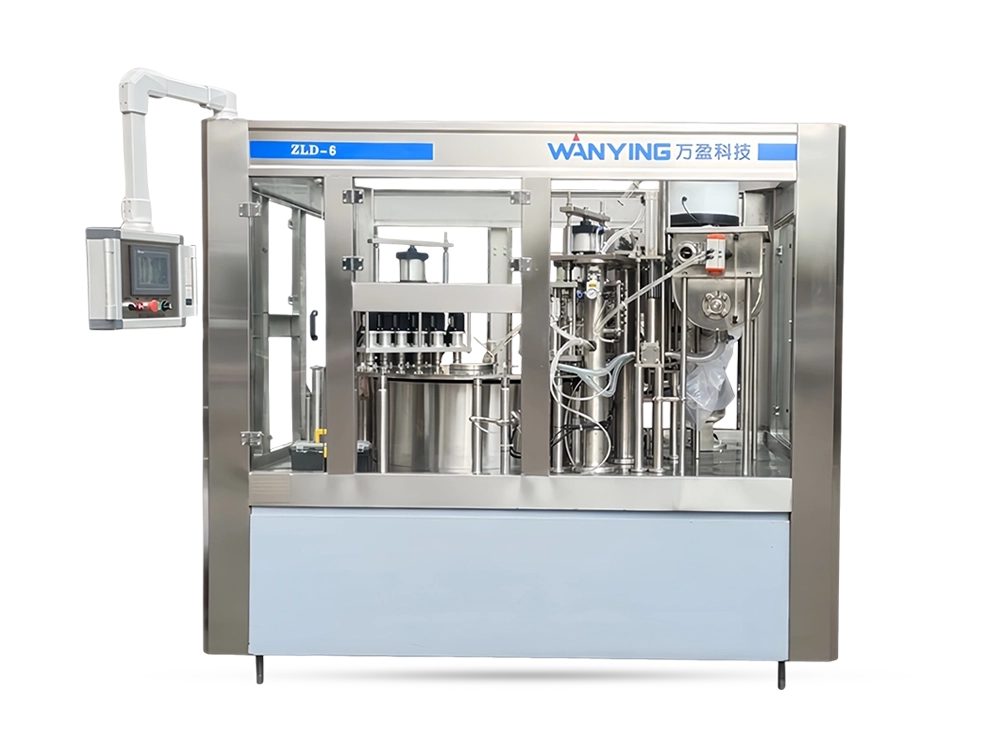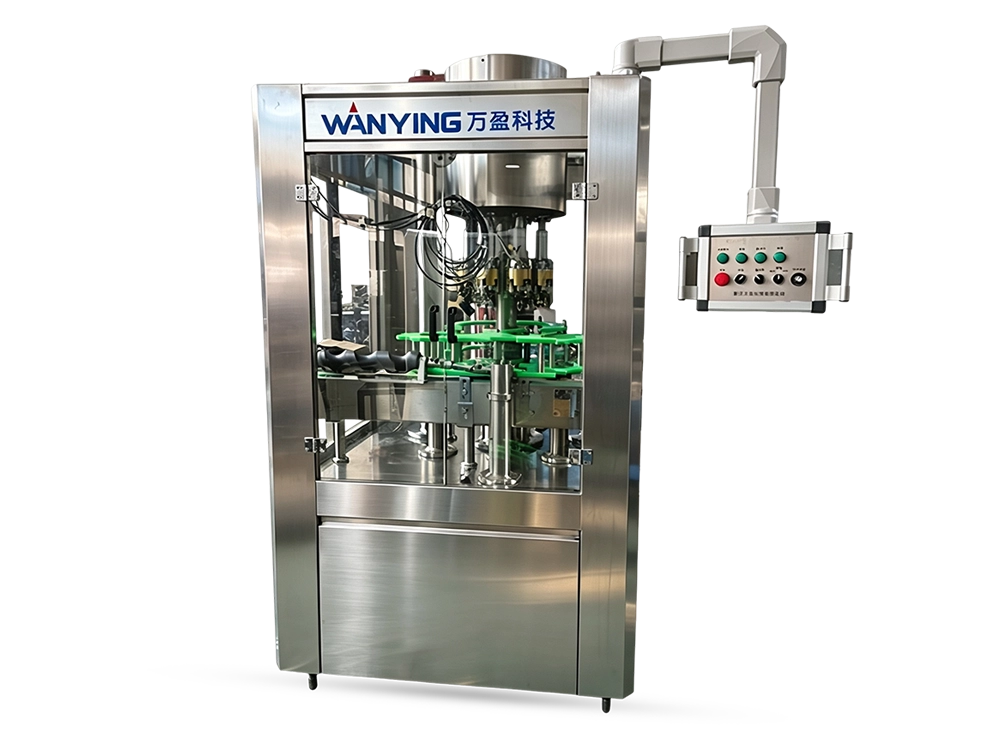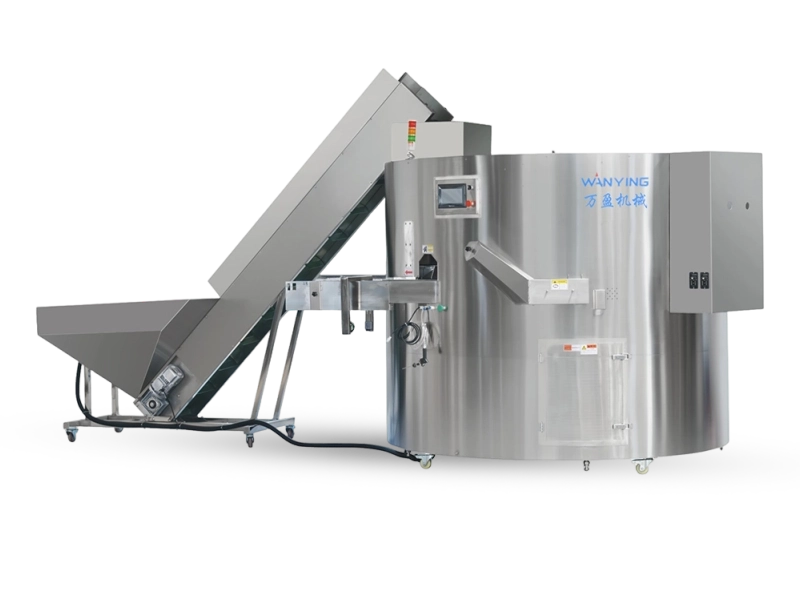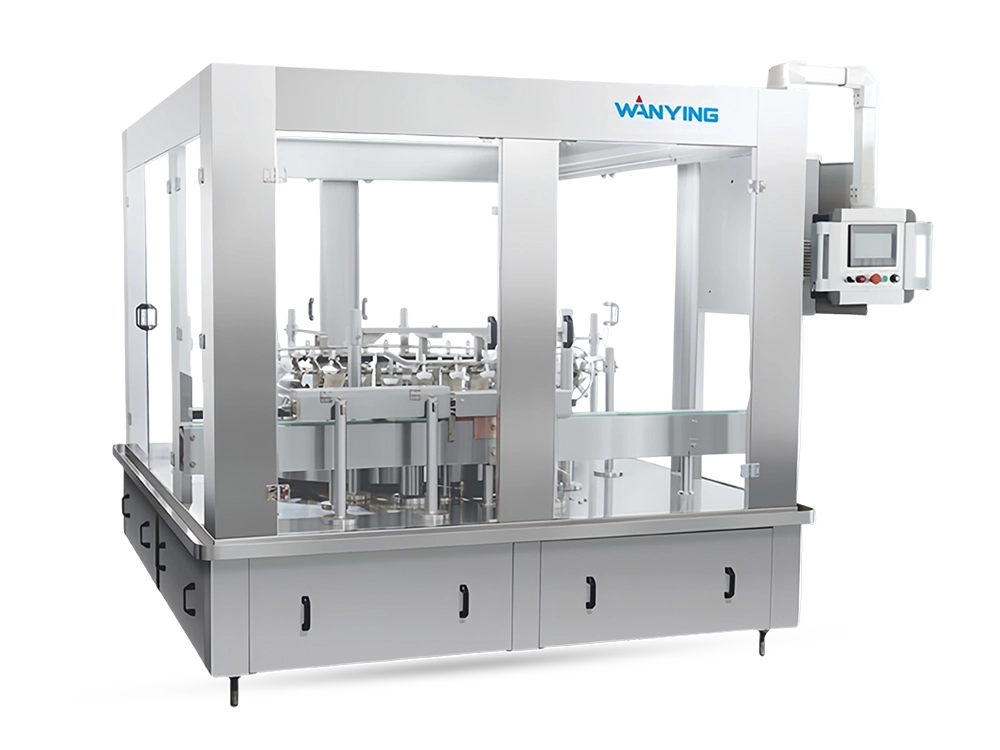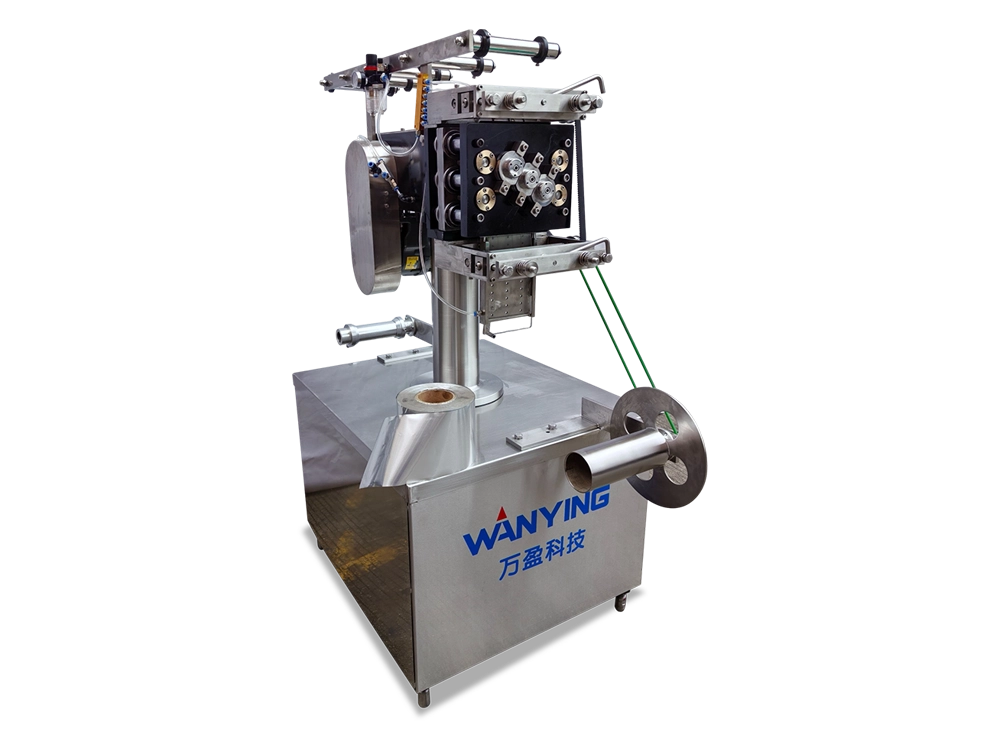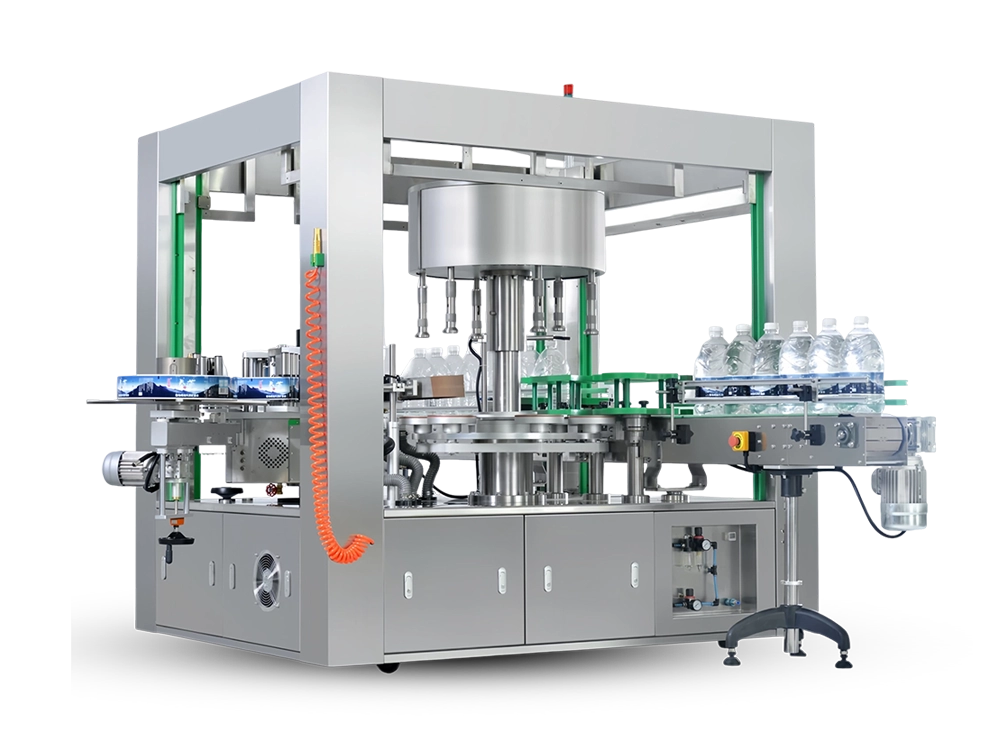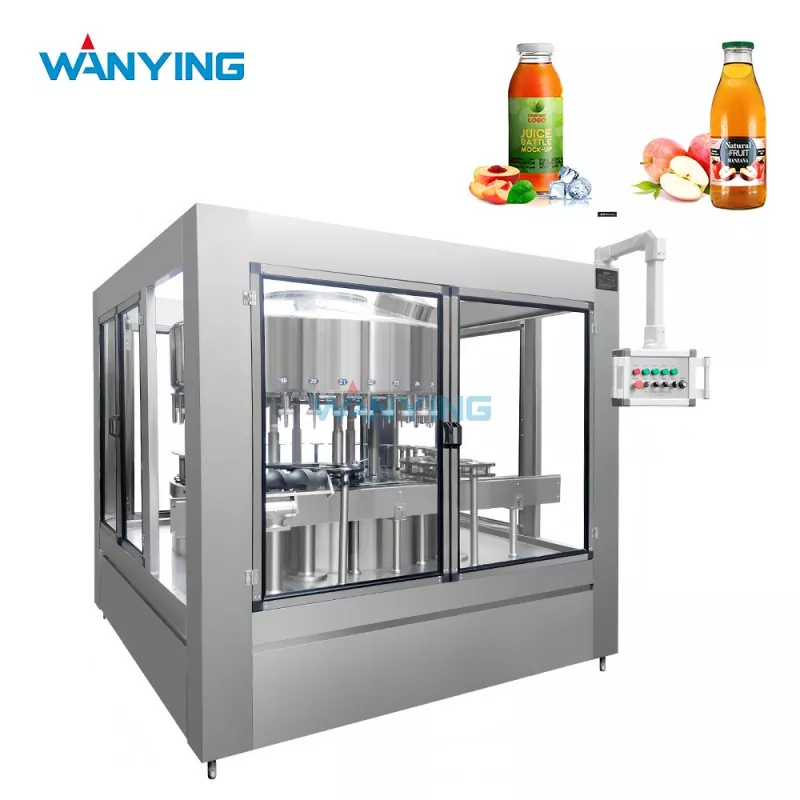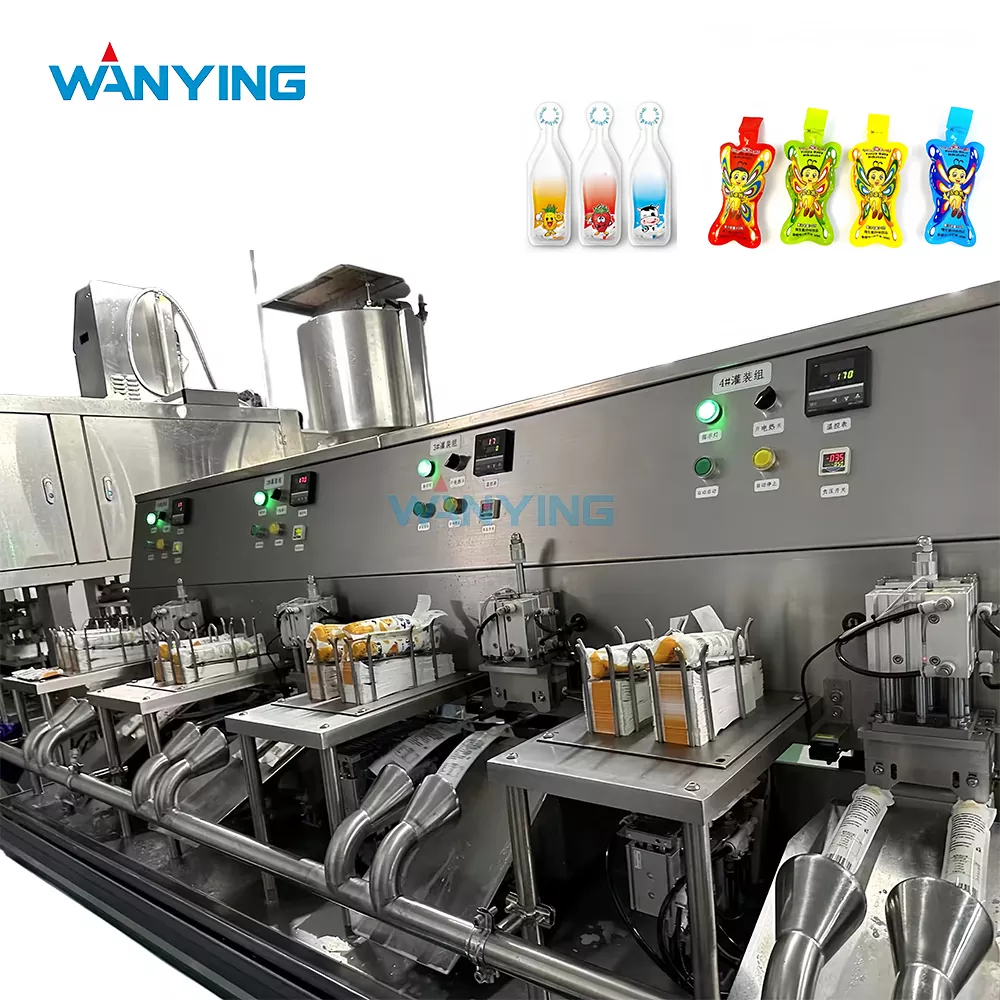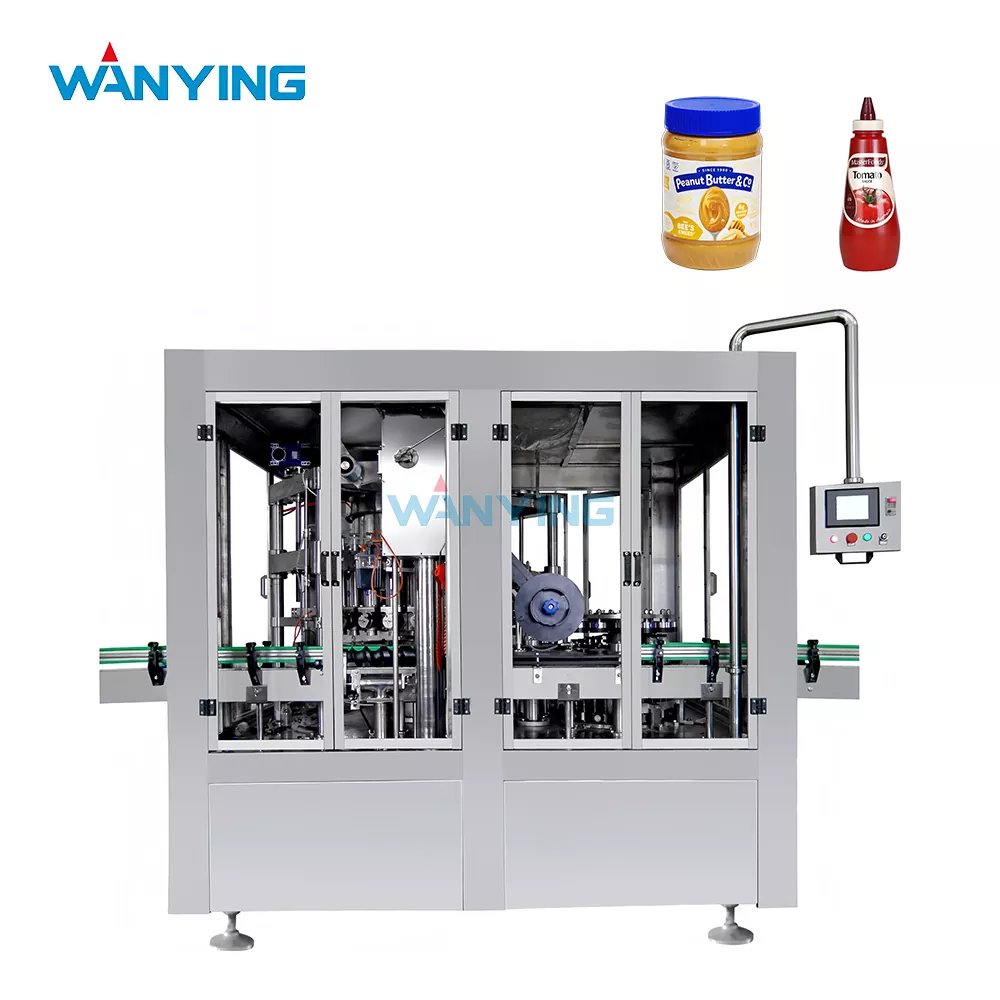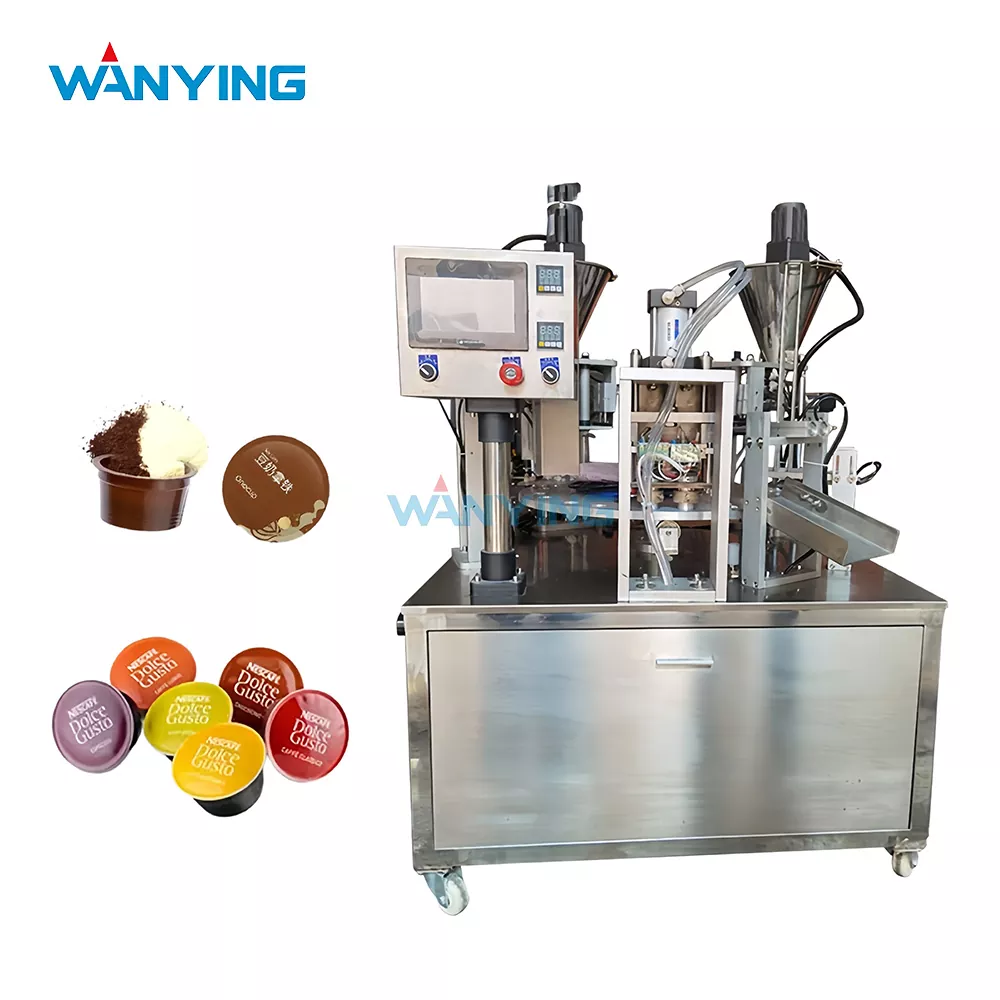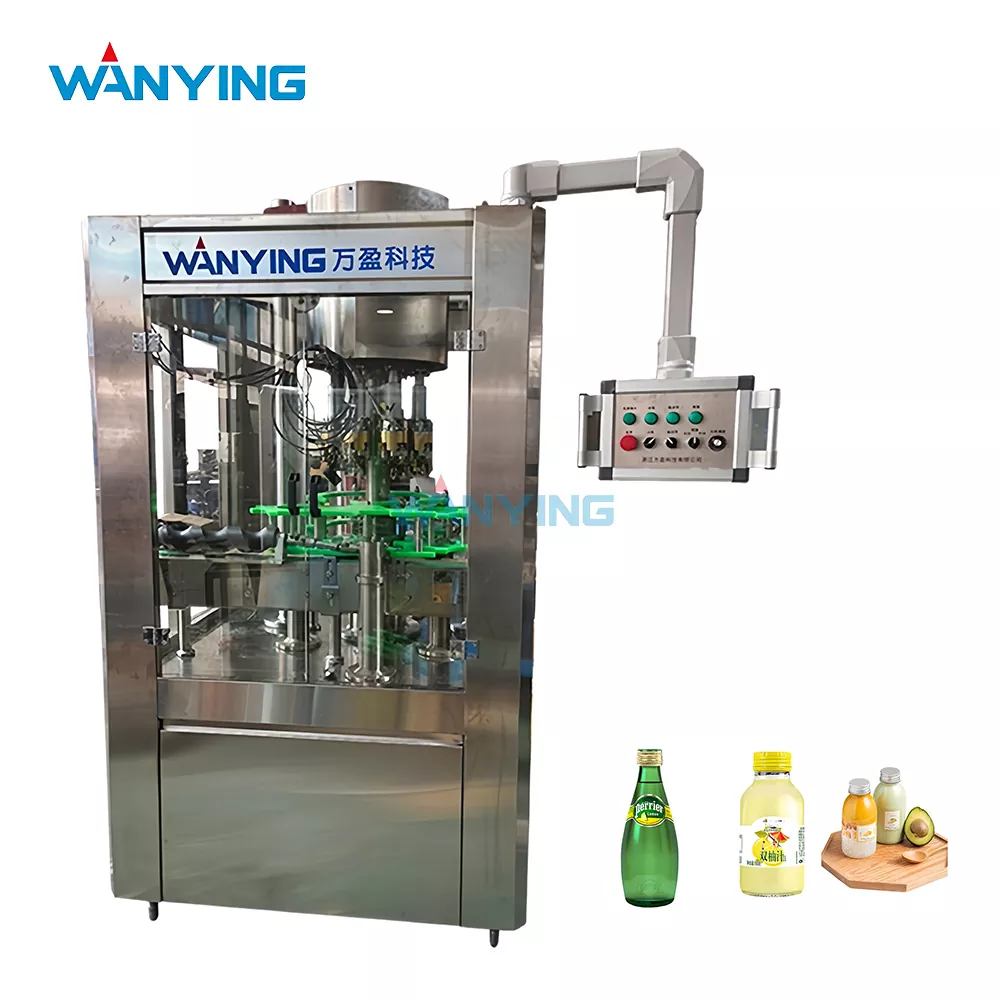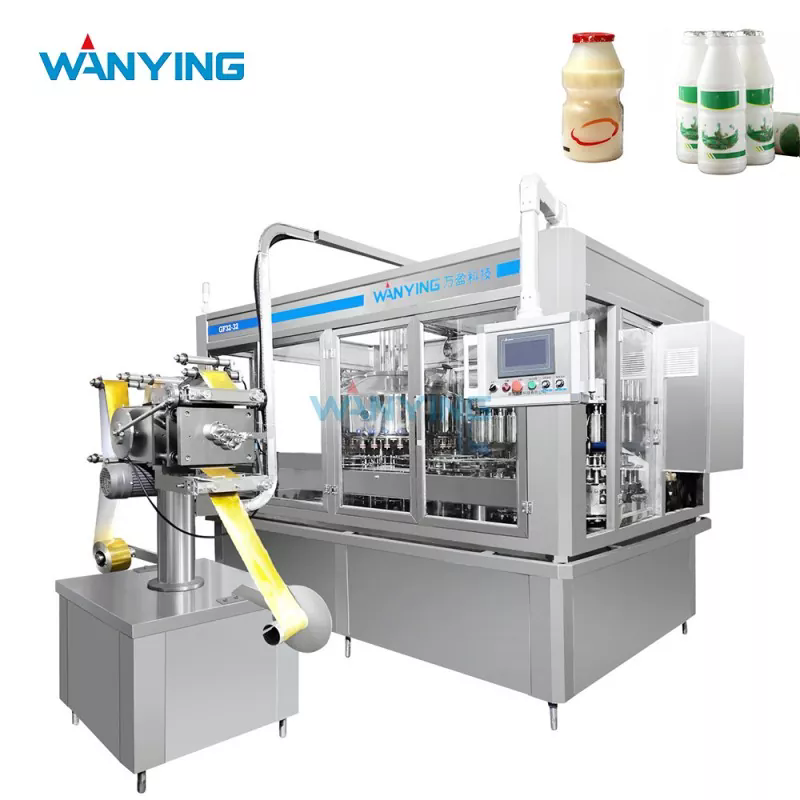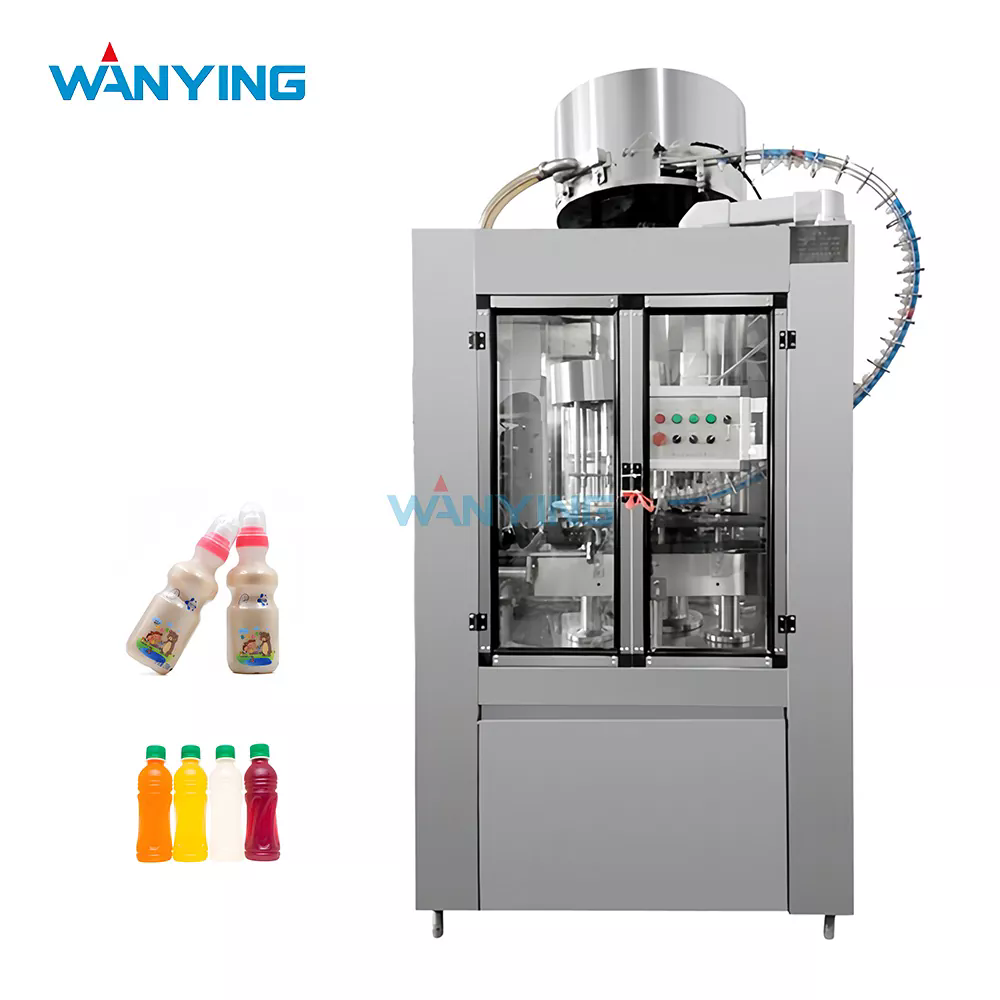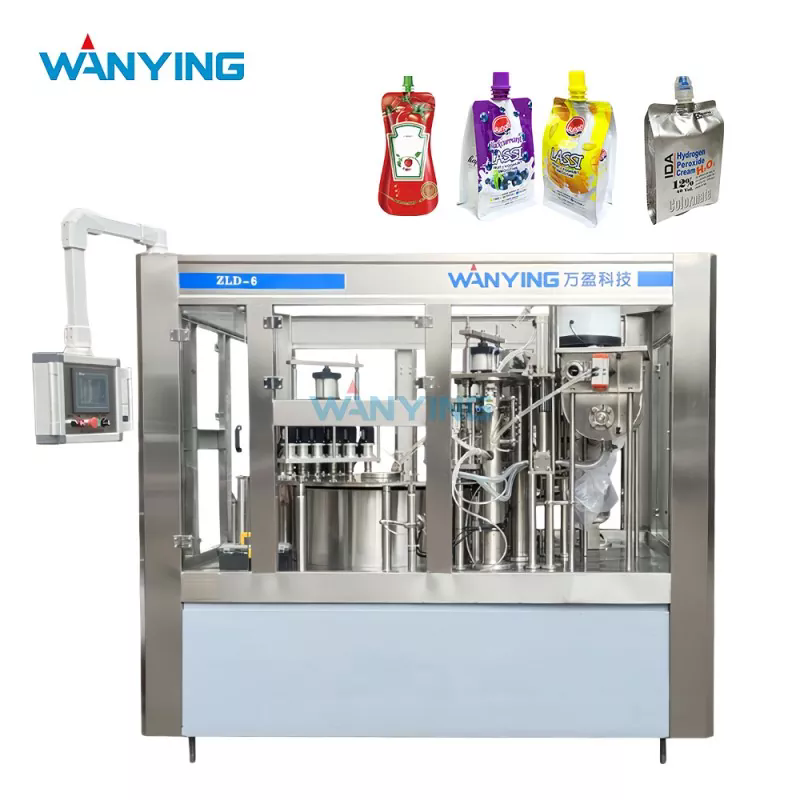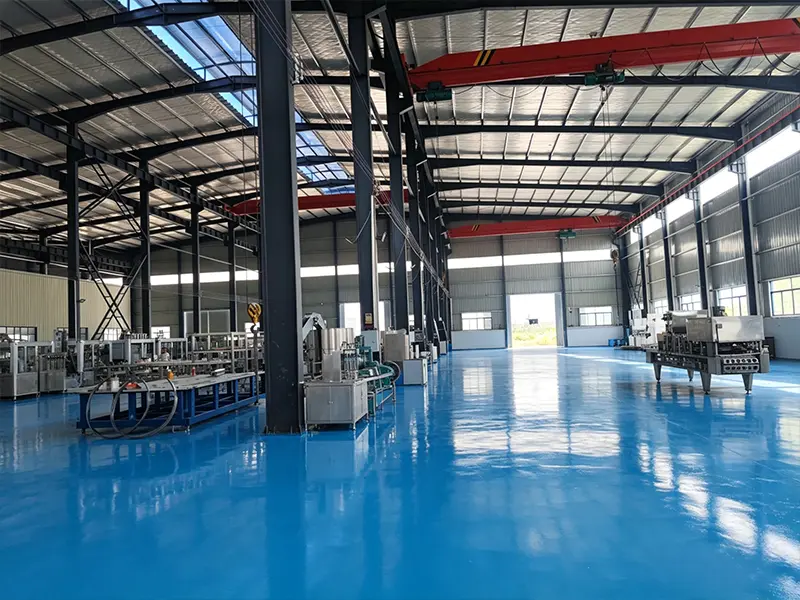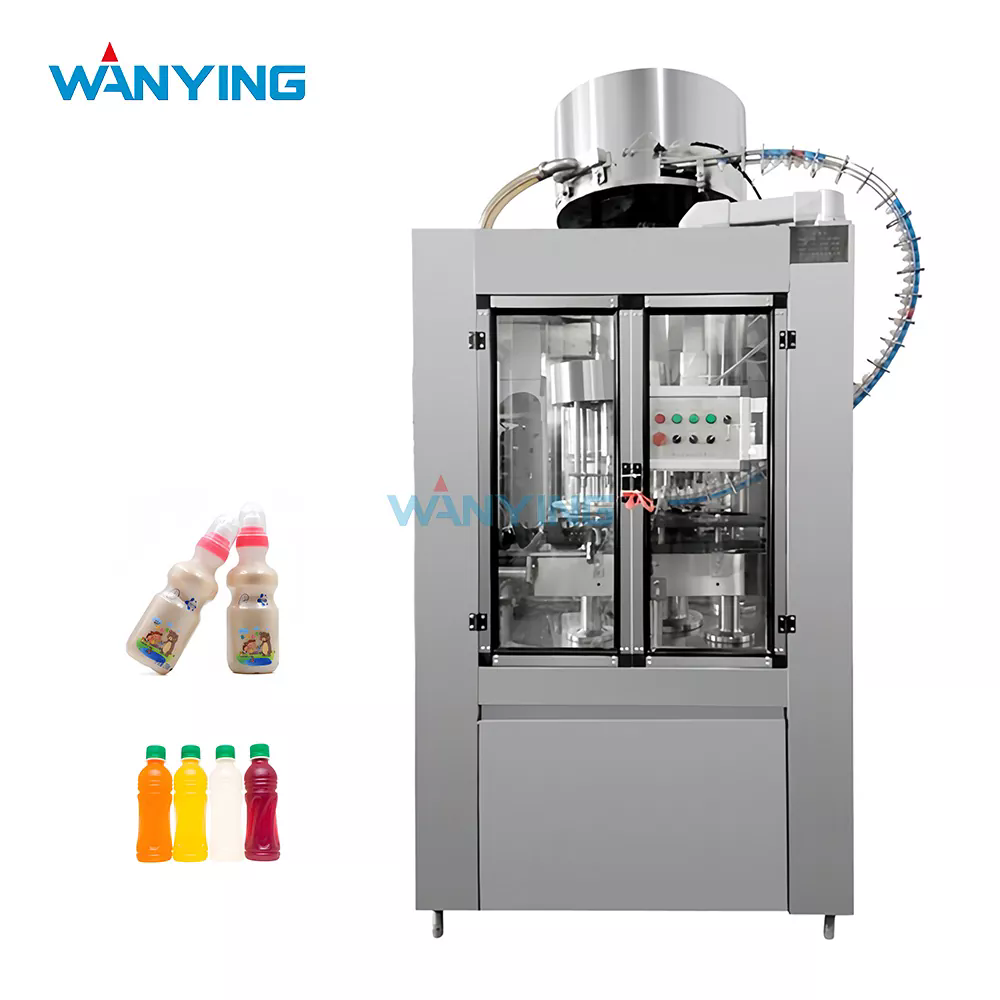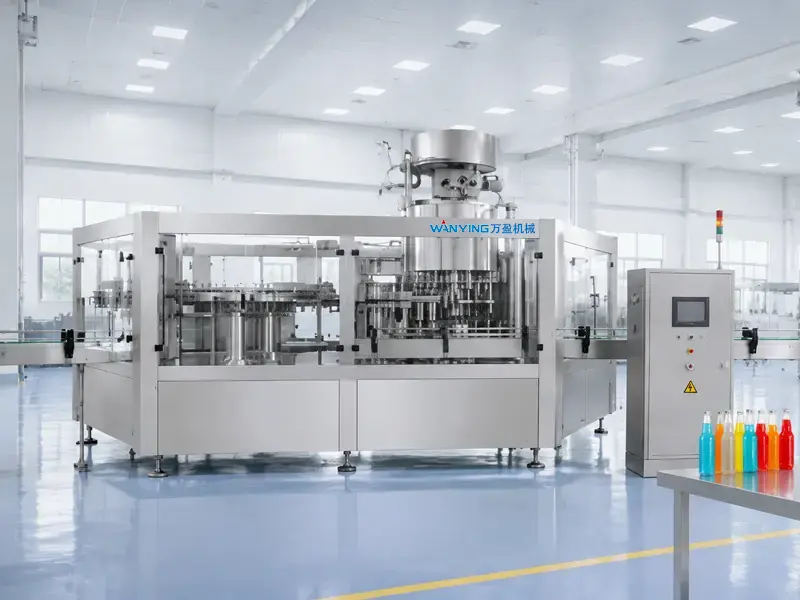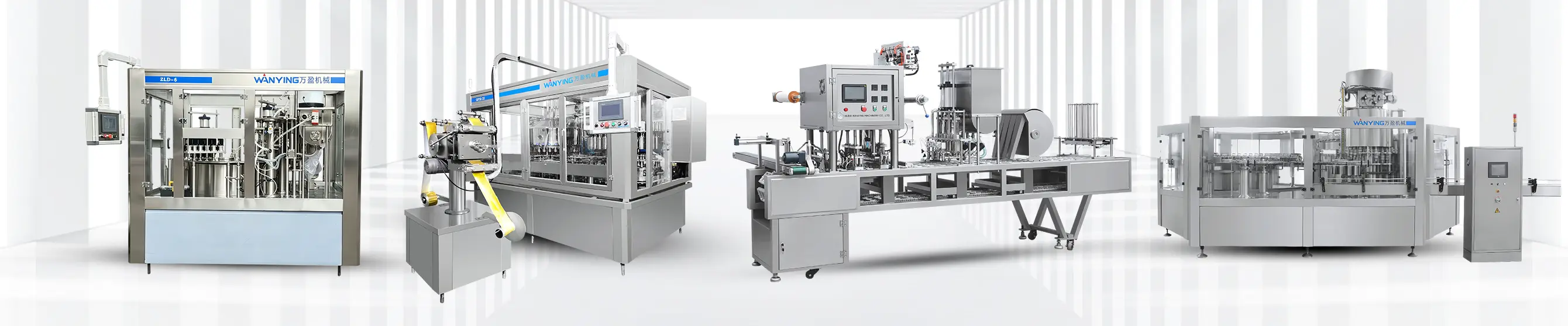
Looking for a professional supplier of packaging auxiliary equipment? Choose Wanying. We manufacture a comprehensive range of filling equipment in our 2,000 m² standardized production facility, which is equipped with precision machining tools and professional testing instruments. We have successfully implemented projects for over 300 food and condiment factories. All core electronic control and pneumatic components in our auxiliary equipment are sourced from top-tier industry brands, and we enforce standardized quality control throughout the entire process—from raw material intake to the final shipment of the completed machine. We also supply filling machines, capping machines, and bottle unscramblers; this allows you to source a complete automated packaging line from a single provider, eliminating the need to coordinate with multiple equipment manufacturers.
Packaging auxiliary equipment does not refer to the core machinery that independently performs filling and capping; rather, it consists of specialized units that complement the entire food packaging production line by handling various auxiliary processes before and after the main packaging steps. These units manage tasks such as product labeling, protective outer packaging, container forming, and case packing/transfer. They operate in tandem with filling, capping, and bottle unscrambling machines to create a seamless, fully automated production line.
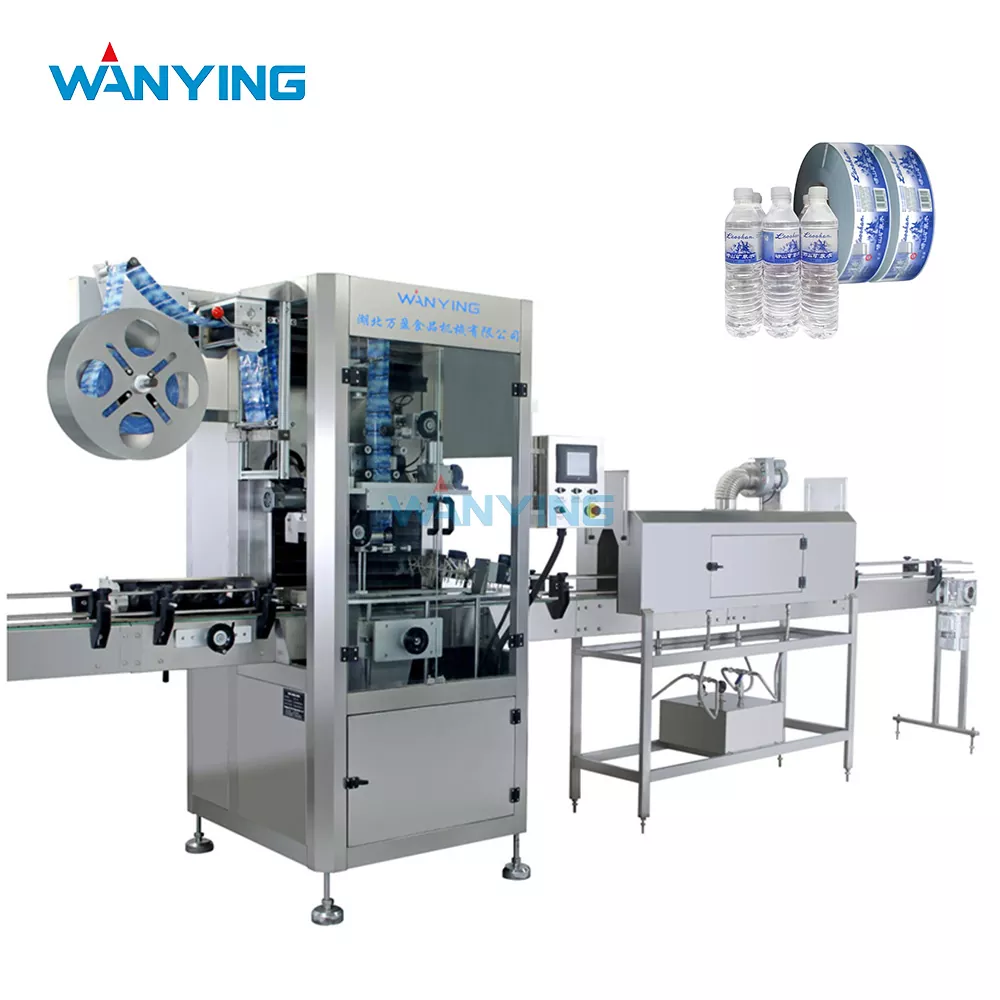
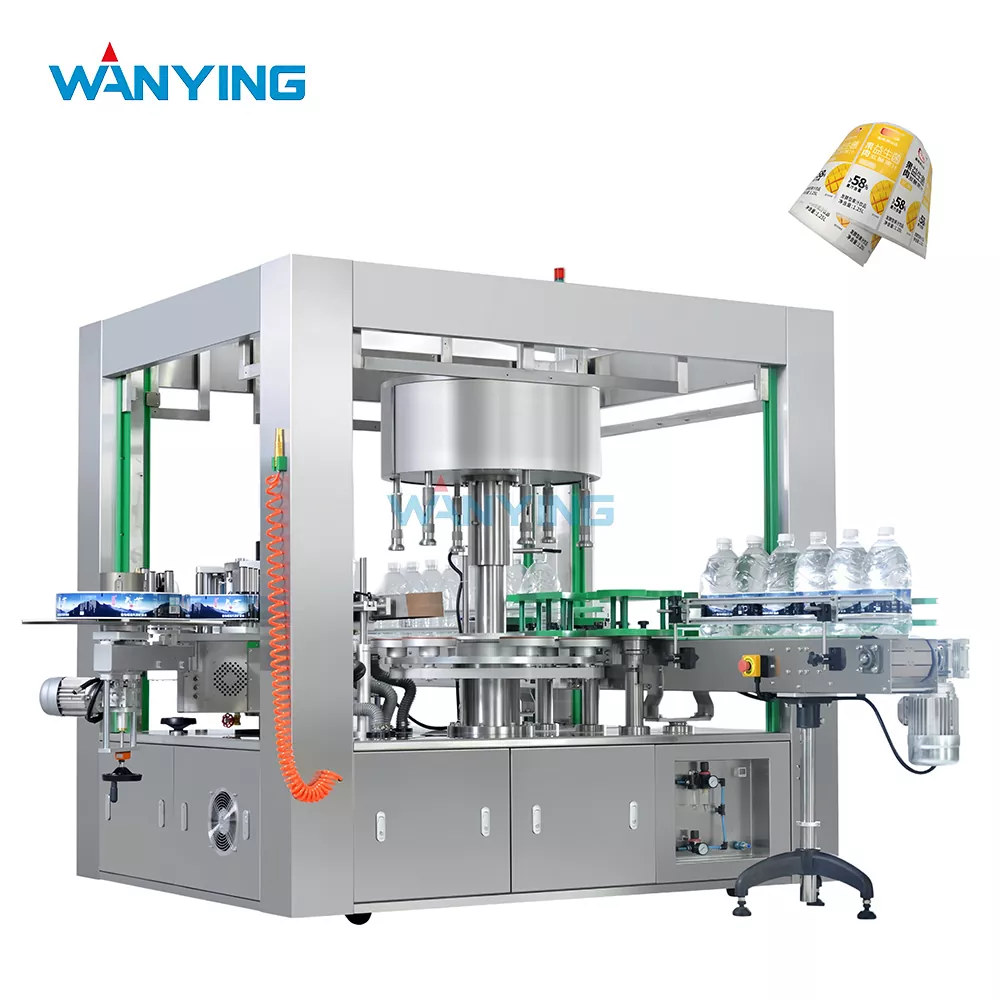
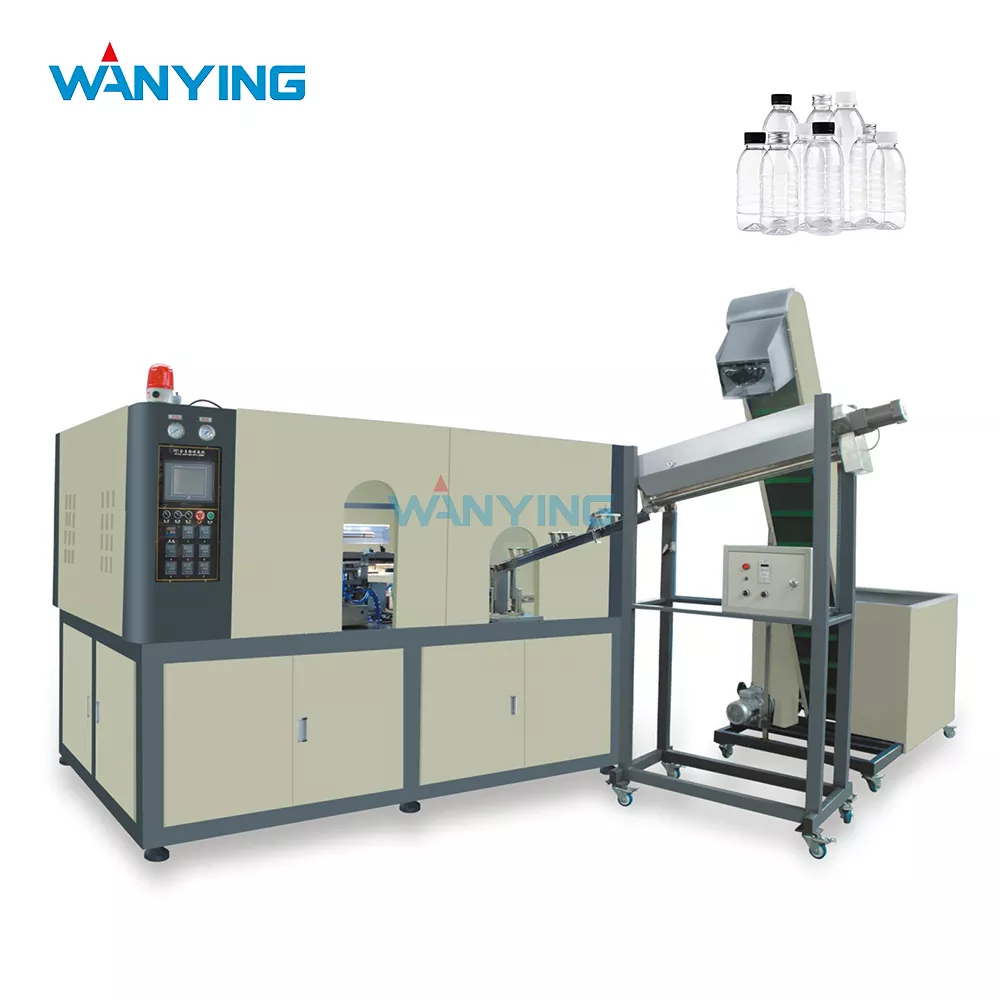
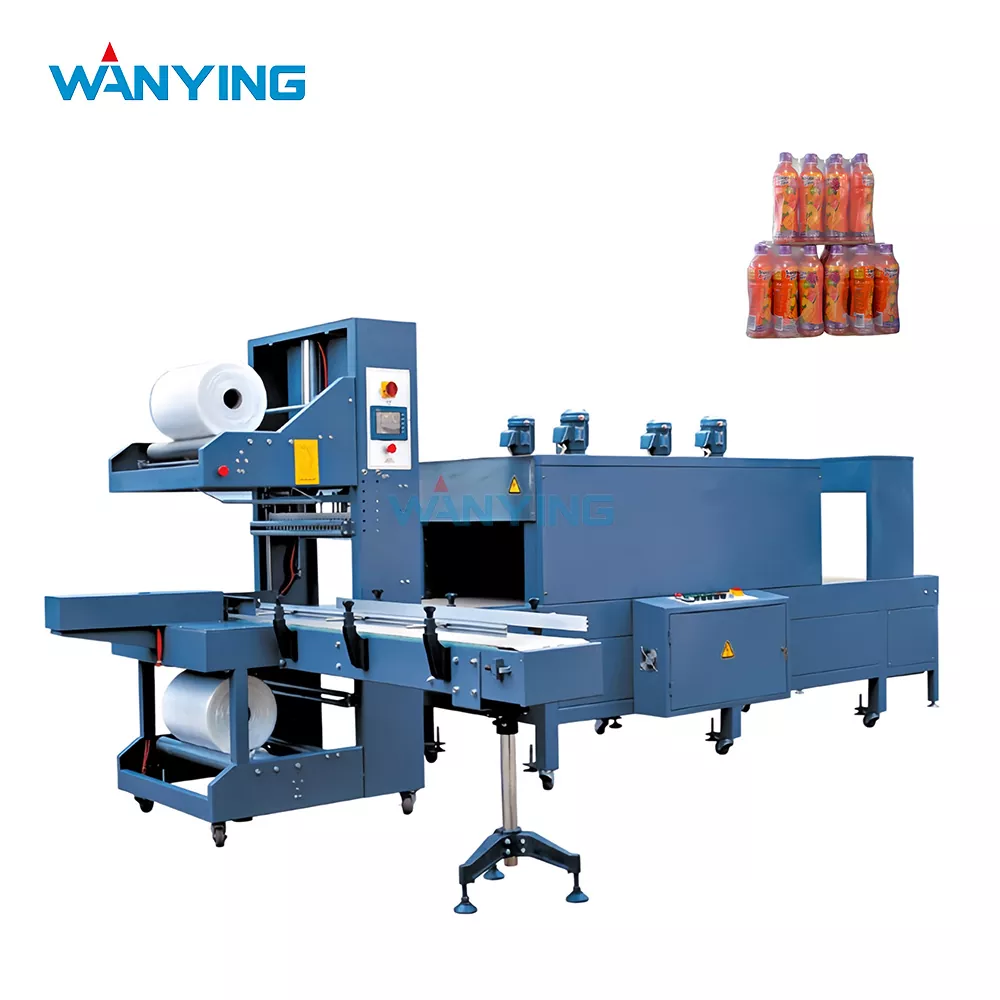
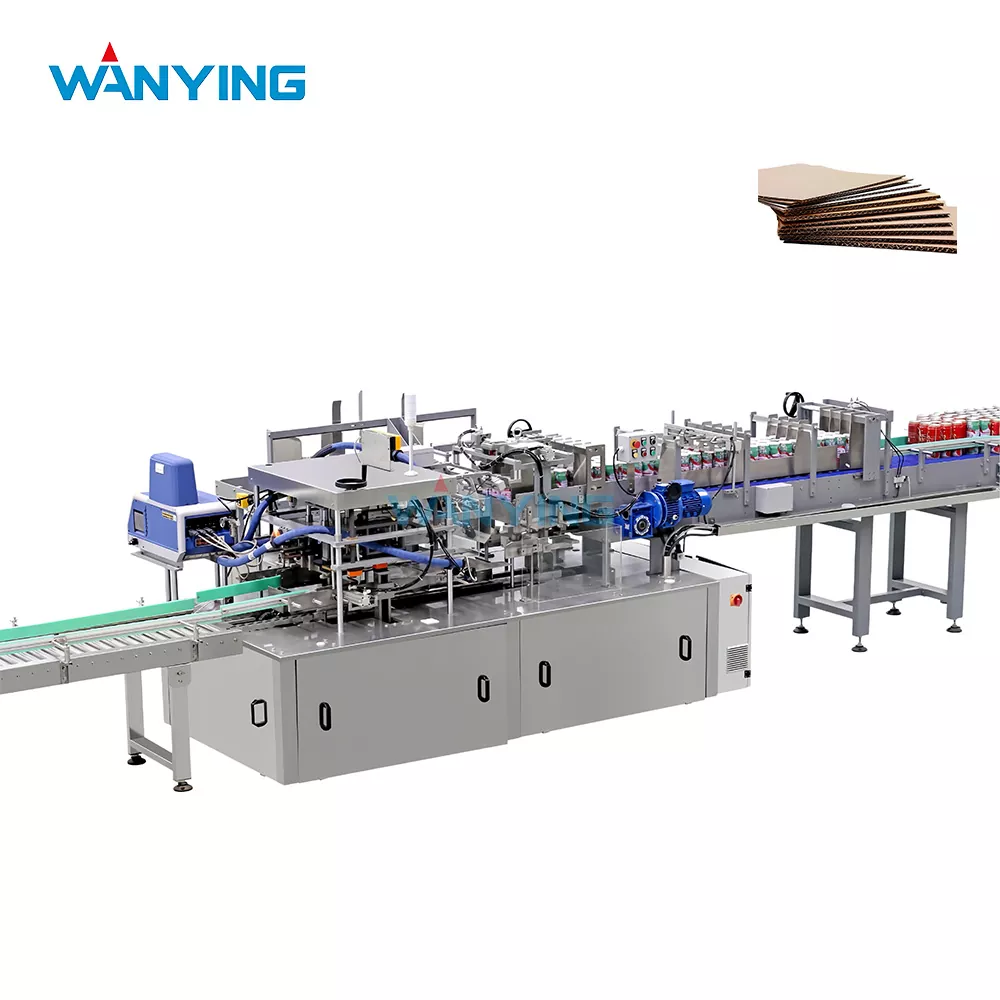
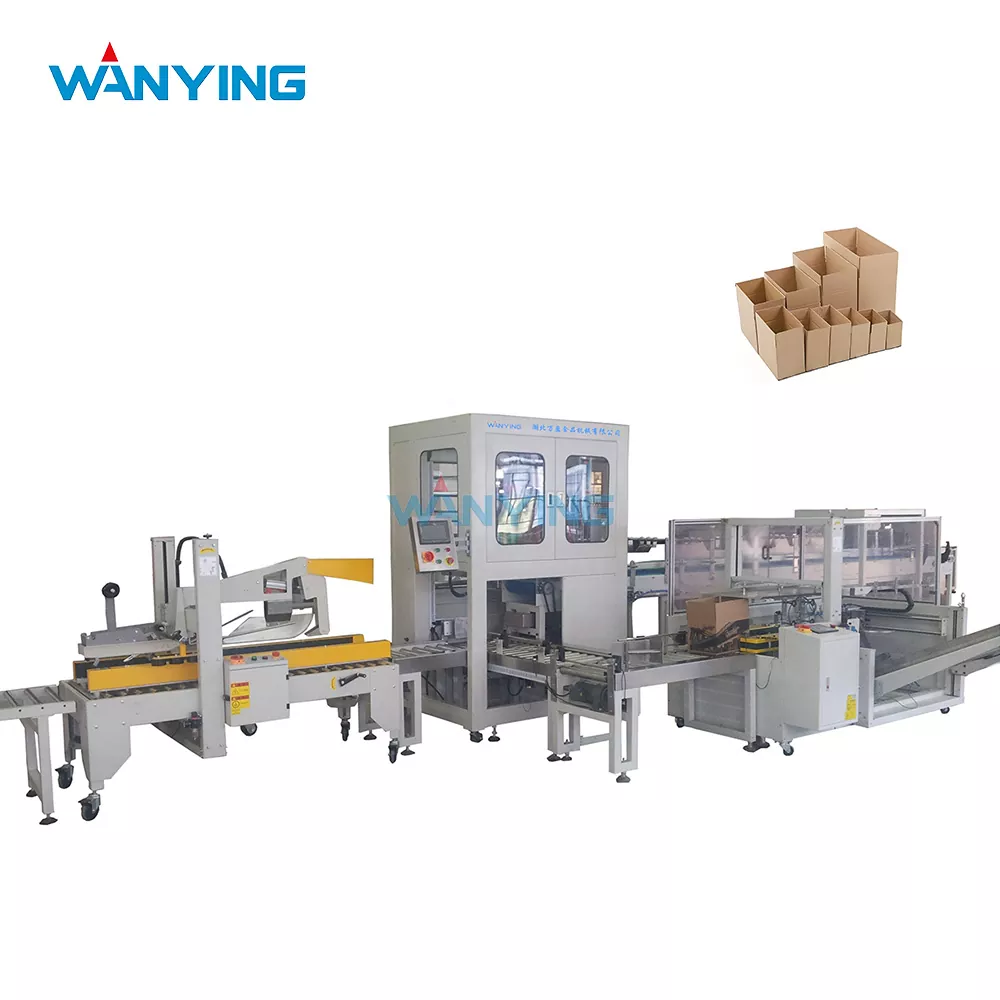
This category includes equipment such as sleeve labelers, self-adhesive labelers, blow molding machines, heat shrink wrappers, wrap-around case packers, standard automatic case packers, inkjet coders, and liquid dispensing machines. These units handle a full range of auxiliary processes—including heat-shrink sleeve application, label application, PET bottle blow molding, protective heat shrinking, automated cartoning, product coding, and small-batch liquid dispensing—thereby fully meeting the auxiliary processing needs for condiment container forming, aesthetic finishing, traceability marking, and final packaging.
1. Connecting upstream and downstream main equipment to eliminate process gaps
Standalone filling or capping machines cannot complete the entire packaging process on their own. Packaging auxiliary equipment handles connecting tasks—such as empty bottle forming, product labeling, protective film application, and case packing—ensuring the production line runs continuously without interruption. This prevents issues like individual machines waiting for materials or the accumulation and congestion of finished products.
2. Standardized processing of finished goods for uniform visual quality
Integrated units for inkjet coding, labeling, sleeve labeling, and heat shrinking handle marking and wrapping uniformly. This eliminates issues like misalignment or blurred text often caused by manual labeling or handwriting, thereby enhancing shelf appeal in supermarkets and reinforcing a standardized brand image.
3. Reduction of repetitive manual tasks in the workshop
Automated equipment for blow molding, sleeve labeling, coding, and case packing replaces manual labor—such as handling empty bottles, manual labeling, and packing—thereby reducing the permanent workforce required in the workshop and significantly lowering labor costs over the long term.
4. Streamlined production flow and optimized space utilization
Conveyor racks and material transfer equipment enable the planning of standardized material flow paths. By segregating the movement and storage of empty bottles, semi-finished goods, and finished products, the system prevents cluttered material piles from occupying valuable production space, allowing even small-to-medium-sized facilities to efficiently arrange the complete equipment setup.
1. Corrosion-resistant materials capable of withstanding moisture and sauces
Machine casings and conveyor supports exposed to moisture or sauce splashes are made of stainless steel, ensuring resistance to rust and corrosion. Standard electrical control areas feature sealed, waterproof protection, making the equipment suitable for the humid conditions and frequent sauce splashing typical of condiment workshops.
2. Modular, split-unit structure
The auxiliary equipment consists of independent modular units. They can be put into operation via simple conveyor track connections without altering the existing main filling line structure. Individual units can be separated and positioned independently to fit tight spaces, overcoming workshop layout constraints.
3. Low-noise, stable drive design
Conveying, coding, labeling, and packing units feature optimized drive and vibration-dampening structures, ensuring quieter operation during continuous, all-day use. Wear parts—such as drive bearings, conveyor belts, and rubber rollers—are easy to replace, minimizing maintenance time and preventing prolonged production line downtime.
4. Adjustable Operating Parameters
Conveyor speed, labeling spacing, coding position, case-packing gripper spacing, and blow-molding mold parameters can all be adjusted via the touchscreen. When switching between glass or plastic condiment bottles of different capacities or heights, customers simply need to adjust the parameters—eliminating the need to frequently swap out entire sets of tooling or molds.
1. Cross-model Compatibility and Integrated Commissioning
All Wanying auxiliary packaging equipment is fully compatible with our own filling, bottle unscrambling, capping, and cap-making machines. The systems share electrical signals, requiring no additional interface controllers. The entire production line undergoes integrated commissioning and synchronized testing before delivery, saving customers the hassle of setting up multiple machines individually.
2. Flexible Procurement and Phased Upgrades
Customers are not required to purchase all auxiliary units at once; individual machines can be purchased to address specific production bottlenecks. Additional auxiliary equipment can be added later to increase capacity or incorporate new packaging steps, enabling rapid automation upgrades for the production line.
3. Full-Lifecycle Technical Support and Reliable Spare Parts Supply
All auxiliary equipment comes with a one-year comprehensive warranty, covering free replacement of parts damaged through normal use (excluding human-induced damage). Consumables such as conveyor belts, printheads, labeling rollers, and blow molds are kept in stock for long-term availability and rapid shipping, ensuring production is never halted due to parts shortages.
A: Yes. Our auxiliary equipment features universal conveyor interface ports, allowing for seamless integration with mainstream filling and capping equipment on the market. Our technicians can adjust parameters—such as discharge height and conveyor speed—to match your existing equipment, ensuring smooth, synchronized operation.
A: Yes, we offer specific models designed for small-scale operations. For small-to-medium-sized processing plants with a daily output of several thousand bottles, we offer a lineup—including lightweight, compact inkjet coders, small-scale labelers, simple conveyor tables, and mini liquid filling machines—that features a smaller footprint and lower procurement costs, making it perfectly suited for small-scale production needs.
A: The entire system is designed for easy disassembly and cleaning; components such as the conveyor belt, print head, labeling fixtures, and heat-shrink air ducts can be quickly removed. The smooth, flat stainless-steel surfaces can be cleaned simply by wiping with a cloth and water, leaving no narrow crevices or sanitary "dead zones" where sauce residue could accumulate.
A: No. All auxiliary equipment features independent start/stop controls, allowing a single unit to be shut down for maintenance without stopping the rest of the line. The upstream main filling line can temporarily switch to manual transfer of finished products, preventing a total line stoppage and minimizing production losses caused by equipment failure.