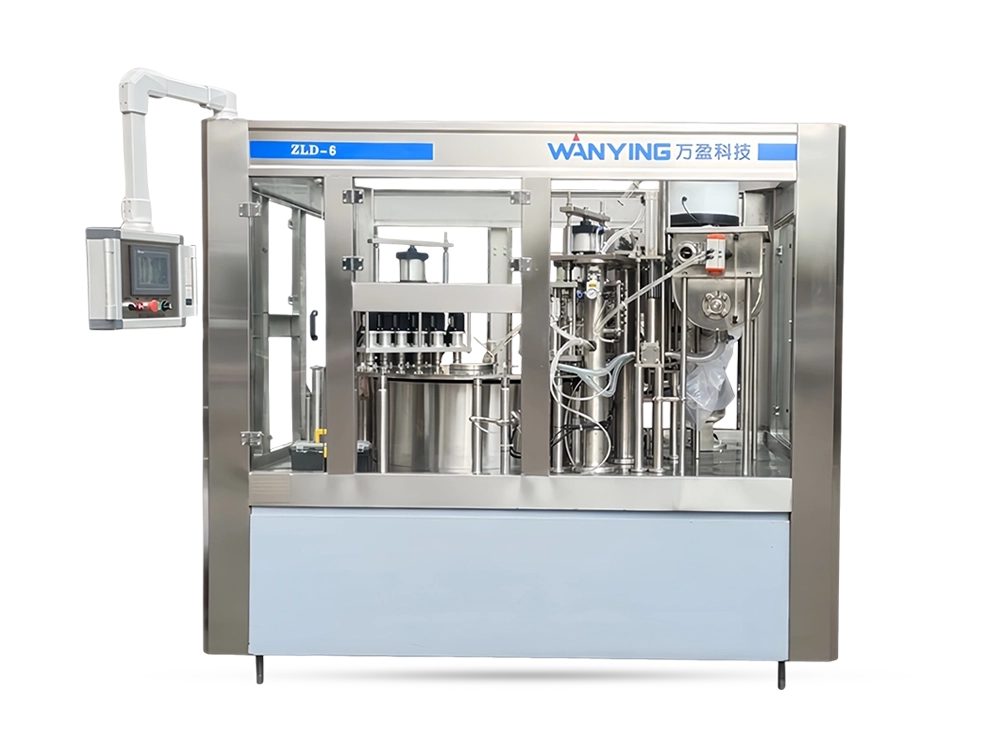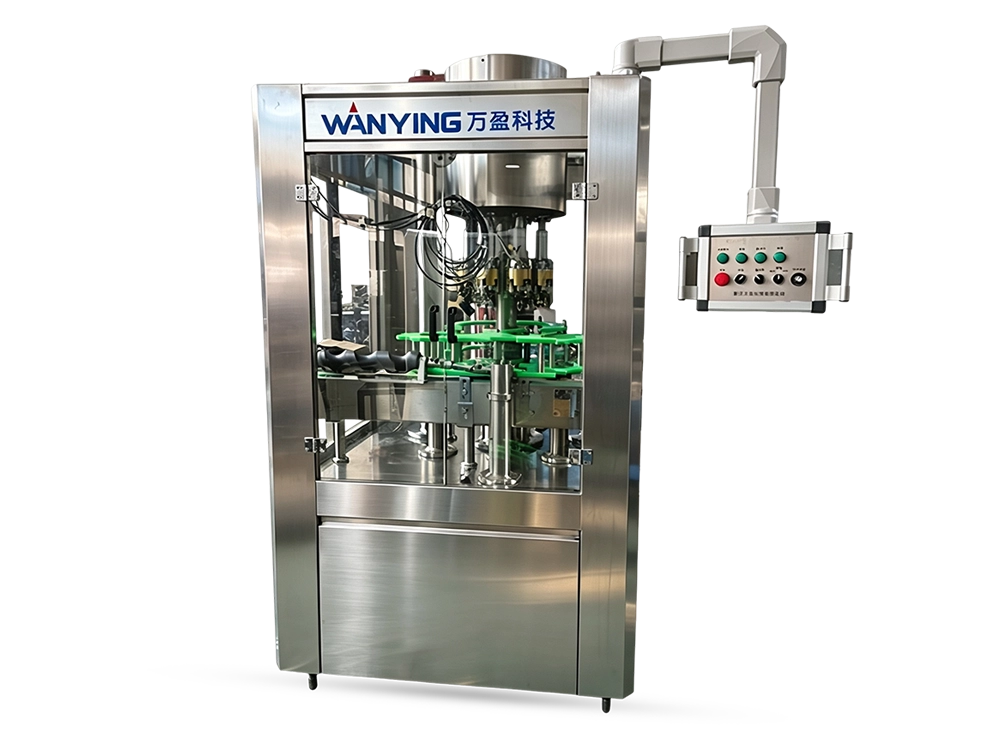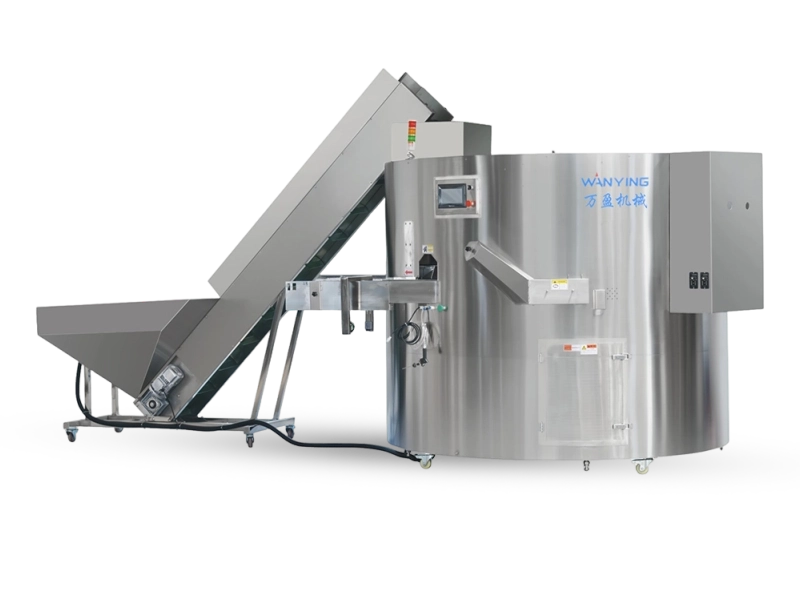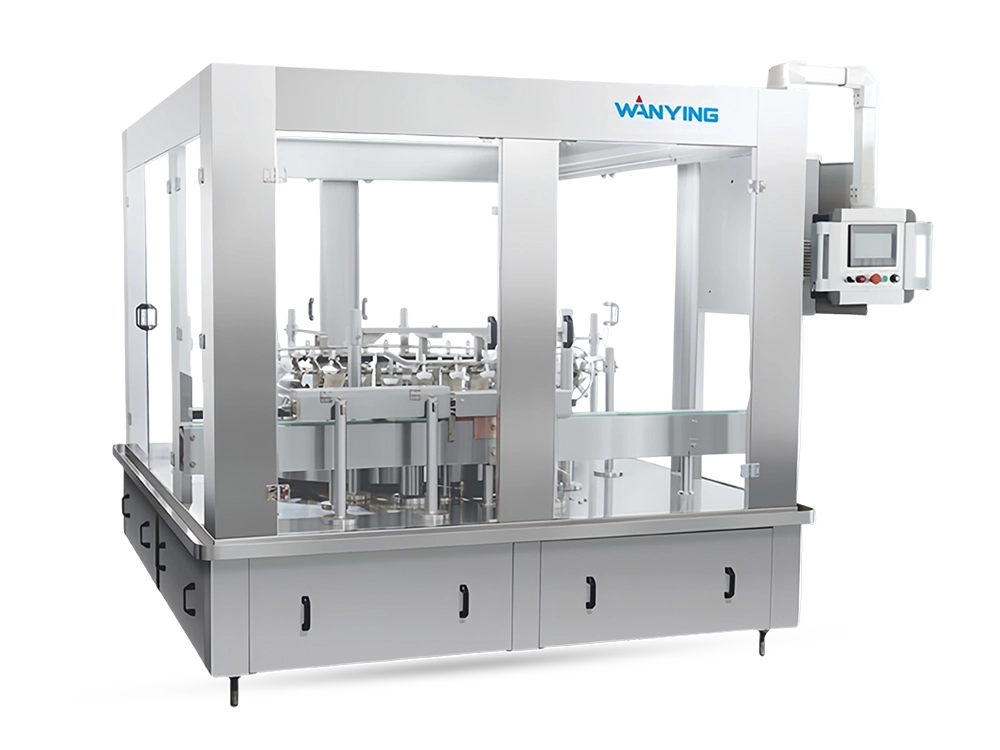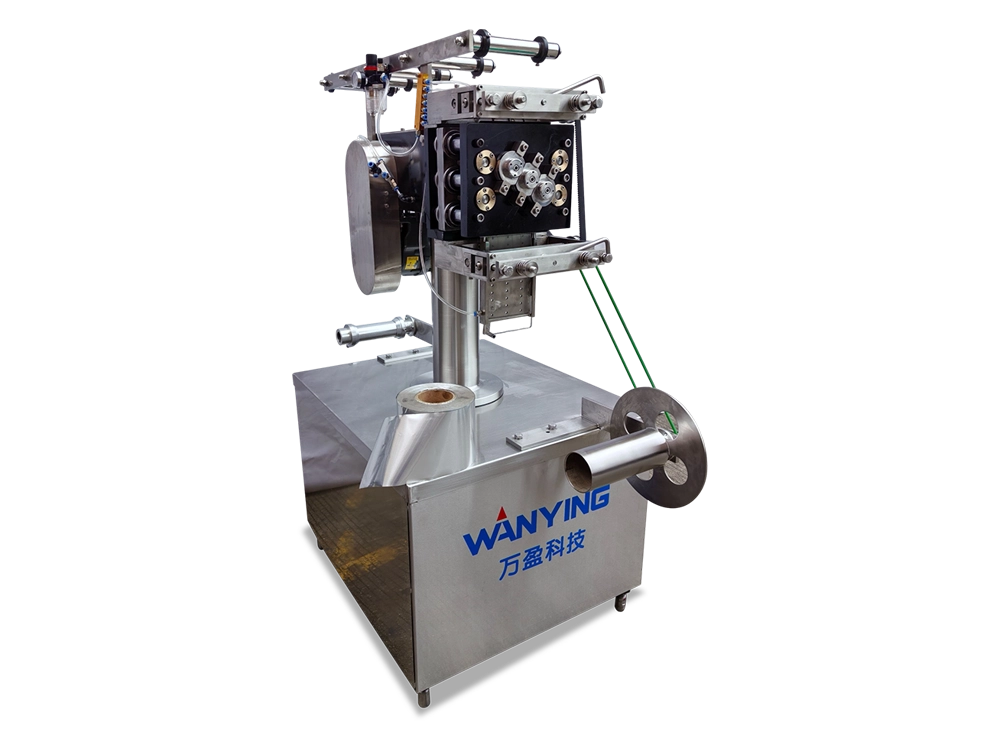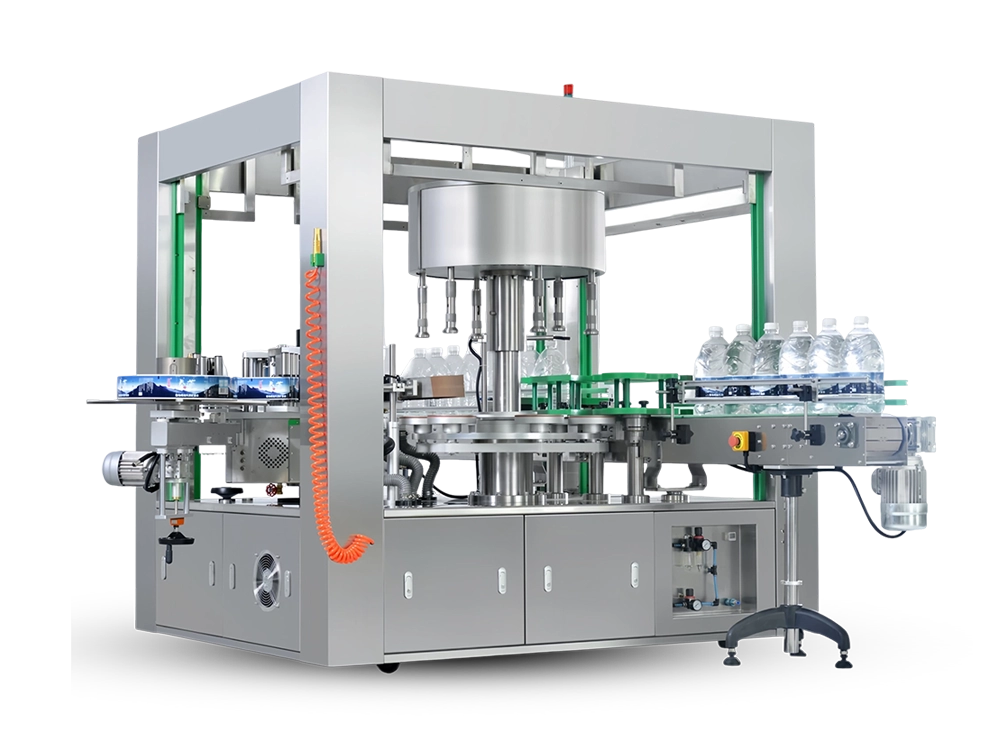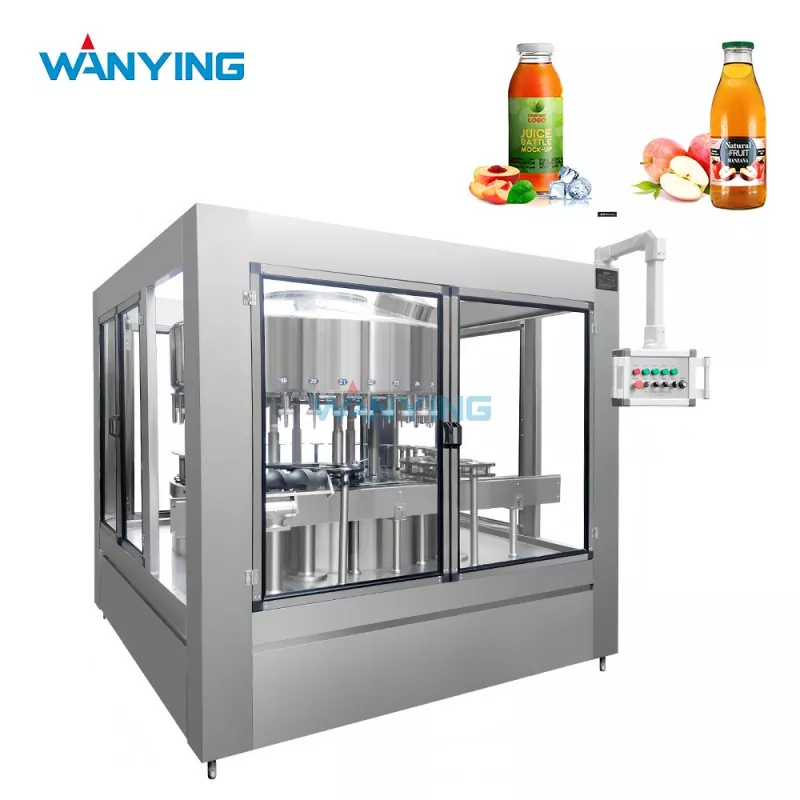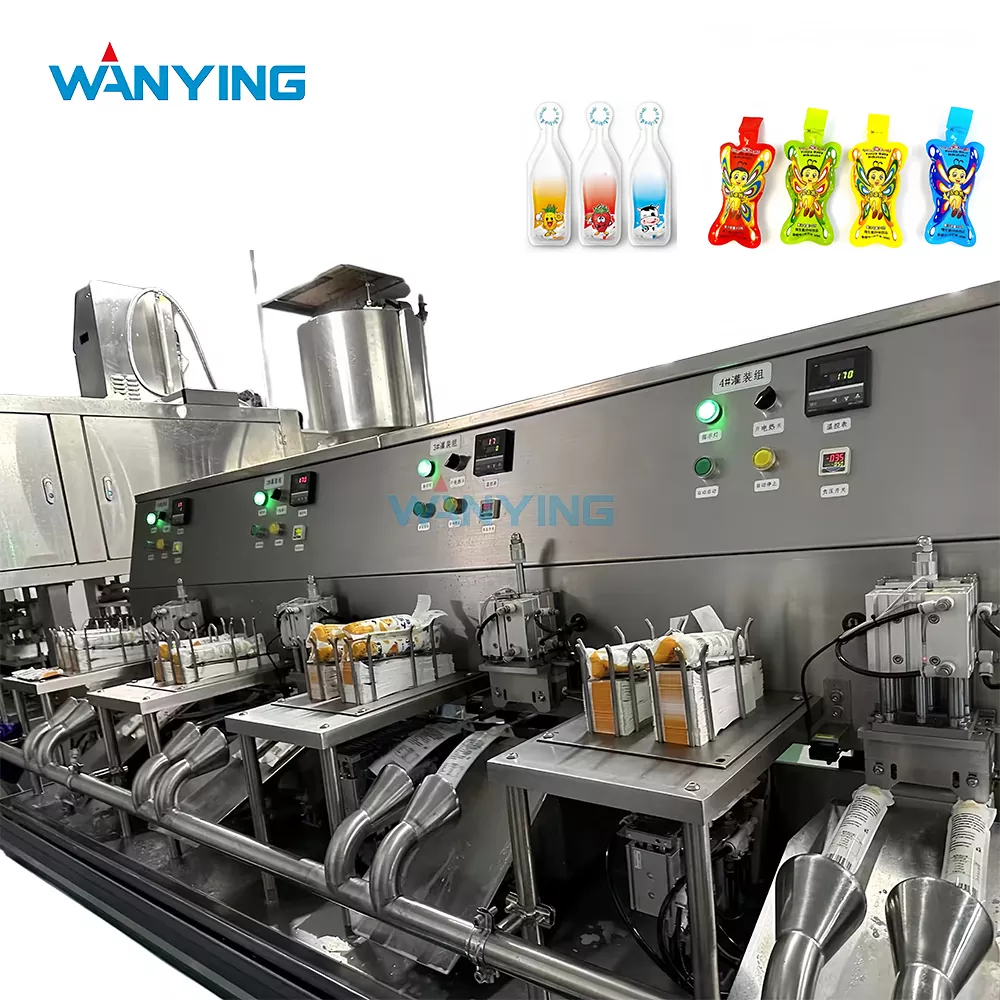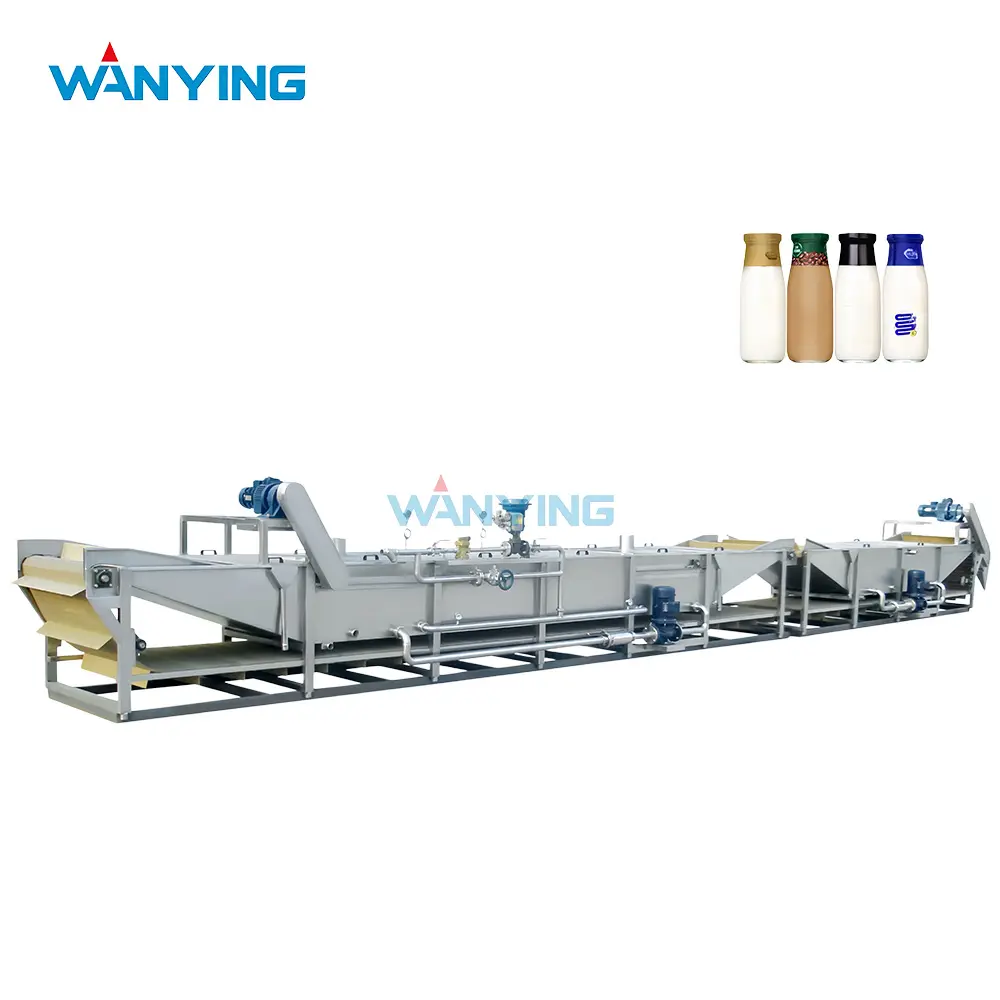
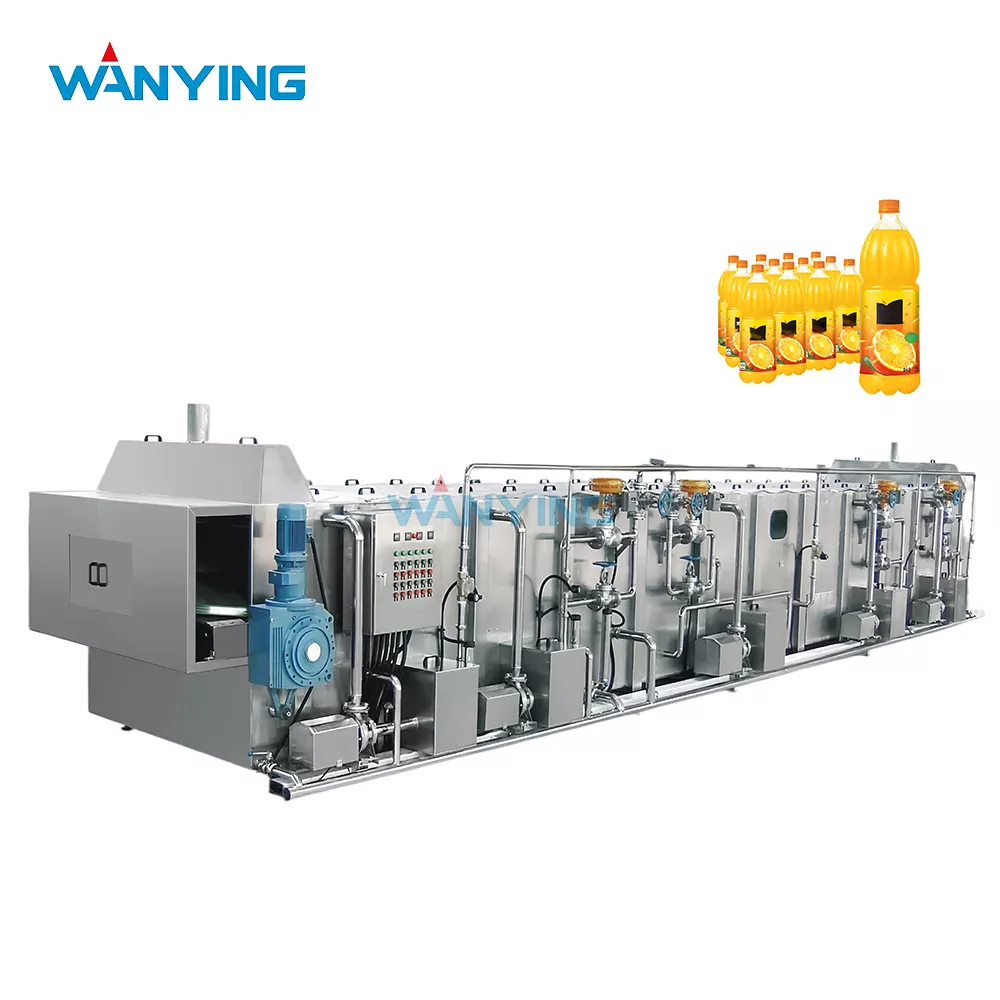
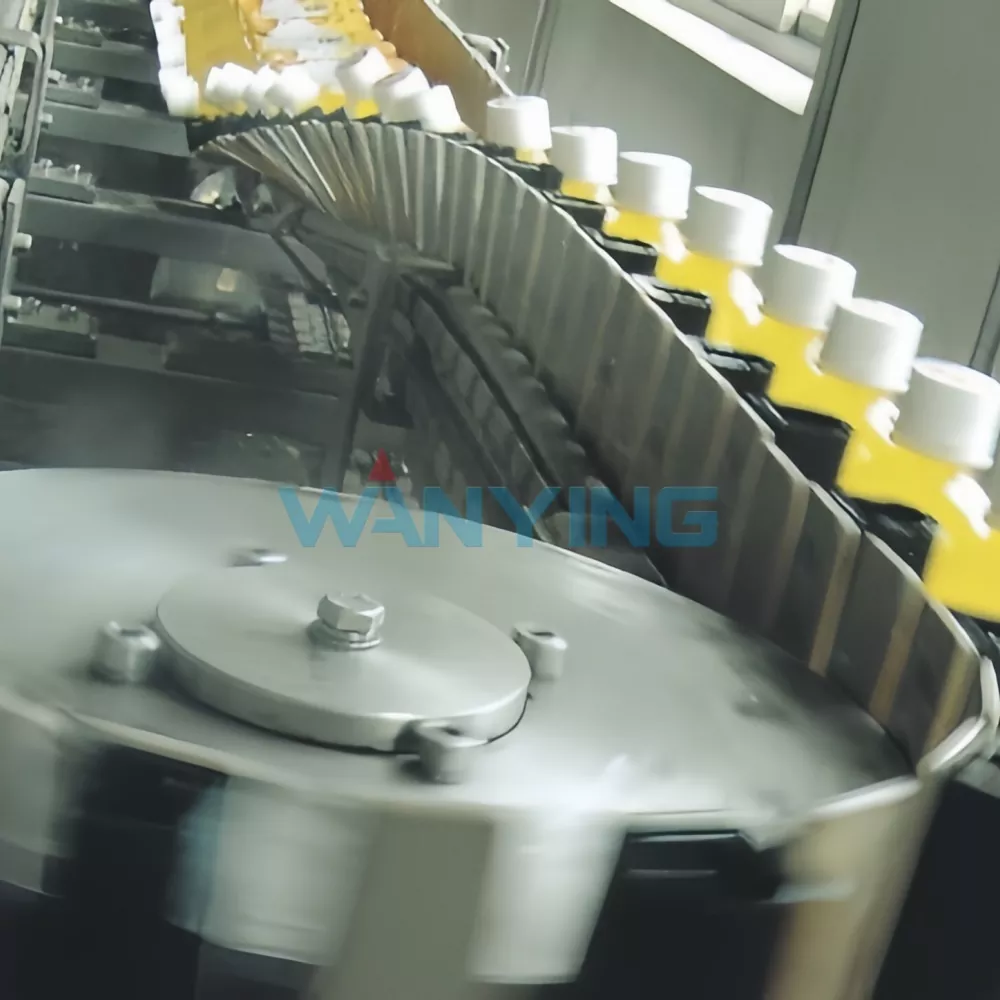
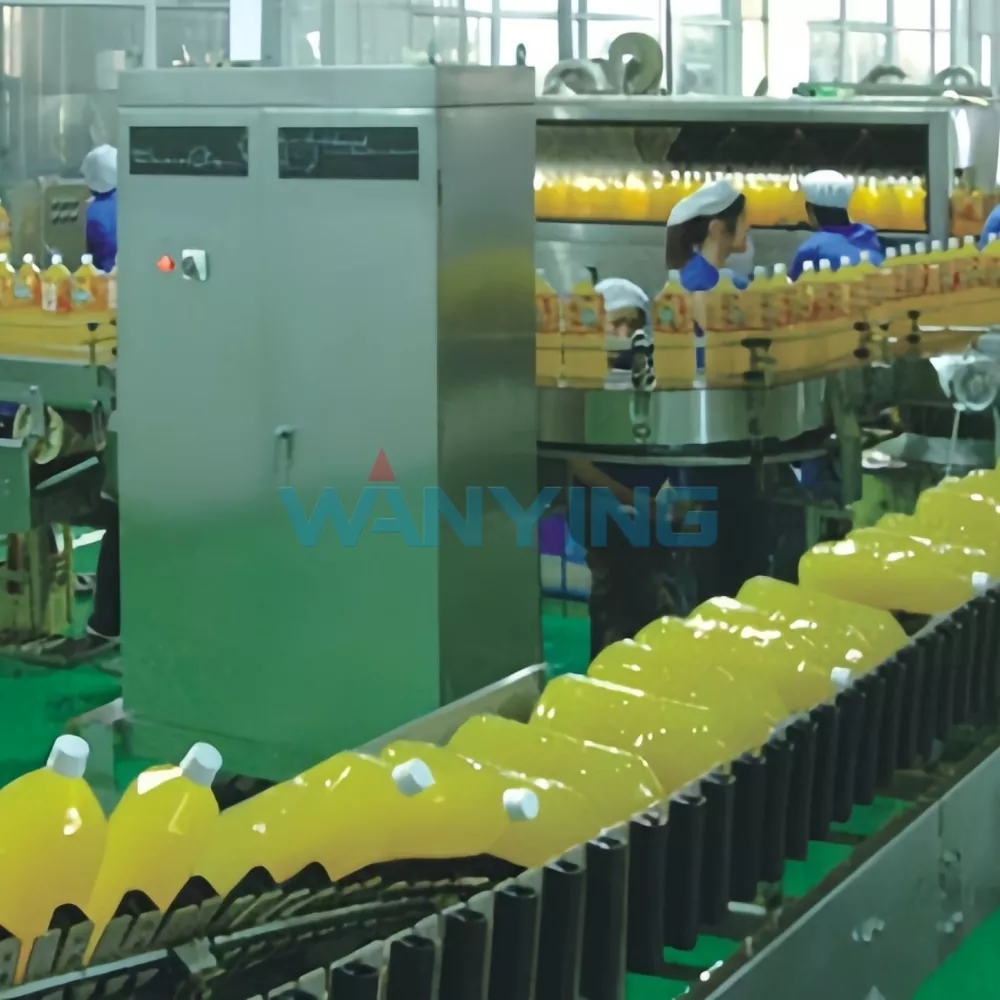
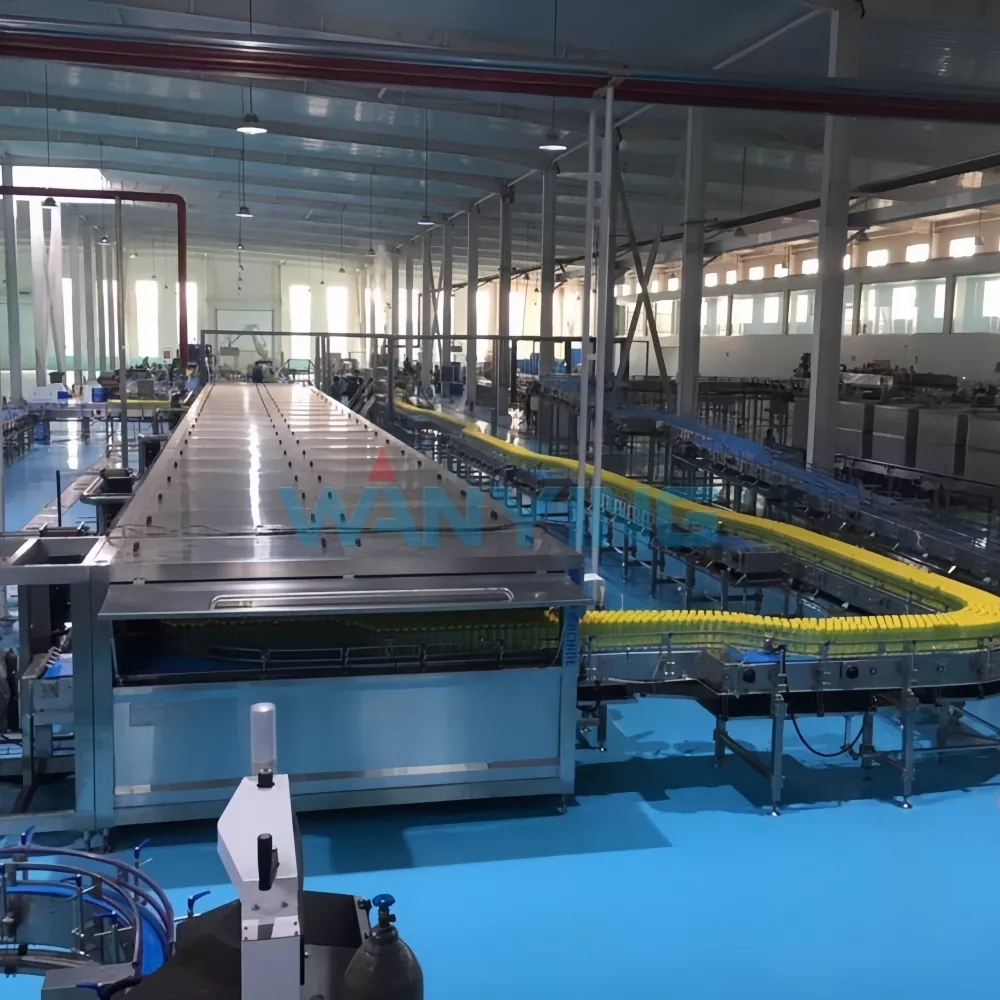
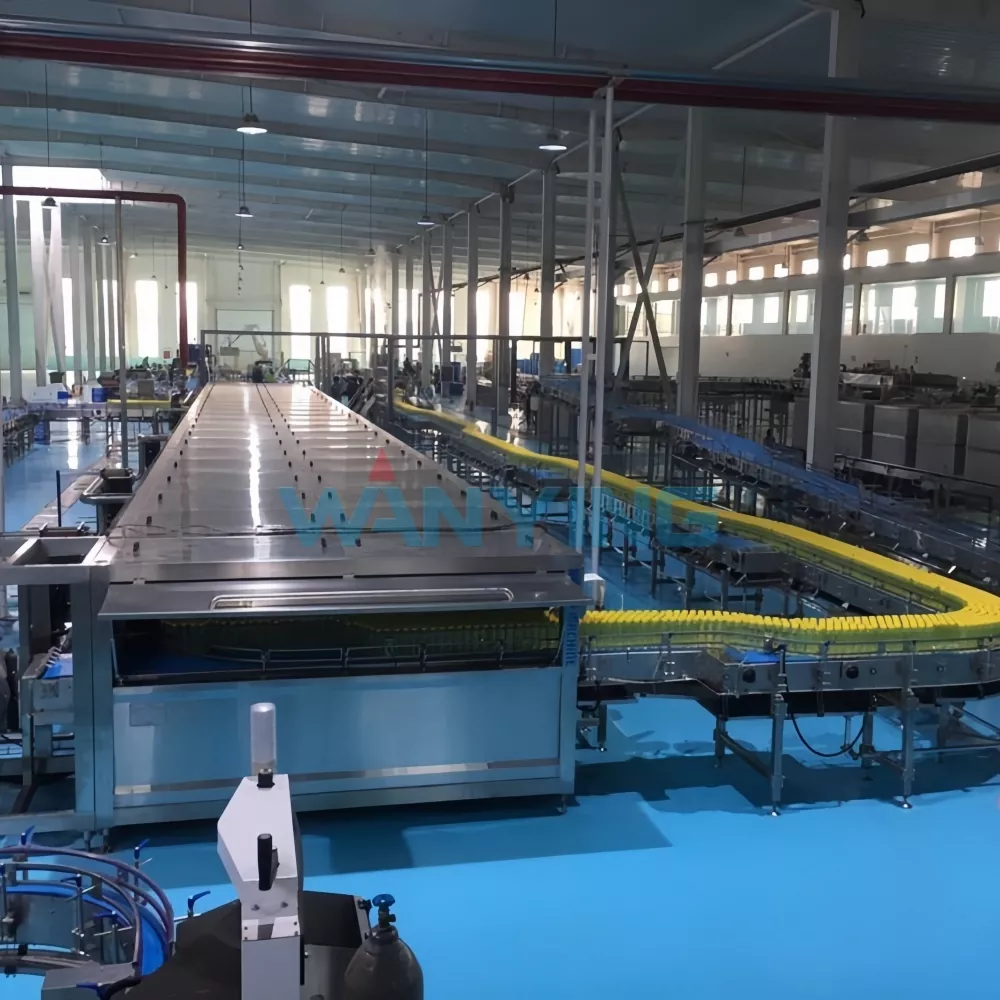
Designed with modular spray bars, independent temperature control zones, and a stainless-steel construction that meets food-grade hygiene standards, this machine delivers consistent lethality (PU – Pasteurization Units) across every container, whether glass bottles, PET, cans, or stand-up pouches. With energy-recovery systems that reduce thermal loss and variable-speed conveyor beds that adapt to different production rhythms, the Wanying Tunnel Pasteurizer offers a balance of food safety, operational efficiency, and long-term reliability that has made it a trusted choice across China's competitive food processing landscape.
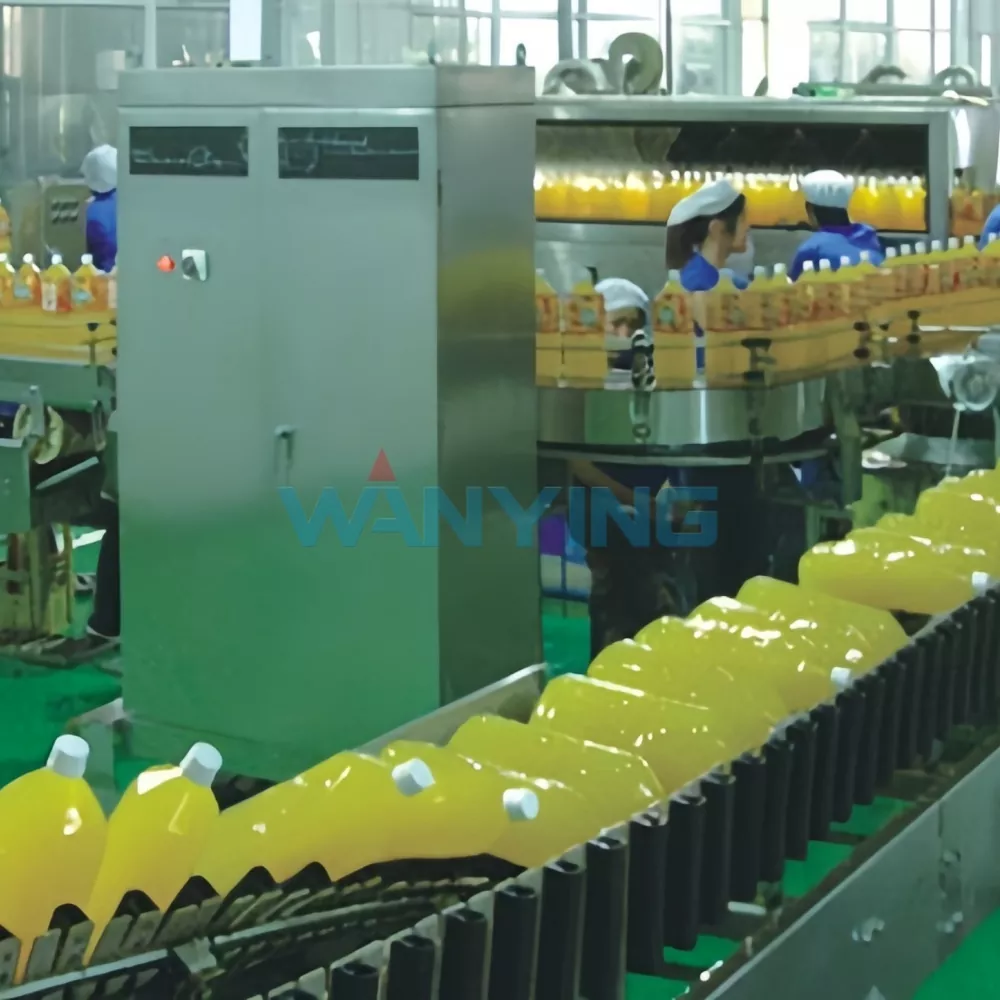
A tunnel pasteurizer is a continuous, conveyor-based thermal treatment system in which filled and sealed containers pass through a series of heated water spray zones followed by cooling zones. The product temperature is gradually raised to a target pasteurization level (typically 72–95°C depending on product pH and microbial load), held for a specified dwell time, then progressively cooled to ambient temperature before exiting. This graduated thermal profile prevents thermal shock—which can cause glass breakage or seal failure—while ensuring that the core temperature of each container achieves the required lethality.
Wanying's design incorporates independently controlled spray zones (typically 5–8 zones), each with dedicated recirculation pumps, heat exchangers, and temperature sensors. This zonal architecture allows fine-tuning of the thermal curve to match the specific heat-transfer characteristics of different container materials and product viscosities.
|
Attribute |
Wanying Advantage |
|
Thermal precision |
±0.5°C zone control via PID regulation with Siemens PLC |
|
Container flexibility |
Handles glass, PET, metal cans, and pouches without changing spray bars |
|
Energy efficiency |
Counter-flow water recirculation and heat recovery reduce steam consumption by up to 20% |
|
Hygienic design |
Sloped floors, CIP-ready spray nozzles, and fully welded frame with no crevices |
|
Gentle handling |
Low-friction belt conveyors with adjustable speed to minimize product agitation |
|
Data traceability |
Built-in temperature recorder and optional SCADA integration for batch reporting |
|
Parameter |
Specification |
|
Number of zones |
5 (Preheat 1, Preheat 2, Pasteurization, Cooling 1, Cooling 2) |
|
Temperature range |
Ambient +5°C to 98°C |
|
Conveyor width |
1,000–2,400 mm (customizable) |
|
Conveyor speed |
0.5–5.0 m/min (variable-frequency drive) |
|
Dwell time range |
5–40 minutes (adjustable) |
|
Heating medium |
Saturated steam or thermal oil |
|
Cooling medium |
Chilled water or cooling tower water |
|
Control system |
Siemens S7-1200 PLC with 7" HMI touchscreen |
|
Material |
SUS304 food-grade stainless steel (all product-contact and spray surfaces) |
|
Machine length |
8,000–18,000 mm (zone-dependent) |
Tunnel pasteurization is not a one-size-fits-all process. The thermal dynamics that work for a clear apple juice in a 330 mL glass bottle are fundamentally different from those required for a viscous oyster sauce in a 500 mL PET container, or for a high-salt fermented bean curd brine in a ceramic-style jar. Wanying's engineering team has encountered and solved these variances across more than 85 pasteurizer installations since 2010, serving clients in the fruit juice, dairy, condiment, and fermented food sectors.
This depth of experience means we do not simply deliver a standard machine with a generic temperature profile. Instead, we begin every project with a product characterization phase, where we analyze:
· The product's pH, viscosity, and soluble solids content
· The container's material, wall thickness, and thermal conductivity
· The production line's upstream filling temperature and downstream packaging requirements
· The facility's available steam pressure, cooling water temperature, and floor space constraints
Only after this analysis do we propose a zone configuration, spray nozzle layout, and conveyor speed range. This consultative approach has helped clients avoid costly trial-and-error adjustments after installation—a common pain point with off-the-shelf equipment.
Our technical team includes food processing engineers who understand the microbiological targets for different product categories. For example:
· Low-acid products (milk, soy milk, oat beverages) – require achieving 5-log reduction of Clostridium botulinum spores, necessitating core temperatures of 85–95°C with precise dwell time. Our tunnel pasteurizers feature extended holding zones and redundant temperature sensors to guarantee this lethality.
· High-acid products (fruit juices, vinegar-based sauces) – target yeast and mold inactivation at 72–78°C, where over-pasteurization can cause cooked flavors. We design shorter holding sections with rapid cooling to preserve freshness.
· Salt-brine products (fermented bean curd, pickled vegetables) – introduce corrosion risks and alter heat transfer rates. We specify duplex stainless steel for spray components and adjust spray droplet size to ensure even heat distribution through the brine layer.
Beyond thermal profiles, we address practical production challenges:
· Preventing label damage – our spray nozzles are angled to avoid direct impact on glued or shrink-sleeve labels
· Avoiding cap deformation – we limit spray pressure in the first preheat zone to prevent internal pressure build-up
· Minimizing water spotting – our final rinse zone uses deionized water with air-knife drying as an optional add-on
A tunnel pasteurizer's reliability depends heavily on the quality of its control, sensing, and fluid-handling components. Wanying's procurement policy gives preference to established global brands whose performance we have verified through years of field use. Our standard specification includes:
· Siemens PLC and HMI – for stable logic processing and intuitive operator interface
· Omron temperature sensors and proximity switches – for accurate, drift-free thermal reading
· Grundfos recirculation pumps – known for continuous-duty reliability and energy efficiency
· Plate heat exchangers – built to Alfa Laval design standards, with options for all-welded construction in corrosive applications
· Spray nozzles – machined from wear-resistant 316L stainless steel, with orifice sizes selected per zone to maintain optimal spray coverage
This component strategy ensures that our pasteurizers maintain calibration and mechanical integrity over years of 24/7 operation. Moreover, because these brands have global distribution networks, our clients can source replacement parts locally—reducing downtime risks and dependency on a single supplier.
Trust in a pasteurization system must be earned through demonstrable results, not just printed specifications. Wanying follows a three-stage validation protocol for every tunnel pasteurizer:
Stage 1 – Factory Heat Distribution Test:
Before shipment, we install 16 thermocouple probes across the conveyor width at three different heights (bottom, middle, and top of container). The machine is run with water-filled containers at normal operating speed, and we record temperature variations across all zones. Acceptance criterion: maximum deviation of ±0.5°C from setpoint at any probe location.
Stage 2 – On-Site Bacteriological Validation:
After installation, we work with your quality assurance team to run actual product through the machine. We take pre-pasteurization and post-pasteurization samples from multiple positions on the conveyor and send them to an accredited lab for total plate count and specific pathogen testing. We do not hand over the machine until the required log-reduction targets are consistently met.
Stage 3 – Long-Term Performance Monitoring:
We equip each machine with a data logging system that records zone temperatures, conveyor speed, and pump pressures every 30 seconds. This data can be exported for batch traceability and is also accessible remotely by our service engineers, who proactively alert you to trends that may indicate nozzle wear or heat exchanger fouling.
This validation framework gives our clients documented evidence of the machine's capability—essential for their own regulatory audits and customer quality certifications.
The strongest testimony to our engineering comes from the clients who return to us for additional equipment. Over 40% of our tunnel pasteurizer orders are from existing customers expanding their lines or replacing older machines from other brands. These repeat clients cite three consistent themes:
· Consistent product quality – batch-to-batch variation in flavor, color, and shelf-life has been substantially reduced
· Lower operating costs – our heat recovery system typically cuts steam consumption by 18–22%, and our durable spray nozzles require replacement only every 18–24 months (compared to 6–12 months for competitors)
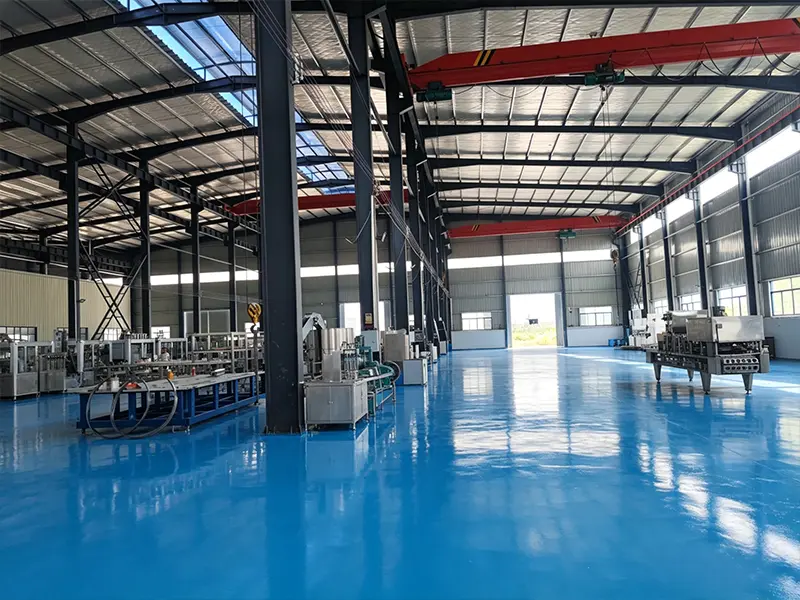
· Dependable after-sales support – our engineers respond to remote diagnostic requests within 2 hours during business hours, and we maintain a strategic inventory of critical spare parts at our factory in Hubei for rapid dispatch
We are also proud that several of our pasteurizer installations have been featured in industry case studies published by Chinese food processing associations, reflecting the broader industry's recognition of our technical contributions.
The heart of the tunnel pasteurizer is its spray distribution network. Wanying uses full-cone spiral nozzles arranged in staggered overlapping patterns to achieve 100% coverage across the conveyor width. Nozzles are made of wear-resistant stainless steel and are easily removable for cleaning or replacement.
Each zone has:
· Independent recirculation pump (Grundfos or equivalent)
· Plate heat exchanger (Alfa Laval or domestic high-grade) for precise temperature adjustment
· Auto-drain valves that open when the machine stops to prevent over-heating of stationary products
· Flow meters to monitor spray volume per zone, alerting operators to potential clogging
The conveyor is constructed with:
· Reinforced plastic modular belt (or stainless steel wire mesh for heavier containers)
· Low-friction guide rails to prevent bottle tipping
· Positive drive sprockets with anti-backlash design for accurate speed control
· Belt washing spray at the return run to keep the underside clean
The Siemens PLC with 7-inch HMI provides:
· Real-time display of each zone's setpoint and actual temperature
· Historical trend graphs for quality audits
· Alarm logs with diagnostic troubleshooting guides
· Password-protected recipe management for up to 30 different products
Optional upgrades include:
· Thermal printer for batch reports
· Remote access via 4G modem for our service engineers to perform diagnostics
· Energy monitoring module to track steam and electricity consumption per shift
The Wanying tunnel pasteurizer recovers waste heat from the cooling zones and redirects it to the preheating zones using a counter-flow water circulation system. This reduces fresh steam demand by 18–22% compared to conventional designs. Additionally, the spray water is continuously filtered and reused, cutting water consumption by approximately 40%.
Gentle handling features include:
· Infeed synchronization with upstream filler to prevent bottle collision
· Graduated acceleration zones that match product movement
· Drip trays under each zone that capture condensation and return it to the system, preventing water spots on containers
Maintenance-friendly features:
· Hinged access doors with viewports on each zone
· Quick-release nozzle connections for cleaning
· Sloped tank bottoms with central drain ports to facilitate CIP (Clean-in-Place) operations
· Bearing housings with grease fittings extended to the machine exterior
Use Case 2 – Soy Sauce and Vinegar Plant in GuangdongThis condiment manufacturer produces dark soy sauce and aged vinegar in 500 mL glass bottles. Their previous pasteurization method involved a hot-water bath tank with inconsistent temperature control, leading to flavor variation and occasional bottle explosion.
Wanying Solution:
· Installed a 6-zone tunnel pasteurizer (Preheat 55°C → 65°C → 78°C → 82°C → 75°C → 45°C)
· Configured conveyor speed for 18-minute total dwell time
· Added pH sensors to monitor process water acidity (vinegar can corrode standard nozzles; we used acid-resistant 316L stainless steel)
Results:
· Flavor consistency score (by sensory panel) improved from 75 to 91 out of 100
· Bottle explosion incidents: zero over 6 months
· Production capacity increased from 8,000 to 15,000 bottles per shift without adding floor space
· The machine was fully integrated with their existing labeller and inkjet printer, creating a seamless line
Use Case 3 – Coconut Water and Plant-Based Beverage Company in HainanA producer of pure coconut water and oat milk required pasteurization that would not cook or alter the fresh taste of their products. They had tried UHT systems but found them too aggressive for the delicate coconut water proteins.
Wanying Solution:
· Custom-designed 8-zone pasteurizer with a flatter temperature curve:
o Preheat 1: 42°C, Preheat 2: 52°C, Preheat 3: 62°C, Holding: 72°C (extended), Cooling 1: 60°C, Cooling 2: 48°C, Cooling 3: 35°C, Final rinse: 25°C
· Used deoxygenated spray water to reduce oxidative degradation of flavor compounds
· Installed oxygen sensors in the headspace monitoring system
Outcome:
· Total plate count reduced from >1,000 CFU/mL to <10 CFU/mL (meeting export standards)
· Product shelf life extended from 90 to 180 days without preservatives
· The client now exports to Southeast Asian and Middle Eastern markets with full traceability reports for each batch
· Return on investment achieved in 14 months
Use Case 4 – Fermented Bean Curd (Tofu) Brine Processor in SichuanFermented bean curd packed in brine-filled glass jars presented a unique challenge: the brine has high salt content (8–12%) and low pH (4.2–4.5), which is corrosive to standard stainless steel and affects heat transfer rates.
Wanying Solution:
· Super duplex stainless steel (2205) spray bars and heat exchangers for corrosion resistance
· Extended preheat zone to gradually raise brine temperature, preventing fat separation from the tofu curd
· Lower pasteurization temperature (76°C) with longer dwell (25 minutes) to preserve the characteristic soft texture
Results:
· No corrosion observed in spray system after 18 months (previously replaced nozzles every 6 months)
· Texture retention rated "excellent" by quality control team
· Downtime for cleaning reduced from 4 hours/week to 1.5 hours/week due to improved CIP design
A: Our tunnel pasteurizer is designed with adjustable guide rails and modular spray bar spacing to accommodate a wide range of container heights (50–350 mm) and diameters (30–150 mm). For material differences:
· Glass bottles – we reduce spray pressure and extend preheat zones to prevent thermal shock.
· PET bottles – we limit water temperature to below 85°C to avoid bottle deformation, and use lower spray pressure.
· Cans – we increase spray pressure and use higher flow rates to ensure heat penetration.
· Pouches – we add a support platform and reduce conveyor speed to prevent shifting.
Changeover between container families takes approximately 30–45 minutes and is guided by the HMI recipe system. For frequent format changes, we offer optional quick-release nozzle plates and guide rail clamps that reduce changeover to under 20 minutes.
A: For most mid-scale producers (8,000–20,000 bottles per shift), the payback period ranges from 12 to 24 months, driven by four factors:
· Labor savings – continuous tunnel requires 1 operator vs. 3–4 operators for batch systems.
· Energy reduction – counter-flow heat recovery saves 18–22% on steam bills.
· Product yield improvement – reduced breakage, spoilage, and rework can save 2–5% of production volume.
· Floor space efficiency – our tunnel occupies roughly half the footprint of a batch pasteurization room with multiple tanks.
We provide a personalized ROI calculator during the quotation phase, using your actual production figures and local utility costs.
A: As a direct supplier from our China headquarters, we offer a comprehensive support package:
· On-site installation and commissioning (3–5 days) led by our senior process engineers, including full heat distribution validation.
· Operator and maintenance training (2 days) covering daily startup/shutdown, CIP procedures, troubleshooting common alarms, and emergency stop protocols.
· Remote monitoring – we equip every machine with a 4G-enabled gateway, allowing our team to log in (with your permission) for software updates and diagnostics.
· Spare parts kit included with every machine – containing spare nozzles, seals, sensors, and drive belts to cover the first 12 months.
· Annual service visit – our engineers can inspect, calibrate, and recommend upgrades as your production needs evolve.
All training materials are provided in both English and Chinese, with video guides accessible via QR codes on the machine panels.
|
Evaluation Criterion |
Wanying Capability |
|
Product diversity experience |
Juice, dairy, soy sauce, vinegar, coconut water, fermented bean curd brine, oat milk, canned fruit |
|
Container variety |
Glass, PET, metal cans, pouches, jars, cups |
|
Custom thermal profile design |
Our food technologist works with your QA team to define the exact PU target and profile curve |
|
Quality components |
Siemens PLC, Grundfos pumps, Alfa Laval-style heat exchangers, high-grade stainless steel |
|
Turnkey integration |
We coordinate with your line integrator or provide full conveyor linking to fillers, labellers, and case packers |
|
Global service network |
Based in China with partner agents in Southeast Asia, Africa, and the Middle East |
|
Price-performance ratio |
Direct factory pricing—you get European-equivalent technology at a competitive cost |
|
Warranty |
24 months on structural framework, 12 months on electrical and mechanical components, with extended warranty options |
The Wanying Tunnel Pasteurizer represents more than just a heat-treatment machine—it is a process assurance system that guards your product's safety, sensory quality, and shelf-life while optimizing your operational costs. By combining precise zonal temperature control, energy-saving heat recovery, and robust hygienic construction, we deliver a pasteurization solution that adapts to the diverse needs of liquid food producers.
Our commitment to continuous improvement—driven by field data from every installation—ensures that each generation of our tunnel pasteurizer incorporates the latest advancements in thermal engineering and automation. Whether you are running a single-shift artisan operation or a 24/7 industrial facility, Wanying provides the expertise, service, and reliability to keep your products safe and your production running smoothly.
Address
Xihenao Industrial Zone, Fenglin Town, Yangxin County, Huangshi City, Hubei Province, China
Tel