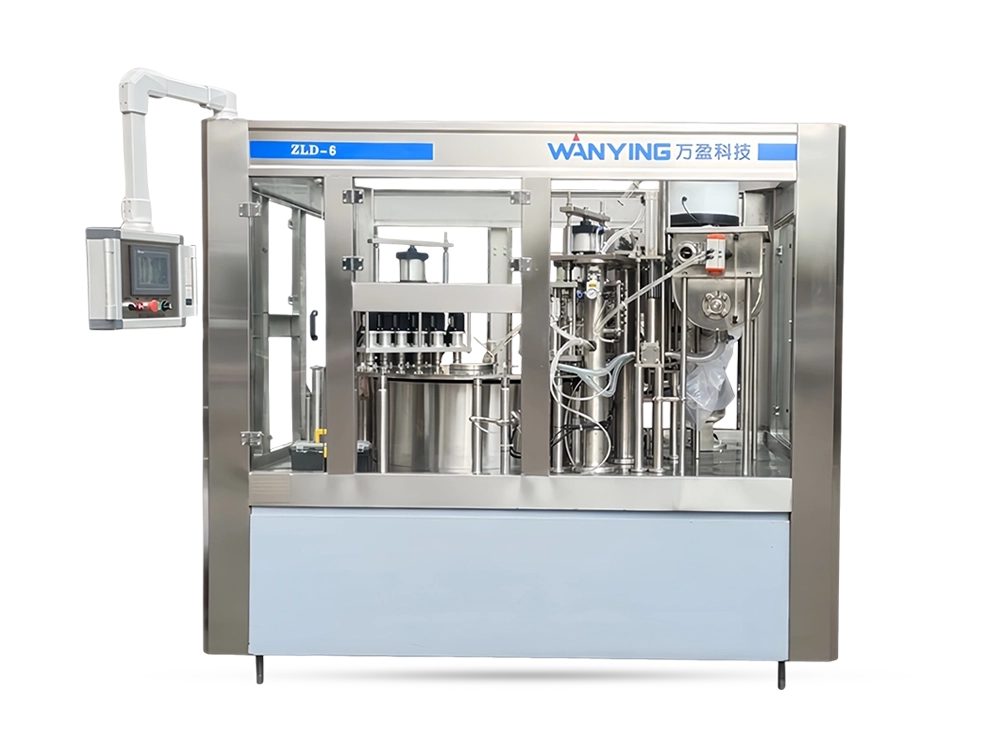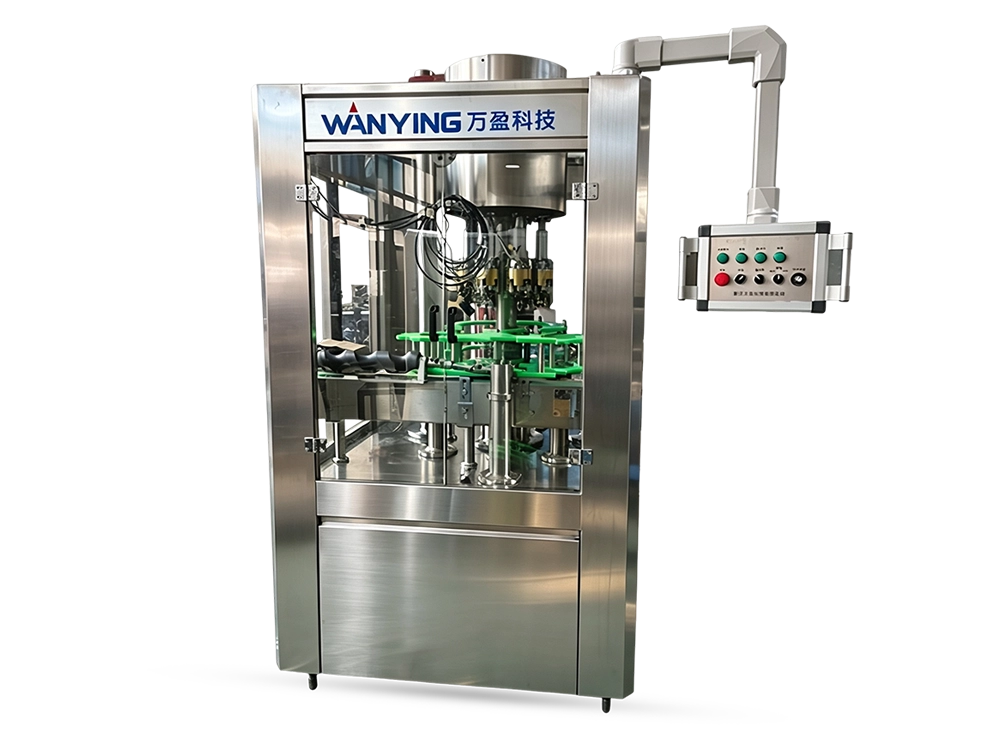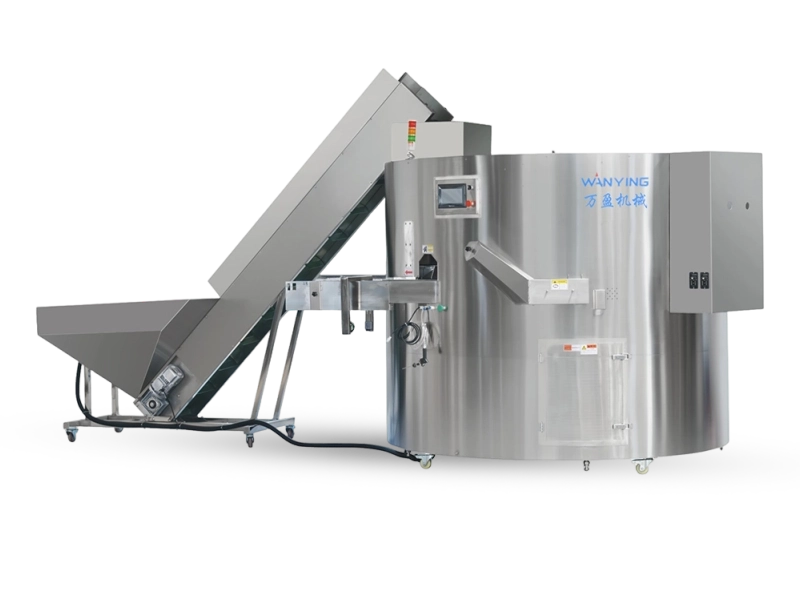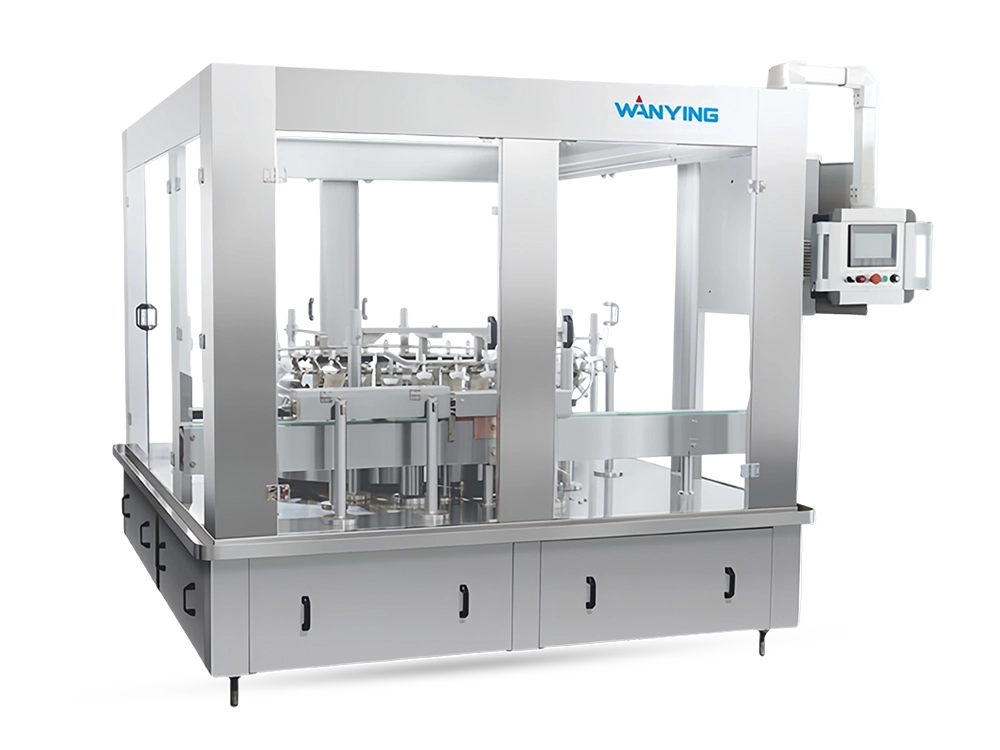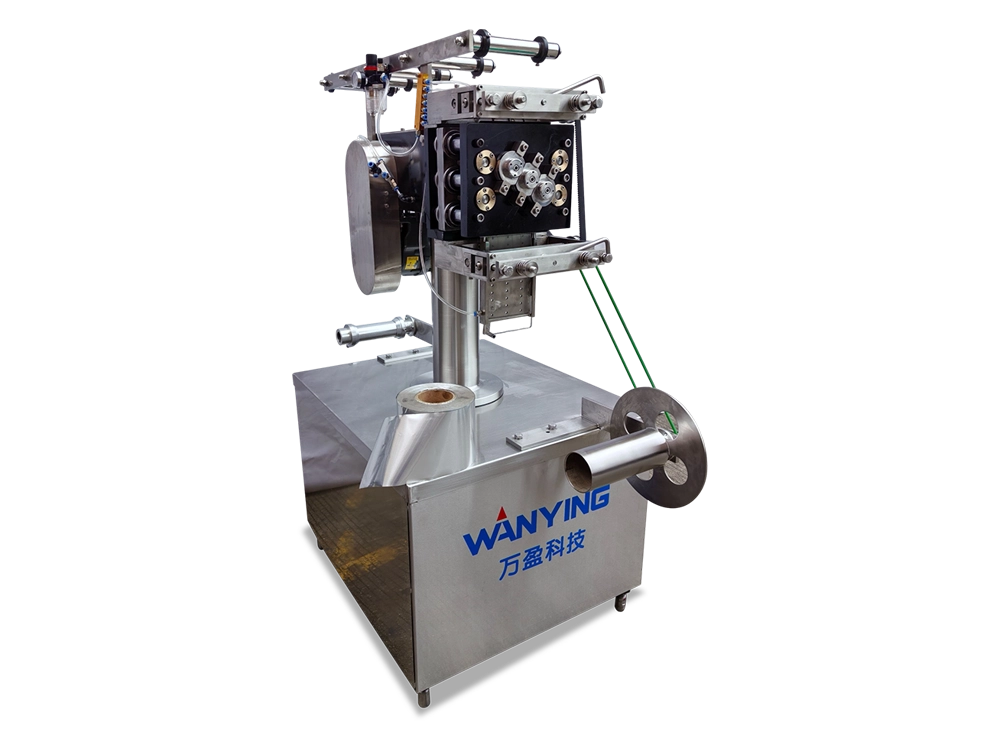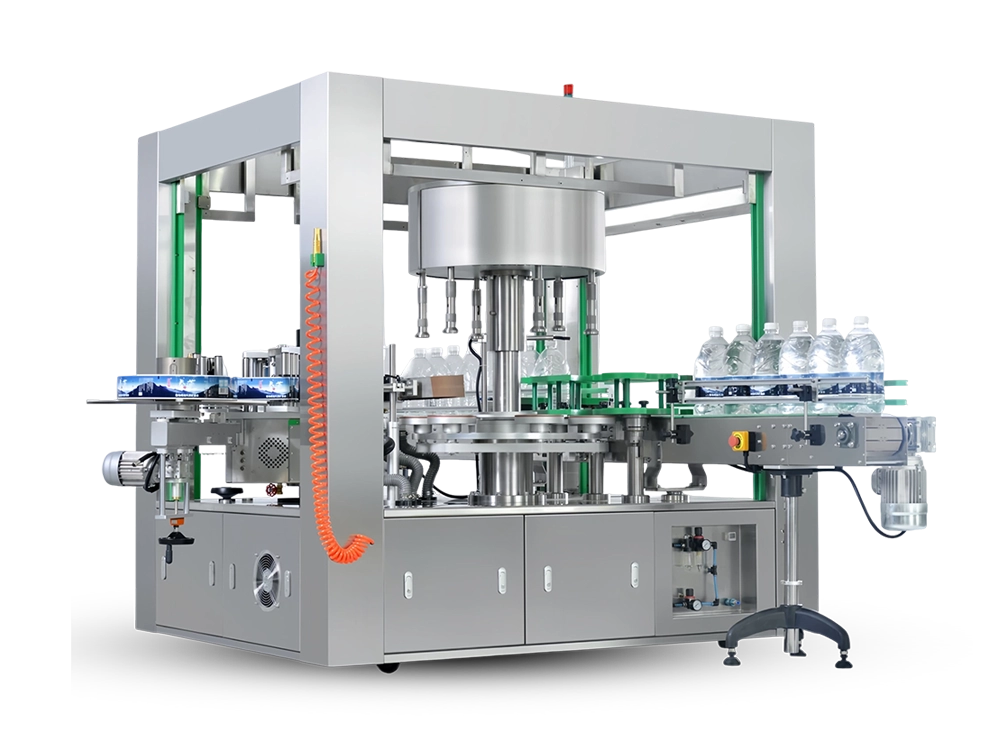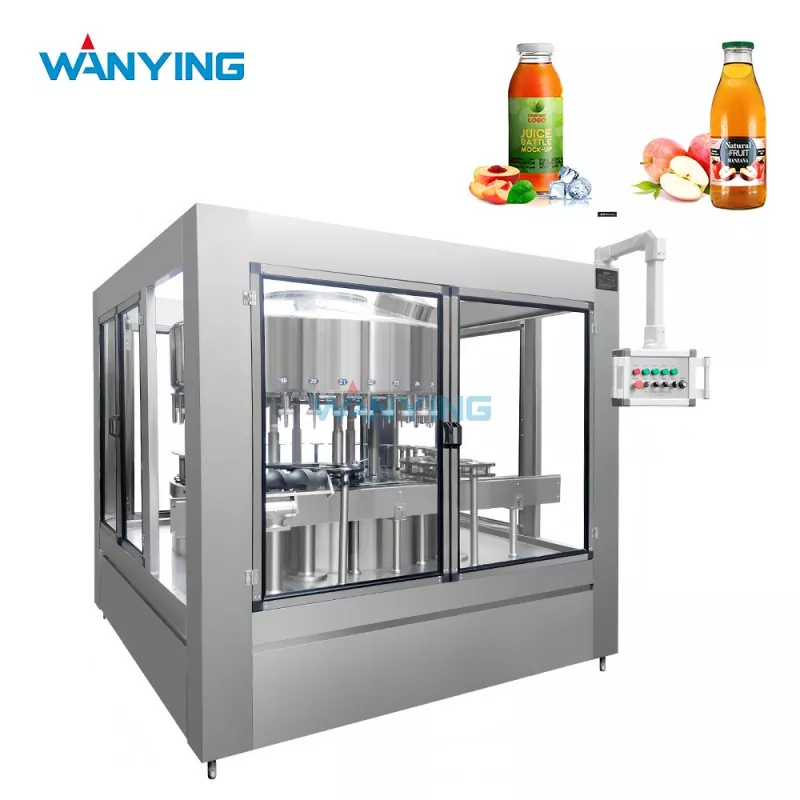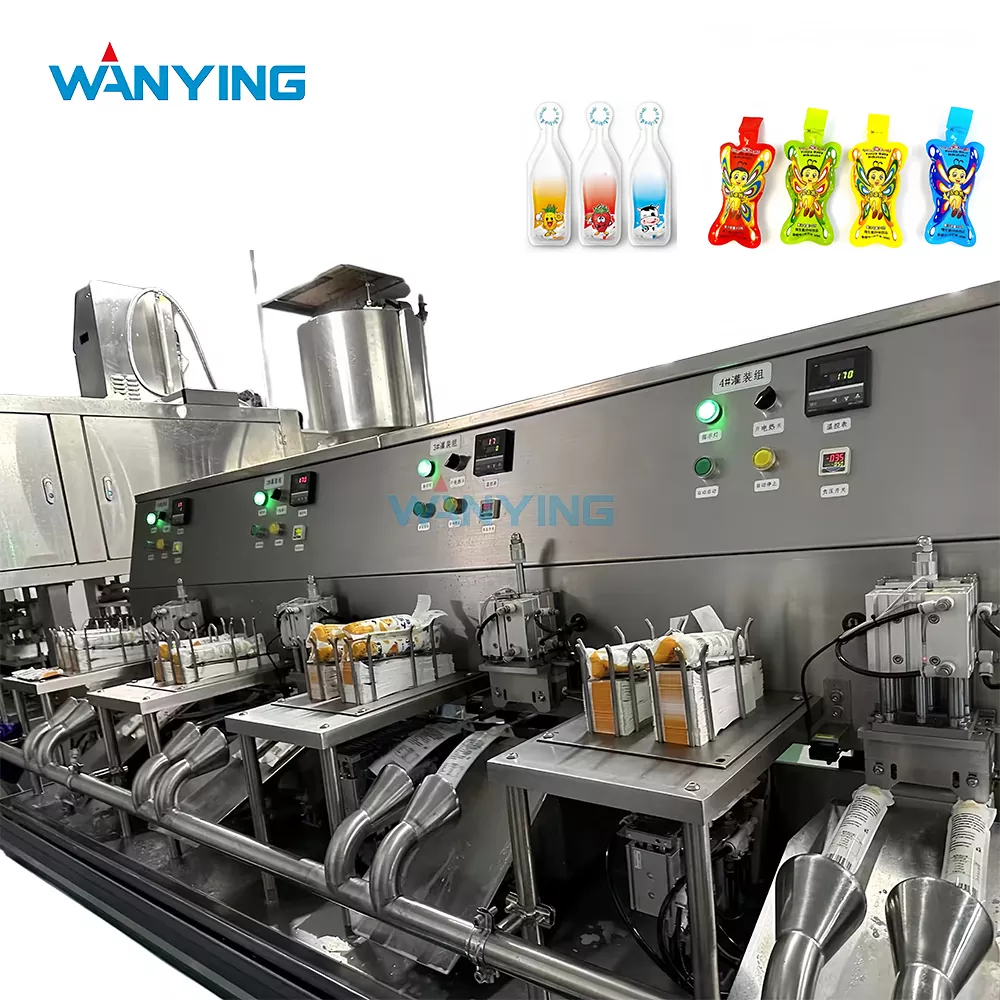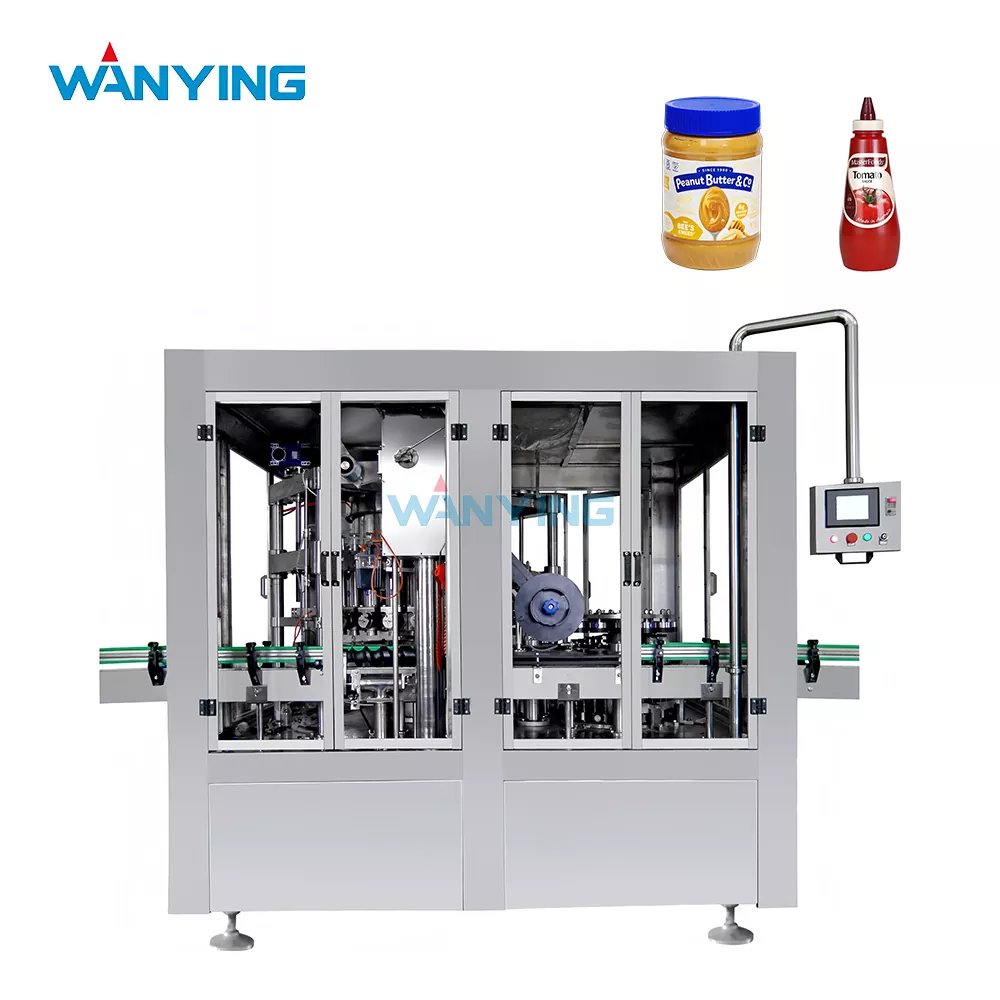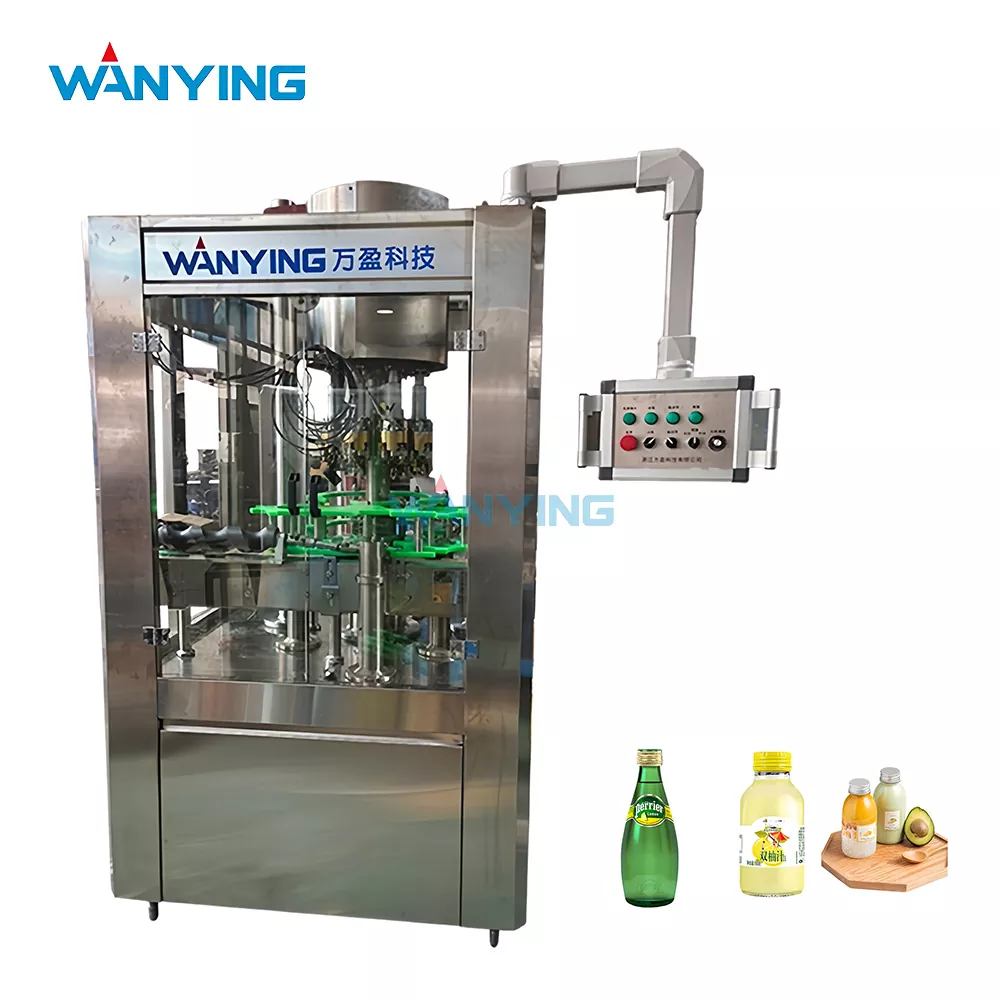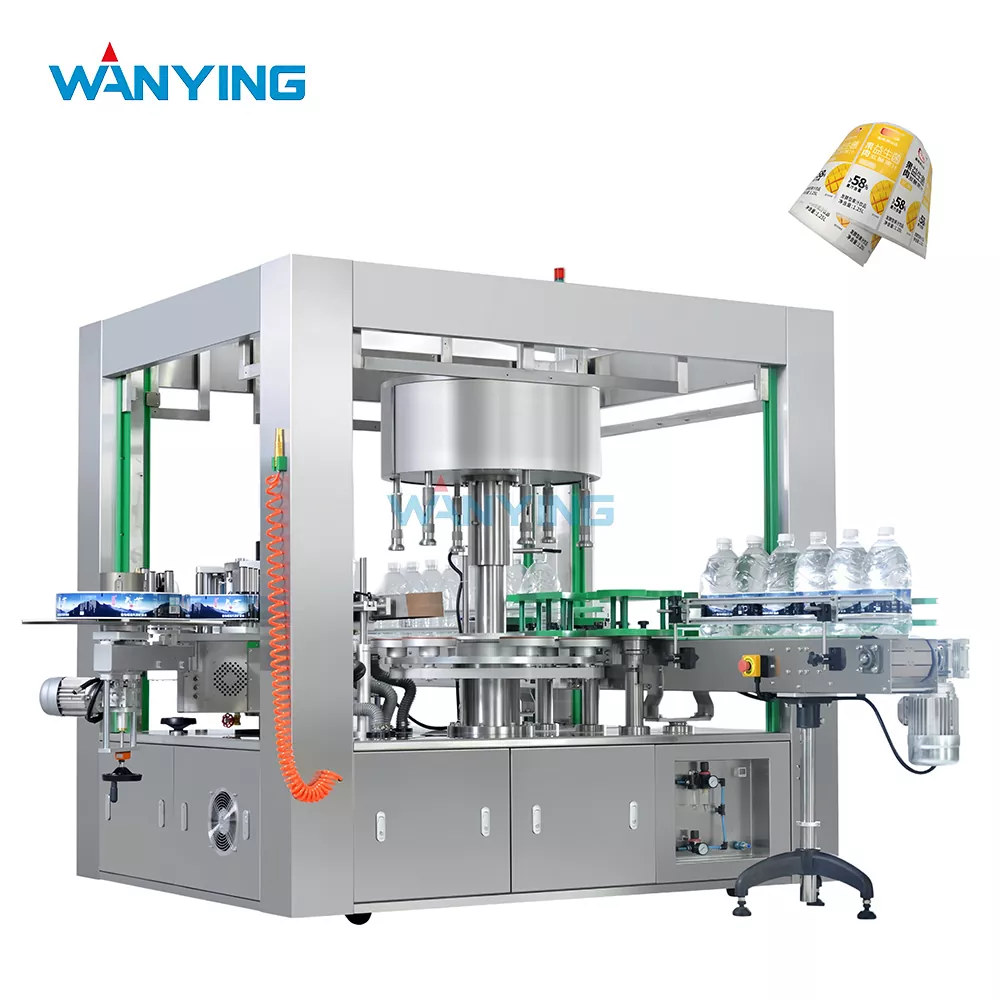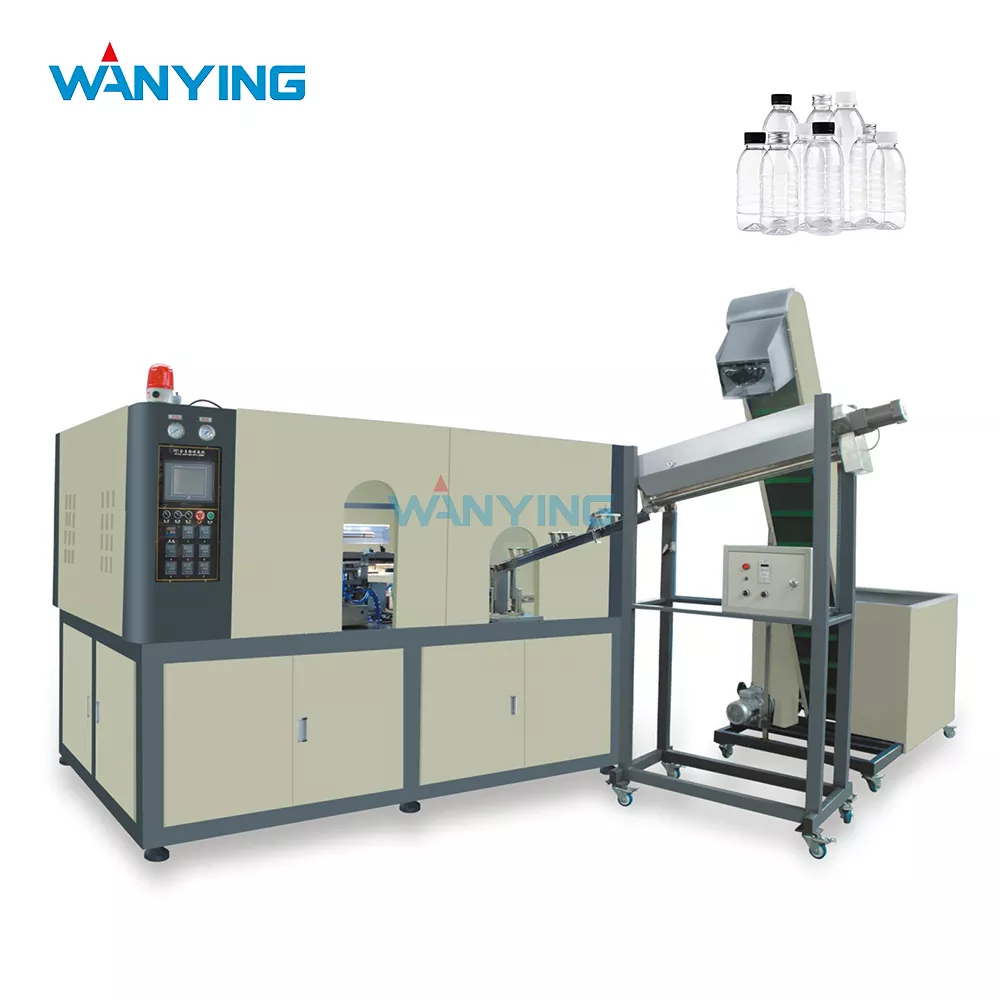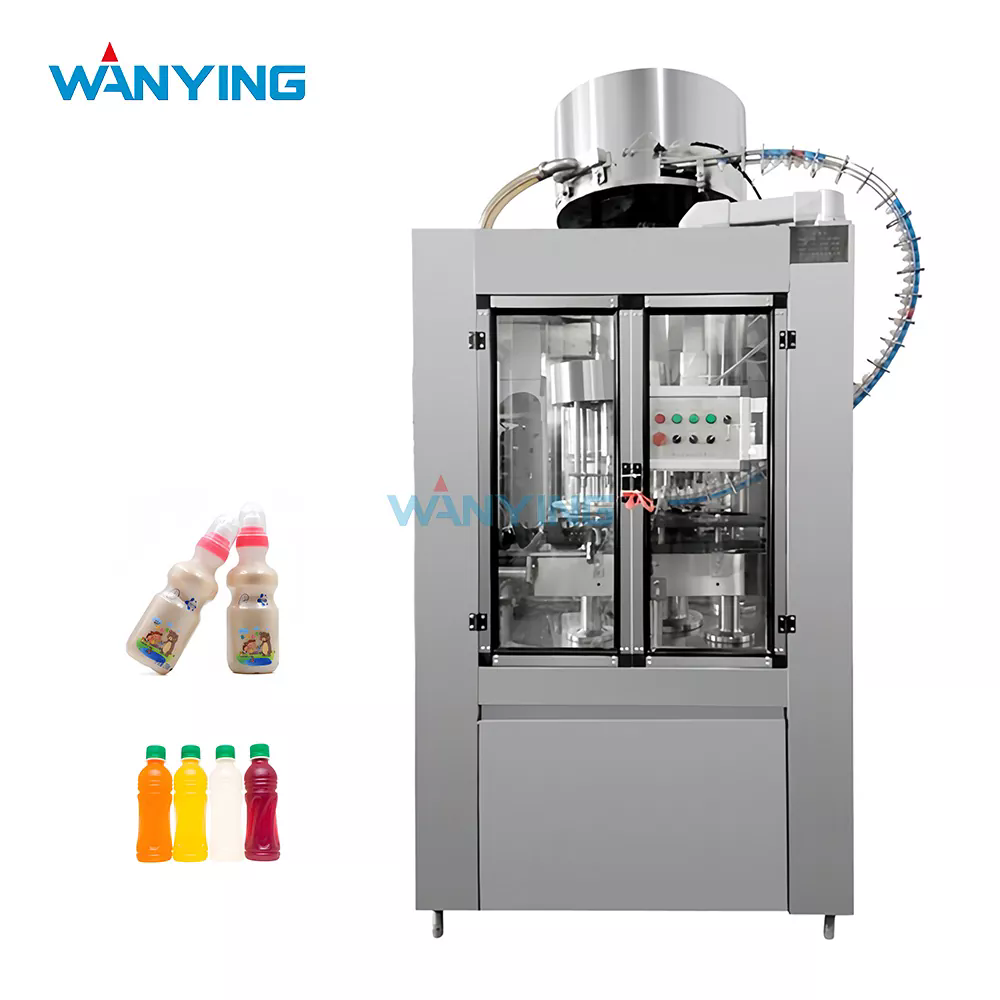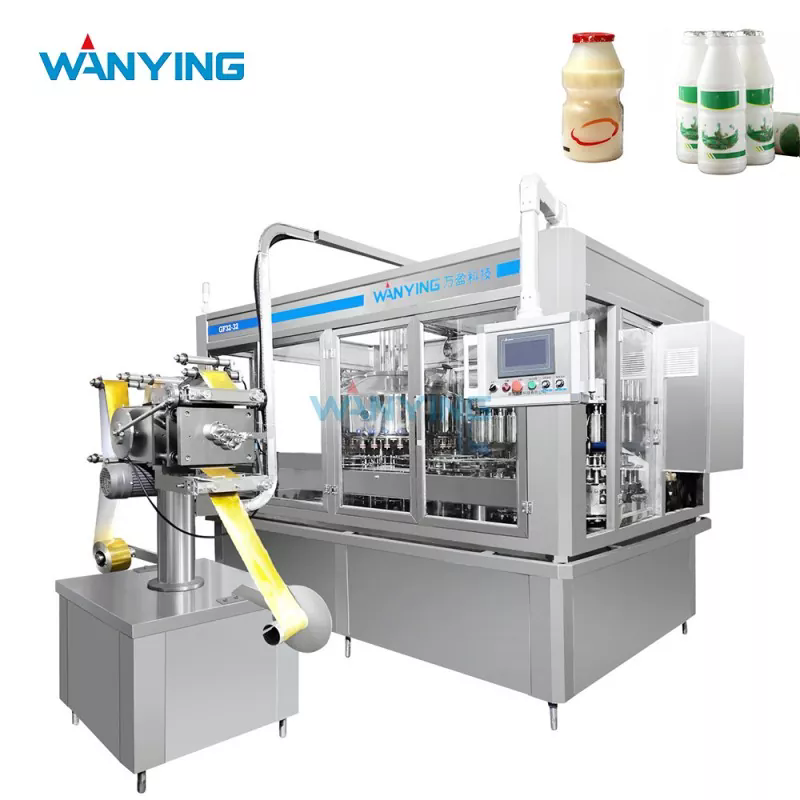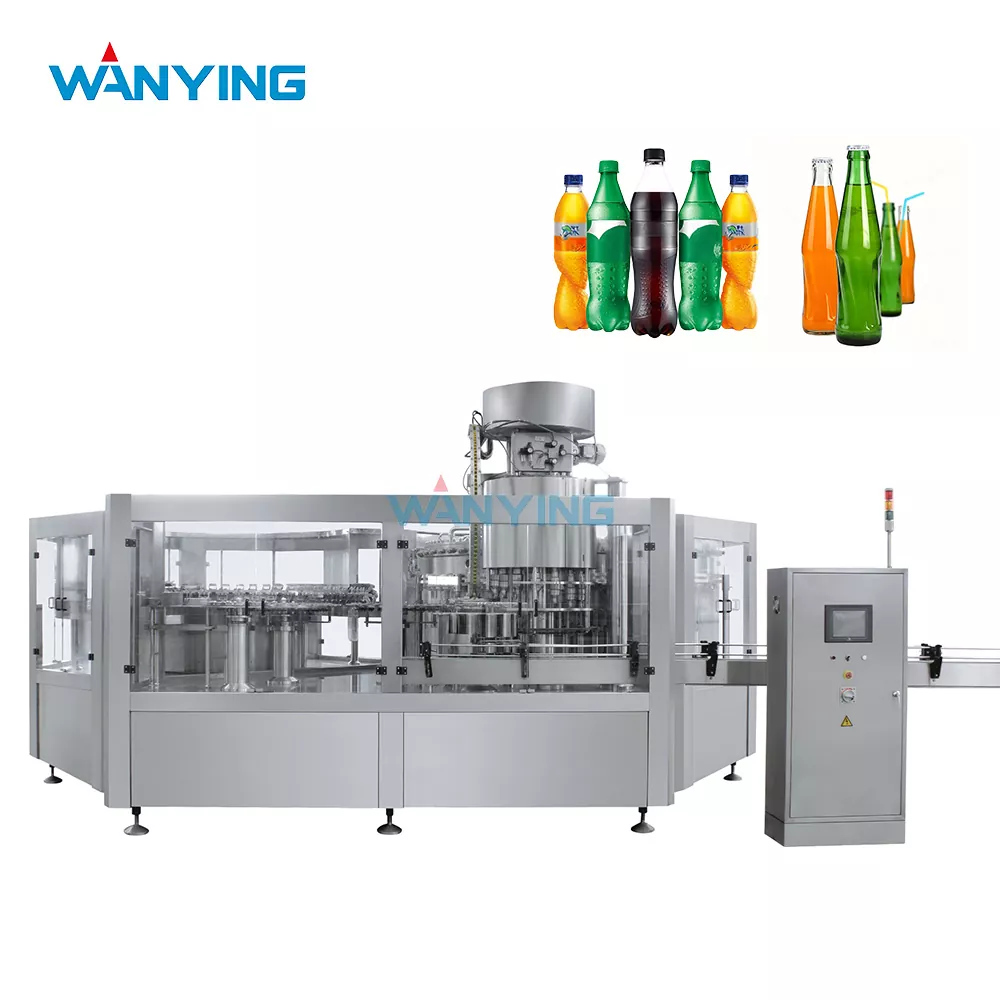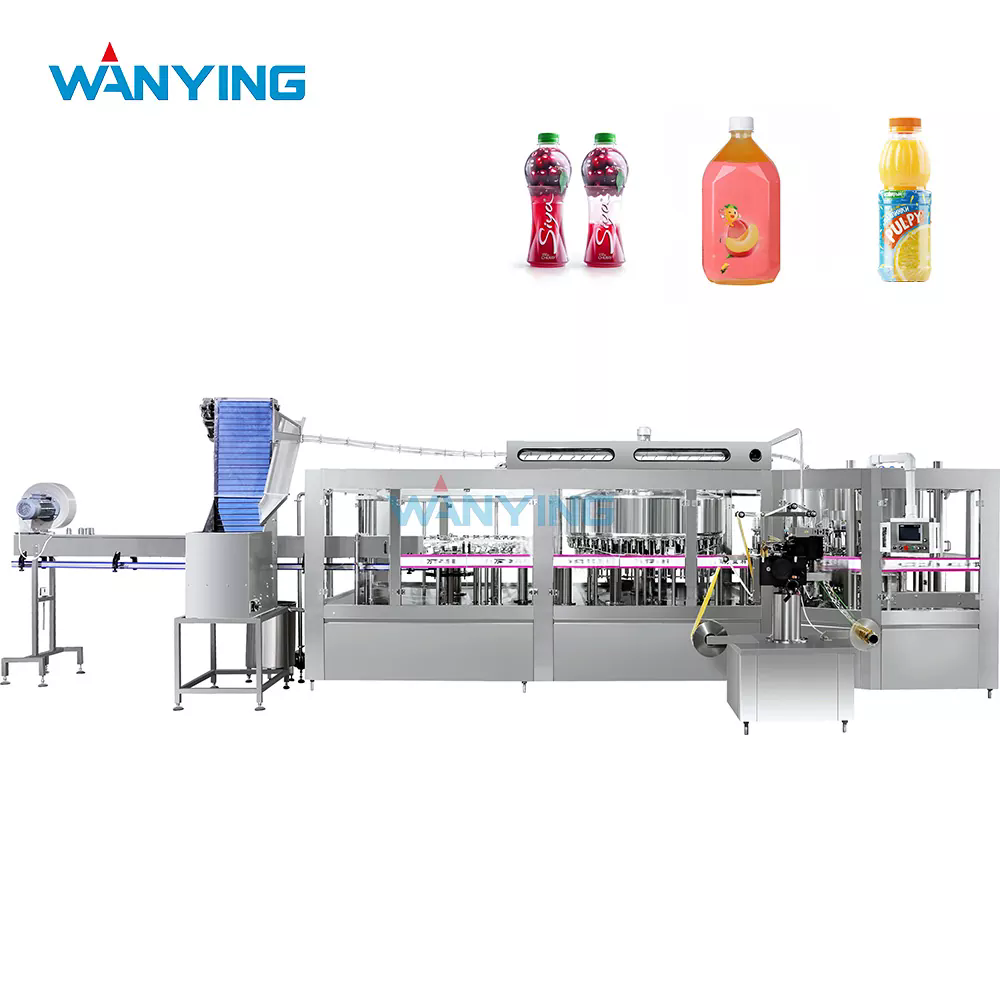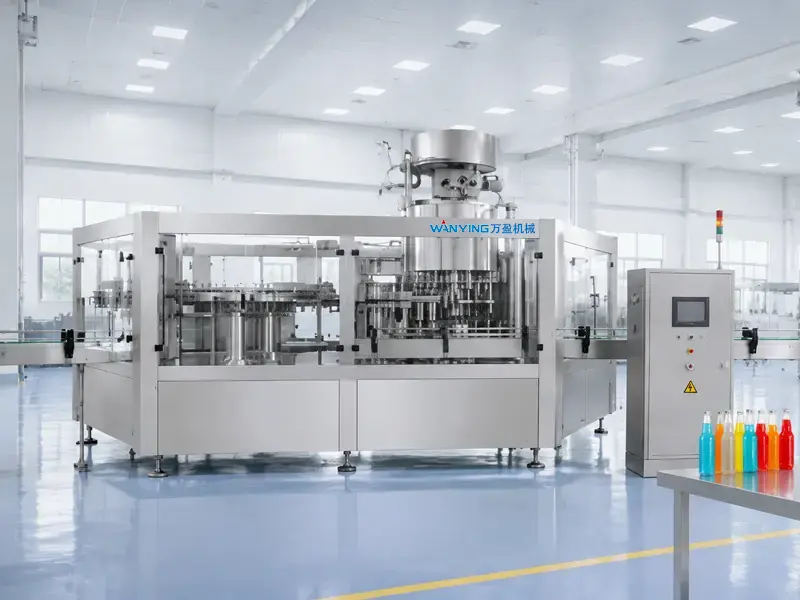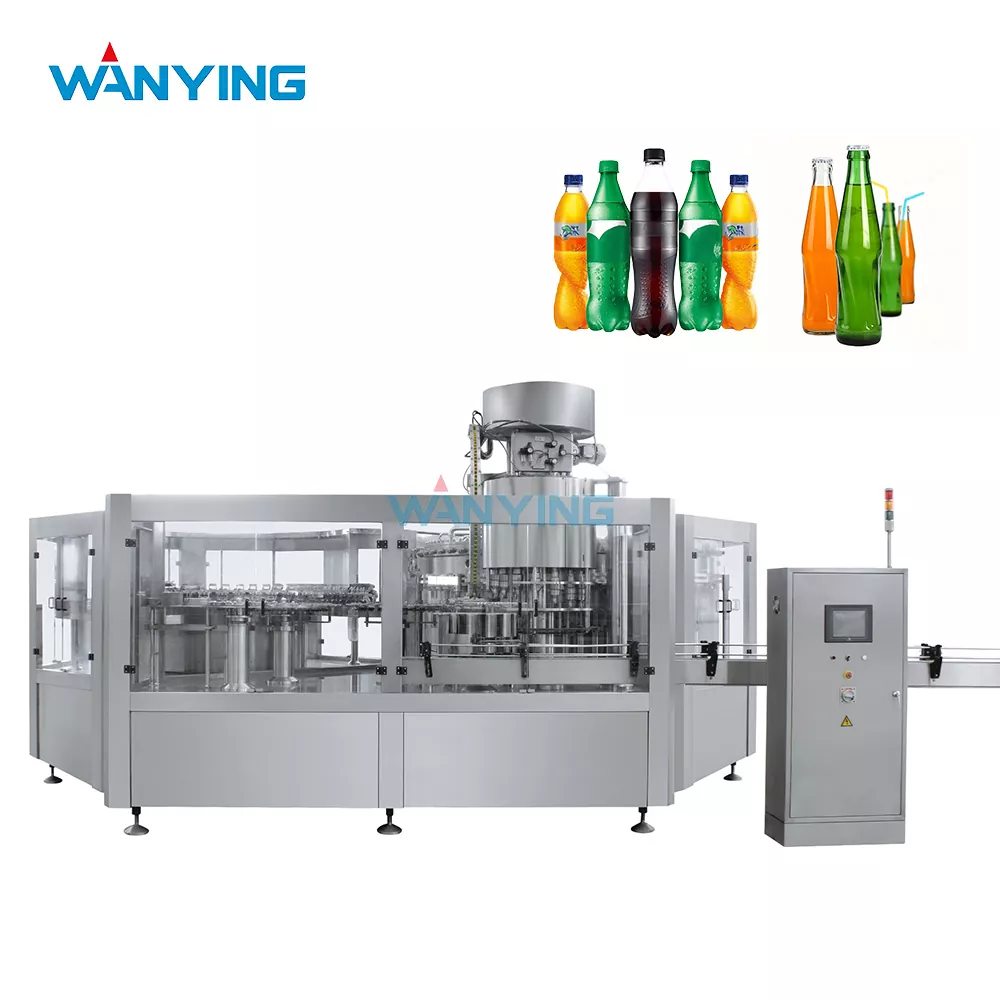
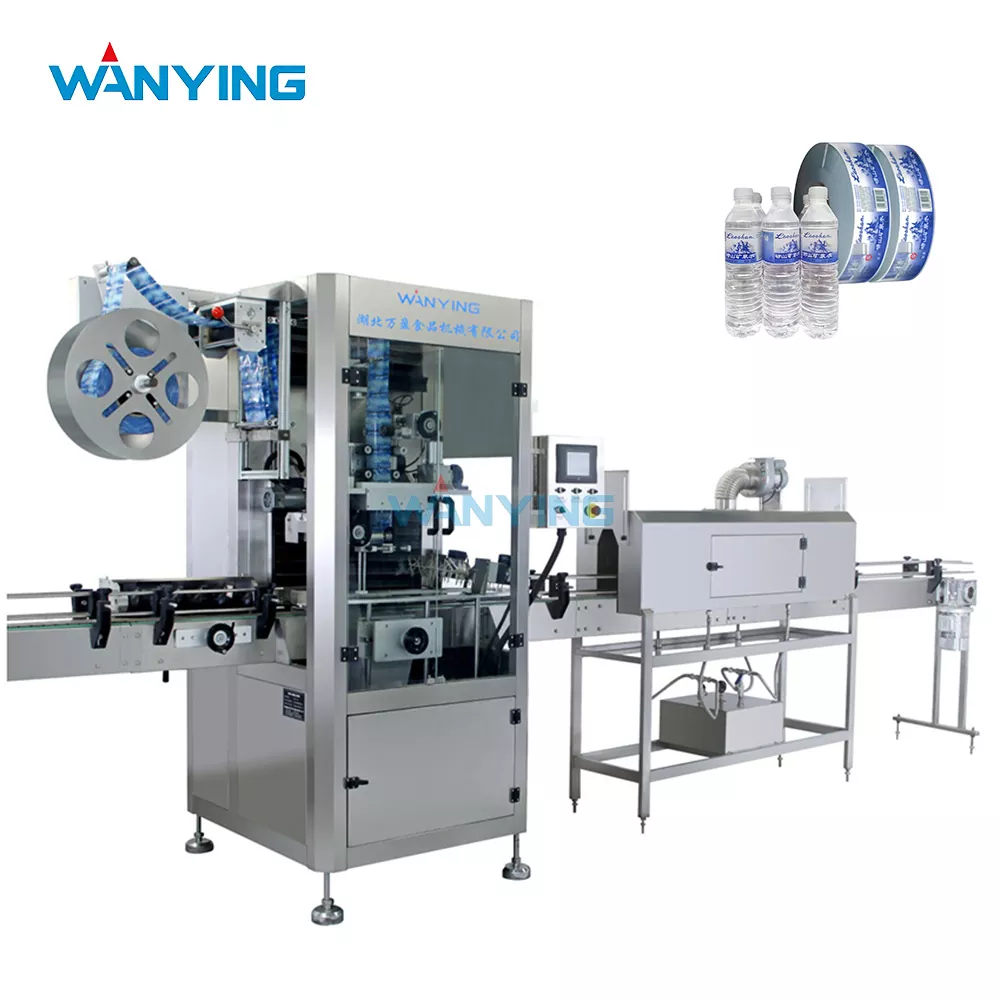
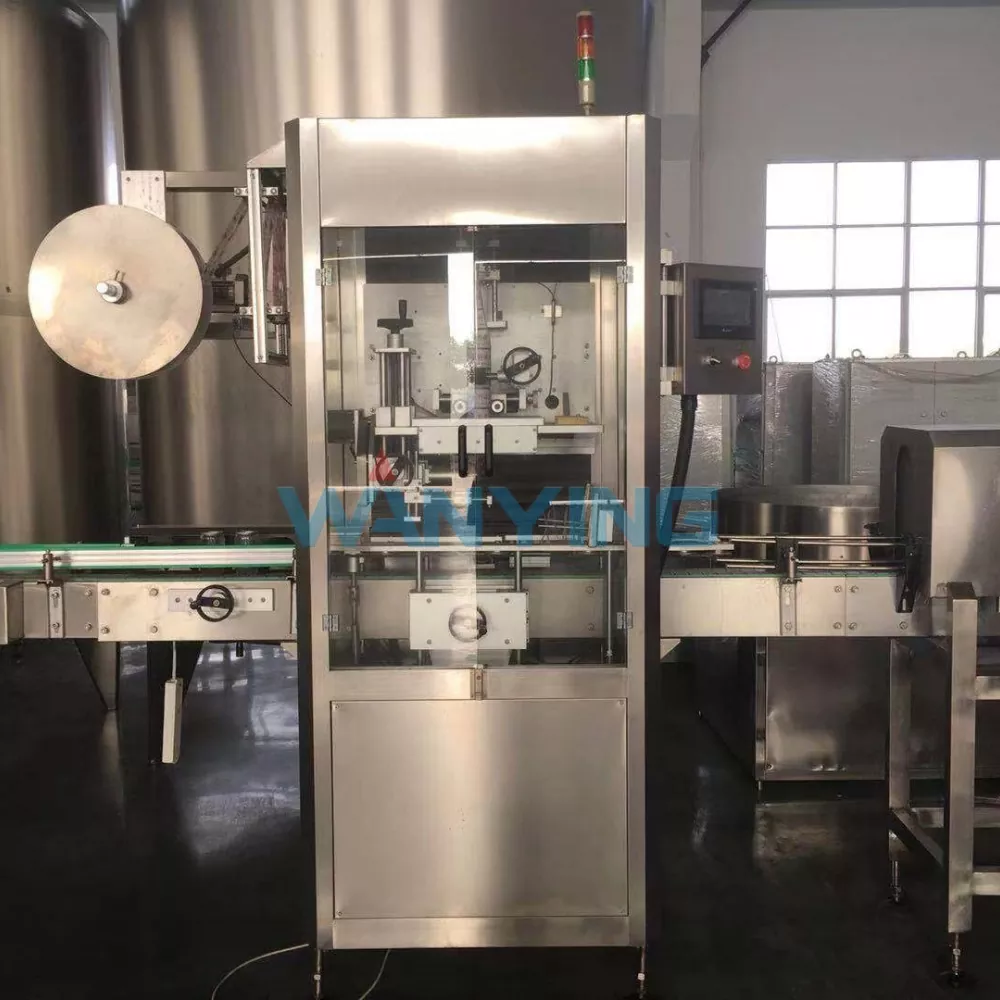
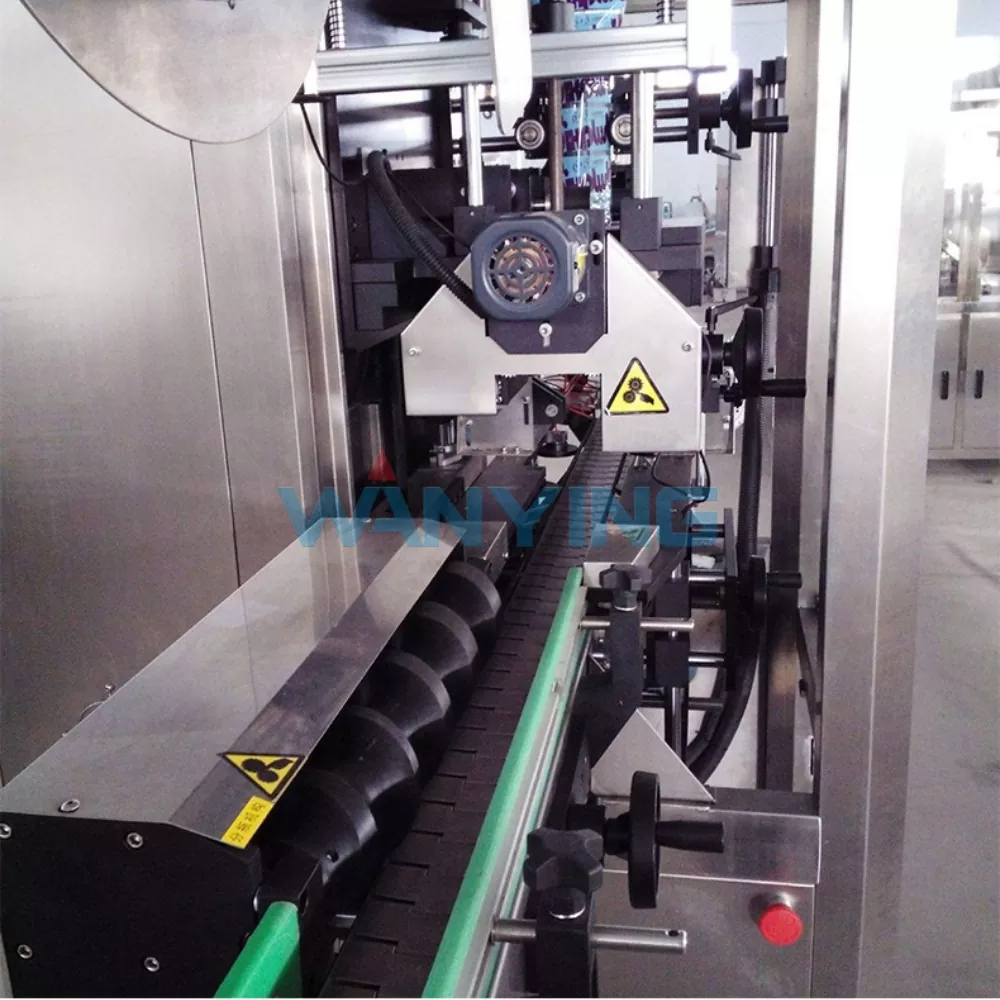
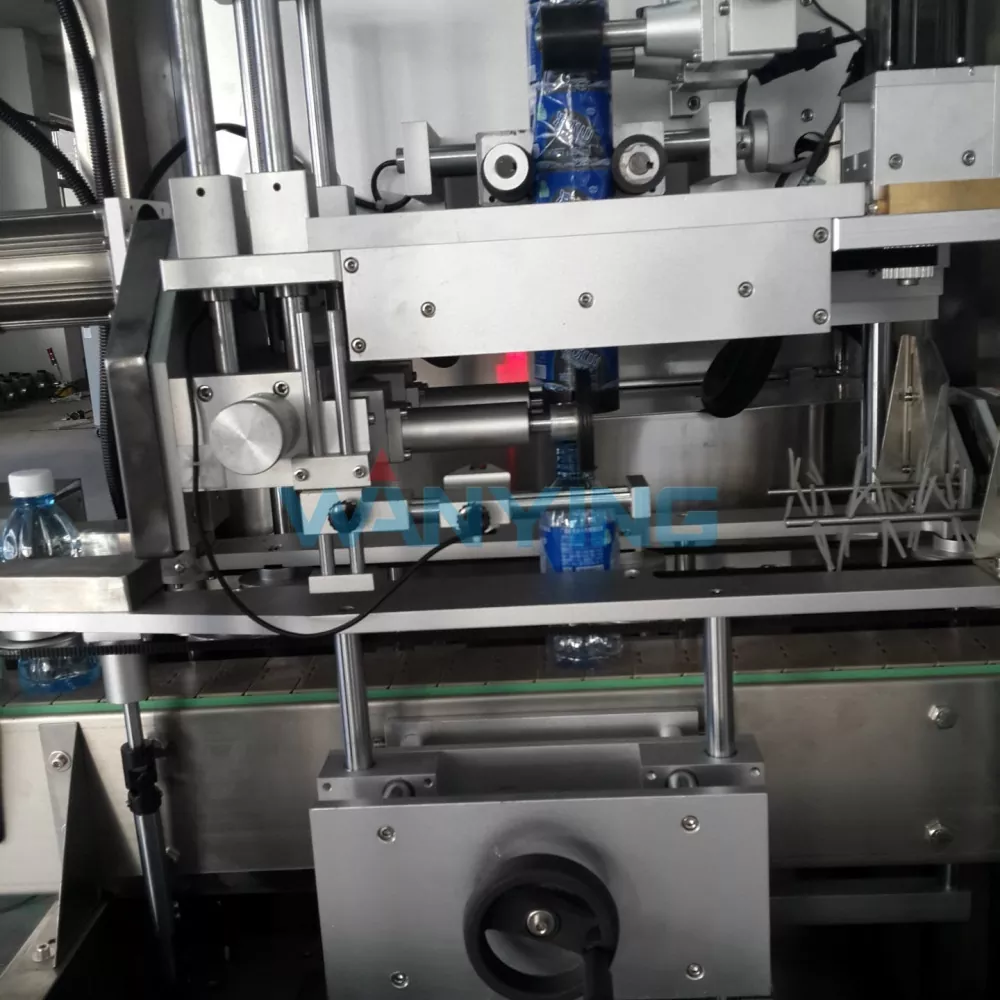
Our machine integrates precision film-cutting, mandrel-driven sleeve application, and heat-shrink tunnels to deliver wrinkle-free, precisely positioned labels at speeds up to 25,000 containers per hour, depending on label size and container shape. Designed for the demanding environments of beverage, dairy, condiment, and fermented food production lines, the Wanying sleeve labeling machine features servo-driven film feed, automatic splice detection, and a user-friendly touchscreen interface that stores up to 100 label recipes for rapid changeovers. Engineered with energy-efficient shrink tunnel designs—featuring hot-air circulation and adjustable airflow patterns—our system ensures consistent shrinkage across different film types and thicknesses, eliminating the common industry frustrations of "dog ears," wrinkles, or incomplete shrink around complex container geometries.
A sleeve labeling machine applies pre-cut or continuously fed heat-shrinkable film around containers. The film, typically supplied in roll form, is cut to length (matching the container circumference plus overlap), opened by a mandrel system, slipped over the container, and then passed through a heat tunnel where hot air causes the film to shrink tightly to the container's shape. The result is a full-body, 360° label that covers from neck to base, providing maximum branding real estate and, when extended over the closure, tamper-evident protection.The Wanying system operates in two primary modes:
· Roll-fed continuous operation – film is drawn from the roll, cut and sealed to form sleeves on the fly, ideal for high-speed lines requiring seamless label application.
· Pre-cut sleeve operation – pre-formed sleeves are loaded into a magazine and fed individually, suited for smaller production runs or irregular container shapes that require manual sleeve quality inspection.
Both modes share the same robust application and shrink tunnel architecture, ensuring consistency regardless of the sleeve format.
|
Feature |
Benefit |
|
Shape-adaptive sleeve application |
Applies labels to round, oval, square, rectangular, or uniquely curved containers without repositioning |
|
Tamper-evident integration |
Covers closure and bottle neck in one continuous sleeve for product security |
|
Full-body and partial labeling |
Customizable sleeve length from 30 mm to 350 mm for container coverage from neck to base |
|
100-recipe memory |
Stores label length, film type, shrink temperature, and conveyor speed for rapid changeover |
|
Automatic film splicing |
Optional zero-splice system allows roll changes without stopping production |
|
Energy-efficient shrink tunnel |
Recirculating hot air with independent top/bottom airflow control, reducing power consumption by up to 25% |
|
Material versatility |
Process PETG, PVC, OPS, and PLA films with minimal configuration changes |
|
Integrated quality check |
Optional label presence and position inspection via photoelectric sensors before the shrink tunnel |
|
Parameter |
Specification |
|
Label material |
PVC, PETG, OPS, PLA (film thickness: 30–75 µm) |
|
Container diameter range |
30–150 mm |
|
Label height range |
30–350 mm |
|
Label cut length tolerance |
±0.5 mm |
|
Application speed |
Up to 25,000 containers/hour (speed depends on label height and container stability) |
|
Conveyor width |
600–1,200 mm (adjustable guide rails) |
|
Heating system |
Hot-air circulation, electric or steam-heated |
|
Shrink tunnel temperature range |
100–220°C (adjustable per zone) |
|
Power supply |
380V / 50Hz, 3-phase |
|
Air consumption |
0.6 MPa, ~50 NL/min (for film handling and cutting) |
|
Machine dimensions |
4,500 × 2,500 × 2,800 mm (including shrink tunnel) |
|
Control system |
Siemens PLC with 7" HMI touchscreen, Ethernet/IP connectivity |
Sleeve labeling, despite its decorative advantages, has historically been plagued by operational frustrations. Over our years of installing machines across food and beverage plants, we have systematically engineered solutions to each of these pain points.
When film is drawn from the roll, static electricity, tension fluctuations, and guide roller misalignment can cause sleeves to twist before they reach the container. Our solution: a precision dancer-arm tension control system that maintains film tension within ±3 g, combined with anti-static ionizing bars at three points along the film path. The result is that sleeves are applied perfectly square to the container base, eliminating angled labels that look unprofessional.
Different film materials have distinct shrink ratios: PETG shrinks primarily in the circumferential direction, while PVC shrinks both circumferentially and longitudinally. Our shrink tunnel features segmented hot-air zones (typically 3–5 zones) with independent temperature and airflow controls. We also include adjustable air nozzles that can be angled to match the container's shape. For example, square bottles need concentrated air on the corners to shrink properly; our nozzle array can be reconfigured in minutes to direct airflow accordingly.
When shrink film reaches a corner, it can over-shrink and form sharp points. Our solution: a post-shrink smoothing station that uses mild pressure rollers to flatten any emerging corners before the film cools, producing a neatly trimmed appearance.
Changing label dimensions or container formats often involved manual mechanical adjustments. Our servo-driven cutters and quick-release guide rail clamps allow changeovers to be completed in 8–12 minutes, with the recipe system automatically resetting the cut length, conveyor speed, and tunnel temperatures.
Not all shrink films are equal. Wanying provides detailed guidance on film selection based on your product and operational conditions:
|
Film Type |
Best For |
Advantages |
Limitations |
|
PETG |
High-end products, clear labels, food contact |
Excellent optical clarity, high gloss, printable, recyclable |
Higher cost, requires precise temperature control |
|
PVC |
Cost-sensitive applications, standard beverage labels |
Low cost, high shrink ratio, widely available |
Not fully recyclable; limited heat resistance |
|
OPS |
Environmentally conscious brands |
Oriented polystyrene, recyclable, excellent print surface |
More brittle; requires careful handling |
|
PLA |
Compostable / sustainable packaging |
Biodegradable, derived from renewable resources |
Narrow shrink window; requires dedicated tunnel settings |
We recommend using PETG or OPS for food-contact labels (e.g., drinking yogurt, soy sauce bottles) and PVC for non-food contact or where cost is the primary driver. PLA is emerging as a popular choice for brands targeting zero-waste goals; we have validated PLA processing settings on our machines and can share these with clients.
The mandrel assembly is the defining component of a sleeve labeling machine. Our design uses:
· Hard-chrome-plated stainless steel – reduces friction and wear, ensuring smooth film opening
· Adjustable mandrel diameter – accommodates different container sizes by swapping mandrel heads in under 5 minutes
· Air-assisted film opening – a gentle puff of air expands the film after cutting, allowing it to slide over the container without catching or tearing
We also include a film guide detection system that monitors film tracking and alerts operators immediately if the film drifts off-center, preventing mis-cuts and wasted sleeves.
The shrink tunnel is often the bottleneck in sleeve labeling quality. Our tunnel design features:Airflow engineering:
· Hot air is recirculated through two independent loops (upper and lower) with adjustable nozzle velocity
· Air velocity can be independently set from 2–15 m/s, allowing fine-tuning for lightweight vs. heavy containers
· For tall containers, we add side nozzles to ensure uniform neck-to-base shrink
Heating efficiency:
· Insulated tunnel walls (100 mm ceramic wool) to reduce external heat loss
· Counter-flow air recirculation that pre-heats incoming air, saving energy
· Quick-cooldown feature – when production stops, the tunnel can be shut down and cooled to 50°C in under 15 minutes for maintenance access
Temperature control:
· Each zone has its own PID controller, maintaining ±1.5°C of setpoint
· Digital display of all zone temperatures on the HMI, with historical logs for quality audits
· Synchronizes with bottle unscramblers, filling machines, and capping equipment via speed-matching conveyor controls
· Accepts containers from any conveyor orientation (single file, mass flow, or starwheel)
· Optional container spacing mechanism ensures consistent gap between containers for precise sleeve application
· Discharges labeled containers directly to inspection stations, inkjet printers, or case packers
· Cooling conveyor after shrink tunnel allows containers to return to ambient temperature before handling
· Optional label inspection camera detects missing, misaligned, or wrinkled labels and triggers a rejection mechanism
· Production reporting includes total containers labeled, film consumption (m²), rejection count, and line efficiency
· Data export via CSV, with optional OPC-UA connectivity for integration with plant-wide SCADA systems
· Recipe change logs track who made changes and when, supporting GMP and audit requirements
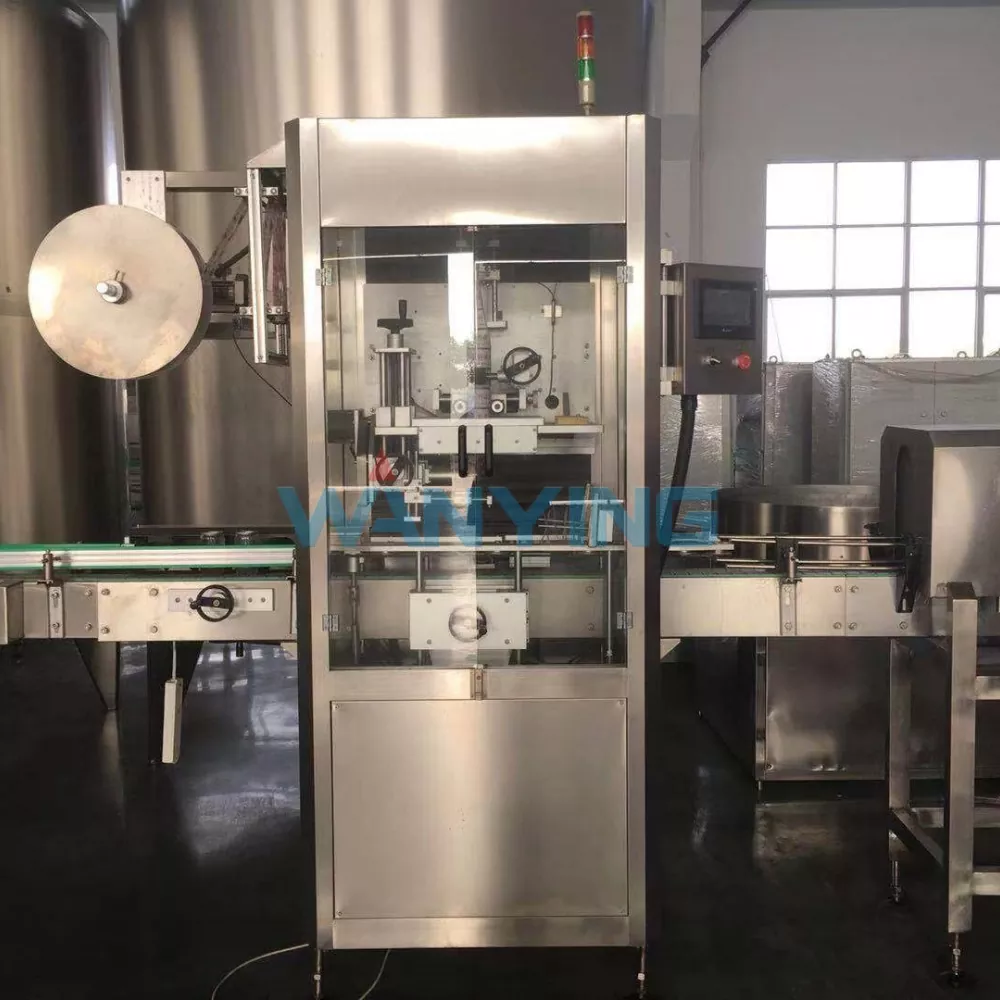
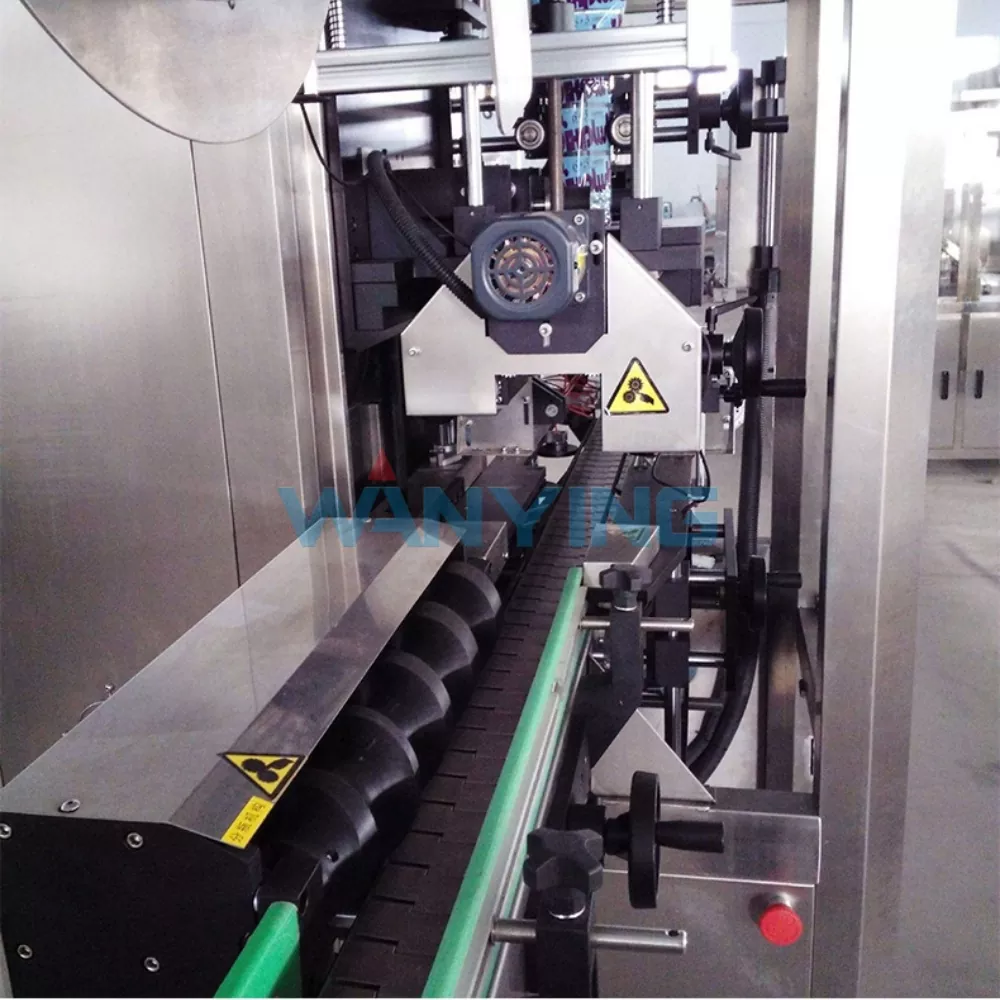
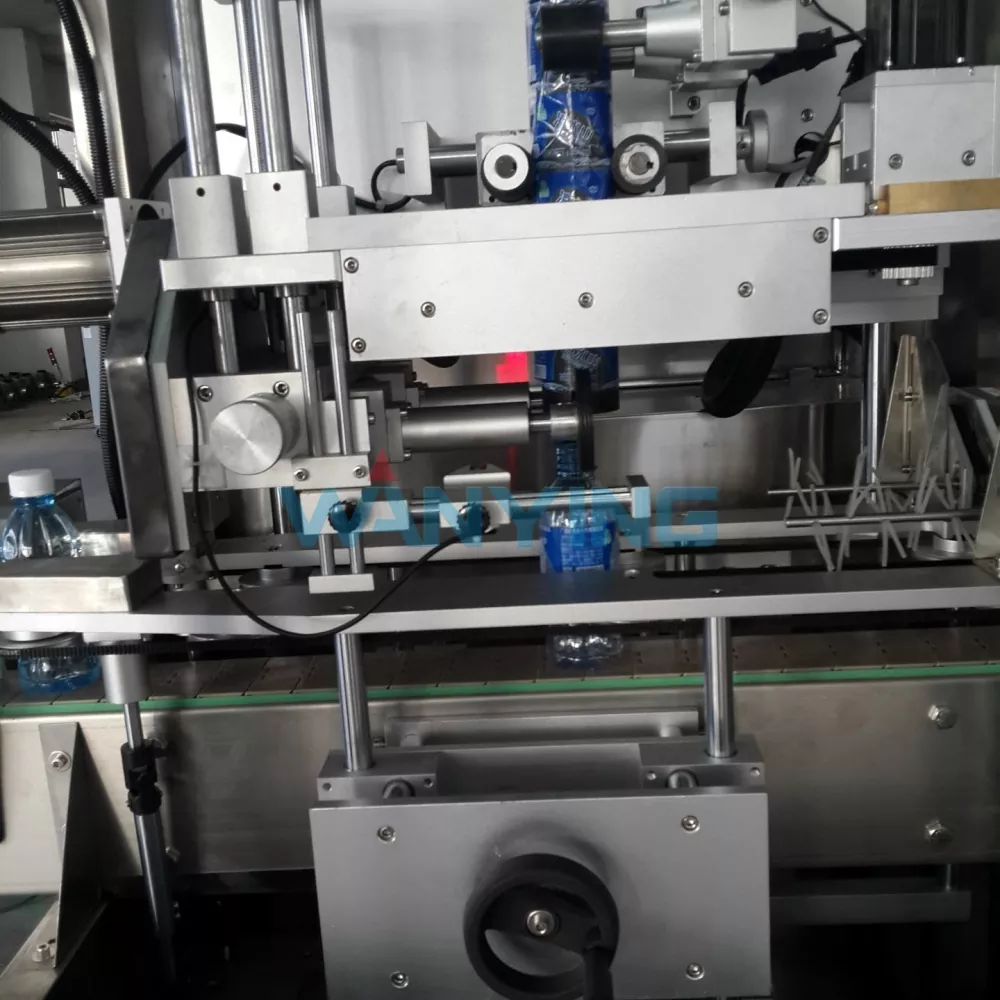
A producer of cold-pressed fruit juices in uniquely shaped glass bottles (rounded shoulders and a tapered base) needed a sleeve labeling system that could apply full-body labels consistently without wrinkles. The bottle's non-cylindrical shape had caused previous labeling attempts to fail—pressure-sensitive labels did not conform, and roll-fed labels could not handle the curvature.Wanying Solution:
· 6-station roll-fed sleeve labeling machine with contour-specific shrink tunnel
· Mandrel designed specifically to match the bottle's maximum diameter; film cut length optimized for the 360° circumference
· Shrink tunnel configured with higher nozzle velocity on the sides (where the bottle is wider) and lower velocity on the neck area (to avoid label distortion around the closure)
Outcomes (10-month tracking):
· Label application success rate: 99.7% (rejections due to film defects only; no application-related rejects)
· Shrink quality: wrinkle-free labels on 100% of randomly sampled units
· Line speed: 18,000 bottles/hour (versus the manual sleeve application they had used previously at 2,500 bottles/hour)
· Consumer feedback: the brand reported a 22% increase in shelf attention (measured by in-store eye-tracking studies) attributed to the full-body coverage
· ROI achieved in 8 months, driven by labor savings and premium pricing enabled by the high-quality labeling
This producer packs drinking yogurt in 200 mL square PET bottles, with a bottle shape that includes a wide base and a narrow neck. They required tamper-evident sleeves that cover the bottle cap and neck in one piece, plus allow a transparent window for the batch code. Prior experience with an entry-level sleeve labeller led to frequent "dog ears" on the bottle corners and inconsistent tamper-band breakage.Wanying Solution:
· Roll-fed sleeve labeller with post-shrink smoothing rollers to eliminate corner points
· The shrink tunnel was modified with corner-specific air nozzles directing concentrated airflow to the four corners, ensuring even shrink
· Label presence sensor before and after shrink tunnel to verify tamper-band integrity
Measurable improvements:
· "Dog ear" complaints from the quality team reduced from 8.5% to 0.2% of production
· Tamper band breakage consistency: tested across 500 random samples per week, all broke cleanly at the perforation line
· Line speed increased from 10,000 to 22,000 units/hour after the labeller was integrated with their existing filler
· The producer won a local food industry packaging award for their "clean, professional look" — their first such recognition
· Annual cost saving: ¥260,000 from reduced film waste and fewer rejected batches
This client bottles soy sauce, oyster sauce, and vinegar in a range of bottle sizes (250 mL, 500 mL, and 1 L) with different shapes—round for soy sauce, square for oyster sauce, and oval for vinegar. They had been outsourcing sleeve labeling to a contract packager due to lack of in-house capability, but this added transportation costs and limited their ability to run smaller promotional batches.Wanying Solution:
· Roll-fed sleeve labeller with quick-change mandrel and guide rail system
· Recipe storage for all three bottle shapes and sizes, each with specific cut length, conveyor speed, and tunnel temperature profiles
· Optional pre-cut sleeve magazine installed for their promotional batches (where sleeves were pre-printed in small quantities)
Results after one year:
· In-house labeling eliminated ¥120,000/year in contract packaging fees
· Promotional batch lead time reduced from 3 weeks to 2 days (from label printing to finished goods)
· Changeover time between the three bottle types: average 10 minutes (down from 45 minutes on their previous trial machine)
· Label waste reduced from 4.2% to 1.8% due to automatic splice detection
· The manufacturer now has the flexibility to run test market releases of new products (1,000–2,000 bottles) without the high setup costs of an external packager
Fermented bean curd is sold in ceramic-style glass jars with an irregular surface texture. The traditional paper labels they had used for decades were peeling off due to moisture from the brine, creating a poor retail presentation. Sleeve labeling had been considered but previous attempts failed—the film would not shrink evenly over the textured surface, leaving air pockets and a wrinkled appearance.Wanying Solution:
· The heat tunnel was equipped with extended dwell time (slower conveyor speed) to allow the film to "creep" into the textured surface
· Used a thinner PETG film (38 µm) with a higher shrink ratio, which conforms more closely to uneven surfaces
· Added a secondary polishing station (soft brush rolls) after the shrink tunnel to press the film into the texture and eliminate air pockets
Outcomes:
· Label adherence: continuous shrink-wrapped coverage over the entire jar surface, no peeling or bubbling after 6 months of shelf testing
· The new sleeve labels allowed full-color printing (versus the simple 2-color paper labels), enabling the brand to showcase their heritage design with modern appeal
· The producer increased their retail price by 8% (without reducing sales volume) due to the premium appearance, directly attributing the pricing power to the packaging upgrade
· Customer complaints about label quality dropped from an average of 12 per month to 0 in the last 5 months
· The success has prompted the producer to consider sleeving for their other product lines (fermented chili paste and pickled vegetables)
|
Task |
Frequency |
Estimated Time |
|
Clean film path rollers and guide bars |
Daily shift start |
10 min |
|
Inspect and clean shrink tunnel air nozzles |
Weekly |
30 min |
|
Check mandrel surface for scratches or film residue |
Weekly |
10 min |
|
Lubricate conveyor chain and guide rails |
Weekly |
15 min |
|
Calibrate cut knife registration (if film creep observed) |
Monthly |
20 min |
|
Replace heat elements (tunnel) |
Every 6,000 hours |
1 hour |
|
Complete system inspection (belts, sensors, bearings) |
Annually |
3 hours |
As a supplier that values uptime, Wanying maintains:
· A regional spare parts inventory for all standard components (cutting knives, heater bands, sensor modules, conveyor belts)
· Consignment stocking for key clients (we keep critical parts at your site, invoiced only when used)
· 24-hour emergency dispatch for parts that cannot be sourced locally
A: Our machine is designed for maximum container geometry versatility. It handles:
· Round containers – standard performance, fastest speeds
· Square and rectangular – require slightly different air distribution in the shrink tunnel, which we provide by adjusting nozzle angles and flow rates (preset in the recipe)
· Oval and tapered – handled with mandrel-specific film opening settings and longer tunnel dwell times
· Very small containers (30 mm diameter, e.g., sample bottles) – we fit a mini-mandrel and adjust the conveyor guides to maintain container stability
· Large containers (up to 150 mm diameter, 350 mm height) – our standard configuration
You do not need separate machines for different shapes. The same unit can run round bottles, square cartons, and oval jars with appropriate recipe settings and, in some cases, simple mandrel changes (for diameter shifts over 50 mm). For clients running dramatically different container sizes daily, we offer a dual-mandrel turret option that allows two mandrel sizes to be mounted; switching between them takes under 3 minutes.
A: Film waste in sleeve labeling comes from three sources: set-up waste (during changeover), splicing waste (when joining new rolls), and rejection waste (defective sleeves detected). Our typical client achieves overall film utilization of 94–97%.Set-up waste – when changing label dimensions or materials, the first 5–10 sleeves may be off-dimension as the system stabilizes. Our recipe memory minimizes this; with servo-driven cutters, stabilization takes only 2–3 sleeves, not 20–30 as with older pneumatic systems.Splicing waste – roll changes without an automatic splicer require stopping the machine and manually feeding the new film, losing 1–2 meters of film per roll change. Our optional zero-splice system (a festoon accumulator) allows new rolls to be joined while the machine continues running, eliminating this waste entirely.Rejection waste – our vision inspection rejects sleeves that are cut incorrectly or applied improperly. Since these would not be acceptable on the final product anyway, we recommend considering them as quality assurance cost, not waste.To minimize overall film consumption, we also suggest:
· Ordering film rolls with longer lengths (fewer splices per shift)
· Using thinner films (down to 30 µm) where product protection permits
· Regular cleaning of film rollers to prevent static-induced film tackiness, which can cause double picks
A: We understand that many products labeled with sleeving are sensitive to heat—yogurt cultures, cold-pressed juices, fermented products, and certain dairy items can degrade if exposed to elevated temperatures for extended periods. The Wanying shrink tunnel is designed with three strategies to minimize heat exposure to the product itself:
· Shortest possible tunnel length – we use high-velocity hot air (up to 15 m/s) to transfer heat rapidly to the film, allowing the tunnel to be shorter than conventional designs. Typical dwell time in our tunnel is 3–6 seconds, compared to 8–12 seconds in older systems.
· Localized heating – the hot air is directed primarily at the film surface, not the product. The container's body temperature typically rises by only 3–5°C during passage, even when the tunnel air is at 180°C.
· Active cooling – our optional post-tunnel cooling zone uses ambient air jets to drop the label surface temperature to below 40°C within 2 seconds of exiting, stopping any further heat transfer to the product.
For products with extreme temperature sensitivity (e.g., probiotic drinks that require cold-chain distribution), we recommend using PETG film, which shrinks at lower temperatures (90–120°C) and allows our tunnel to operate at reduced temperatures. We also offer an air-only cooling tunnel (without water or refrigeration) that uses ambient air at high velocity to cool both label and container before they reach your downstream equipment. No customer has reported product quality degradation due to our shrink tunnel in over 80 installations across temperature-sensitive categories.
|
Aspect |
Wanying's Differentiator |
|
Container versatility |
Round, square, oval, tapered, textured—our mandrel and tunnel adapt to the shape, not the other way around |
|
Energy efficiency |
Recirculating air system with independent zone control reduces energy costs by 20–25% |
|
Changeover efficiency |
Recipe-driven, servo-assisted, 8–12 minutes for most changes |
|
Film compatibility |
PETG, PVC, OPS, PLA—all run with validated settings, not "experimental" profiles |
|
Quality assurance |
Pre-shrink and post-shrink inspection options; rejection system for defects |
|
Service infrastructure |
A local service network across China and partner agents in Southeast Asia, with remote diagnostics capability |
|
Direct factory pricing |
As a manufacturer based in China, we provide quality equipment at prices that match the local market, not imported-equivalent markups |
The Wanying Sleeve Labeling Machine transforms the way food and beverage producers approach container decoration. By enabling full-body, 360° graphics with tamper-evident functionality, sleeving elevates your brand presence on crowded retail shelves. At the same time, our engineering focus on reliability, quick changeovers, and film versatility ensures that your labeling process becomes a cost-effective, low-friction component of your production line—not a bottleneck.We have seen clients achieve significant ROI through labor savings, reduced film waste, and the premium pricing that enhanced packaging commands. More than that, the ability to run promotional and test-market batches without external packaging dependency gives you the agility to respond to market trends faster than competitors who outsource their labeling.With decades of food and beverage line integration expertise, a commitment to energy-efficient design, and a global service mindset, Wanying delivers a sleeve labeling solution that is built for the long haul—and built for your specific needs.
Address
Xihenao Industrial Zone, Fenglin Town, Yangxin County, Huangshi City, Hubei Province, China
Tel