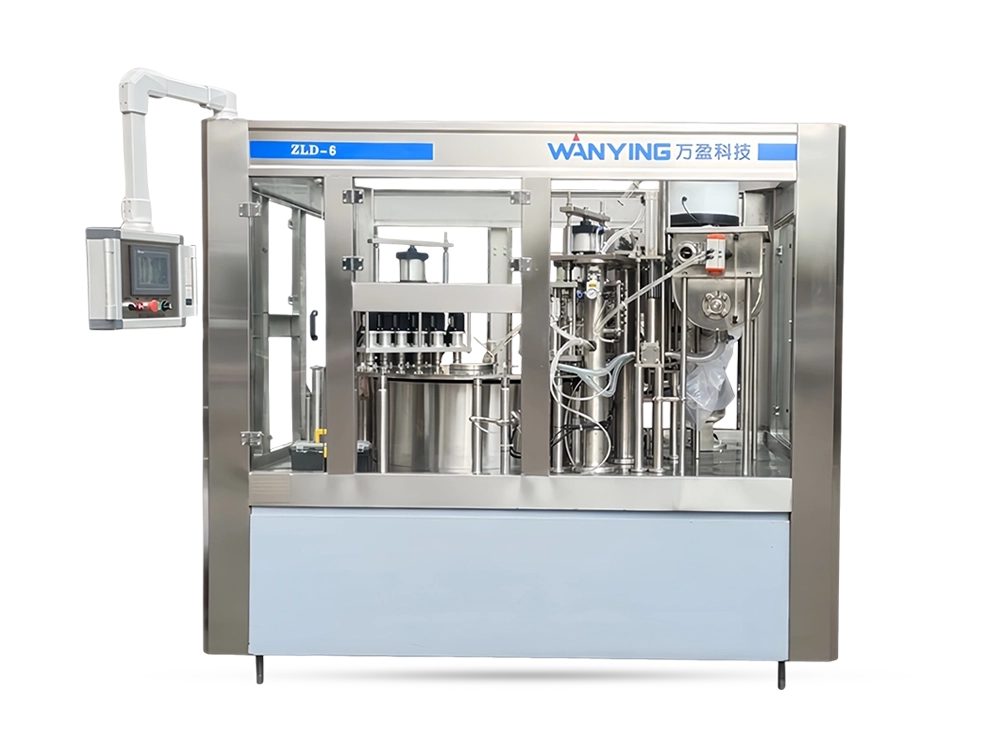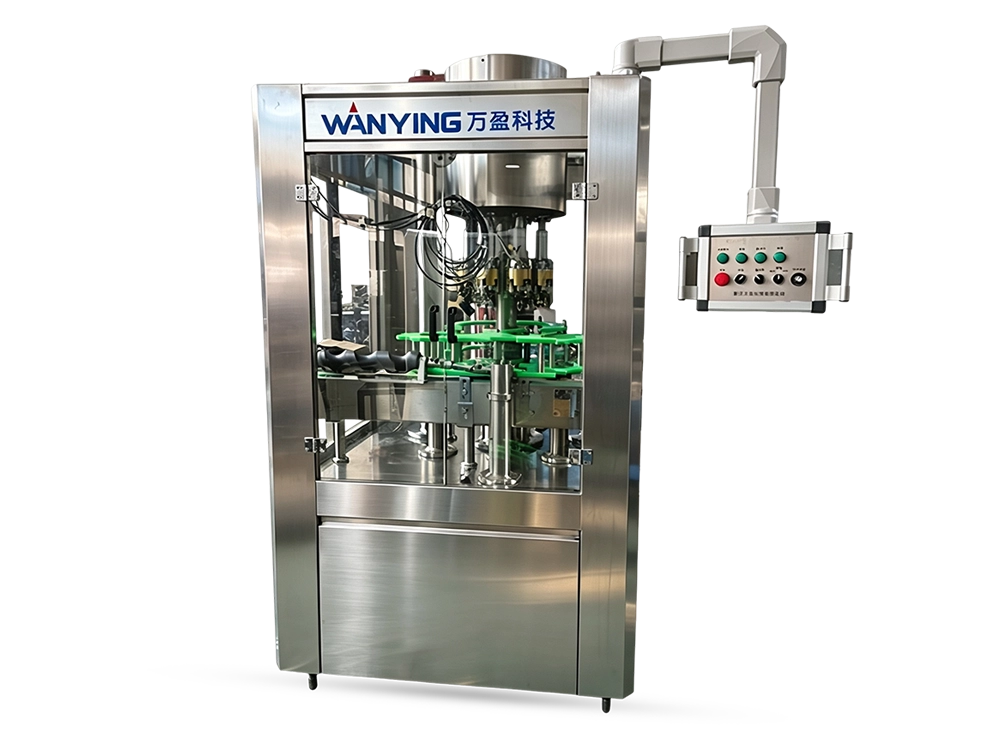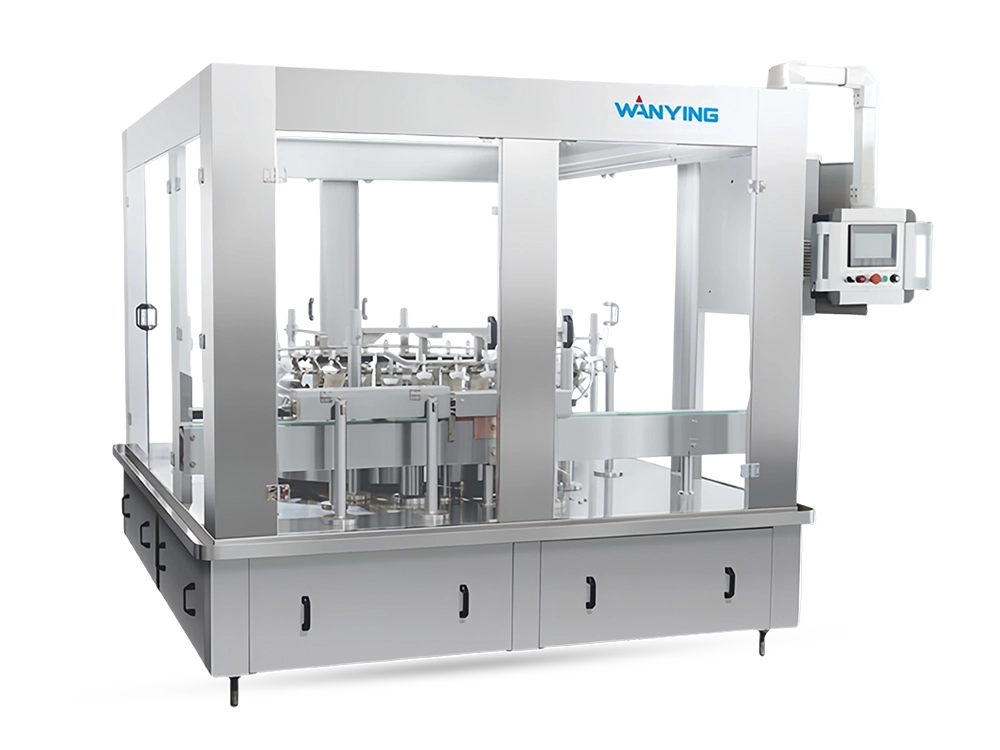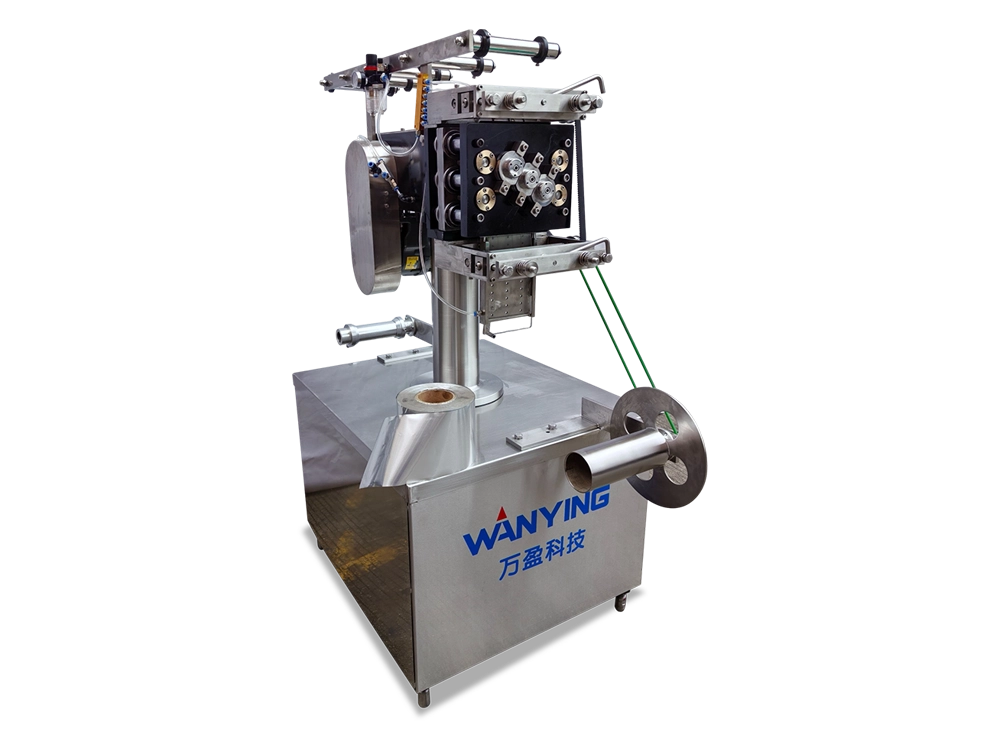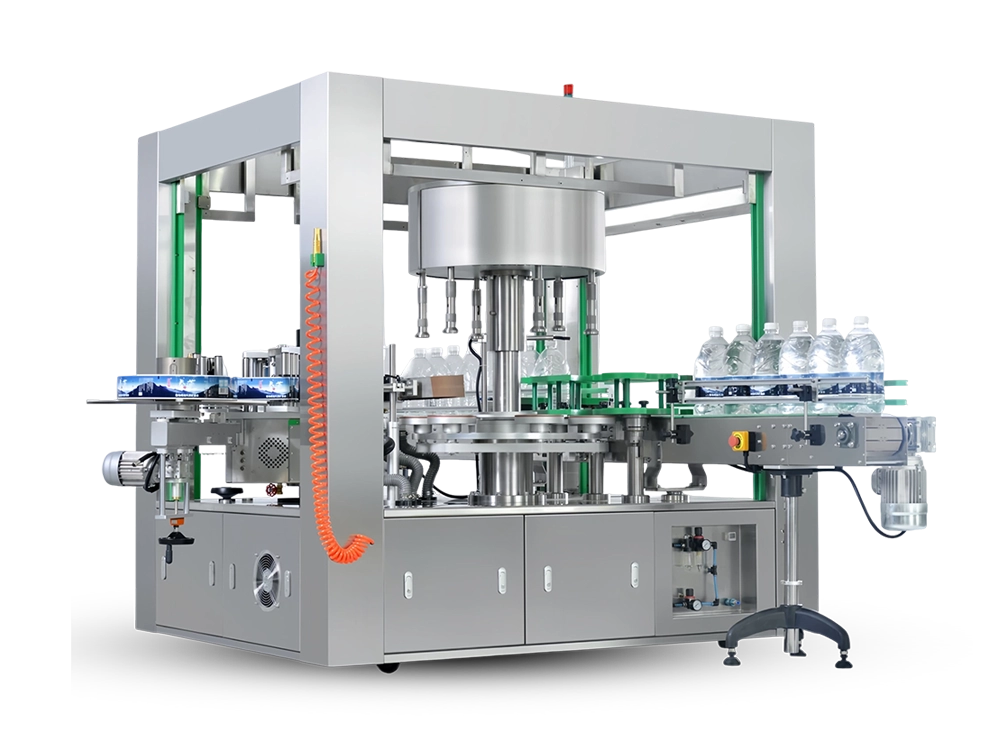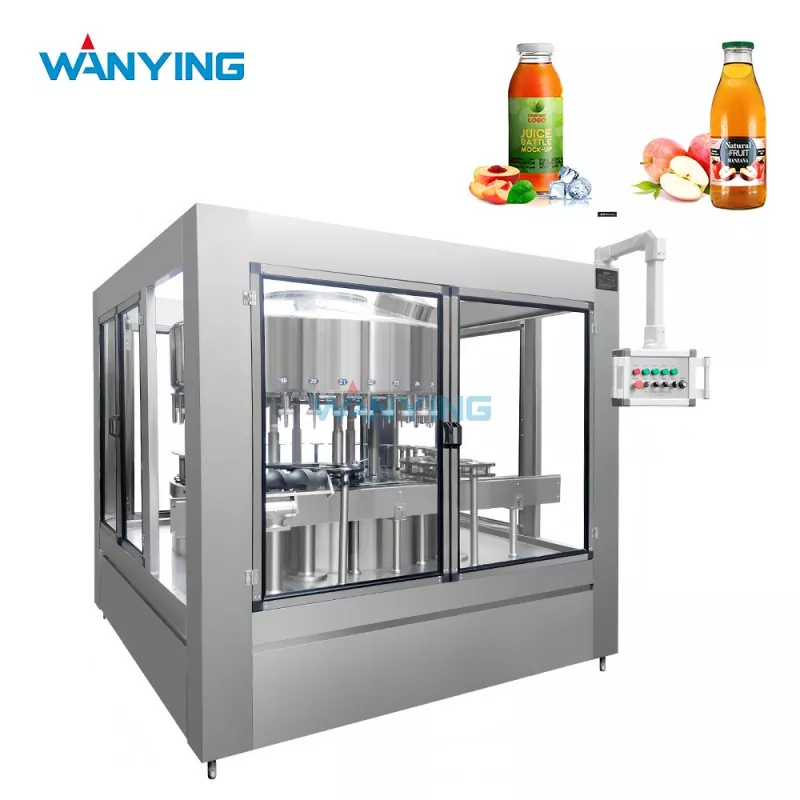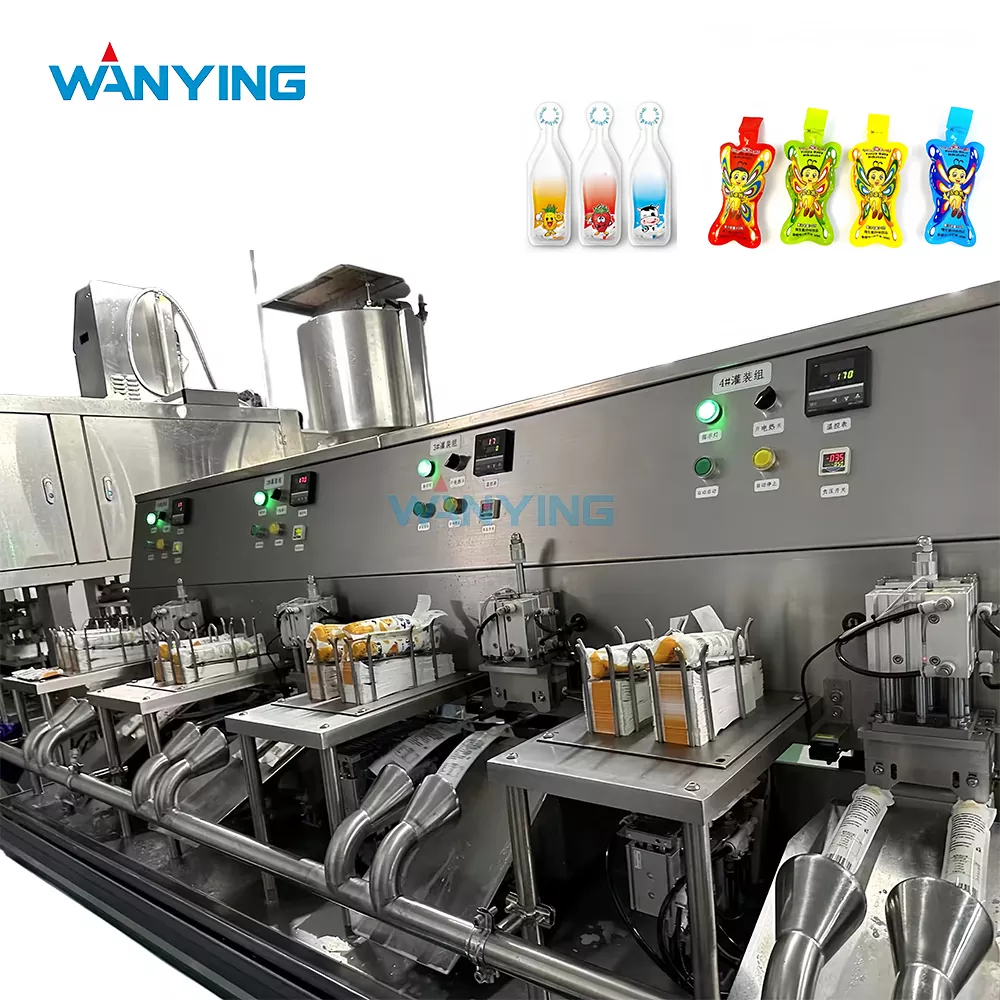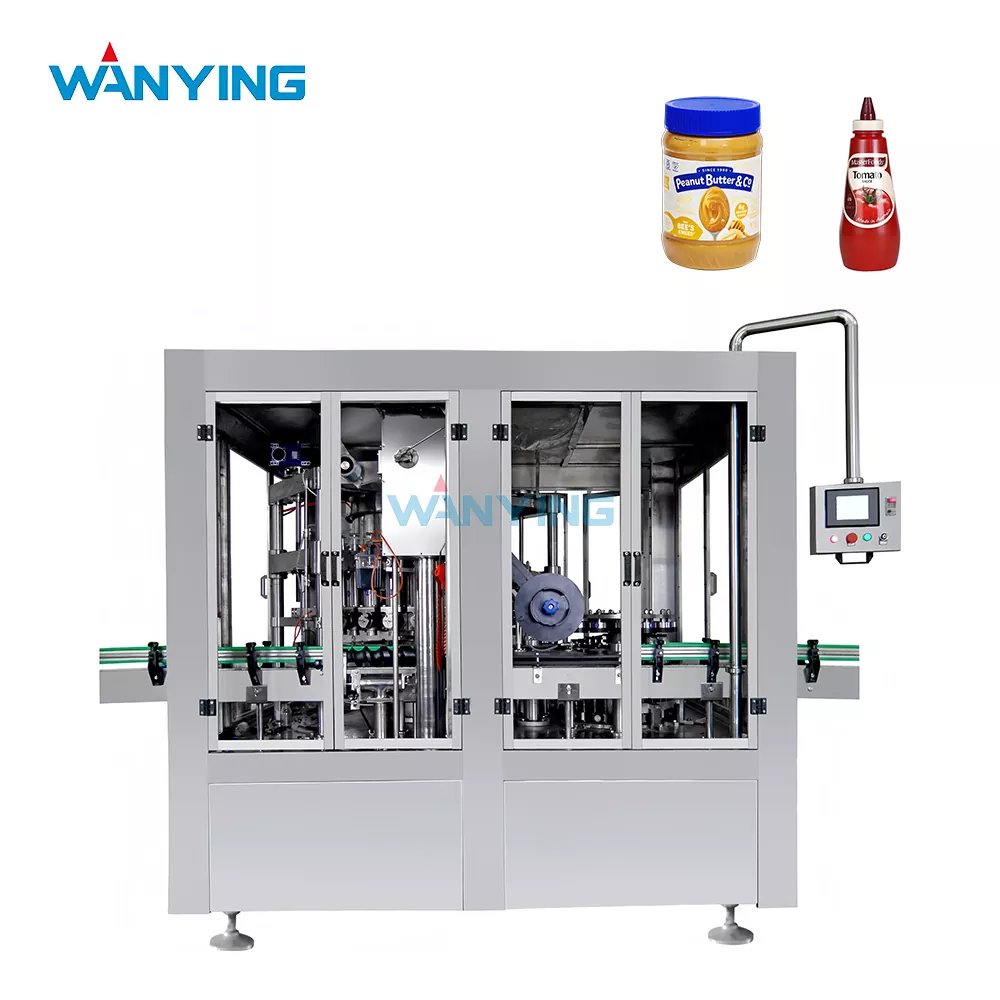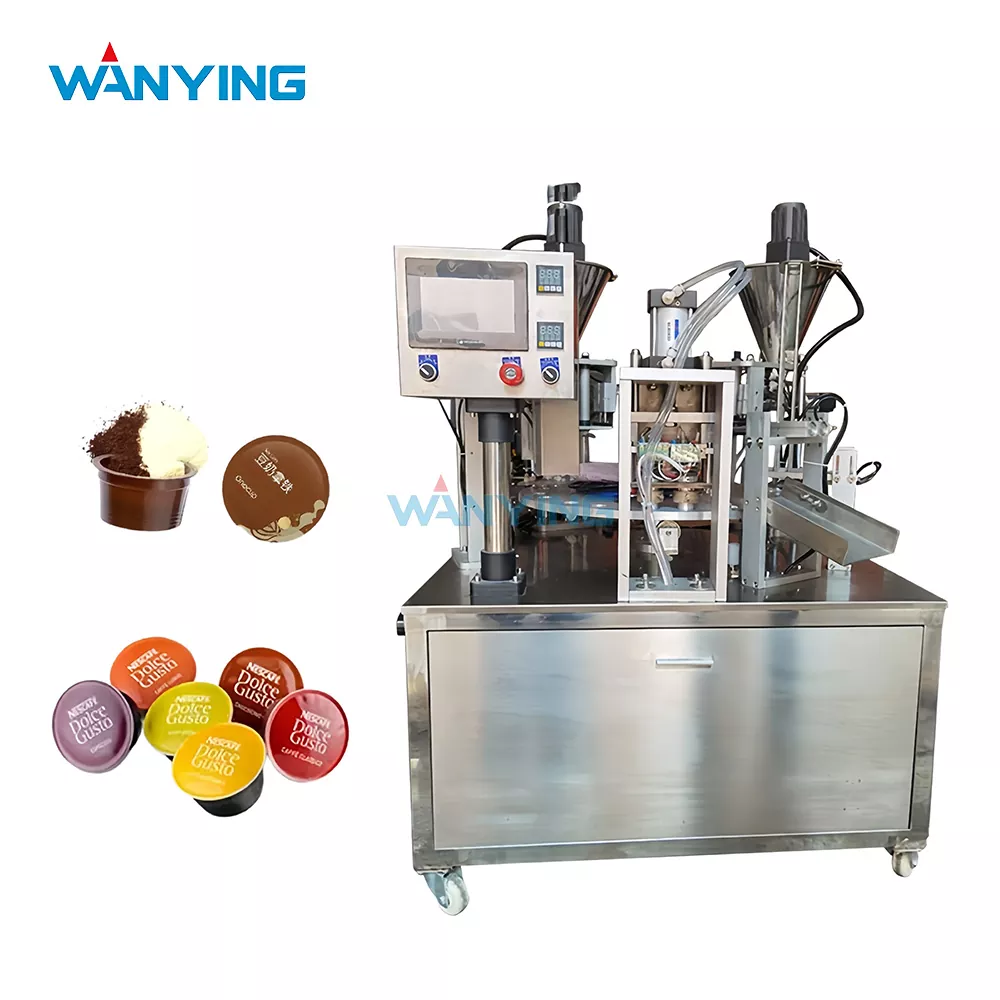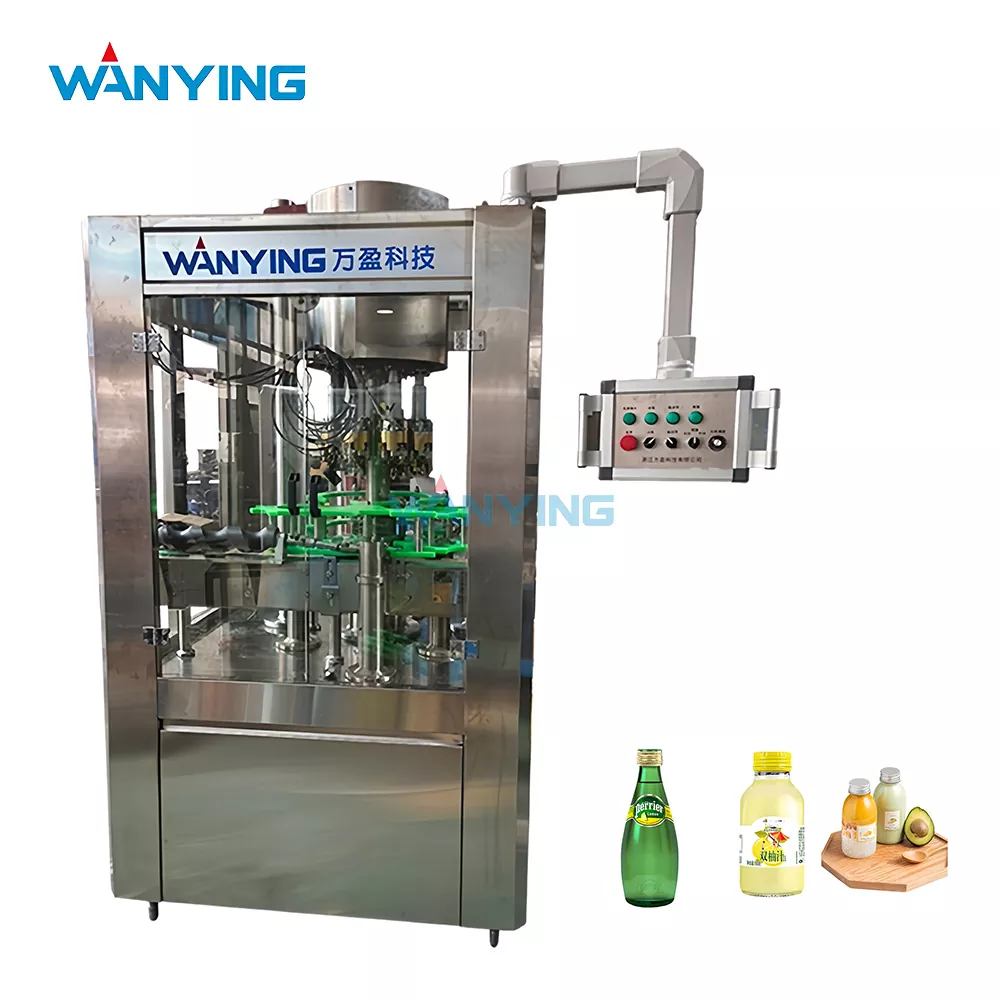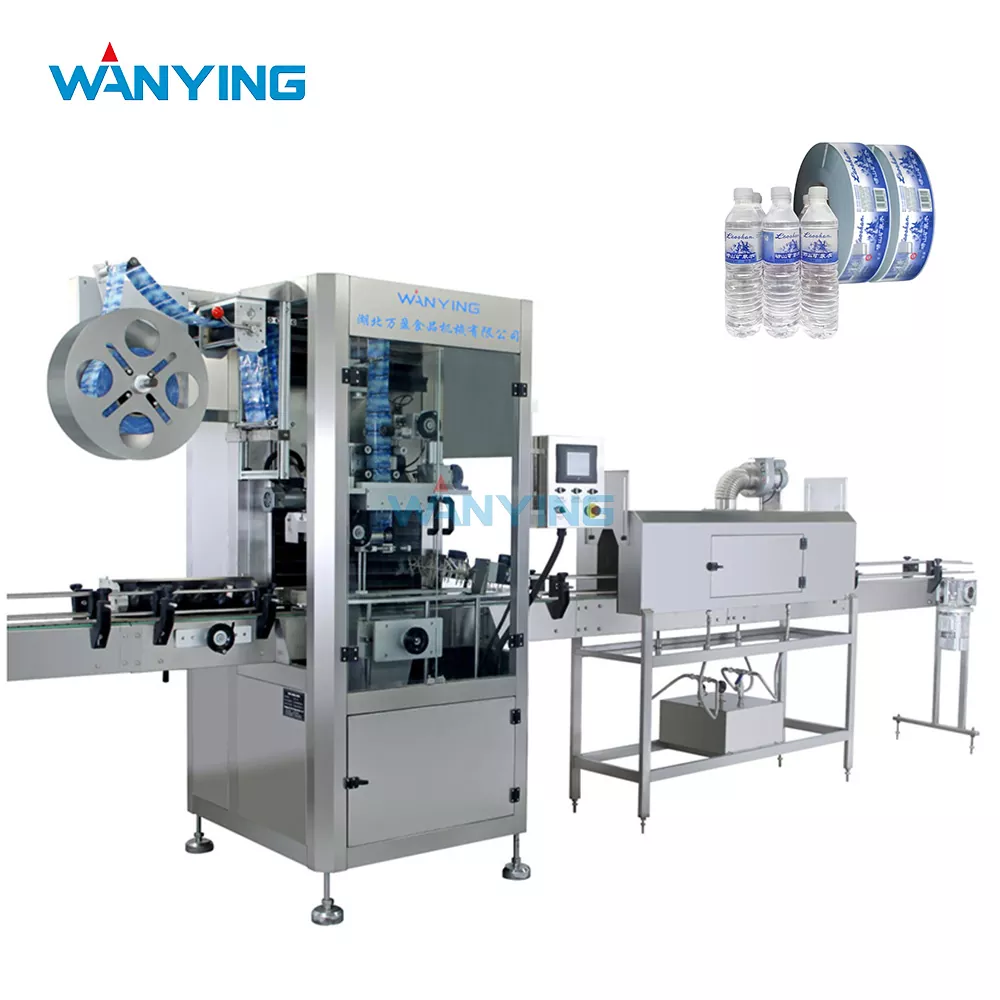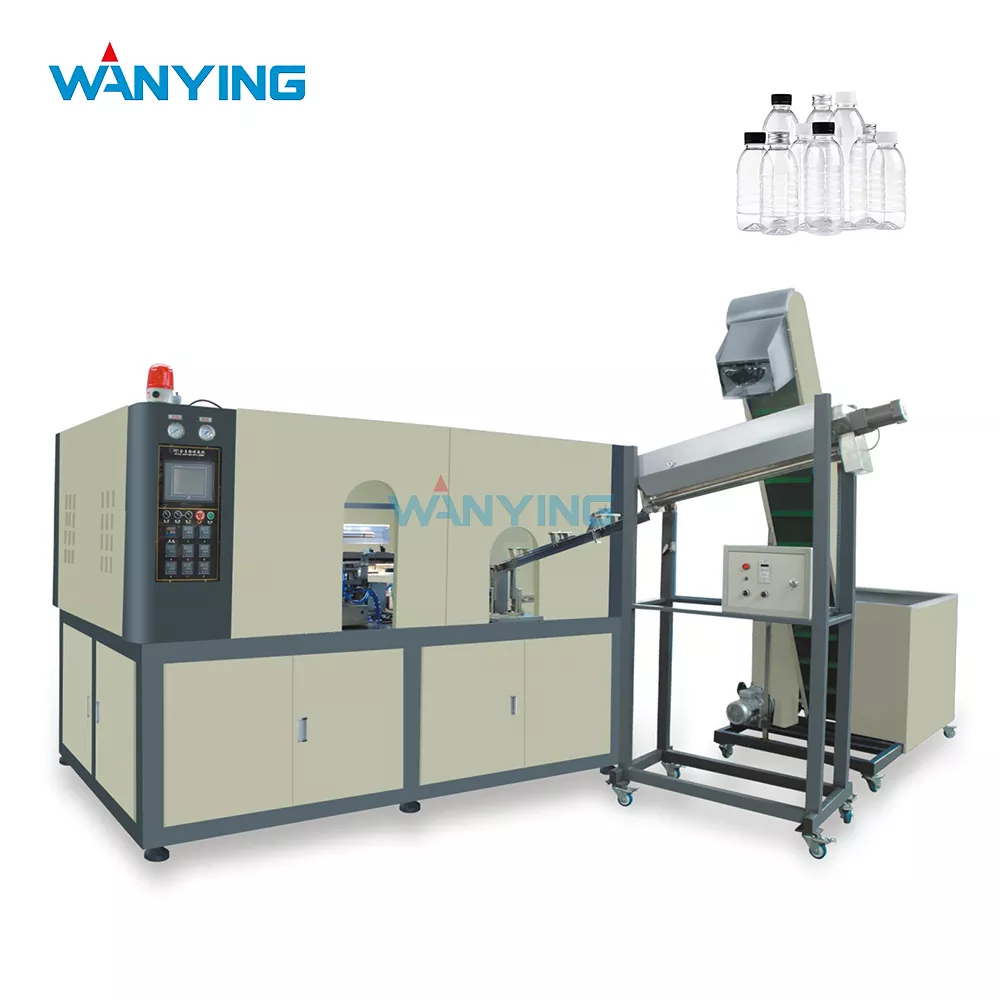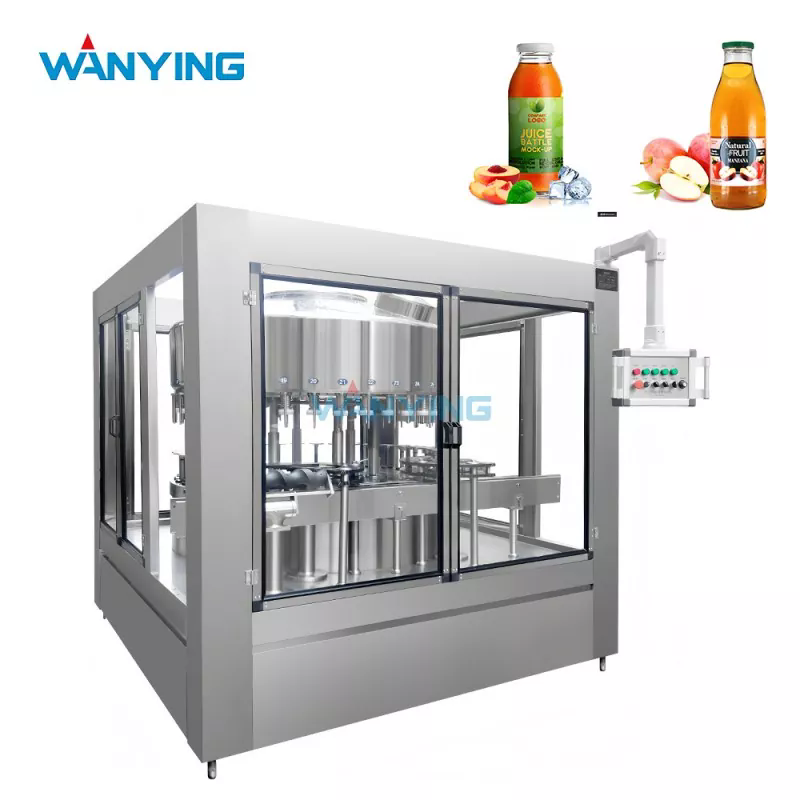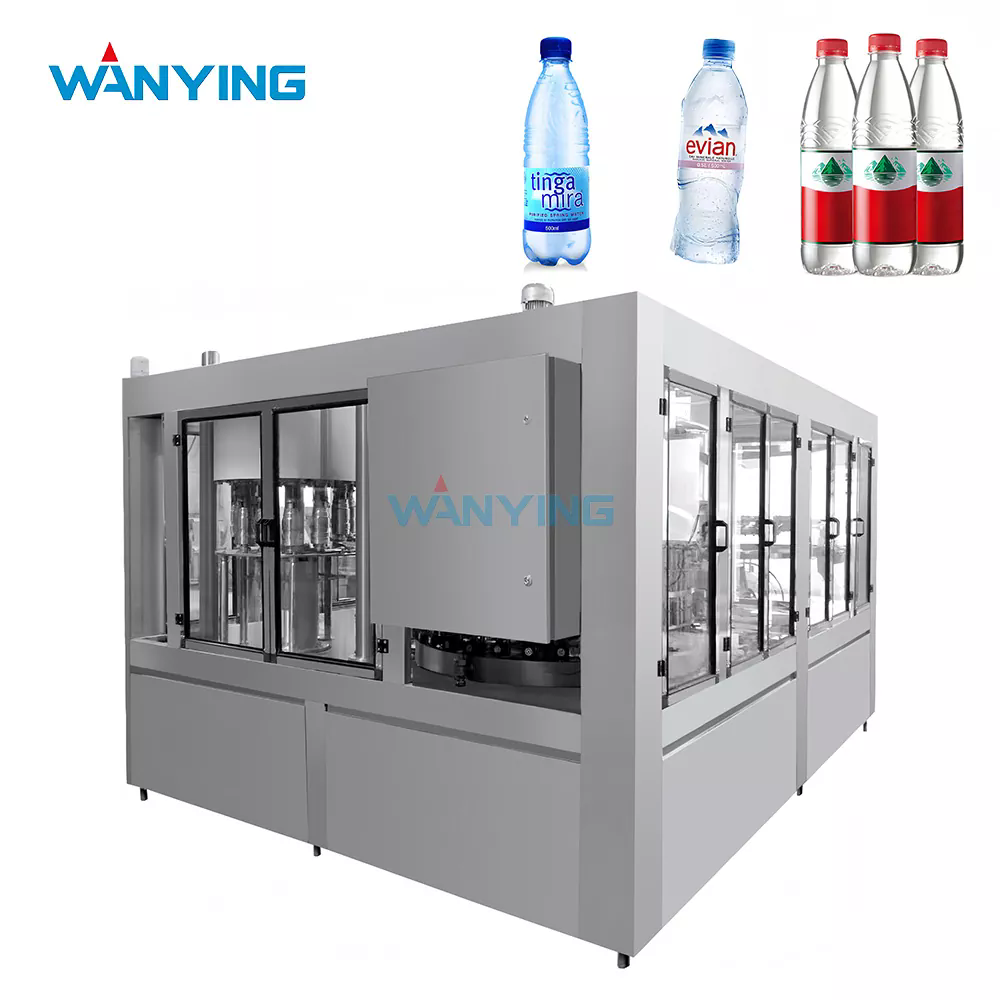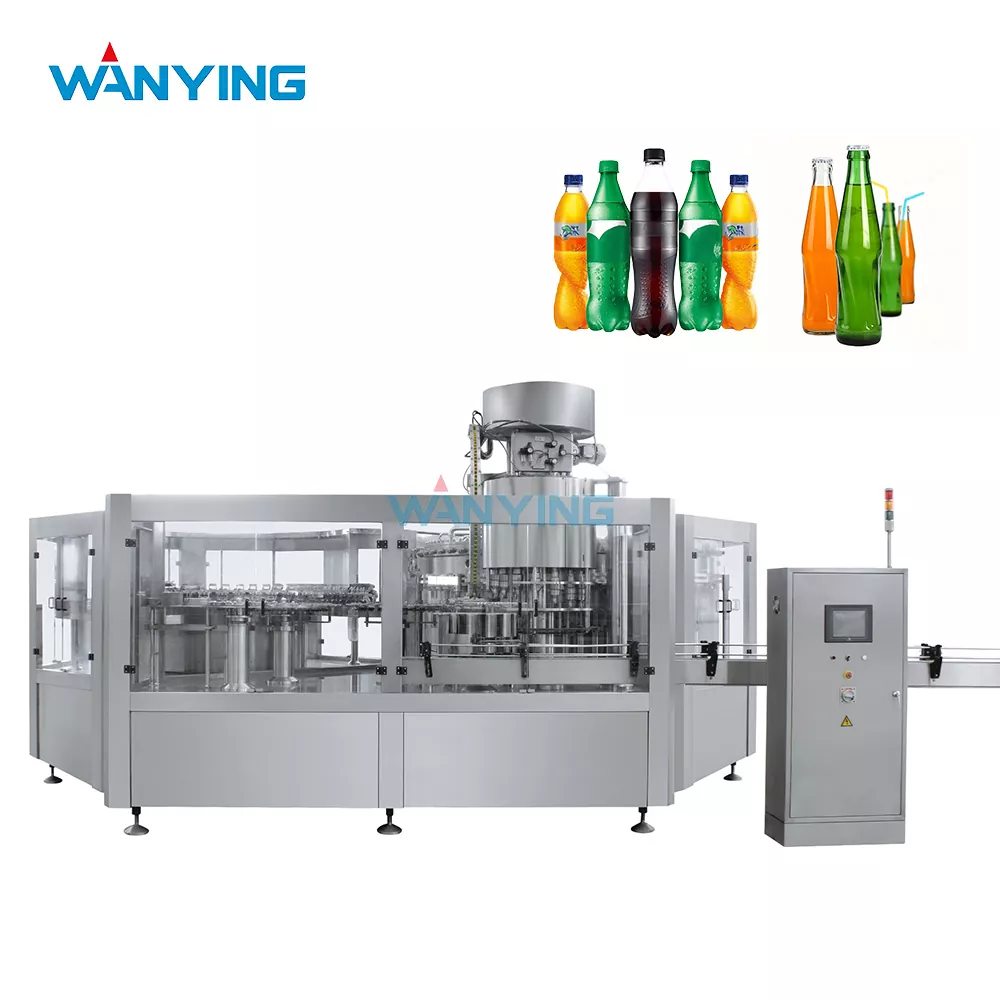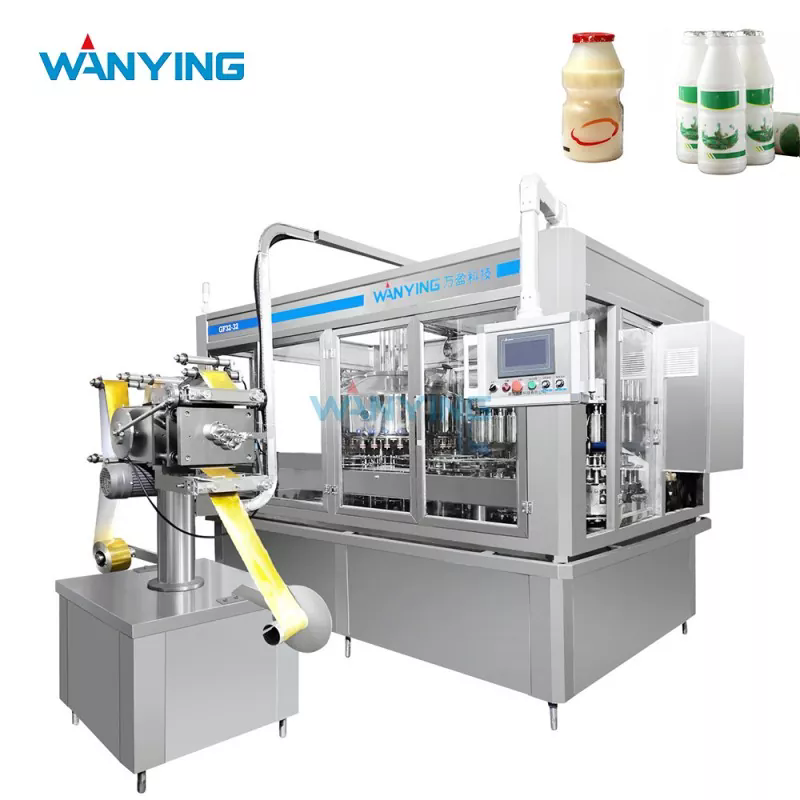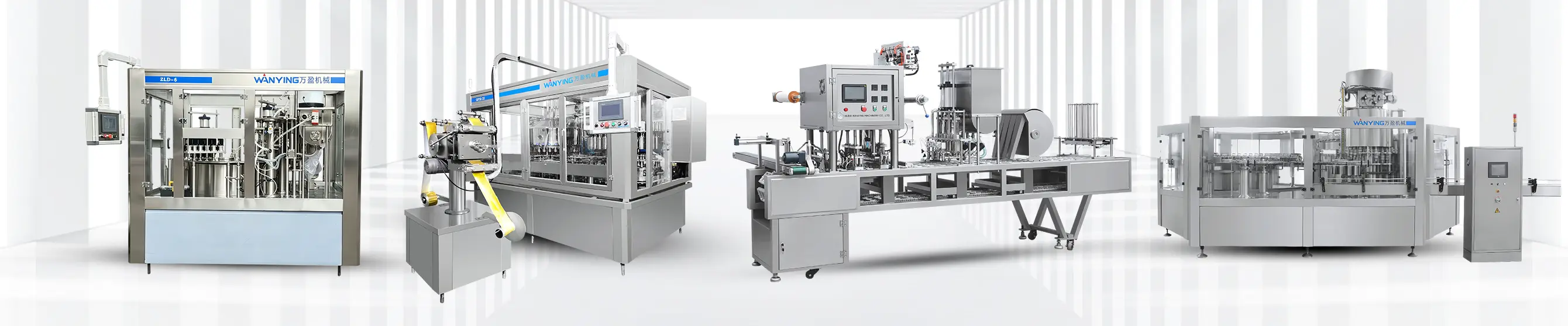
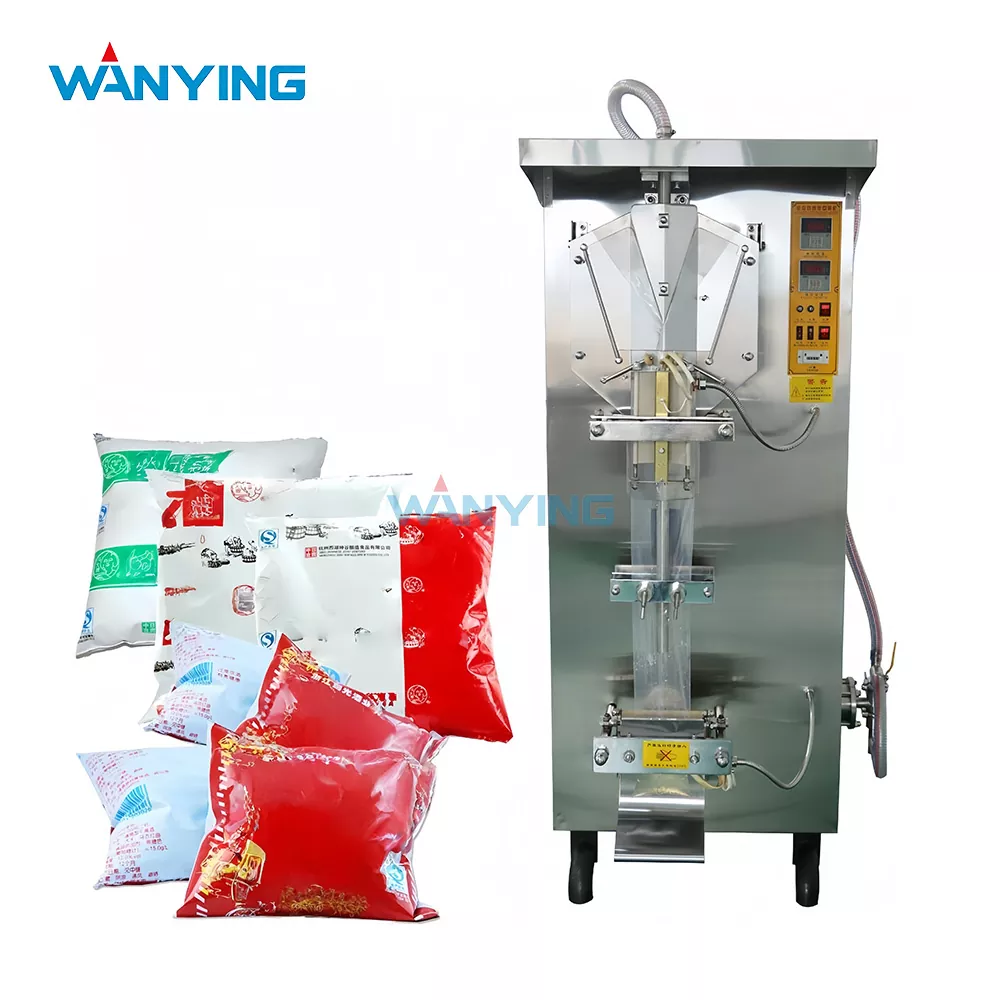
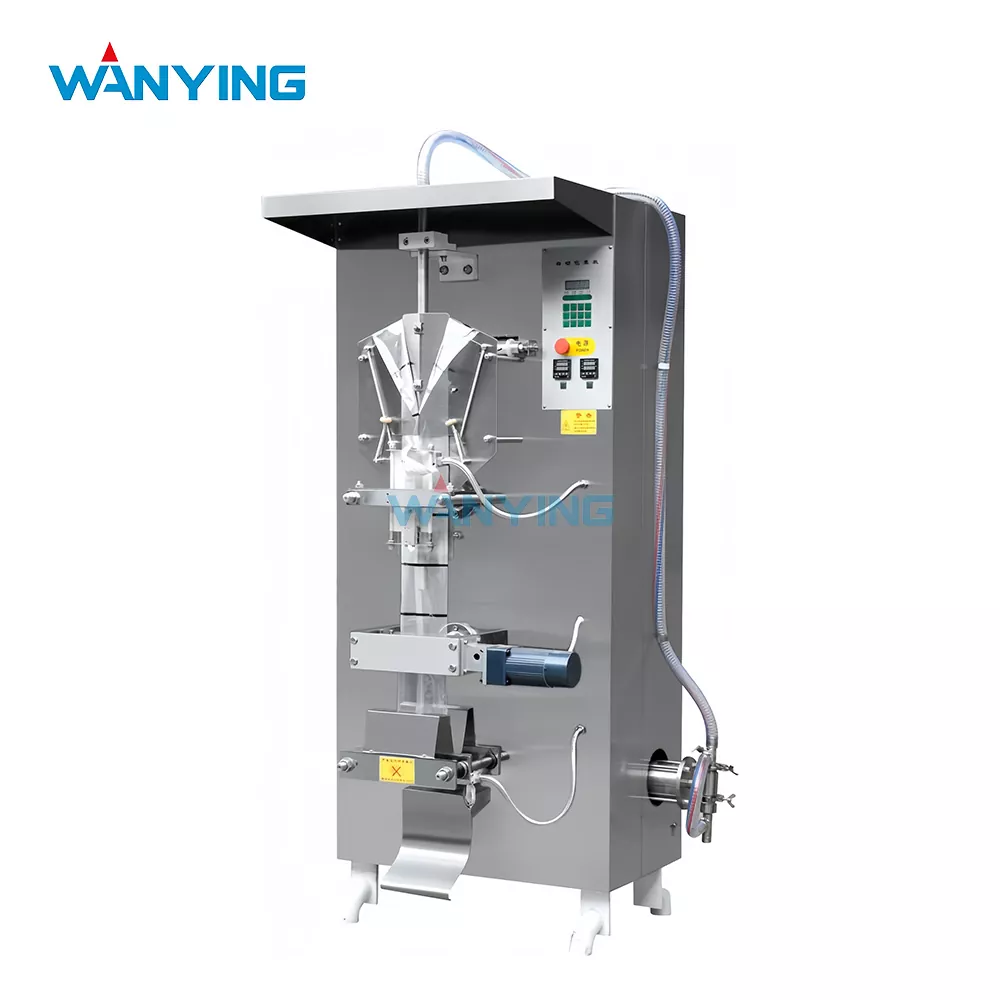
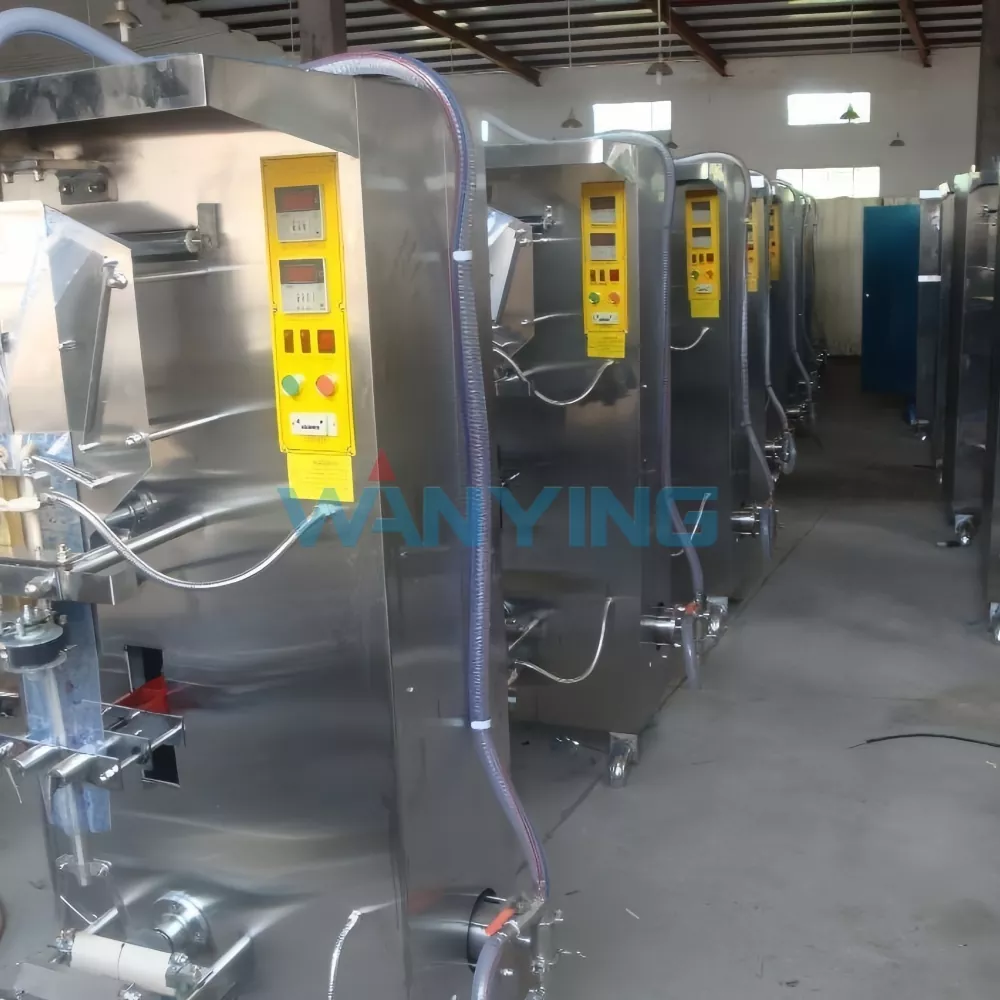
Our machines range from compact stand-alone fillers to fully integrated 3-in-1 and 4-in-1 systems that combine rinsing, filling, sealing, and capping in a single footprint. With over 1,300 satisfied clients across China and international markets, Wanying has established itself as a trusted partner for food producers seeking reliable, hygienic, and cost-effective liquid packaging equipment. This guide provides a comprehensive overview of our technology, quality assurance framework, real-world application cases, and answers to the most common questions from production managers and plant engineers.
A liquid packaging machine is the heart of any beverage, dairy, or condiment production line. It is responsible for accurately measuring and transferring liquid or semi-liquid products into containers—whether glass bottles, PET jars, stand-up pouches, aluminum foil sachets, or plastic cups—while maintaining product integrity, hygiene standards, and production speed. However, not all liquid packaging machines are created equal. The differences lie in the filling principle (volumetric, gravity, pressure, or piston-driven), the material compatibility (thin liquids vs. viscous pastes), the container handling system, and the level of automation integrated into the design. At Wanying, we approach liquid packaging from a process engineering perspective. We begin by analyzing the physical properties of your product—viscosity, temperature sensitivity, solids content, and foam tendency—then select or customize the appropriate filling technology. For instance, thin purified water requires high-speed gravity filling with minimal turbulence, while thick oyster sauce demands a positive-displacement piston filler with heated nozzles to maintain flow. Similarly, fermented bean curd brine contains suspended particles that require specialized anti-clogging valve designs. This deep technical understanding allows us to deliver machines that not only meet rated speeds but also maintain fill accuracy within ±0.5% over continuous shifts, significantly reducing product giveaway and ensuring consistent net content for regulatory compliance.
Every Wanying liquid packaging machine begins its life not on a drawing board, but on a production floor—specifically, in one of the 1,300-plus food plants we have visited or serviced over the past two decades. Our design philosophy is rooted in observation: we watch how operators handle changeovers, how cleaning crews struggle with hard-to-reach nozzle crevices, and how maintenance logs reveal the same recurring faults across different brands of filling equipment. This ground-level intelligence shapes our engineering priorities. For example, we noticed that many production stoppages in condiment lines were caused by product drying inside filling nozzles during short breaks.
In response, we developed a nozzle purge-and-hold function that keeps the tip moist and product-flow-ready even after a 15-minute pause, a feature now standard on all our thick-liquid fillers. This approach—designing from observed reality rather than theoretical specifications—ensures that our machines address the actual challenges that reduce overall equipment effectiveness (OEE) in daily operation.
Not all liquids behave the same way under filling conditions, and Wanying's engineering process begins with a liquid characterization study. We analyze your product across six critical parameters:
|
Parameter |
Why It Matters |
Measurement Method |
|
Viscosity profile |
Determines whether gravity, pressure, or piston filling is required |
Brookfield viscometer at multiple temperatures |
|
Solids content & particle size |
Affects nozzle bore diameter and valve design |
Sieve analysis and microscopy |
|
Foaming tendency |
Influences fill tube immersion depth and flow rate |
Laboratory foam index test |
|
Corrosivity (pH, salt content) |
Determines material selection (SUS304 vs. SUS316L vs. coated alloys) |
Chemical compatibility matrix |
|
Temperature sensitivity |
Dictates whether jacketed hoppers or cooling zones are needed |
Thermal degradation study |
|
Suspended particle settling rate |
Determines agitator speed and recirculation requirements |
Static settling test over 2–8 hours |
Armed with this data, our design team configures the optimal filling principle—volumetric piston for peanut butter, time-pressure for thin juices, overflow for low-foam water, or counter-pressure for carbonated drinks—and then customizes auxiliary components such as hopper agitators, recirculation loops, and nozzle tip geometries. This systematic methodology has allowed us to achieve first-pass success (meeting all performance criteria during the initial wet test) in over 92% of our installations over the last three years.
Before any Wanying filler leaves our factory, it undergoes a six-day validation protocol that simulates real-world production stresses, not just ideal lab conditions. The protocol includes:
· Viscosity drift test – The machine runs continuously while we artificially vary product temperature between 18°C and 40°C to simulate morning start-up and afternoon heat build-up. Fill volumes are recorded every 30 minutes to confirm accuracy remains within ±0.5%.
· Stop-restart cycling – We simulate random production stops (operator breaks, upstream supply interruptions) and measure how quickly the machine returns to stable fill accuracy after each restart. Our target is stabilization within three filling cycles.
· Nozzle drip test – After 1,000 filling cycles, we place a precision scale under each nozzle for 10 seconds after the fill valve closes. Total drip volume must not exceed 0.1 mL per nozzle—a critical metric for sticky products where drips can cause unsightly container necks and label adhesion issues.
· CIP effectiveness validation – We run a soil-loading cycle using a standardized test soil (containing proteins, fats, and sugars), then execute the automated CIP program and perform swab tests at 12 designated crevice points. Pass criteria require ATP readings below 10 RLU (relative light units).
Clients are invited to witness this validation phase at our facility and may choose to bring their own product samples for additional customized testing, ensuring complete confidence before shipment.
Our relationship with clients does not end at commissioning. We maintain a digital equipment log for every liquid packaging machine we sell, which includes:
· Original configuration parameters
· Every software update applied
· Maintenance history recorded by our service team
· Spare parts replacement recommendations based on actual runtime hours (not arbitrary calendar schedules)
This log enables our support engineers to provide highly specific guidance during remote troubleshooting, reducing mean-time-to-repair (MTTR) by an average of 40% compared to industry benchmarks. Additionally, we conduct annual performance reviews with clients who opt into our service program, during which we revisit fill accuracy data, compare current OEE against baseline metrics, and recommend mechanical or software adjustments to compensate for changes in their product formulation or packaging materials. This proactive approach has helped several clients extend the useful life of their Wanying fillers beyond 12 years with only routine maintenance, a testament to both the initial build quality and the ongoing support ecosystem we provide.
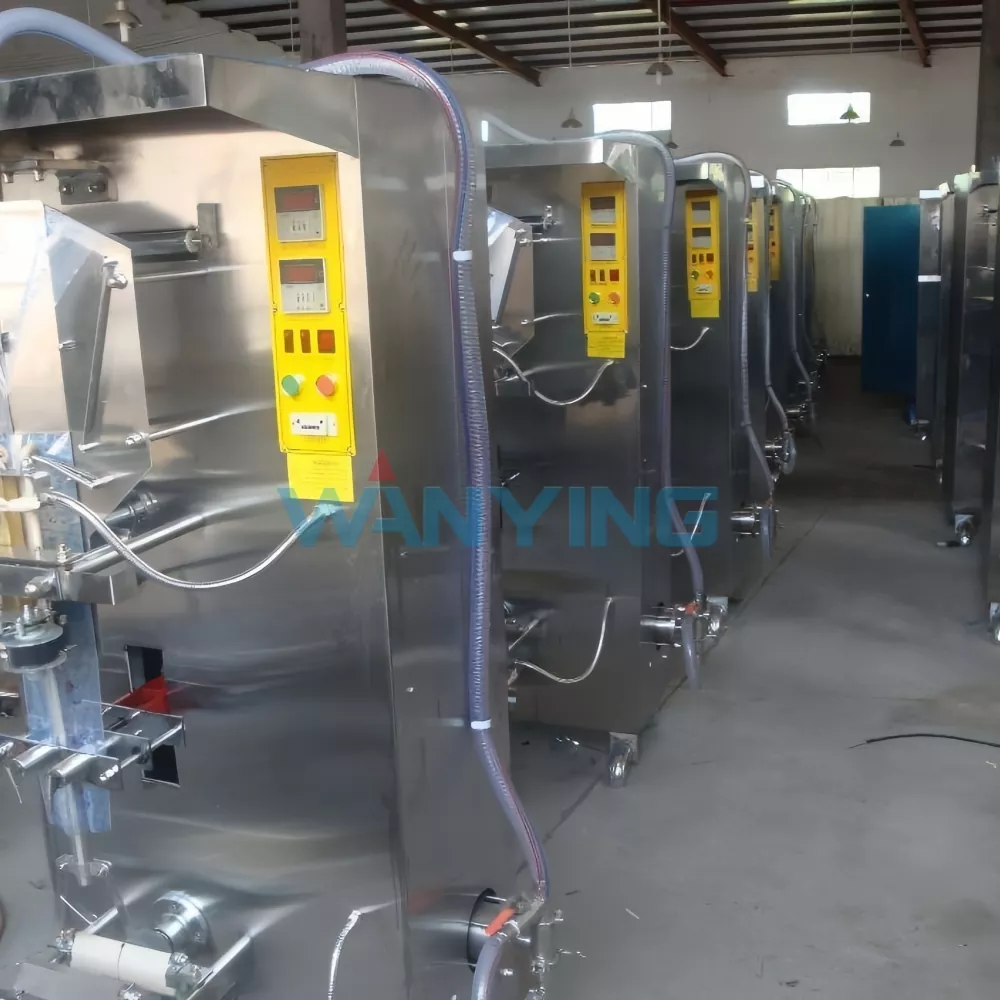
|
Model Type |
Application |
Key Feature |
|
Stand-up pouch filler |
Juice, water, liquid health products |
Volumetric piston or time-pressure filling, integrated seal head |
|
Aluminum foil sachet filler |
Condiment samples, single-serve sauces |
Continuous film feeding, vertical form-fill-seal |
|
Glass bottle filler |
Premium juices, fermented bean curd brine |
Gravity or overflow filling, gentle bottle handling |
|
Cup & bowl filler |
Dairy desserts, yogurts, instant soups |
Multi-lane filling with automatic lid application |
|
System |
Functions Integrated |
Ideal For |
|
3-in-1 Filler |
Filling + Aluminum foil sealing + Capping |
Glass bottles, PET jars |
|
4-in-1 Filler |
Rinsing + Filling + Aluminum foil sealing + Capping |
High-hygiene applications (dairy, juice) |
|
Carbonated beverage filler |
Counter-pressure filling + Snifting + Crowning |
Sodas, sparkling water, carbonated energy drinks |
|
Pulp / thick sauce filler |
Positive-displacement filling + Stirring hopper |
Juices with pulp, peanut sauce, chili paste, tomato paste |
Our machines employ a closed-loop control architecture where a Siemens PLC continuously adjusts filling parameters based on real-time feedback from flow meters, load cells, and level sensors. This ensures that fill volumes remain within ±0.5% even when product viscosity changes due to temperature variations.
For shear-sensitive liquids (yogurt, cream) or products with fragile particulates (fruit pulp, vegetable bits), Wanying offers low-turbulence filling valves with slow-opening profiles and minimal pressure drop. This technology has been independently verified to reduce cell damage in fermented products by over 30%.
All product-contact surfaces are made from food-grade stainless steel (SUS304 or SUS316L) with Ra ≤ 0.8 μm surface finish to prevent bacterial adhesion. Filling nozzles are designed with drip-free shut-off and are easily removable for cleaning. Our machines support CIP (clean-in-place) with automated wash cycles that can be programmed to meet your food safety plan requirements.
Servo-driven filling systems consume power only during active filling cycles, reducing electricity consumption by up to 25% compared to pneumatically actuated fillers. In addition, our machines are designed for lower air consumption, using approximately 300 NL/min at 0.6 MPa.
Background: A medium-sized factory producing chili oil, peanut butter, and sesame paste required a filling solution that could handle viscosities ranging from 2,000 cP (chili oil) to over 50,000 cP (peanut butter) on the same production line. They previously used a single universal filler that experienced frequent jams and had fill accuracy of only ±3%, resulting in significant product giveaway.Wanying Solution: We installed a thick sauce filling machine equipped with:
· Positive-displacement rotary piston filler with servo-driven volume adjustment
· Heated hopper and nozzle assembly for peanut butter (maintains 35°C for optimal flow)
· Stirring mechanism in hopper to prevent oil separation
· Quick-change piston sleeves for different volume ranges (100–500 mL)
· 4-in-1 integration with pre-rinsing, filling, foil sealing, and capping
Outcome after 8 months:
· Fill accuracy improved to ±0.4% across all products
· Product giveaway reduced by 2.6%, saving over ¥85,000 annually
· Changeover between chili oil and peanut butter reduced from 45 minutes to 12 minutes
· Zero unplanned downtime reported in the last 6 months
· The line now runs at 35 bottles per minute with a single operator
Background: A traditional fermented bean curd producer needed to fill brine (liquid containing salt, rice wine, and suspended soybean particles) into glass jars containing already-fermented tofu cubes. The challenge was two-fold: the brine had suspended solids that clogged standard filling nozzles, and the jars had narrow necks requiring precision filling without splashing onto the jar threads (which would compromise sealing).Wanying Solution: We customized a brine-specific filling machine with:
· Wide-bore nozzle and spring-loaded shut-off valve to pass particles up to 5 mm
· Overflow recirculation system to maintain consistent brine composition in the hopper
· Slow-fill profile with neck-purging capability to prevent thread contamination
· Integrated with our fermented bean curd bottle washer and capper for a complete line
Outcome after 1 year:
· No clogging incidents reported in over 3,000 production hours
· Jar thread contamination reduced from 8% to 0.2%, virtually eliminating capping defects
· The client increased production from 8,000 to 14,000 jars per shift
· Brine composition consistency improved due to the recirculation system
Background: A juice processor packing 200 mL glass bottles of pomegranate and blueberry concentrates needed a machine that could handle low pH (2.8–3.2) products while maintaining oxygen exposure below 0.5 ppm to preserve antioxidant content. Their existing gravity filler caused excessive foaming and oxygen pickup.Wanying Solution: We supplied a 4-in-1 filling machine (rinsing, filling, sealing, capping) modified with:
· Nitrogen purging capability before filling to displace oxygen in the bottle
· Low-turbulence filling valve with laminar flow geometry
· Fully enclosed filling zone with positive pressure to maintain sterile environment
· All contact parts in SUS316L with electropolished finish for corrosion resistance
Outcome after 6 months:
· Dissolved oxygen in packaged product remained below 0.4 ppm (exceeding requirement)
· No corrosion or pitting observed on contact surfaces
· Machine achieved 28 bottles/min with fill accuracy of ±0.3 mL
· The client received certification for "oxygen-protected process" from their retail partners
A: The choice depends primarily on your product's viscosity and solids content:
· Gravity filling – Relies on the liquid's own weight to flow into the container. It is suitable for thin, free-flowing liquids like purified water, clear juices, and light syrups. Gravity filling is the simplest and most cost-effective method for speeds up to 60 bottles per minute.
· Pressure filling – Uses a pressurized tank to push liquid into the container at a controlled rate. This is ideal for carbonated beverages (where counter-pressure prevents foam) and moderately viscous liquids like milk or thin sauces.
· Piston filling – Employs a positive-displacement cylinder and piston to measure a precise volume. This is required for thick, viscous, or particle-laden products like peanut butter, oyster sauce, and fermented bean curd brine with suspended solids. Piston fillers maintain accuracy regardless of product temperature or viscosity variations.
At Wanying, our engineers can analyze your product sample and recommend the optimal filling principle along with specific nozzle configurations to ensure clean, accurate filling.
A: Hygienic integrity is built into every Wanying machine through three layers of design:
· Material selection – All product-contact surfaces are SUS304 or SUS316L stainless steel with surface roughness Ra ≤ 0.8 μm. Seals and gaskets use food-grade FDA-compliant elastomers (EPDM, silicone, or PTFE depending on the product chemistry).
· Drainable geometry – Filling hoppers, piping, and valves are designed with minimum 1.5° slope toward drain points, ensuring complete drainage during cleaning. There are no dead-legs or crevices where product residues can accumulate.
· CIP compatibility – Our machines support CIP (clean-in-place) with automated wash cycles that include pre-rinse, caustic wash, intermediate rinse, acid wash, and final rinse. Each cycle is programmable via the HMI, and we provide detailed validation protocols including swab test locations for ATP verification.
We also offer optional SIP (sterilize-in-place) for aseptic applications using superheated steam or hot water.
A: As a direct supplier with global experience, Wanying offers a structured after-sales program:
· Pre-shipment training – At least 3 days of training at our factory in Huangshi, covering machine operation, daily maintenance, fault diagnosis, and safety. We encourage clients to send their maintenance engineers to participate in hands-on assembly and testing.
· On-site commissioning – One of our senior service engineers travels to your facility to supervise installation, perform final tuning, and conduct additional operator training on your actual product and containers. The commissioning period typically lasts 3–5 days.
· Remote support – All our machines are equipped with remote connectivity modules (with client approval) allowing our engineers to log in for diagnostics, parameter adjustment, and software updates. This has significantly reduced downtime for overseas clients.
· Spare parts logistics – We maintain a comprehensive parts inventory in China and have established rapid shipping partnerships with DHL and FedEx to ensure that critical spare parts reach most international destinations within 72 hours.
· Warranty – 24 months on mechanical structural parts and 12 months on electrical components, with extended warranty options available for high-utilization production lines.
A liquid packaging machine rarely operates in isolation. Wanying designs our fillers to seamlessly integrate with:
· Upstream equipment – Bottle unscramblers, air rinsers, bottle washers, and conveyor feed systems.
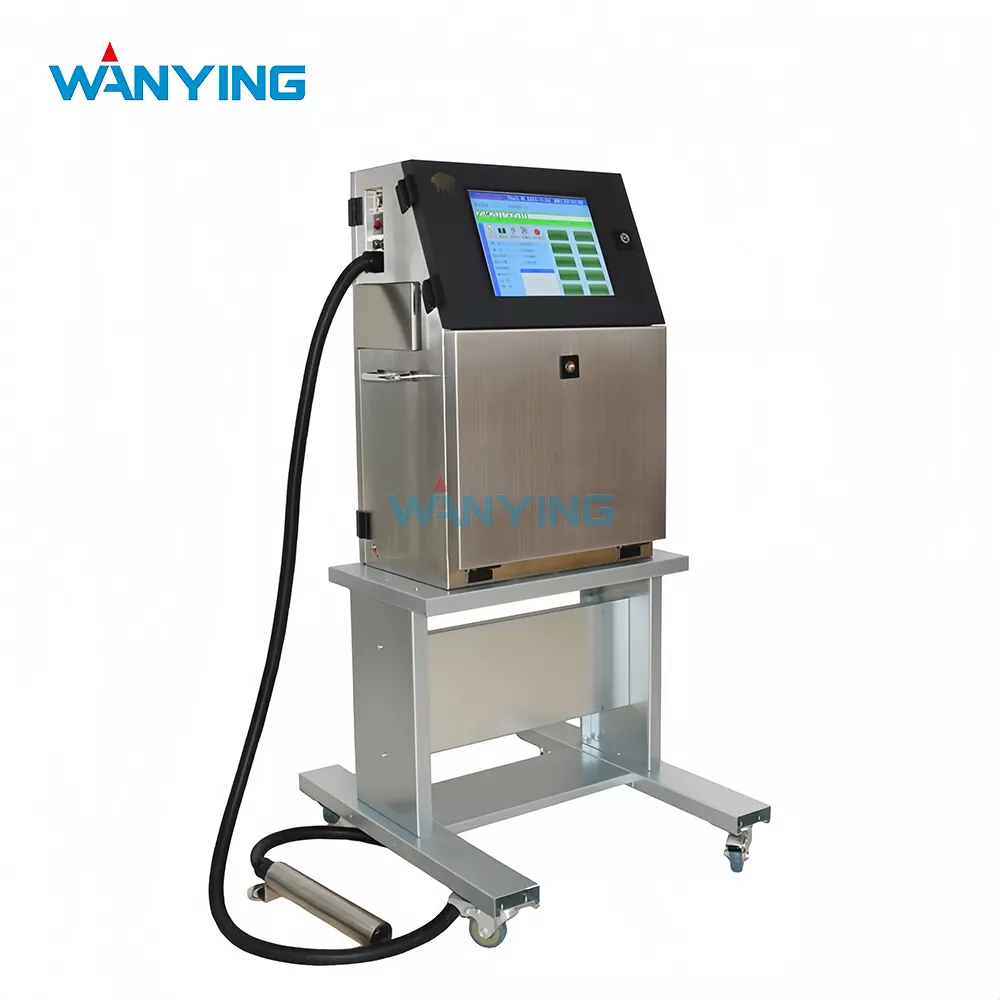
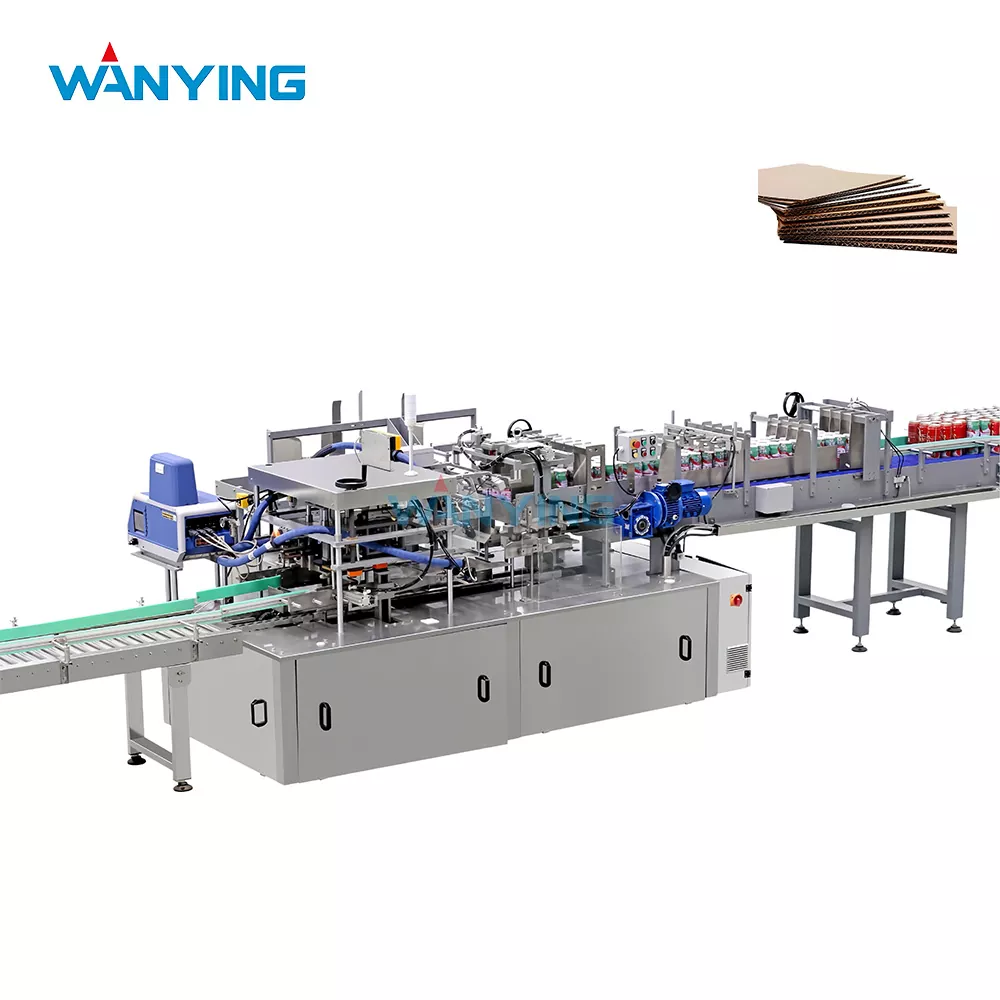
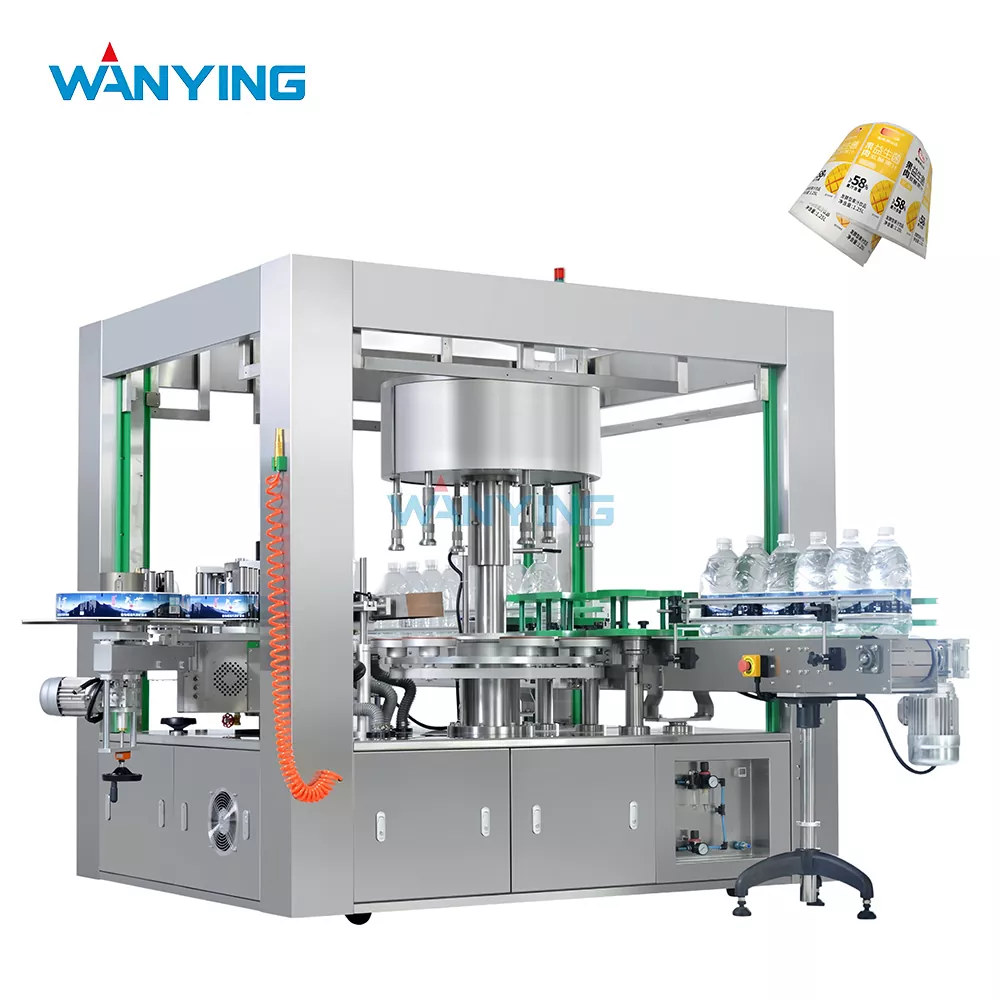
· Downstream equipment – Capping machines, aluminum foil sealers, labelers (sticker and sleeve), inkjet coders, and cartoning machines.
· Control integration – All our machines support Ethernet/IP, Profibus, or Modbus communication protocols for centralized production monitoring and data collection.
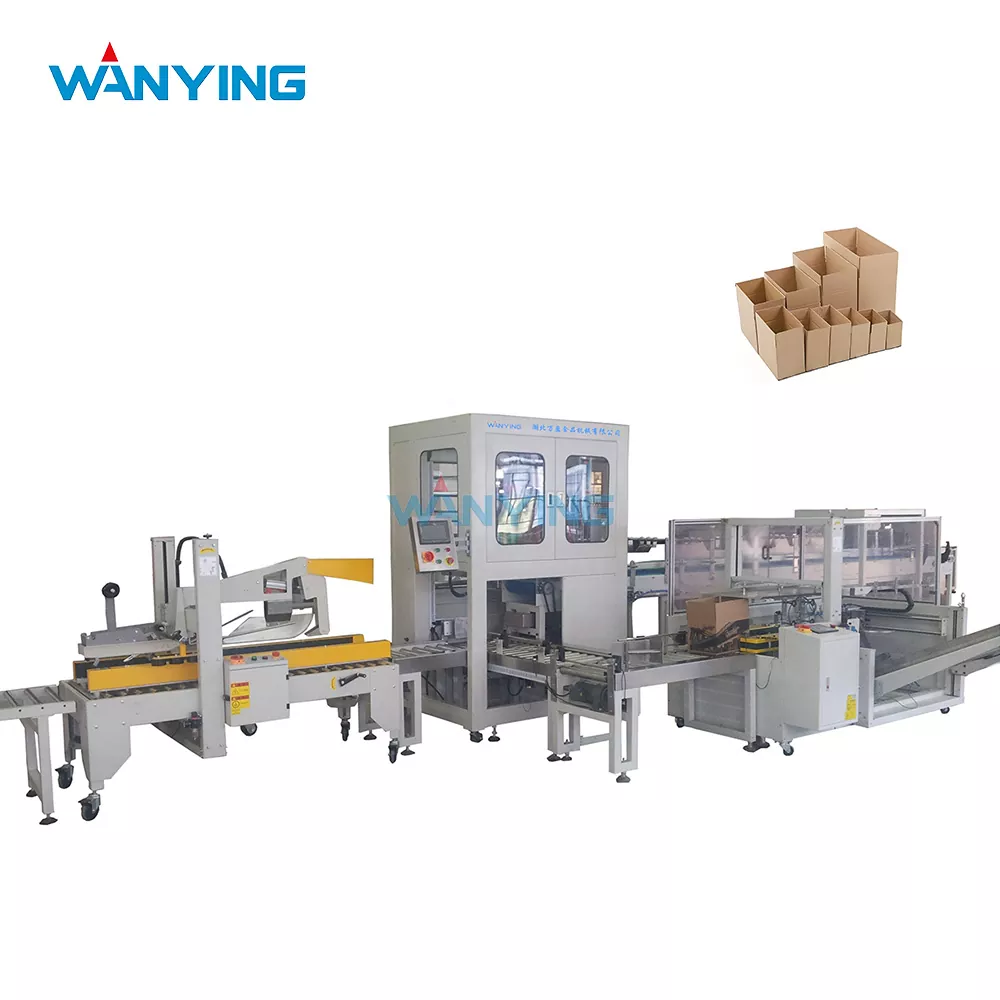
For clients requiring complete line solutions, Wanying can supply and integrate the entire packaging train, including our one-piece wrap-around case packer, fully automatic cartoning machine, and palletizing systems.
|
Attribute |
Wanying Advantage |
|
Category expertise |
Dedicated engineering groups for beverages, dairy, condiments, and fermented foods |
|
Customization capability |
Every machine configured to your product viscosity, container type, and production volume |
|
Component quality |
Siemens, Omron, Schneider, AirTAC – no compromise |
|
Field proven |
1,300+ clients, with 400+ liquid packaging machines in active operation |
|
After-sales responsiveness |
24/7 remote support + fast parts dispatch from our Huangshi factory |
|
Value for money |
Direct factory pricing without sacrificing European-equivalent quality |
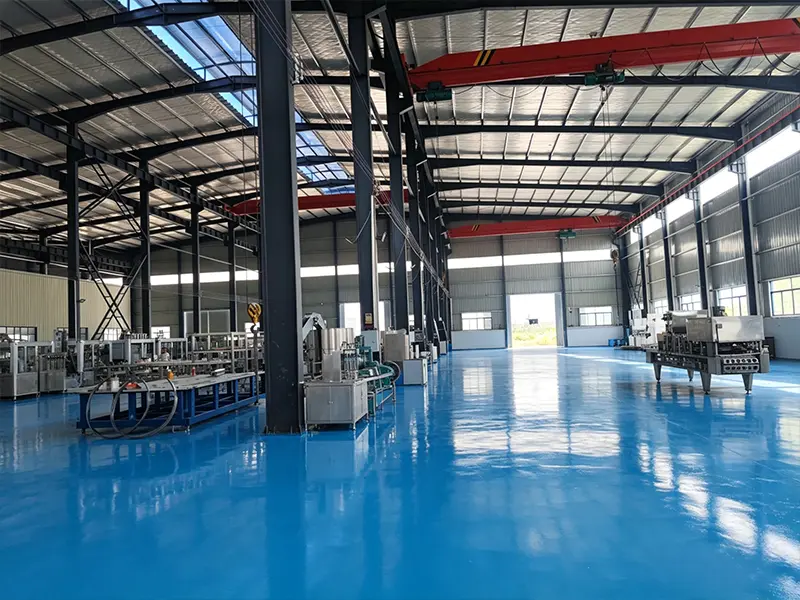
The Wanying Liquid Packaging Machine series offers a comprehensive, reliable, and customizable solution for food producers across the beverage, dairy, condiment, and fermented food sectors. Our machines are built on decades of practical experience, engineered with deep technical expertise, validated by industry-leading clients, and delivered with transparent quality and service commitments. Whether you are filling thin juices, viscous sauces, or particle-laden brine, Wanying has the right filling technology to meet your accuracy, speed, and hygiene requirements. We invite you to contact our technical sales team for a personalized consultation and a factory tour where you can witness our manufacturing processes and quality control systems in action.
Address
Xihenao Industrial Zone, Fenglin Town, Yangxin County, Huangshi City, Hubei Province, China
Tel