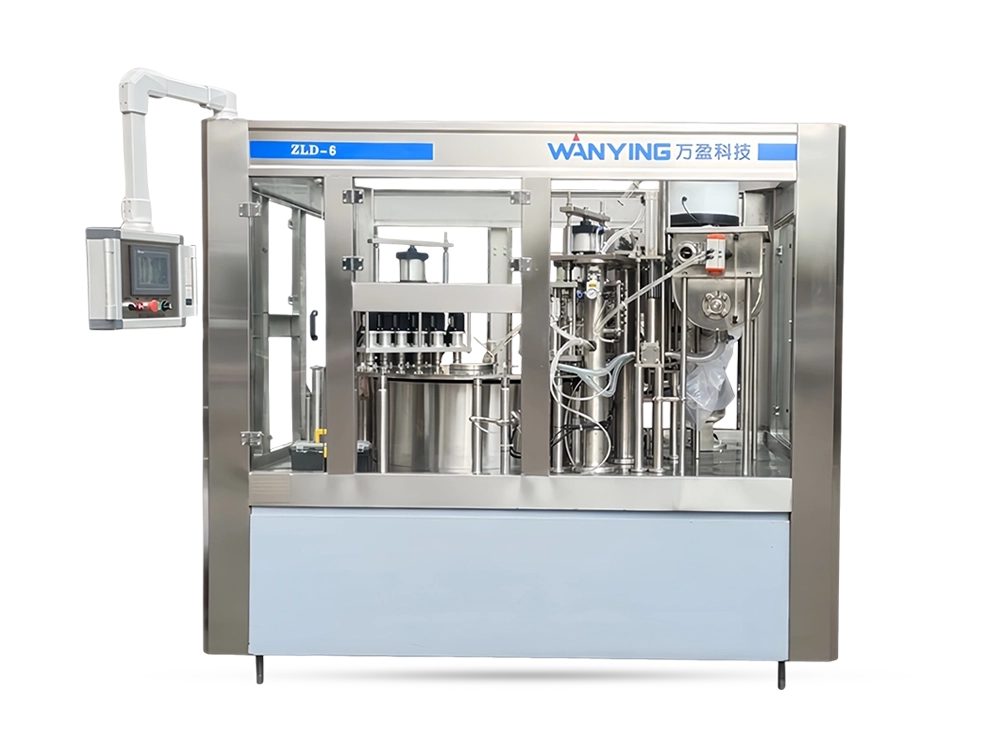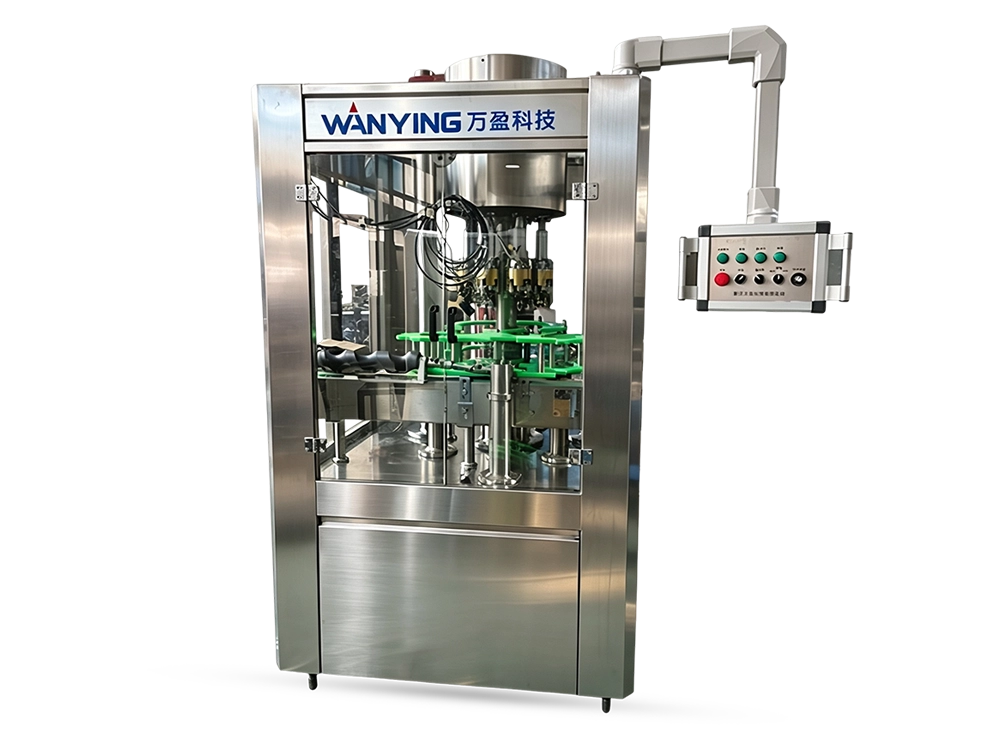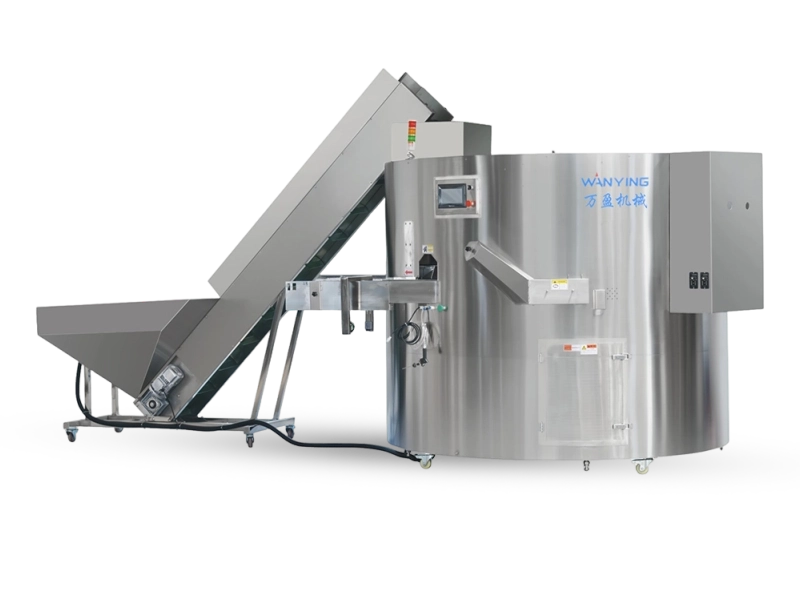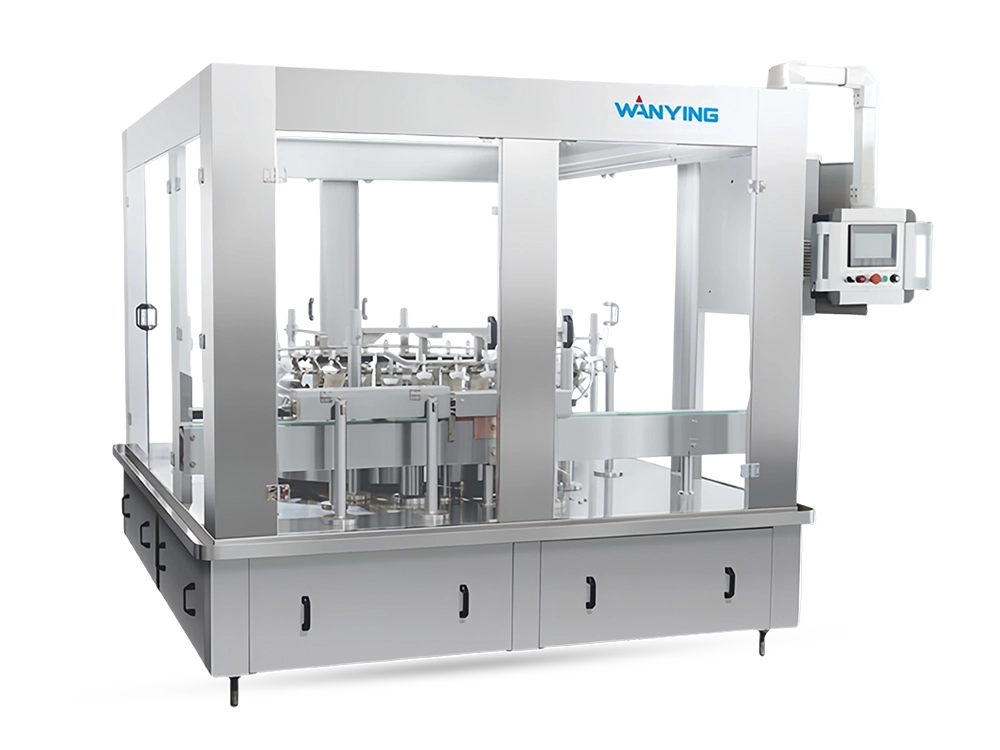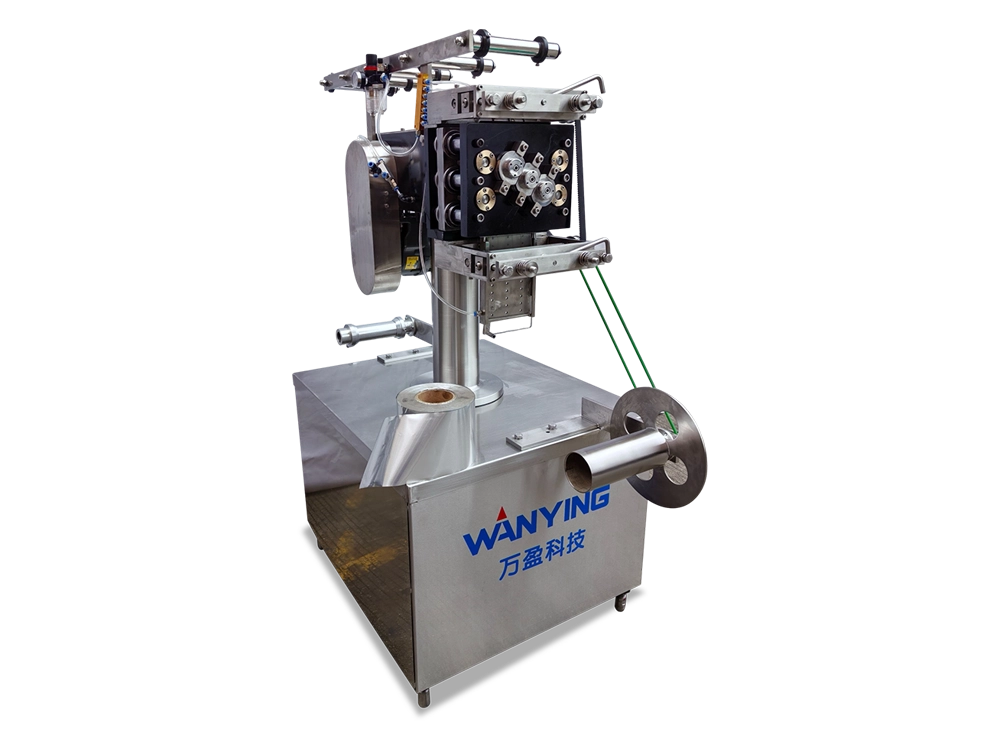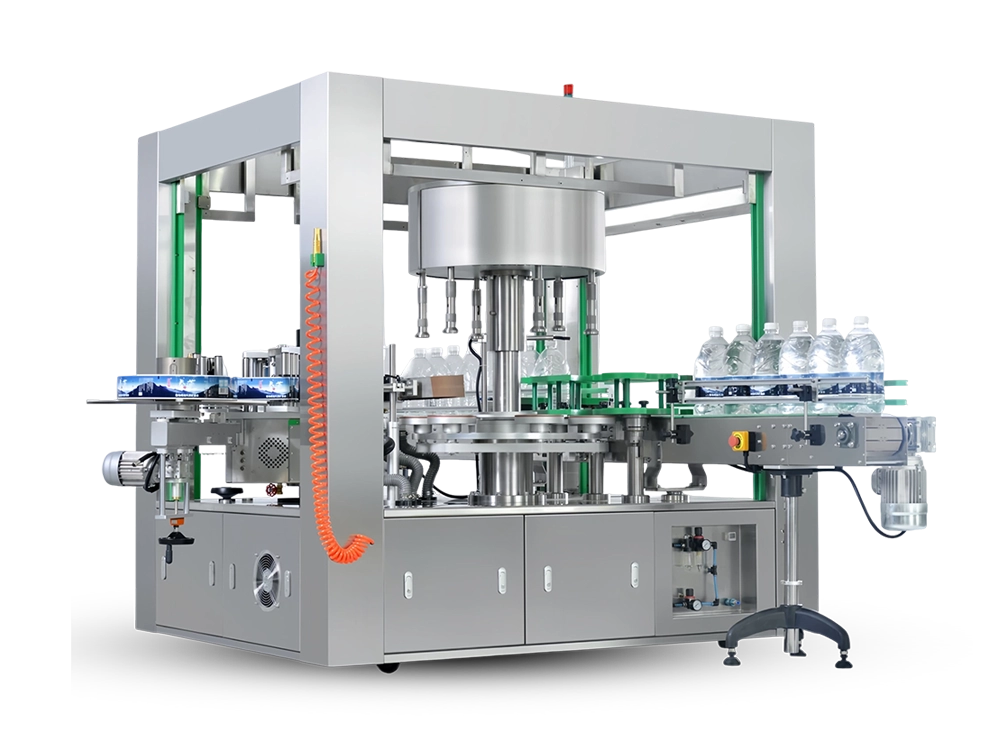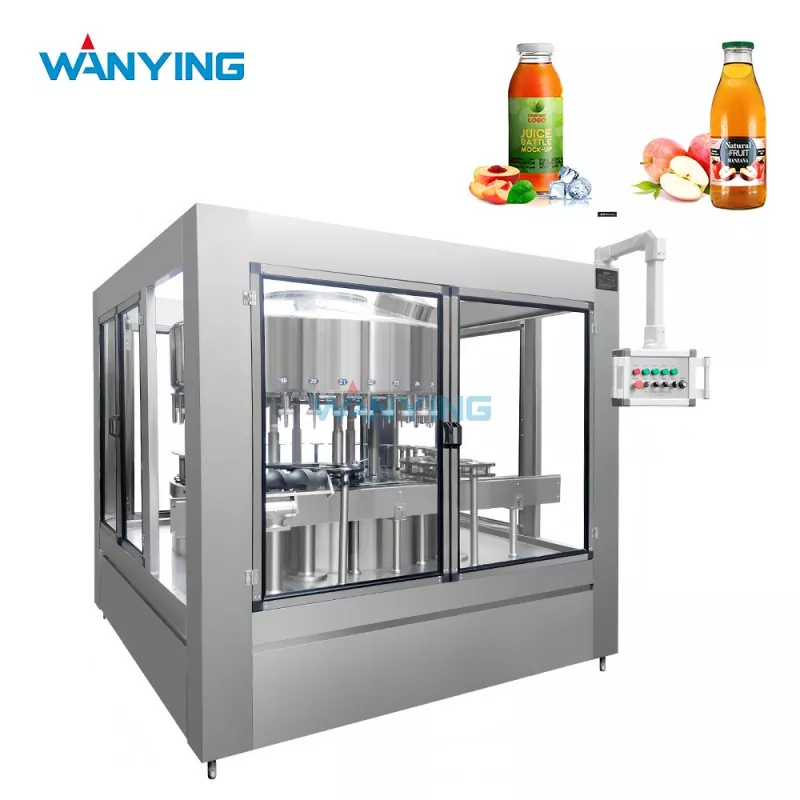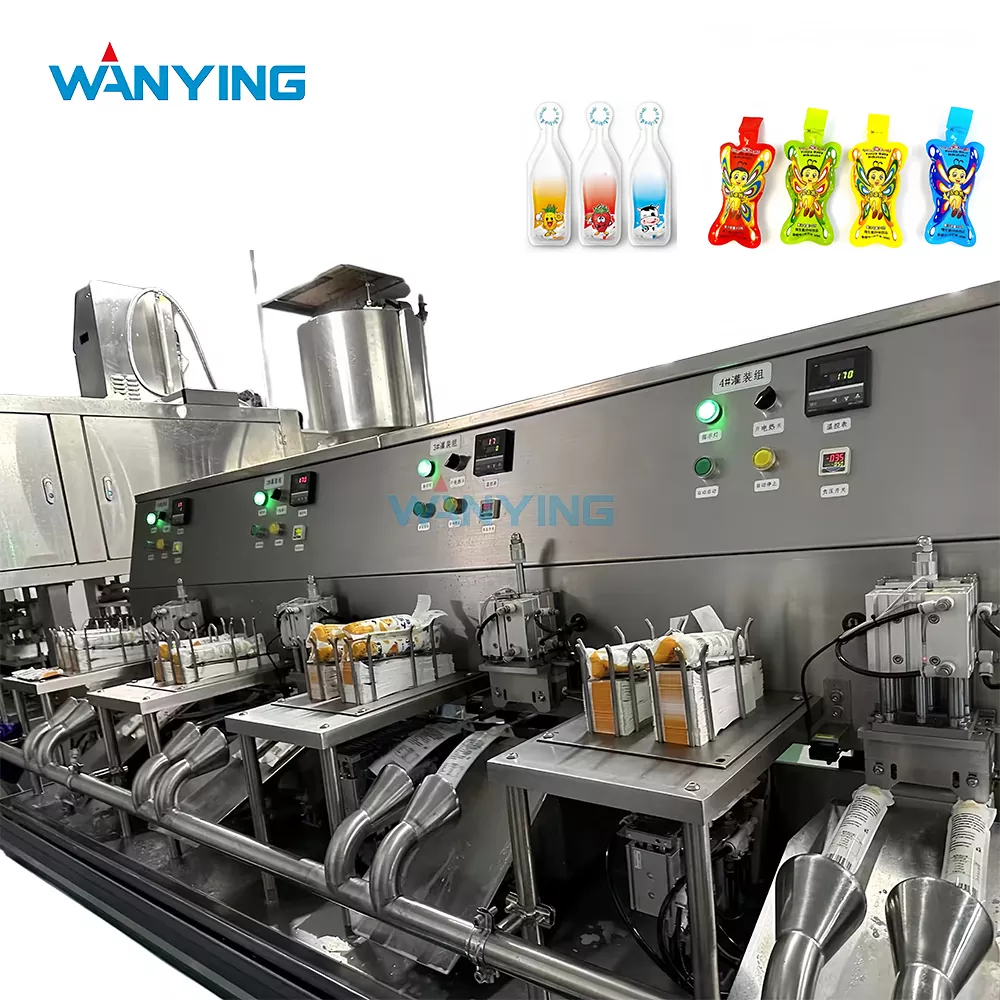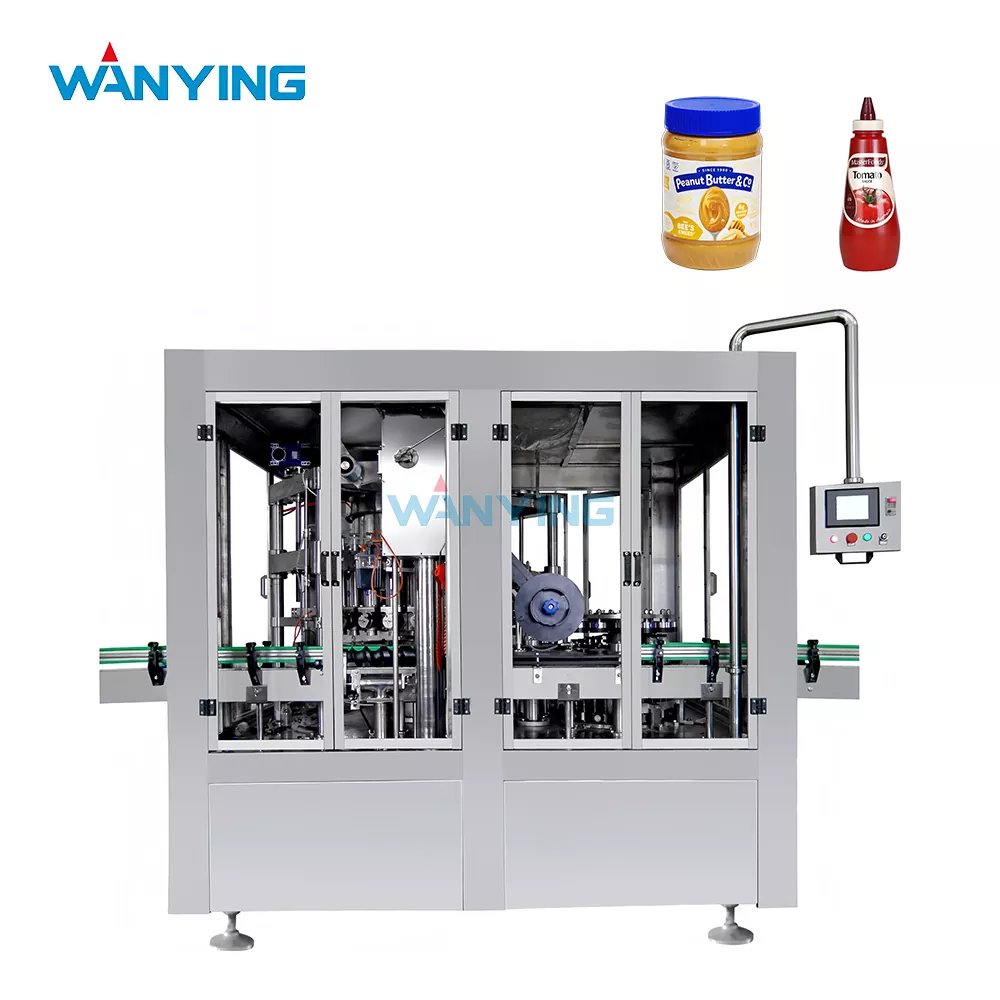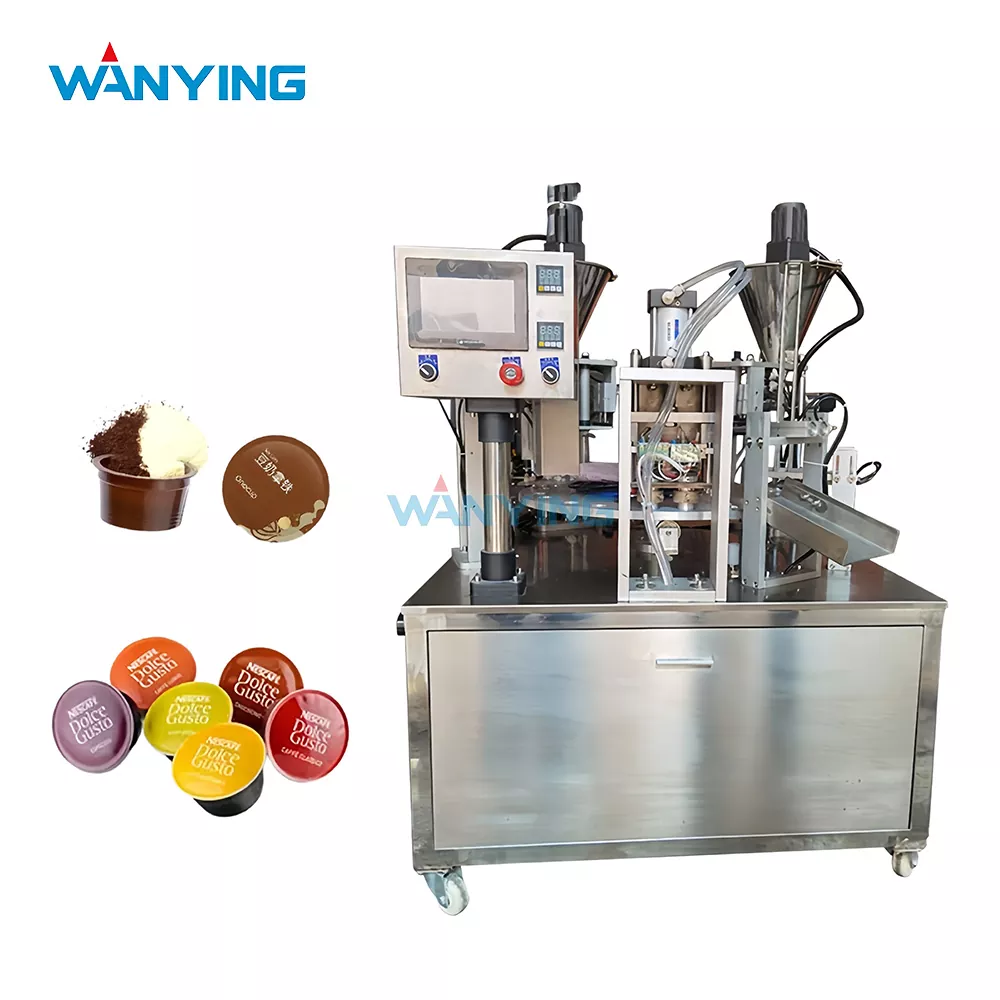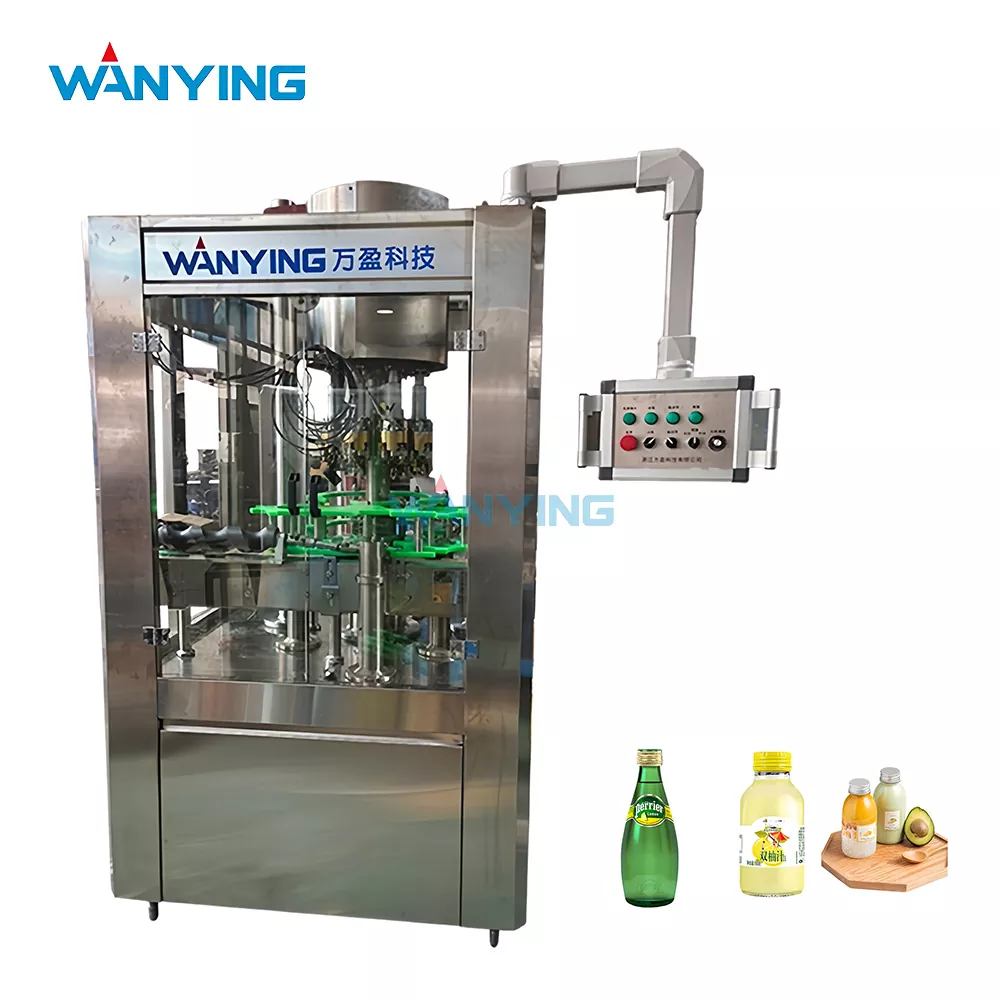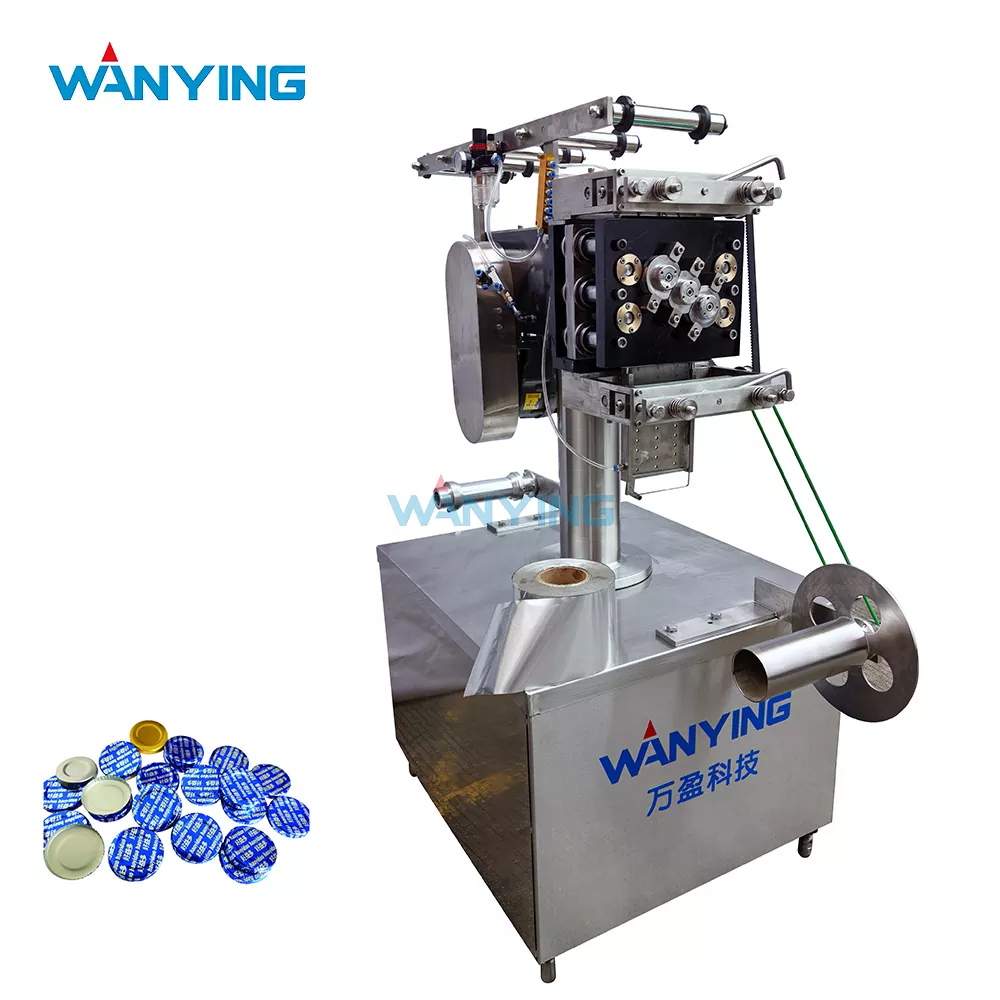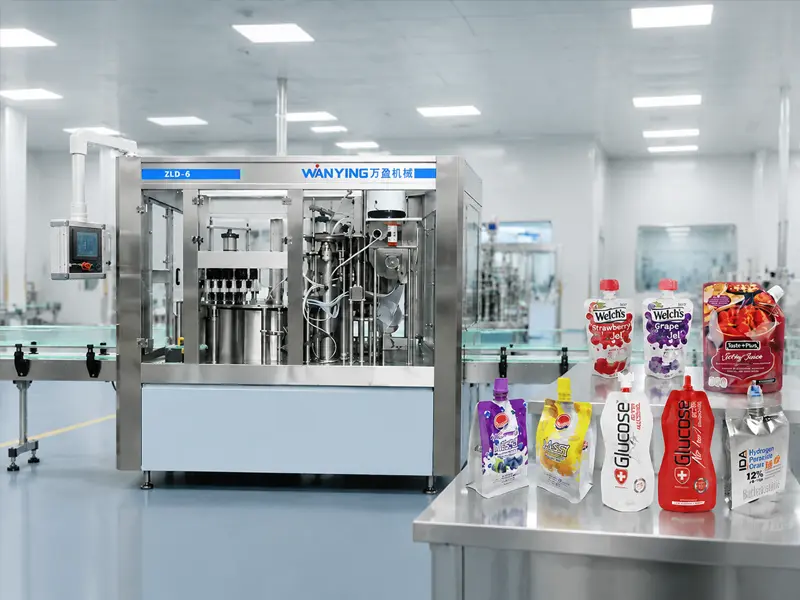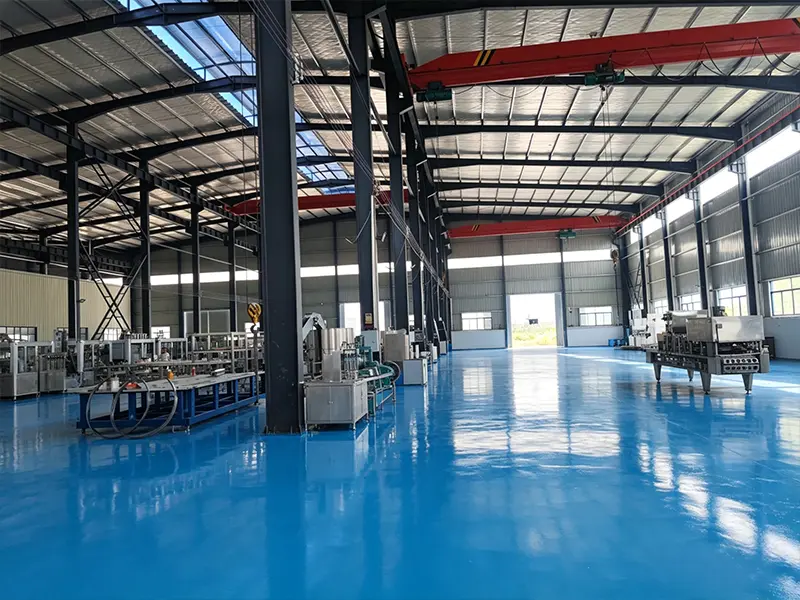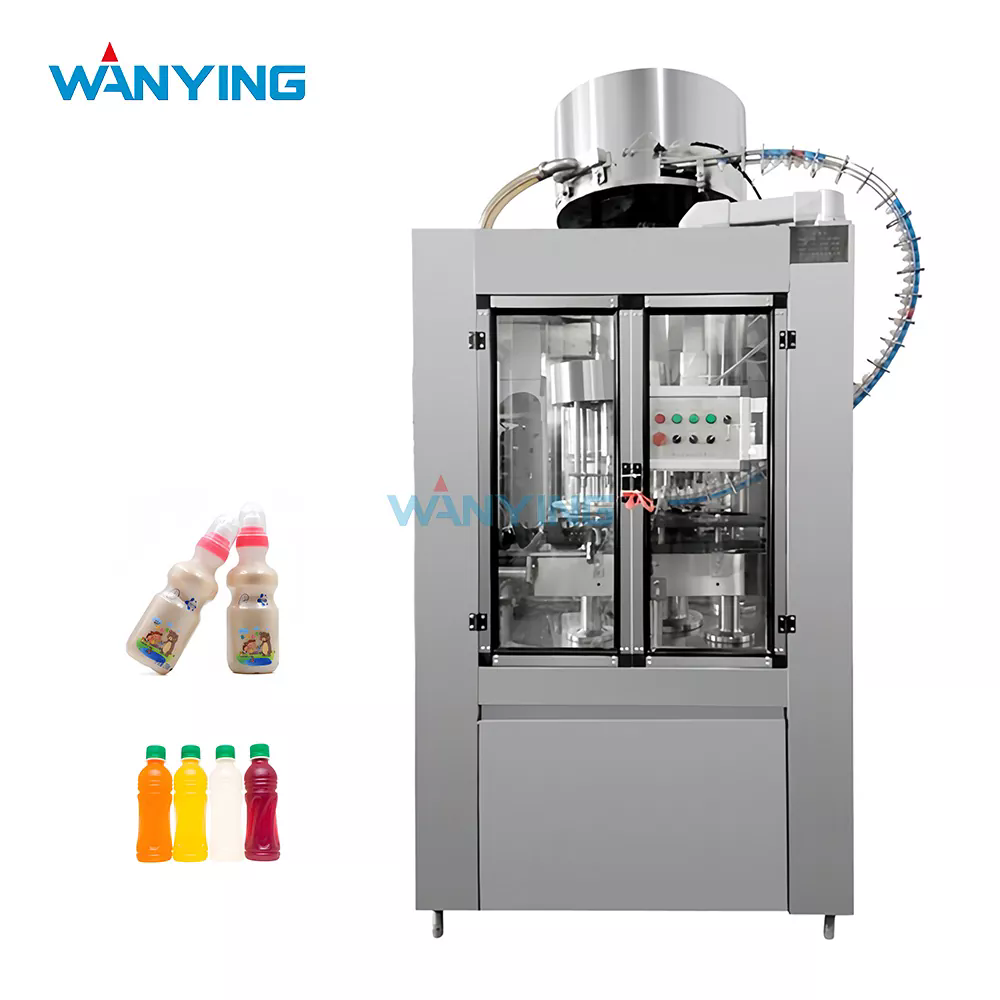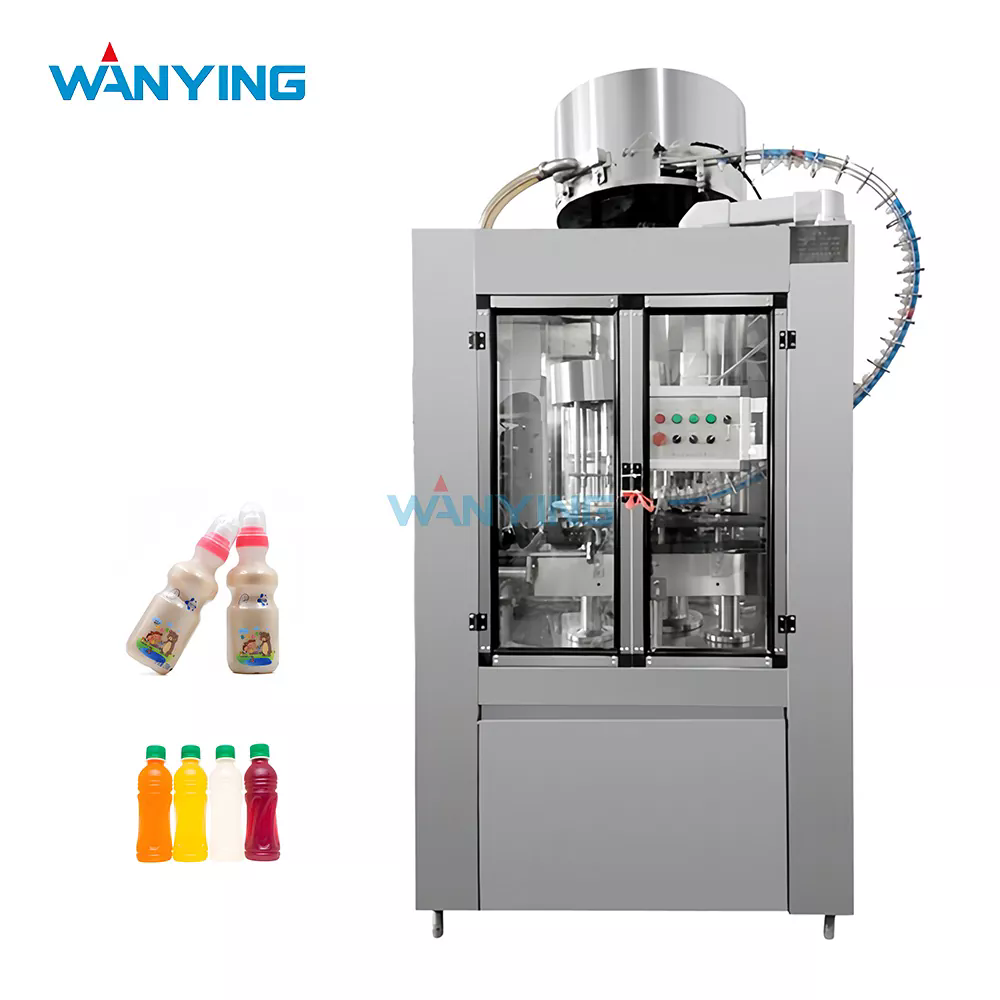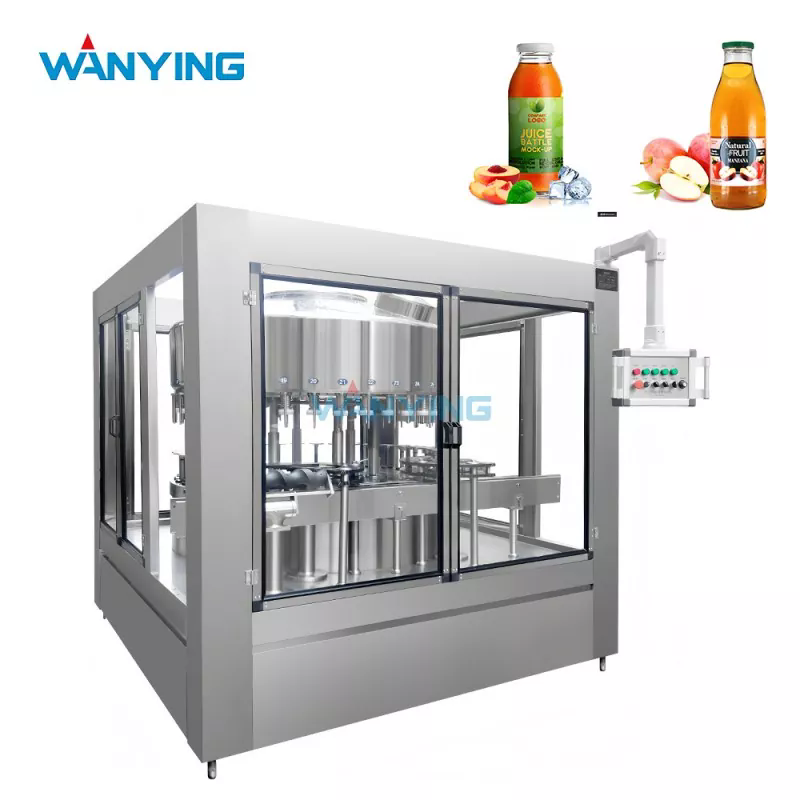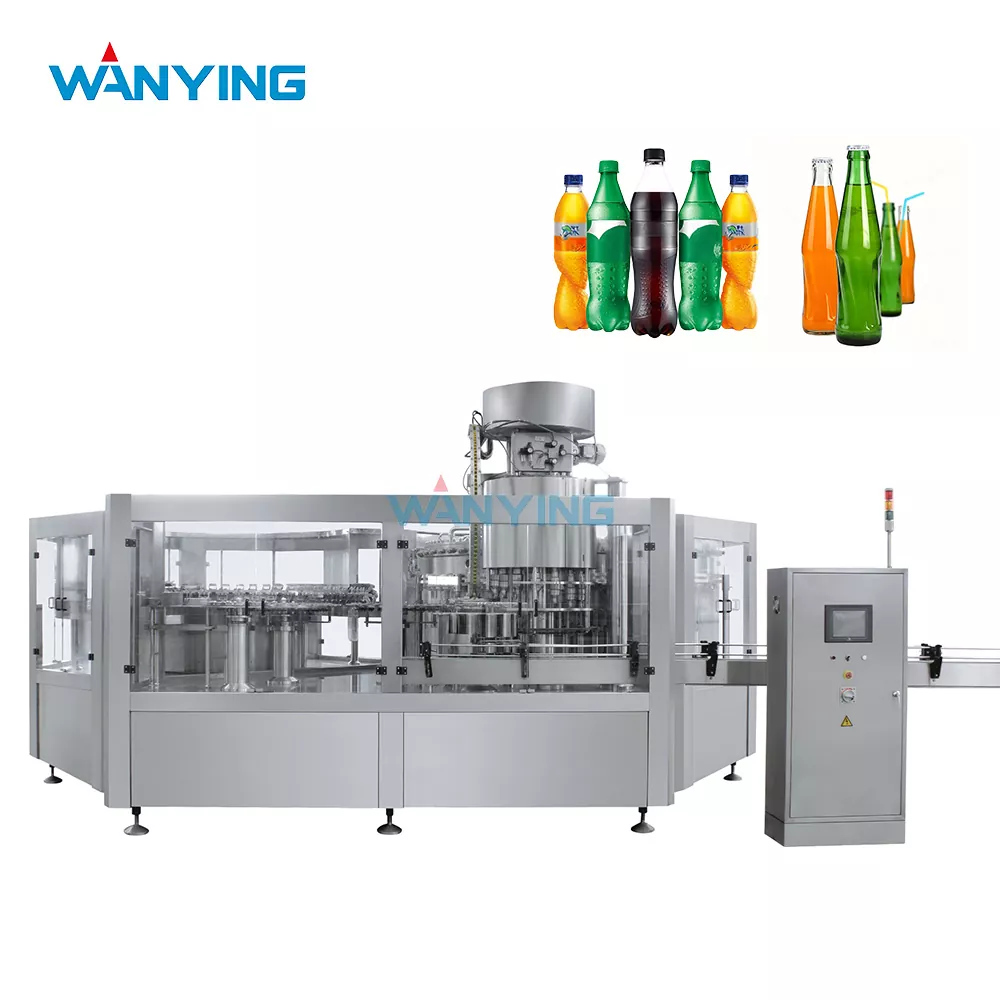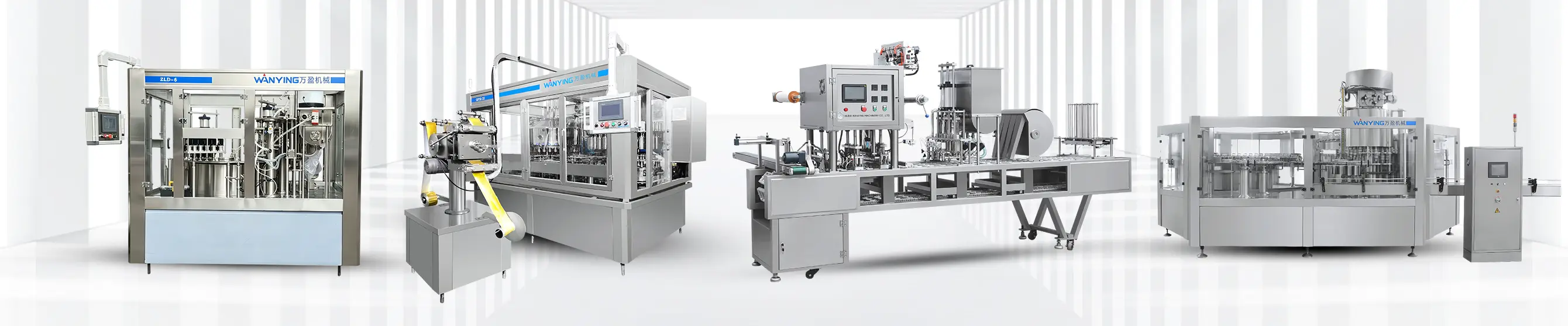
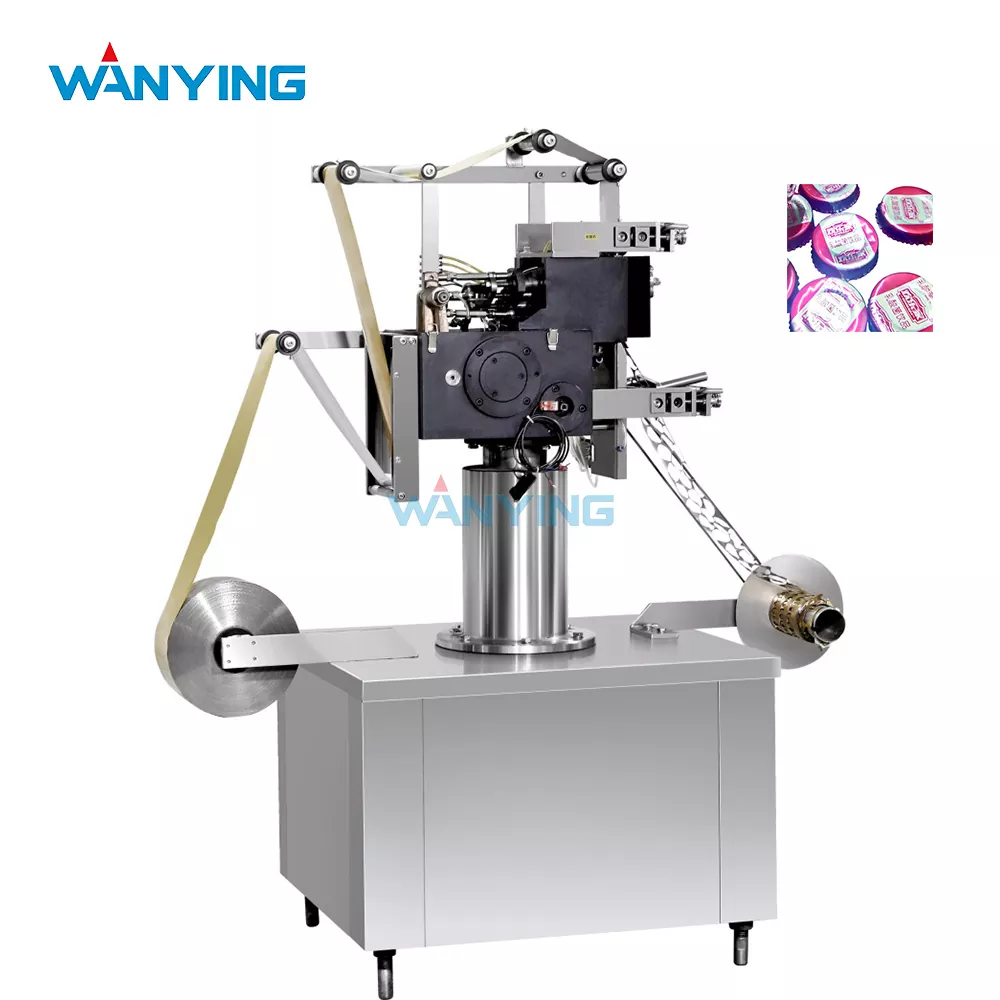
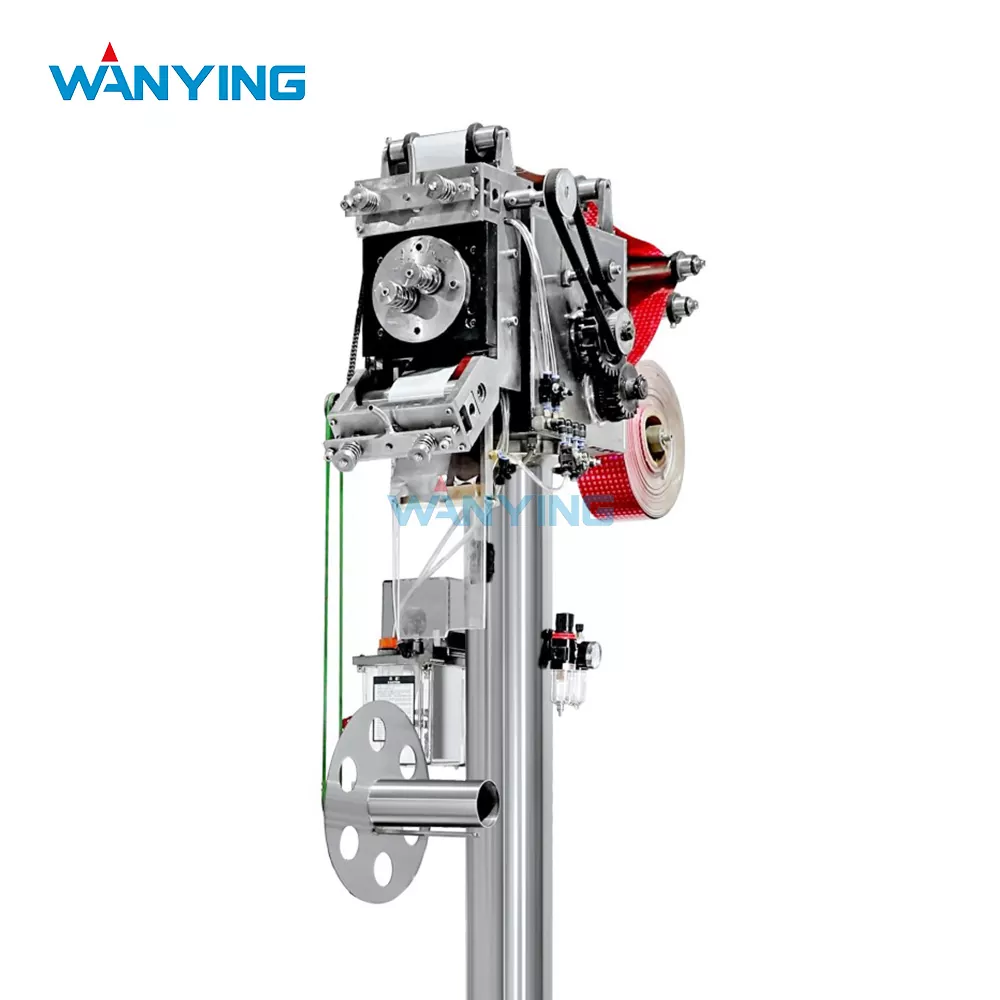
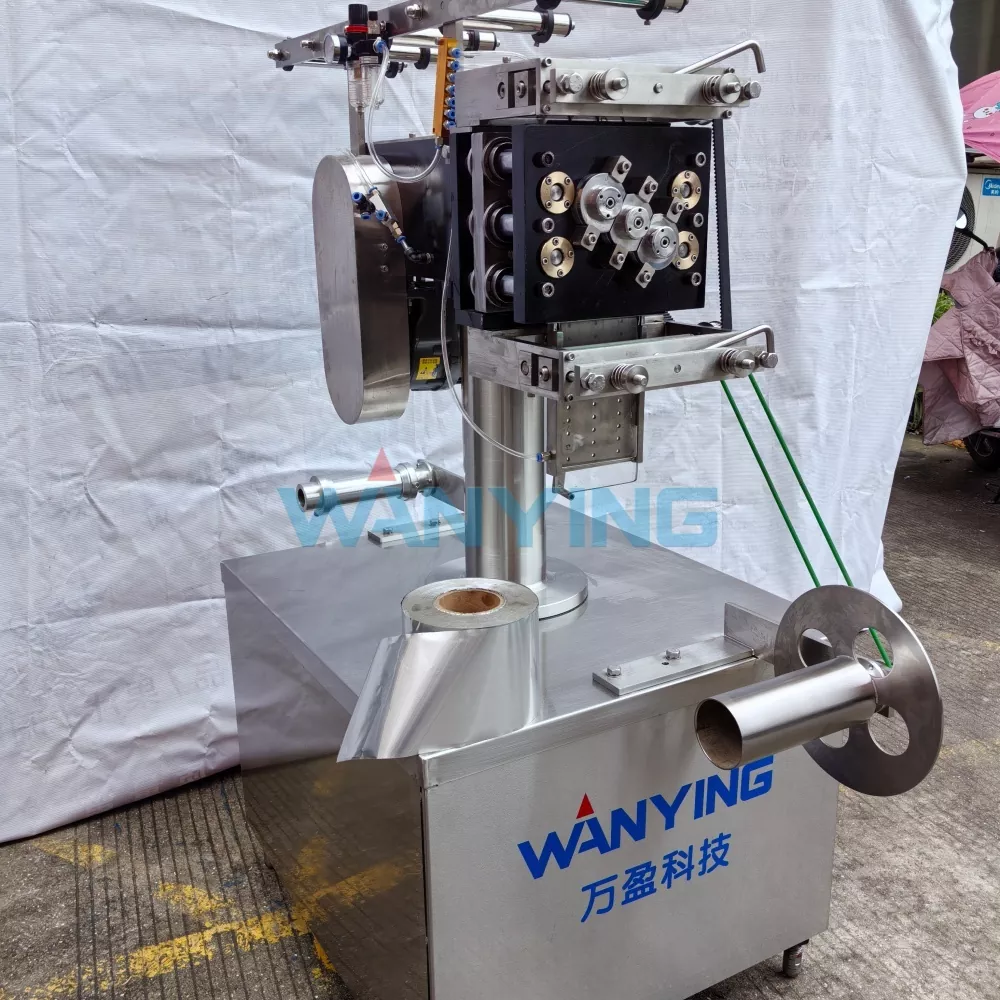
Our Fully Automatic Cap Making Machine addresses the entire production cycle from raw material feeding to finished cap ejection, incorporating precision mold temperature control, servo-driven clamping, and integrated vision inspection to ensure every cap meets dimensional and functional specifications. Designed for 24/7 continuous operation with minimal manual intervention, this machine offers closure manufacturers and in-house cap production lines a reliable, cost-effective alternative to relying on third-party cap suppliers. With changeover capabilities that accommodate screw caps, snap-on lids, press-on closures, and tamper-evident rings across a range of diameters (18–120 mm), the Wanying cap making machine delivers the flexibility and output consistency that modern food processors demand. Backed by our extensive experience in filling line integration, we ensure that the caps produced are perfectly matched to your capping equipment, eliminating misalignment, cross-threading, and leakage issues that plague poorly matched closures.
A fully automatic cap making machine transforms raw plastic pellets (typically PE, PP, or PET) into finished closures through a continuous, automated process. The Wanying system operates on either injection molding or compression molding principles, depending on your production volume and cap design requirements:
Injection Molding – molten plastic is injected into a multi-cavity mold under high pressure, cooled, and ejected. Ideal for complex cap designs with internal threads, tamper-evident bands, or integrated liners. Our injection models feature 48–128 cavities, producing up to 35,000 caps per hour.
Compression Molding – molten plastic is extruded as a precise "parison" (dough-like slug), placed into a rotating mold turret, and compressed into shape. Preferred for high-volume, thin-walled caps (e.g., beverage water caps) where material savings and faster cycle times are priorities. Our compression models achieve 50,000–80,000 caps per hour with 64–96 cavities.
Both platform variants include:
· Integrated color mixing and dosing – for producing colored caps without pre-colored pellets
· Hot-runner mold temperature control – ±1°C precision to ensure consistent shrinkage
· Servo-driven ejection and take-out – minimizes cap deformation during demolding
· In-line vision inspection – detects flash, short shots, dimensional deviations, and missing tamper-evident rings
· Automatic counting and packaging integration – outputs directly to bagging, boxing, or bulk conveying systems
|
Feature |
Benefit |
|
High cavity count |
Maximizes output per square meter of floor space |
|
Rapid mold changeover |
Quick-release clamping system allows family mold swaps in under 30 minutes |
|
Energy-efficient servo drive |
Reduces power consumption by 25–35% compared to hydraulic equivalents |
|
Integrated quality assurance |
Real-time rejection of non-conforming caps prevents downstream capping issues |
|
Material flexibility |
Process PE, PP, PET, and biodegradable PLA with minimal hardware changes |
|
Direct line integration |
Can be coupled with conveyor systems feeding directly to your filling and capping line |
|
Data reporting |
PLC-based production logging with OEE (Overall Equipment Effectiveness) tracking |
|
Parameter |
Specification |
|
Clamping force |
180–350 tons (depending on mold size) |
|
Injection pressure |
1,500–2,200 bar |
|
Cavity count |
48, 64, 96, or 128 (customizable) |
|
Cap diameter range |
18–120 mm |
|
Cap height range |
8–60 mm |
|
Cycle time |
5–12 seconds (depends on cap weight and material) |
|
Output capacity |
Up to 35,000 caps/hour (for 96 cavities, water cap design) |
|
Plasticizing capacity |
120–350 kg/hour |
|
Mold temperature control |
Water or oil-circulated, ±1°C |
|
Control system |
Siemens PLC with 10" HMI touchscreen |
|
Material hopper capacity |
300 kg, with vacuum drying option |
|
Machine weight |
8,500–14,000 kg (model-dependent) |
Cap making is a specialized discipline within plastics processing. The tolerances for a well-functioning closure are remarkably tight: thread profiles must match capping machine chucks, tamper-evident bridges must break at consistent torque, and sealing surfaces must be perfectly flat to prevent micro-leaks. Wanying's engineering team brings over 15 years of experience in closure production, initially developing cap making machines for our own filling line clients who struggled with inconsistent third-party caps.This experience has taught us what matters most in real production environments:
· Shrinkage compensation – different polymers shrink at different rates as they cool. We program mold dimensions to account for this, ensuring that a cap that measures 28.20 mm at ejection becomes exactly 28.00 mm at room temperature—the precise thread diameter required by most capping machines.
· Venting design – trapped gas in the mold can cause burn marks or incomplete filling. Our mold ventilation systems are engineered to channel gases away without creating flash.
· Cooling channel optimization – uneven cooling causes warpage. We use conformal cooling channels (3D-printed in high-end molds) that follow the cap contour, ensuring uniform solidification.
· Gate location selection – the point where molten plastic enters the cavity affects cap strength and cosmetic appearance. Our tooling engineers simulate fill patterns using Moldflow software to identify the optimal gate position for each cap design.
The mold is the single most critical component in cap making. Wanying offers two mold sourcing pathways:
· In-house mold manufacturing – our tool room is equipped with 5-axis CNC machines, wire EDM, and precision surface grinders, allowing us to produce molds. We use hardened tool steel (H13 or equivalent) with wear-resistant coatings (TiN or DLC) for high-cavity-count applications.
· Partner mold specialists – for extremely complex cap designs (e.g., dual-color closures, caps with integrated gaskets), we collaborate with specialized mold makers who focus exclusively on closure tooling.
In both cases, we guarantee:
· Cavity-to-cavity variation of less than 0.02 mm on critical dimensions
· Surface finish of Ra ≤ 0.4 µm on sealing surfaces
· Mold life of at least 5 million cycles between major overhauls
Our integrated inspection and rejection system operates at full production speed, using:
|
Inspection Station |
Technology |
Defects Detected |
|
Visual inspection 1 (top) |
High-speed camera + AI-based imaging |
Contamination, discoloration, short shots, gate vestige height |
|
Visual inspection 2 (bottom) |
Backlit imaging |
Flash, incomplete thread formation, missing tamper band |
|
Dimension check |
Laser micrometer |
Outer diameter, height, ovality |
|
Seal surface check |
Contactless optical profilometer |
Flatness, surface defects on sealing area |
|
Torque test (sampling) |
Automated torque tester (1 cap every 100) |
Friction fit consistency |
Non-conforming caps are automatically diverted to a rejection chute; the system logs the rejection reason and count, alerting operators if rejection rates exceed configurable thresholds.
Raw material quality directly impacts cap consistency. Our machine includes:
· Vacuum conveying system – draws pellets from gaylord boxes or silos to the machine hopper
· Desiccant dryer – reduces moisture content to below 0.02% (critical for PET and PLA)
· Color dosing unit – adds masterbatch at 1–5% ratio, with ±0.2% accuracy for color consistency
· Crystallizer – optional for PET preforms, increases material density and reduces cycle time
We also offer reclaim systems that grind and reintroduce sprue and runner scrap (from injection molding) back into the process at controlled percentages (typically 15–25%), reducing material waste and cost.
The Wanying cap making machine uses servo-electric drives for clamping and injection (injection models) or for turret rotation and compression force (compression models). Compared to traditional hydraulic machines:
· Average power consumption: 22–35 kWh per 1,000 caps (vs. 40–55 kWh for hydraulic)
· Standby mode reduces energy use by 70% during idle periods between production runs
· Regenerative braking recovers energy during deceleration cycles
Cap making machines often operate in rooms shared with filling and packaging lines, where floor space is at a premium. Our design minimizes footprint without sacrificing service access:
|
Feature |
Benefit |
|
Compact base frame |
Machine width ≤ 2.5 m for most models |
|
Overhead-mounted hopper |
Saves floor space, easy material loading |
|
Integrated cooling tower |
Optional, eliminates separate chiller placement |
|
Cable and pipe management |
All utilities routed through floor channels or overhead trays |
Running 24/7 in a food plant environment means noise must be controlled. Our machine features:
· Enclosed safety guarding with acoustic foam lining
· Vibration-damping machine feet
· Low-noise servo motors (≤75 dBA at 1 m distance)
A large dairy producer was spending over ¥2.8 million annually on caps for their 500 mL yogurt drink bottles, purchased from three different external suppliers. Quality was inconsistent—some batches had tight threads causing capping machine jams; others had loose seals leading to leakage complaints. The lead time of 3–4 weeks also made production planning difficult when new promotional cap colors were needed.Wanying Solution:
· Installed a 96-cavity injection molding cap making machine with quick-color-change system
· Molds designed for a 28 mm PCO-style neck finish with tamper-evident band
· Integrated vision inspection and automatic bagging station
· Material: food-grade HDPE with 2% white masterbatch (yellow masterbatch added for seasonal promotions)
Results (12 months in operation):
· Cap cost reduced by 34% (from ¥0.082 to ¥0.054 per cap)
· Cap quality consistency: zero capping machine stoppages attributed to cap defects
· Lead time for promotional color caps: 2 hours (vs. 3 weeks previously)
· Production capacity: 38,000 caps/hour, exceeding the dairy's peak demand of 30,000 bottles/hour
· ROI: achieved in 9 months
· Additional benefit: the dairy now supplies surplus caps to two other local producers, generating an additional revenue stream
This company produces caps for multiple food and beverage brands on a contract basis. They required a cap making machine that could change over between 28 mm, 38 mm, and 55 mm cap sizes multiple times per day, often running different colors for different clients.Wanying Solution:
· 64-cavity injection model with quick-mold-change (QMC) system
· Family mold set (three interchangeable insert sets) for each diameter
· Automated color dosing with 5-material selector to switch masterbatches without purging runs
· Recipe storage for 50 cap configurations (diameter, color, weight, cycle time)
Performance over 18 months:
· Average daily changeovers: 4.2 (max 7 in a day)
· Average changeover time: 24 minutes (including mold warm-up)
· Total production: 28.6 million caps
· Scrap rate: 1.2% (industry average for similar operations is 2.5–3.5%)
· Customer satisfaction rating from their clients: 4.8/5 (previous supplier rating: 3.4/5)
· The company expanded their customer base by 8 new brand contracts, citing improved cap consistency as a competitive advantage
A producer of kombucha and fermented plant-based beverages needed caps with specific oxygen barrier properties and a tamper-evident ring that breaks cleanly (without leaving sharp edges). Their existing cap supplier could not achieve the required ring break pattern at the necessary production volume.Wanying Solution:
· Compression molding cap making machine with 72 cavities (preferred for barrier resin grades that degrade under injection shear)
· Molds with engineered gate geometry to produce a "clean-break" tamper band
· In-line annealing station to relieve internal stresses in the cap, preventing cracking during storage
Outcomes:
· Cap oxygen transmission rate (OTR) consistently below 1.2 cc/m²/day (target was <1.5)
· Tamper ring break test: 100% passed the "clean break" criterion (no sharp edges, no partial breaks)
· Production output: 65,000 caps/hour, more than sufficient for the company's expanding market
· The client's own customers reported improved ease-of-opening—a key factor in the premium kombucha market
· After 15 months, the client ordered a second compression machine to support a new product line in a larger bottle format
This producer of premium soy sauce and oyster sauce in 500 mL glass bottles needed tamper-evident screw caps in a custom dark brown color. Their previous external supplier struggled with color batch-to-batch variation, resulting in mismatched caps that looked unprofessional on retail shelves.Wanying Solution:
· 48-cavity injection machine for heavier wall caps (glass bottles require stronger closure rigidity)
· In-line color spectrophotometer that adjusts masterbatch dosing in real time to maintain ΔE < 0.5 (virtually invisible to the human eye)
· Post-mold trimming station removes any flash from the cap skirt
Measurable improvements:
· Color consistency: ΔE of 0.3–0.5 (industry standard for premium products is ΔE < 1.0)
· Cap weight consistency: ±0.08 g (previous supplier variation was ±0.25 g)
· Seal performance: zero leakage in a 72-hour invert test (simulating shipping conditions)
· Consumer complaint reduction: "cap quality" complaints dropped from 2.3% of calls to near zero
· The producer now features "our own caps, color-matched to our heritage label" as a marketing point on their premium product line
|
Task |
Frequency |
Estimated Time |
|
Lubricate moving joints and slides |
Weekly |
15 min |
|
Inspect heater bands and thermocouple connections |
Weekly |
20 min |
|
Clean mold venting slots |
Shift-end (daily) |
10 min |
|
Check vision system optics and lighting |
Daily |
5 min |
|
Change hydraulic oil (if hydraulic model) |
Annually |
2 hours |
|
Replace hot-runner heater components |
Every 2 years |
4 hours |
|
Full mold disassembly and cleaning |
Every 5 million cycles |
8 hours |
As a direct manufacturer, Wanying maintains:
· A complete inventory of standard wear parts (heating elements, sensors, seals, belts) at our Hubei facility
· CAD files and spare-part drawings for every machine, enabling rapid replacement fabrication if needed
· Exchange mold service – we can supply a reconditioned mold while your mold undergoes refurbishment, minimizing downtime
A: Changeover time depends on the extent of the change:
· Same diameter, different color – simply select the new color recipe on the HMI; the dosing system purges the previous color (approximately 100–200 caps are discarded) and stabilizes within 3–5 minutes. No mechanical changes required.
· Different diameter, same mold family – our quick-mold-change (QMC) system uses hydraulic clamping plates that release the mold insert set; the new insert set is slid in and clamped. Total time: 15–25 minutes, including mold warm-up to operating temperature.
· Completely different cap design – requires changing the entire mold (cavity and core halves). With our QMC and pre-heated mold storage, this takes 30–45 minutes for injection models and 20–30 minutes for compression models.
We provide a detailed changeover checklist and training to minimize errors. For clients running three or more format changes daily, we recommend having a dedicated changeover technician and pre-staging next-run materials.
A: The Wanying cap making machine is compatible with a wide range of thermoplastics:
· Polyethylene (PE) – HDPE and LDPE, the most common cap materials, offering excellent sealing and chemical resistance
· Polypropylene (PP) – higher temperature resistance, preferred for hot-fill applications or caps exposed to fats/oils
· Polyethylene Terephthalate (PET) – used for clarity caps; requires pre-drying (we include a desiccant dryer)
· Polylactic Acid (PLA) – biodegradable material derived from corn starch; requires specific temperature profiles and faster cycle times to prevent thermal degradation; we provide validated PLA process settings
For PLA and other biodegradable or recycled materials (PCR – Post-Consumer Recycled content up to 30%), we recommend our compression molding platform, as lower shear stress during processing is gentler on these polymers. We also offer material characterization testing during the quotation phase to confirm your chosen resin runs optimally on our equipment.
A: We understand that cap production is often the critical path in a packaging line—if caps run out, the filling line stops. Our support structure reflects this priority:
· Warranty coverage – 36 months on the machine frame and clamping unit; 24 months on servo drives and PLC; 18 months on molds (against manufacturing defects, not wear)
· Installation and commissioning – our team spends 5–8 days on-site at your factory to install, calibrate, run validation samples, and train your operators. We also conduct a mold capability study, running the machine for 8 hours non-stop to demonstrate output consistency.
· 24/7 remote support – every machine includes a 4G/5G gateway for remote diagnostics. Our engineers can access the PLC, camera system, and temperature controllers to troubleshoot alarms without waiting for an on-site visit. For critical alarms, we can send SMS notifications to your designated maintenance personnel.
· Spare parts logistics – we maintain strategic stock at our factory in China and regional warehouses in key markets. Expedited shipping (1–3 days) is available for essential components; standard shipping (5–7 days) for routine replacement items.
· Annual performance check – our service engineers visit annually (at our expense for the first year, optional thereafter) to inspect the machine, recalibrate sensors, and advise on preventive maintenance. This visit includes a full optical alignment check of the vision system and a thermal imaging scan of all electrical connections.
|
Criterion |
Wanying Capability |
|
End-to-end solution |
From mold design consultation to raw material testing to final installation and operator training |
|
Mold engineering expertise |
In-house or partnered tooling specialists; full Moldflow simulation support |
|
Quality control integration |
Vision inspection, torque testing, dimensional gauging—fully automated |
|
Line compatibility guarantee |
We will produce sample caps and test them on your actual capping machine before we ship your system |
|
Sustainable options |
PLA, PCR material processing; energy-saving servo drives; in-house recycling of reject caps |
|
Global service reach |
Our engineers serve clients across China, Southeast Asia, the Middle East, and Africa |
|
Transparent pricing |
Direct factory pricing—no hidden charges for engineering support or software configuration |
The Wanying Fully Automatic Cap Making Machine is more than a piece of plastics processing equipment—it is a strategic asset that gives food and beverage producers control over one of the most critical, yet often outsourced, components in their packaging supply chain. By producing your own caps, you gain:
· Cost reduction – lower per-unit cost compared to third-party supply, especially at high volumes
· Quality assurance – complete control over dimensions, sealing performance, and visual consistency
· Agility – promotional colors, custom designs, and small-batch trials become feasible without supplier lead times
· Supply chain resilience – no risk of production stoppages due to external supplier shortages or logistics delays
With decades of closure engineering experience, a rigorous quality framework, and comprehensive after-sales support, Wanying ensures that your in-house cap making operation runs as reliably as your filling and packaging lines. Whether you are a large-scale producer seeking cost optimization or a mid-sized business looking to reduce supply chain dependencies, our cap making machines deliver the performance, flexibility, and service needed to succeed.
Address
Xihenao Industrial Zone, Fenglin Town, Yangxin County, Huangshi City, Hubei Province, China
Tel