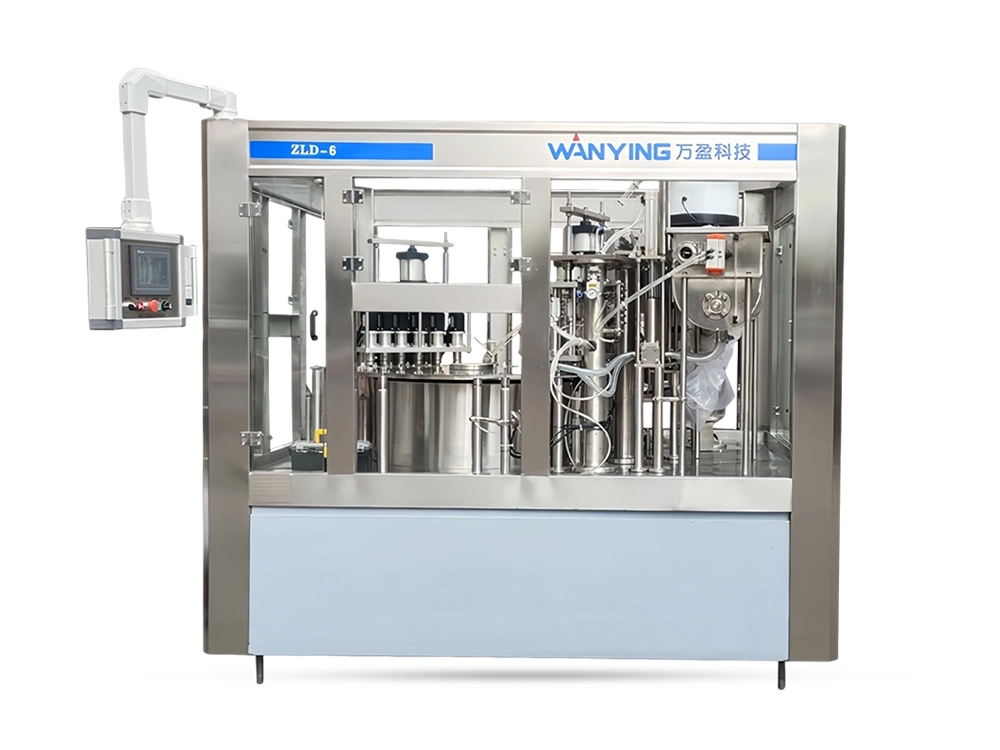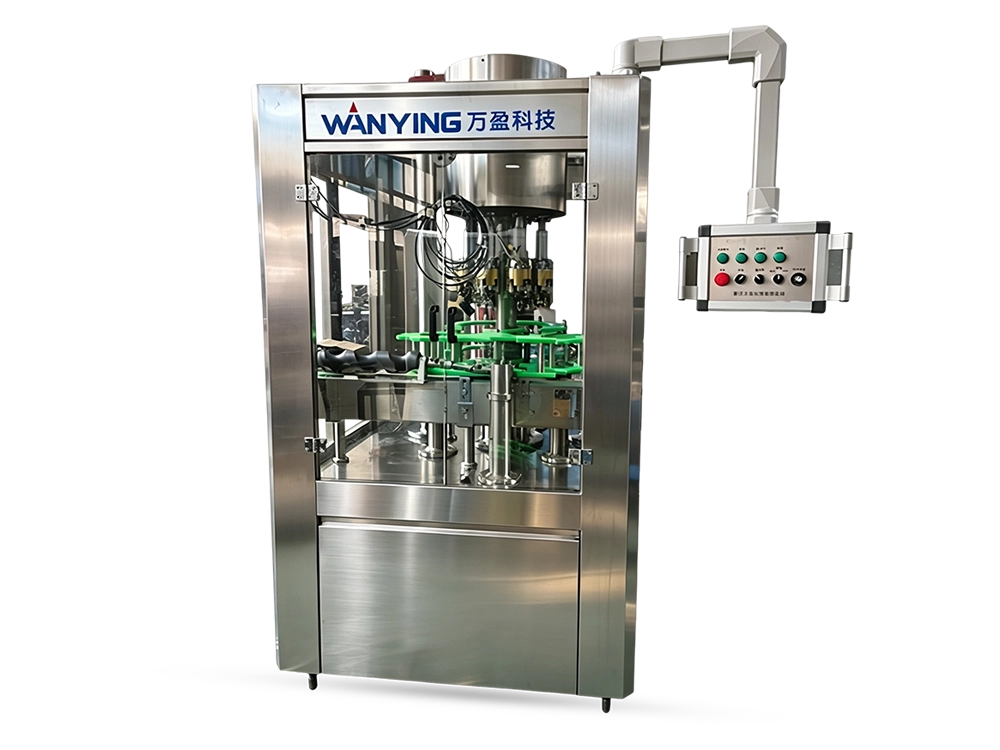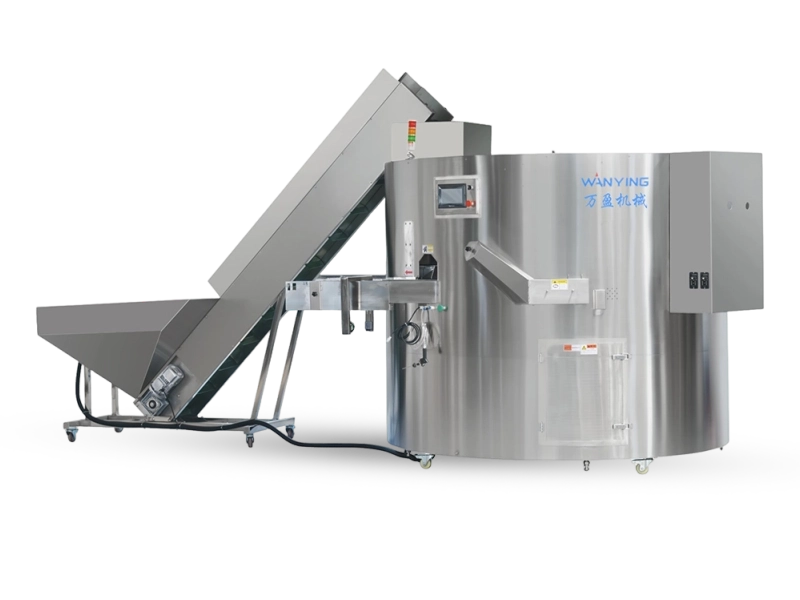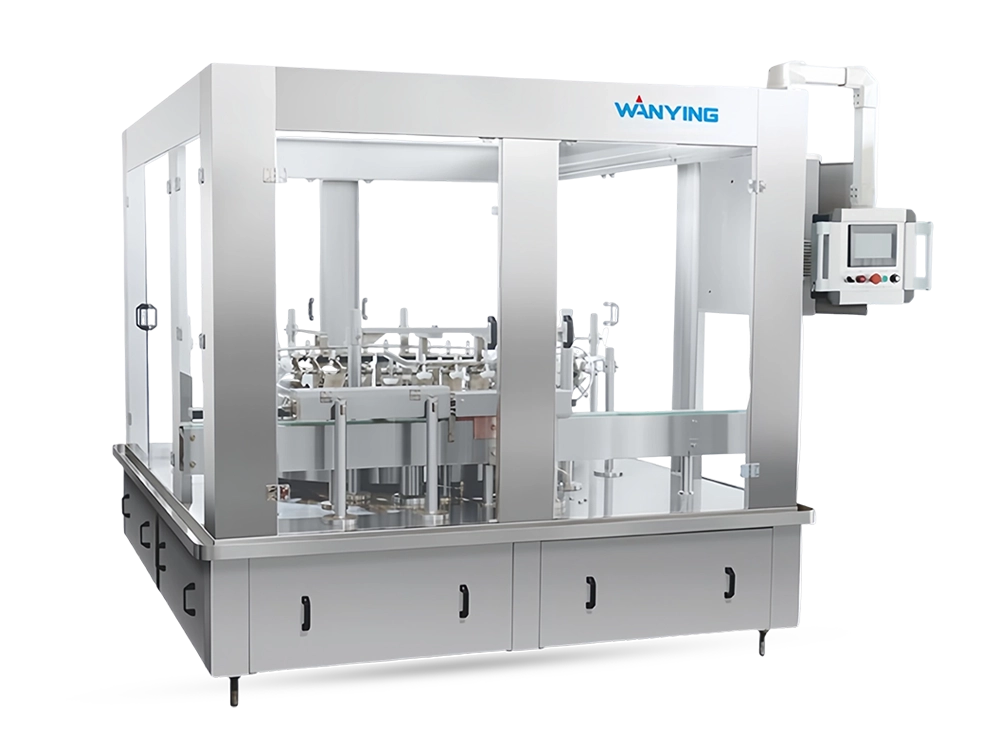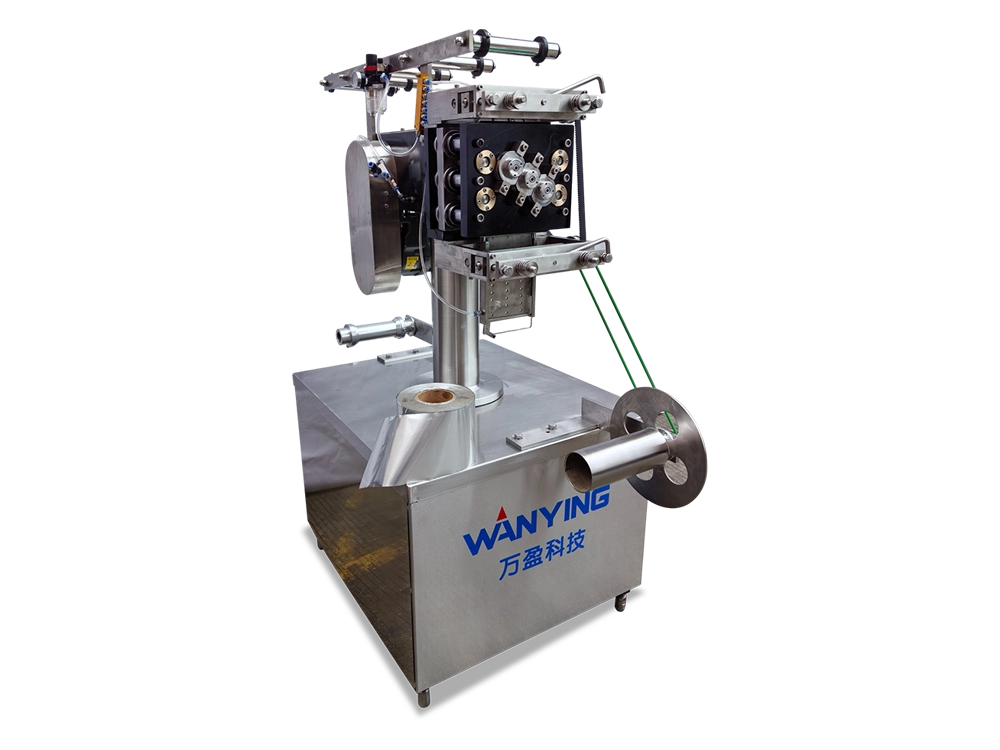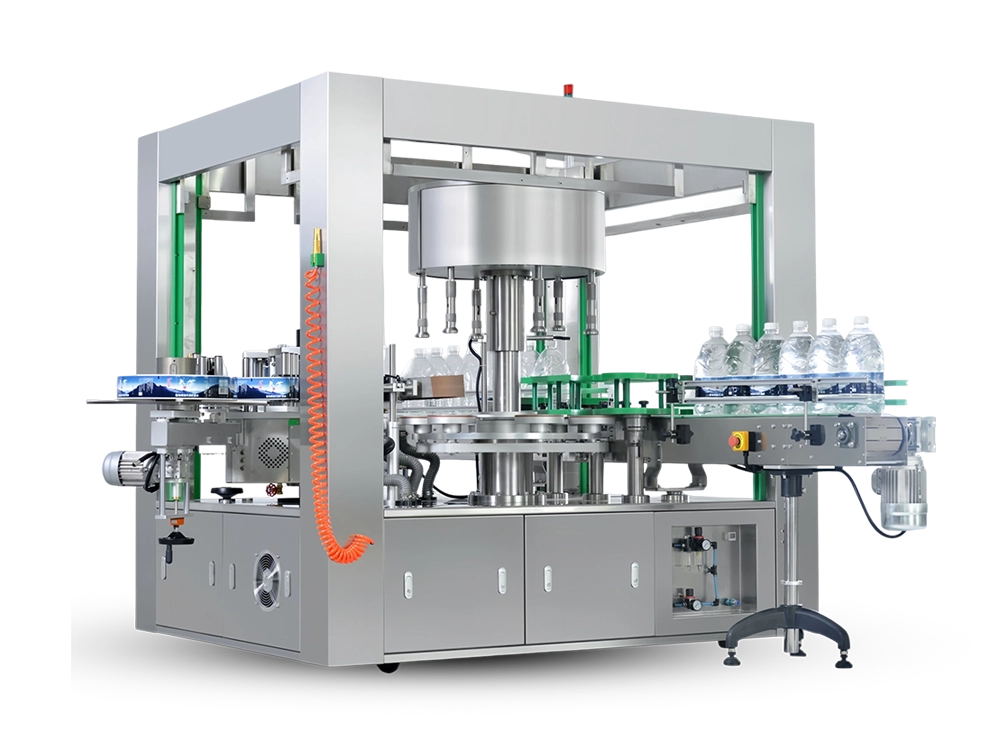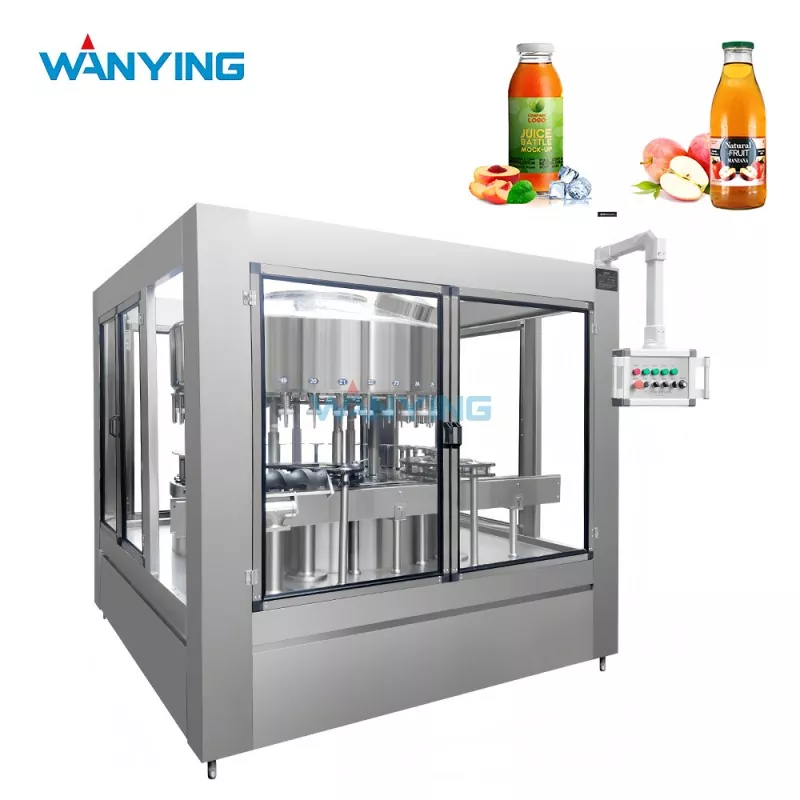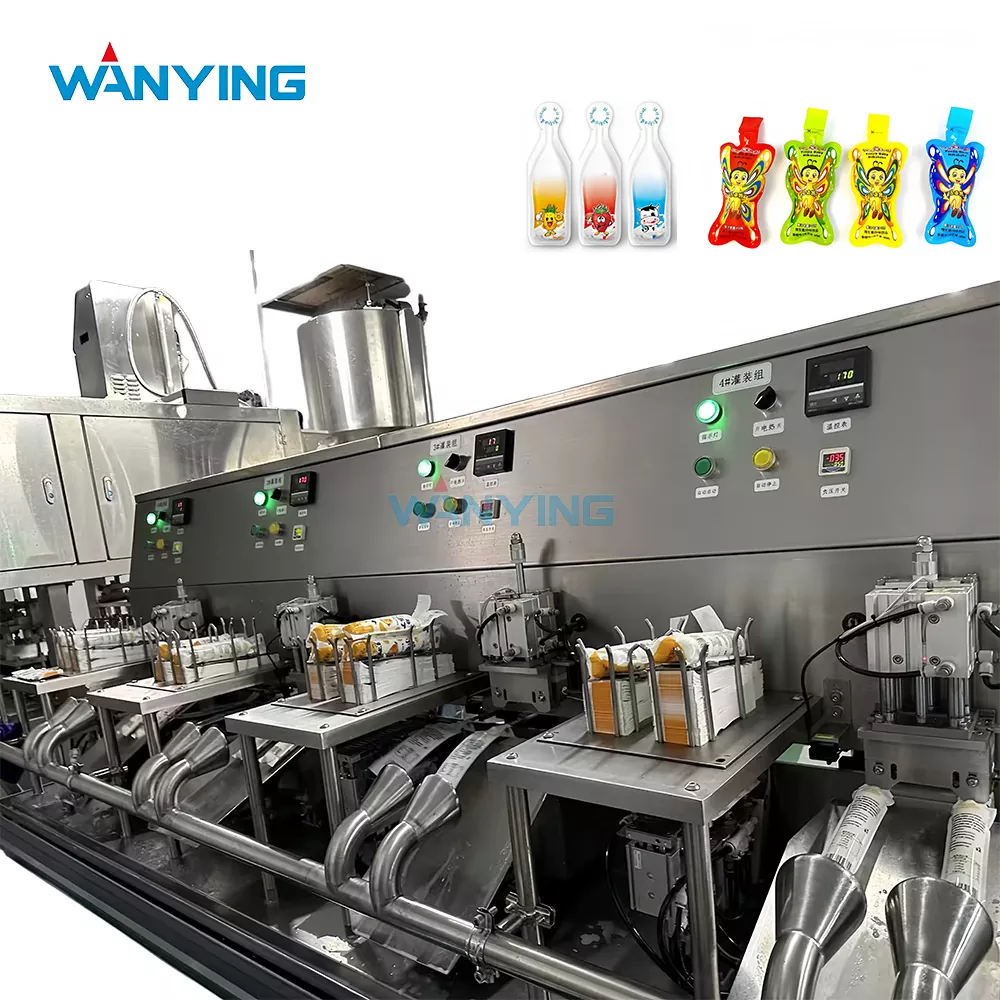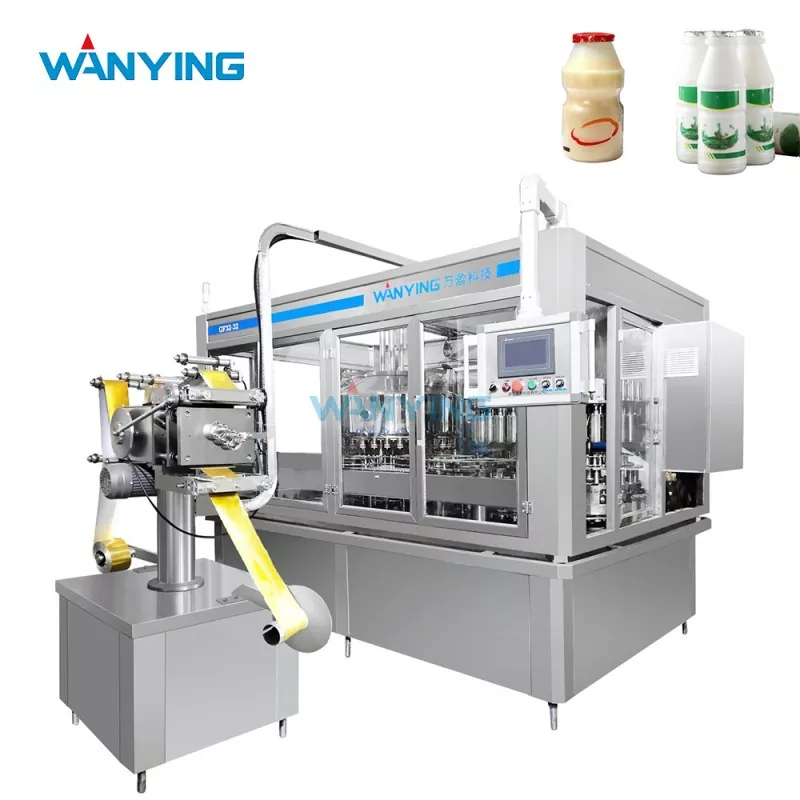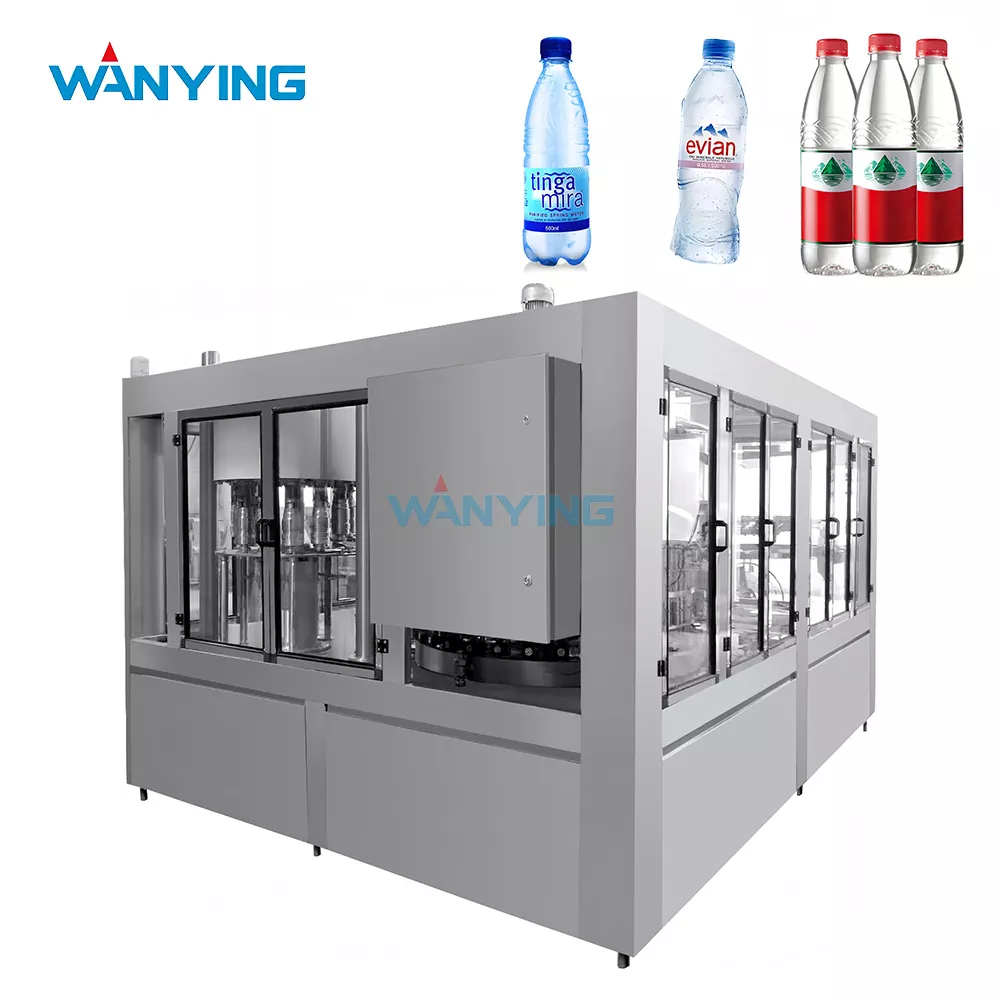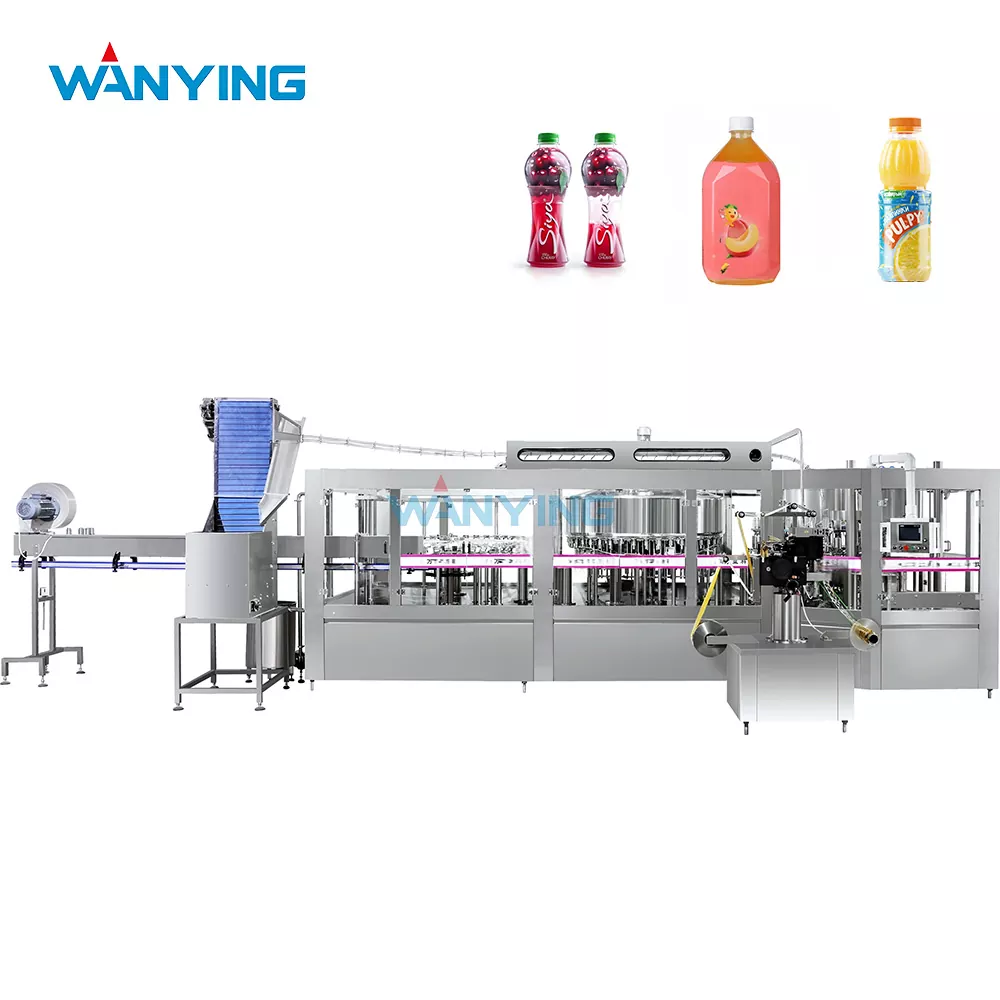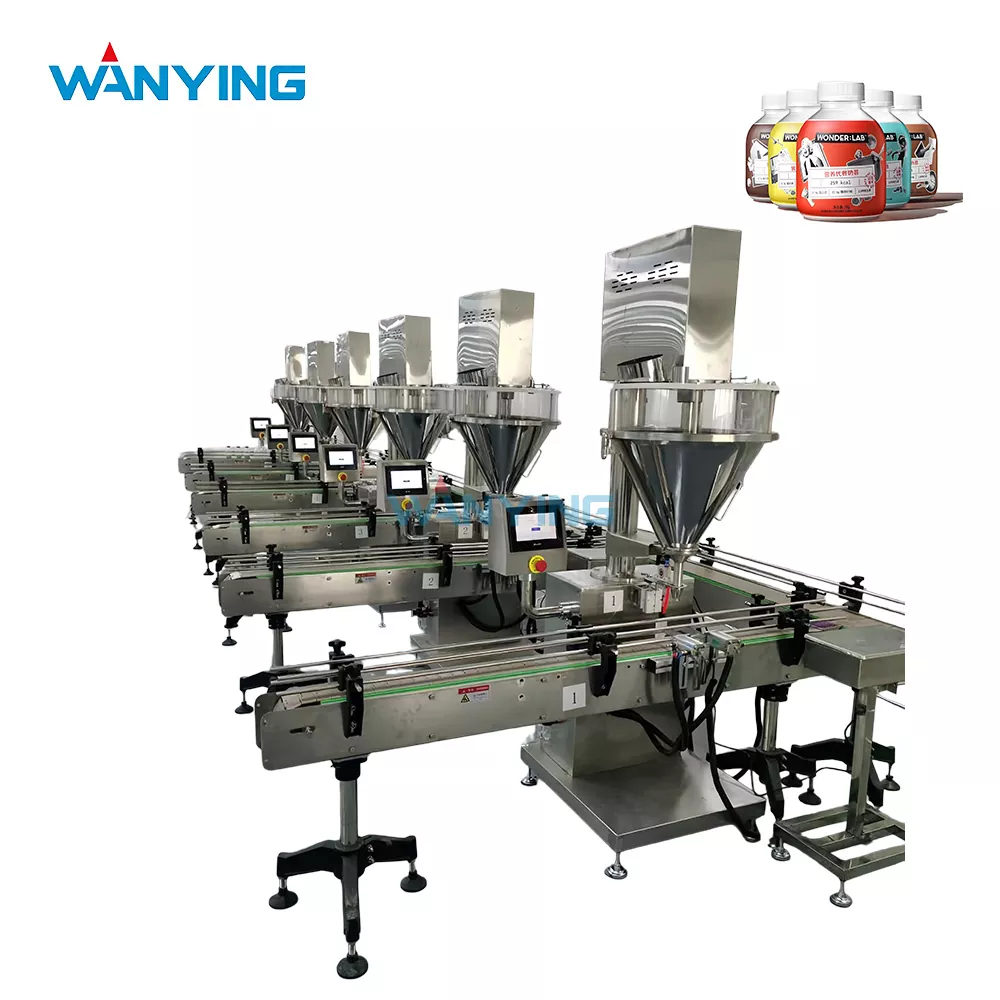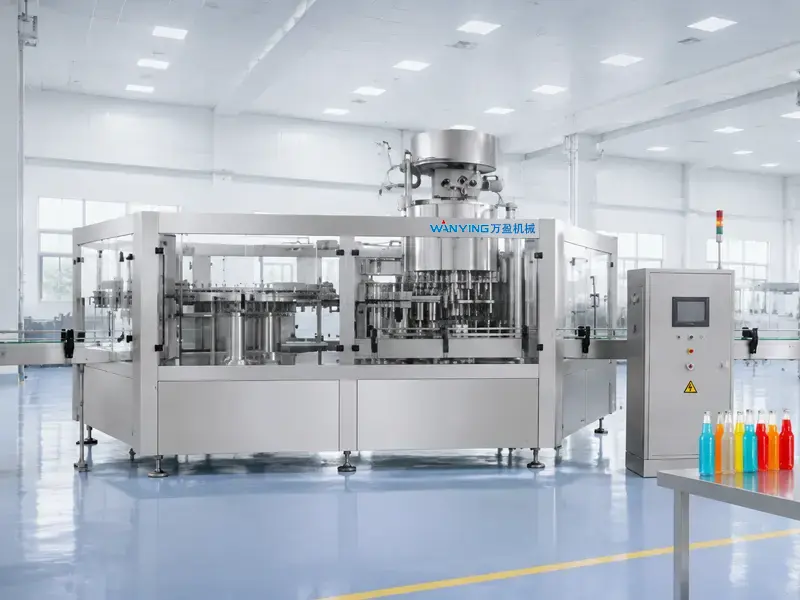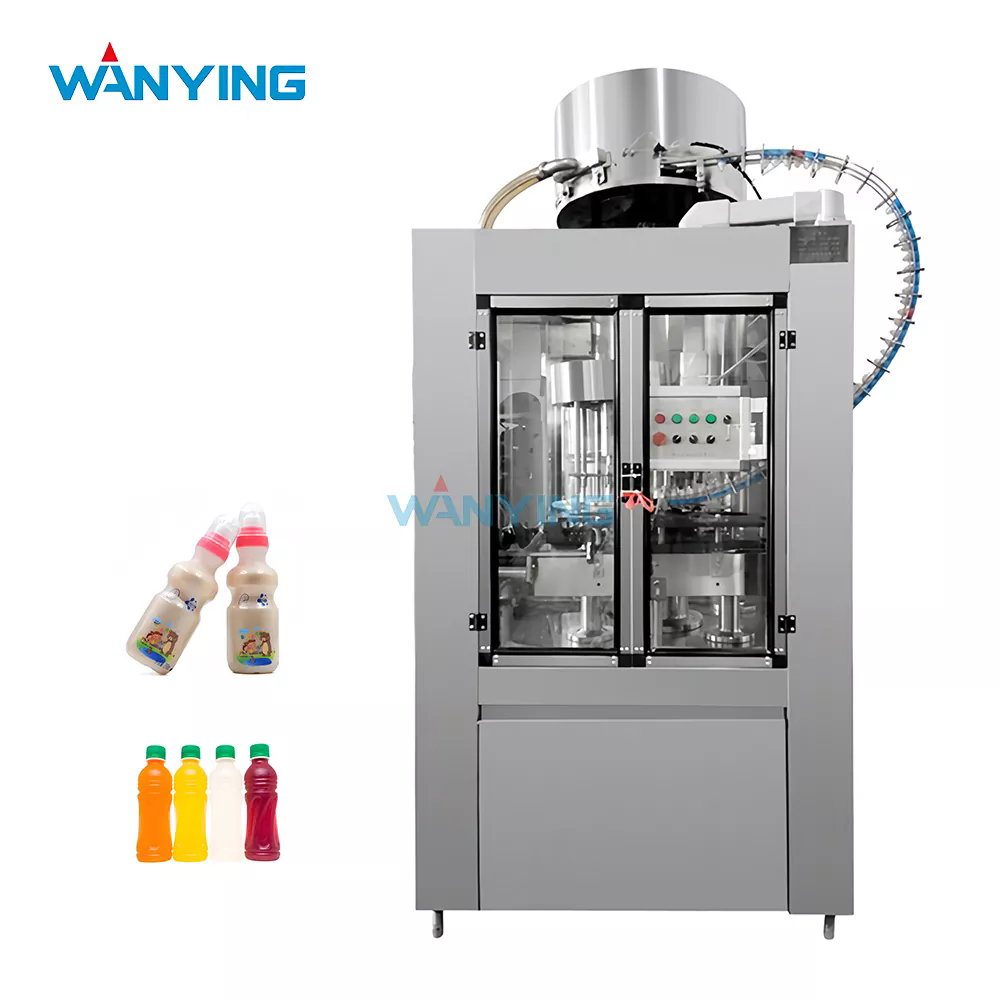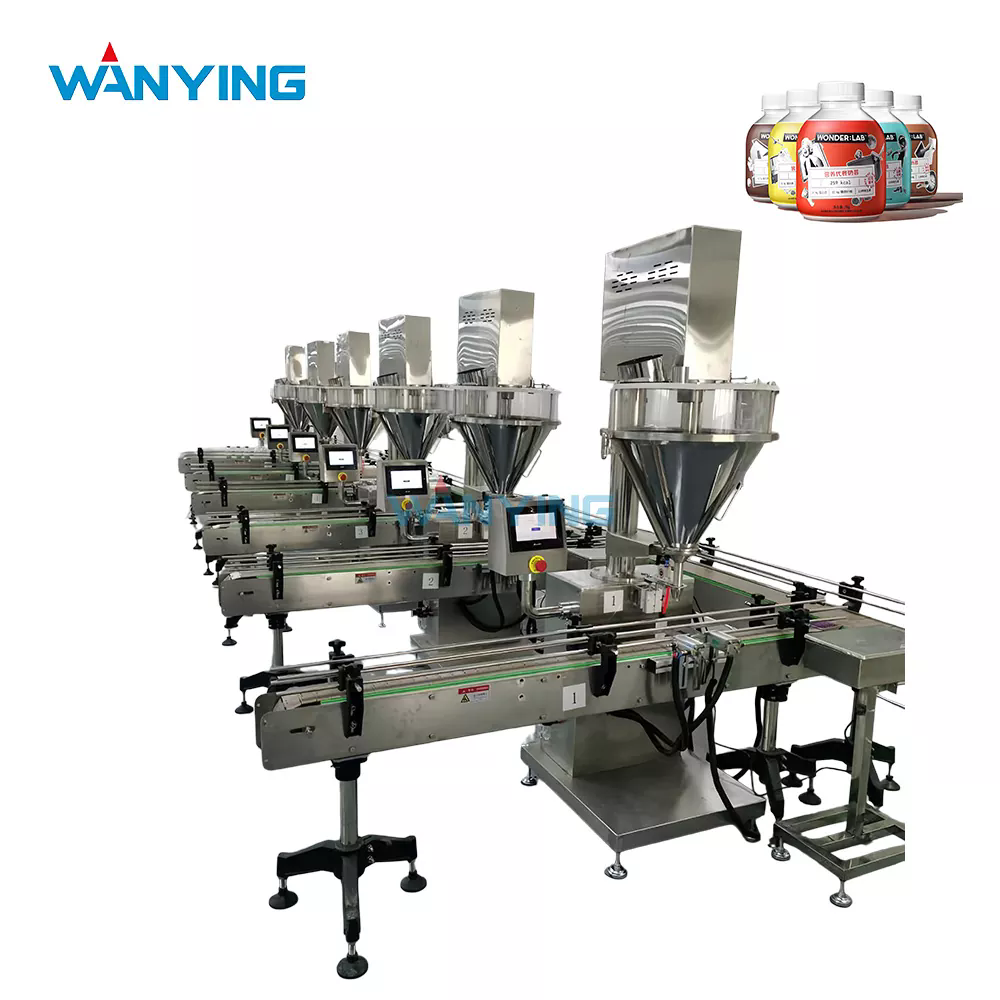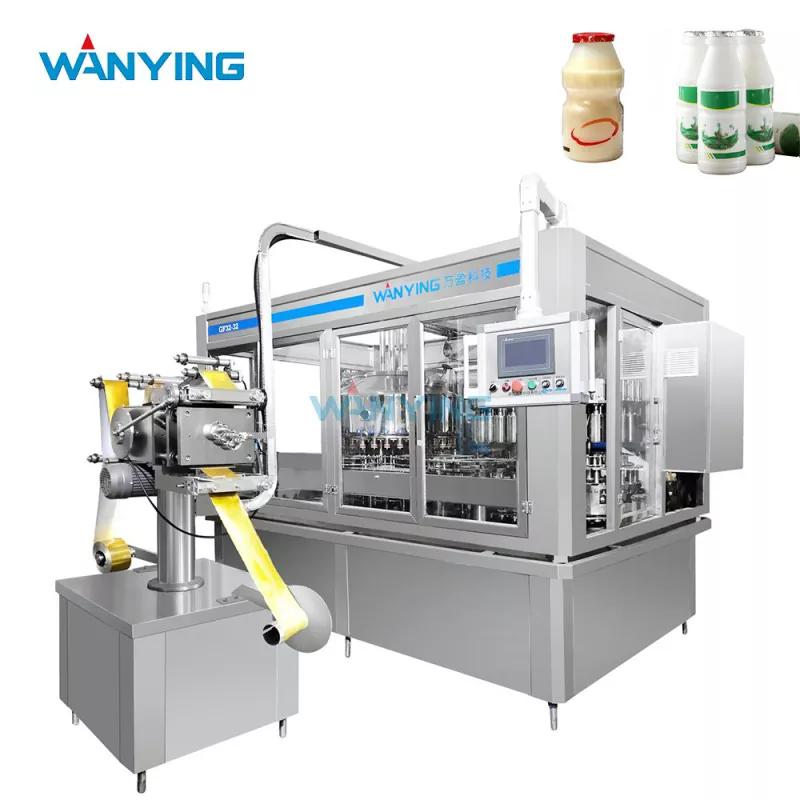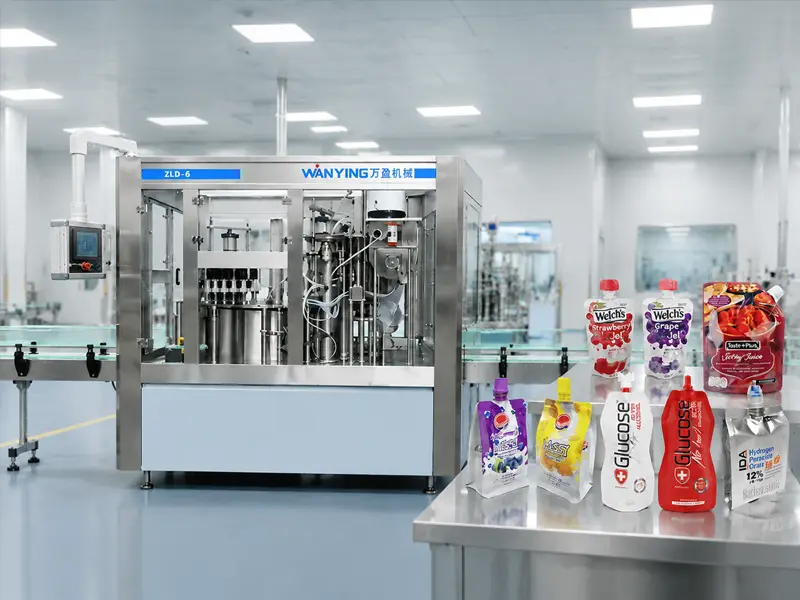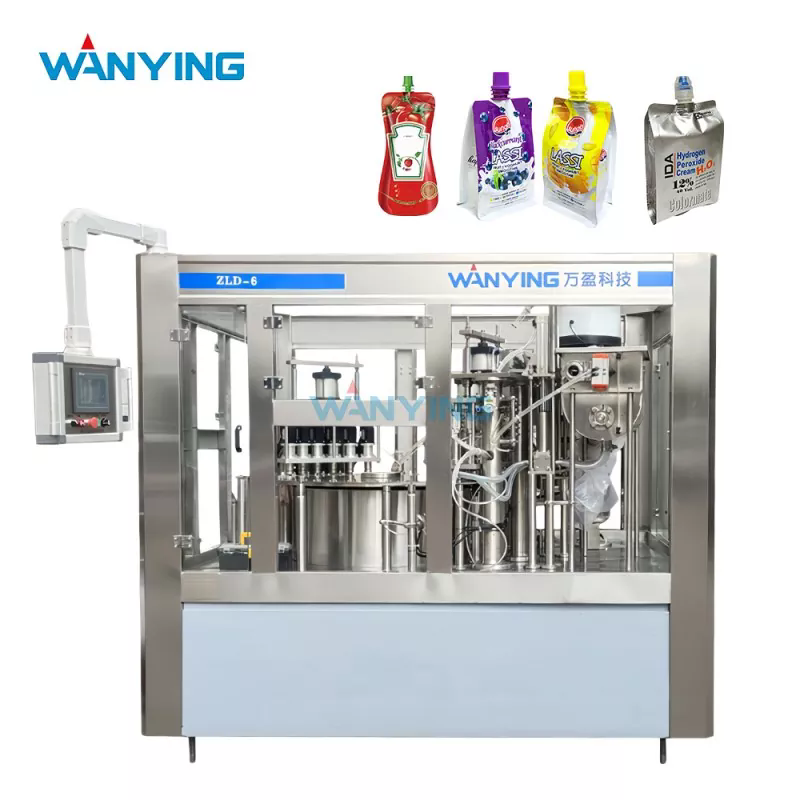
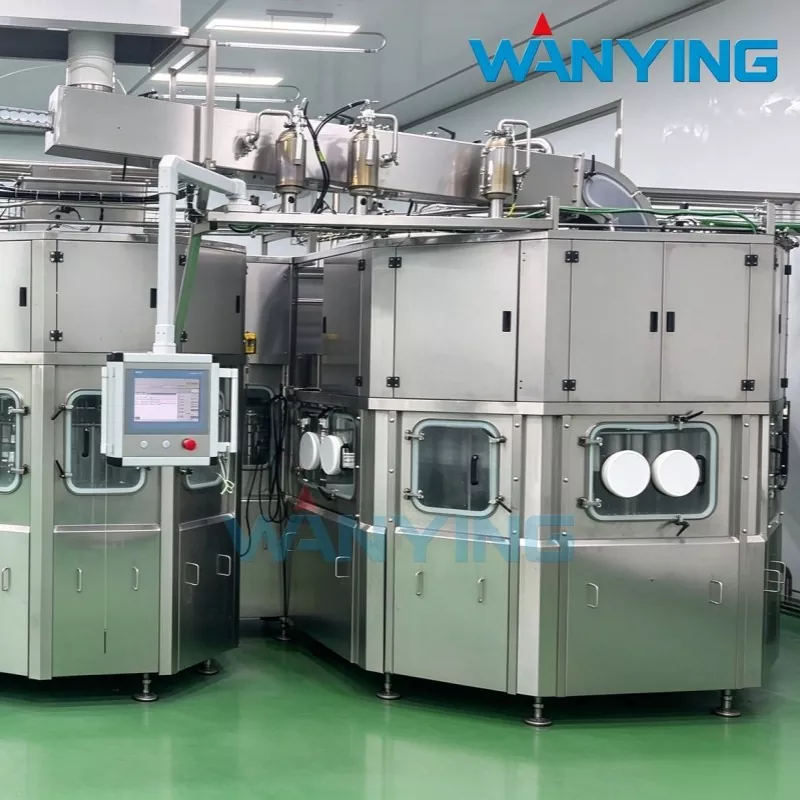
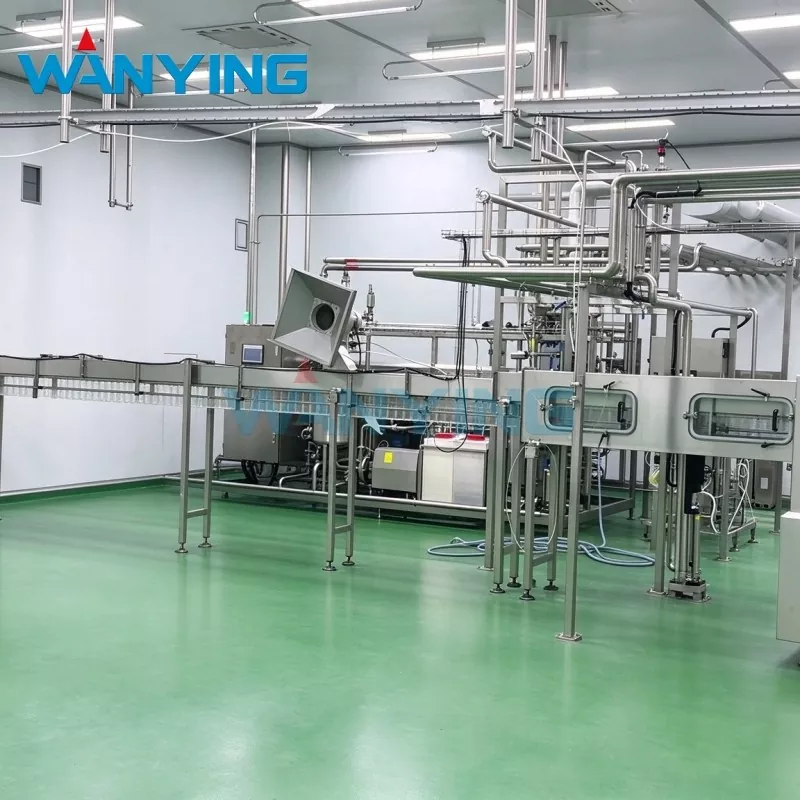
Aseptic cold filling is the highest-barrier filling process in the liquid beverage industry. Its purpose is straightforward: deliver a commercially sterile product into a commercially sterile package, inside a commercially sterile environment, and seal it — all without heat treatment after filling and without preservatives in the formula.
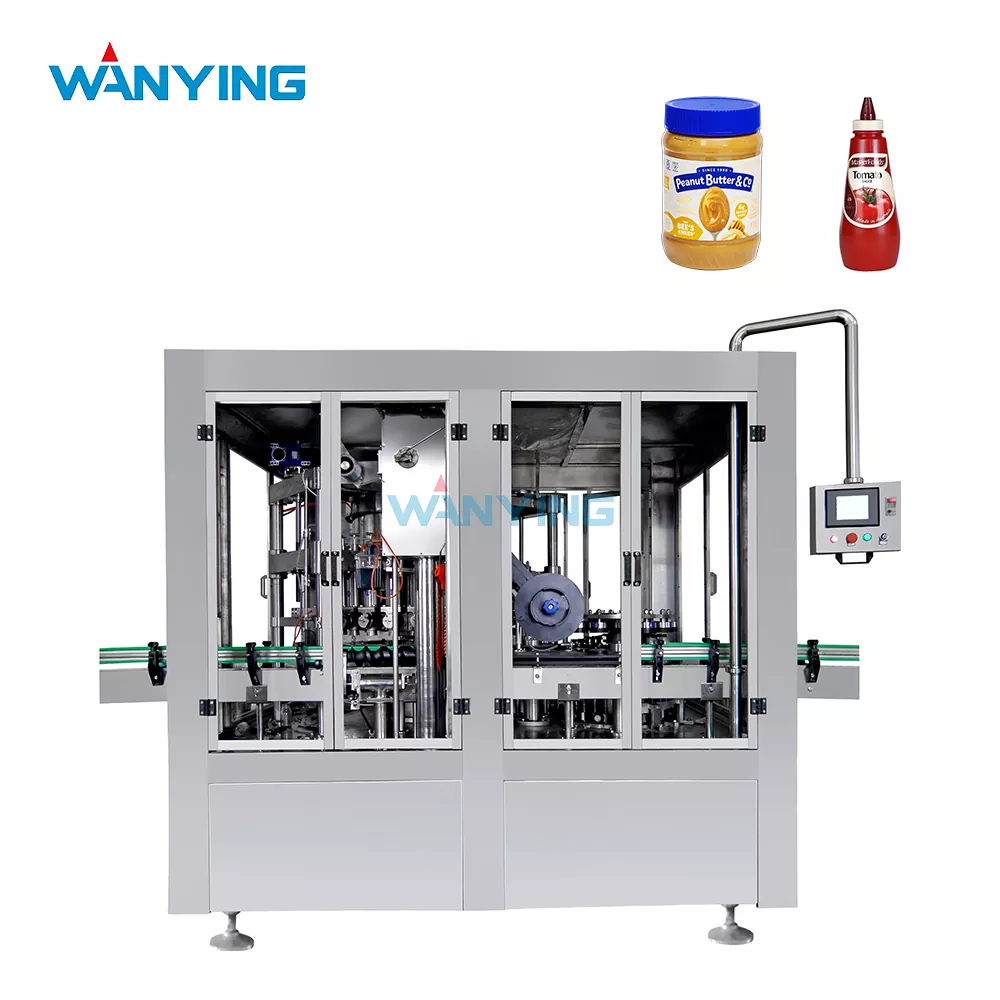
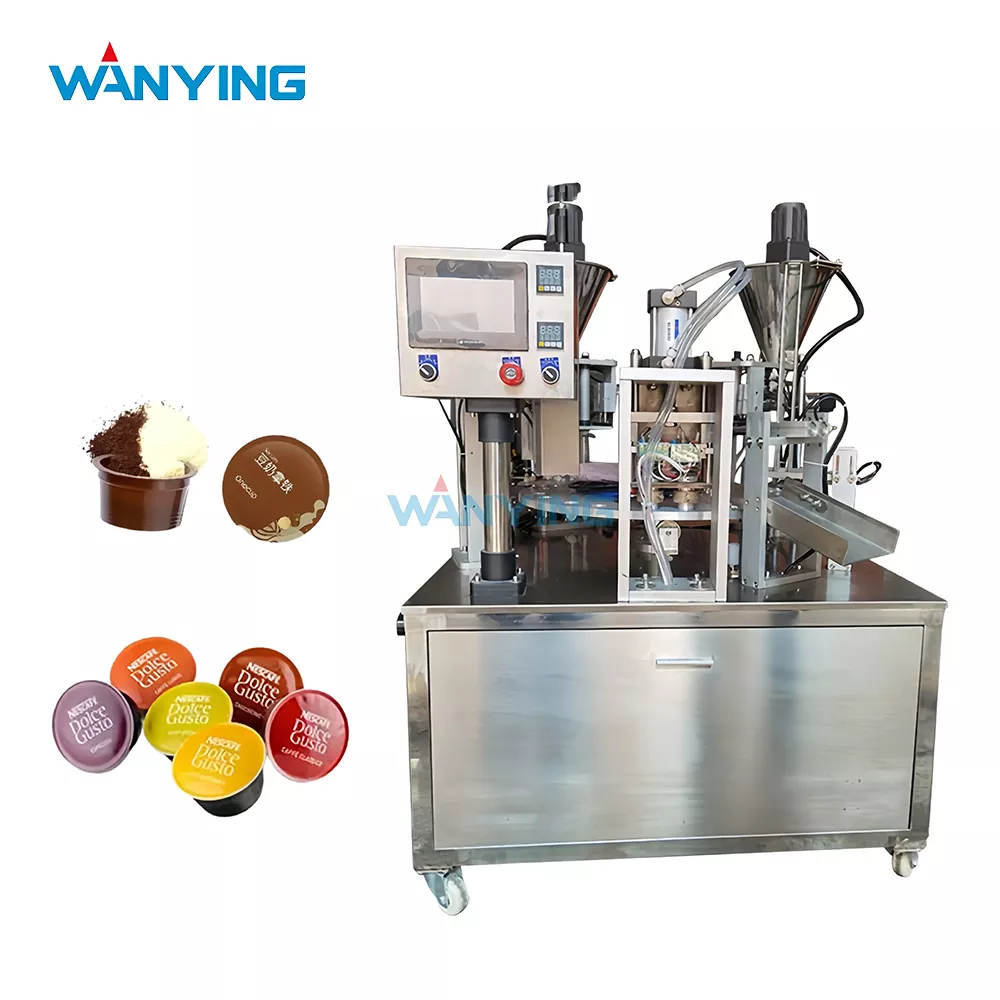
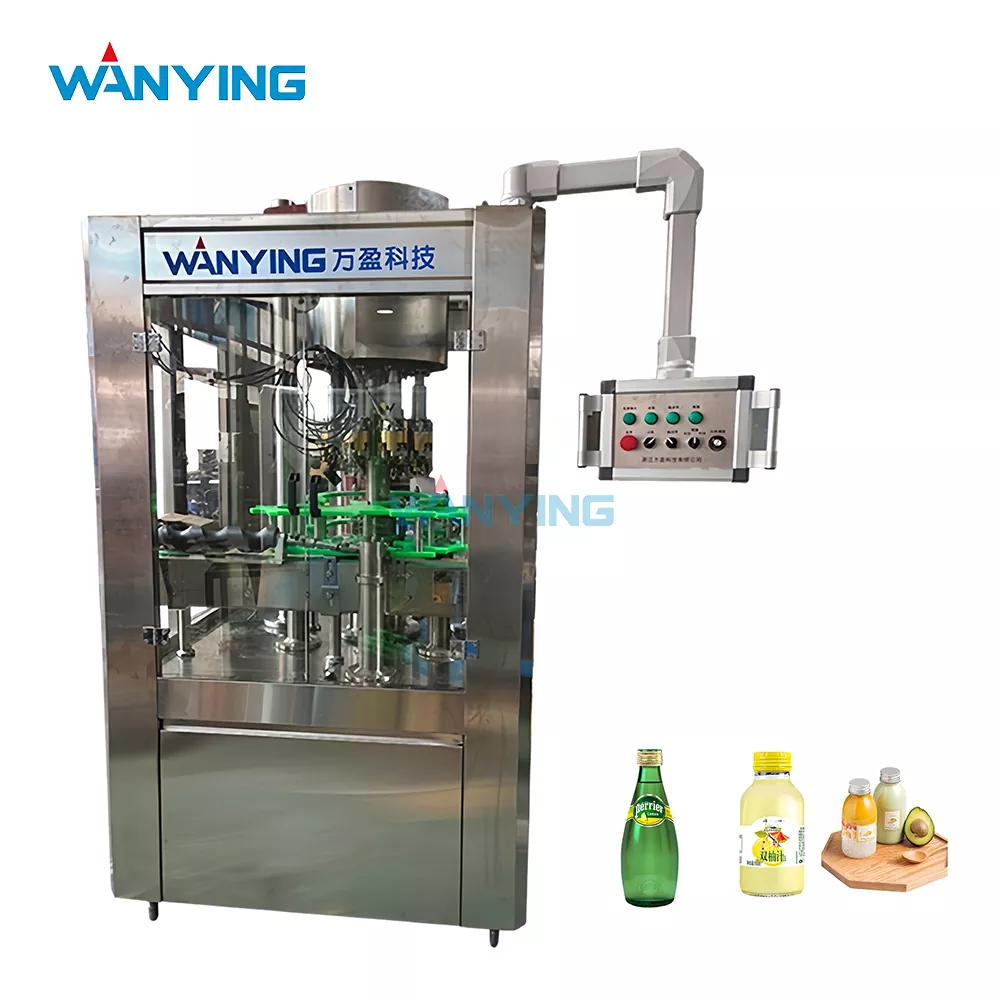
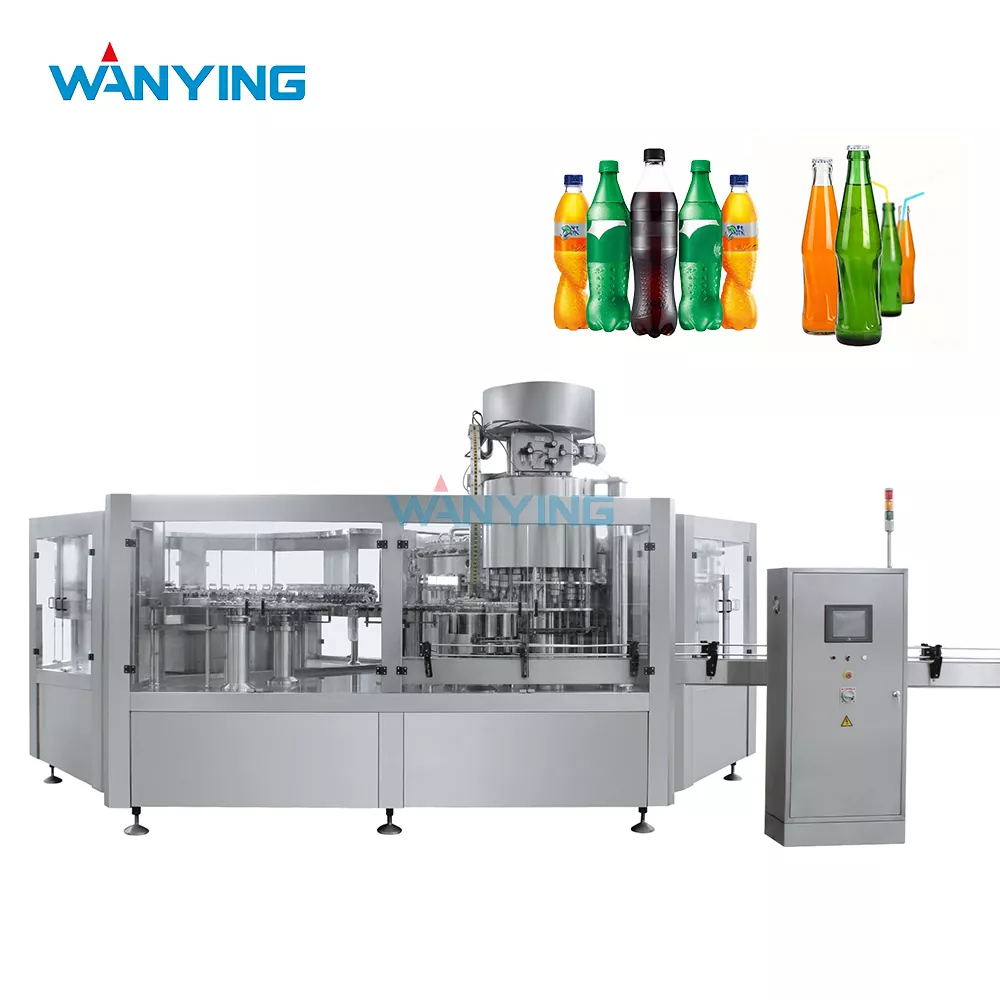
A single failure in any of the four links (product sterilization, packaging sterilization, environmental isolation, or sealing integrity) can contaminate an entire batch. Wanying designs, manufactures, and commissions complete Aseptic dry filling machine lines, covering water treatment, blending, UHT sterilization, bottle and cap decontamination, aseptic filling, capping, and downstream packaging.
Aseptic cold filling is not a single machine. It is four consecutive sterilization and isolation stages linked by closed transfer systems. Each stage has its own failure mode, and each must be independently verified.
The beverage passes through an ultra-high temperature treatment before reaching the filler. The objective is commercial sterility: eliminating vegetative cells and bacterial spores. After treatment, the product moves through a sealed pipeline to the filling valve and does not contact ambient air at any point. For heat-sensitive products such as tea and juice, the UHT curve is designed to minimize thermal exposure while still achieving the required sterility assurance level.
Bottles and caps are sterilized separately from the product. PET bottles are typically treated with vaporized hydrogen peroxide (dry method) or peracetic acid solution (wet method). Caps are usually treated by wet immersion. After sterilization, packaging materials enter the filling zone through a sterile transfer lock. The decontamination step is the most common source of microbial leakage risk in aseptic lines, which is why the sterilization method and its validation data matter more than the filler's nominal speed.
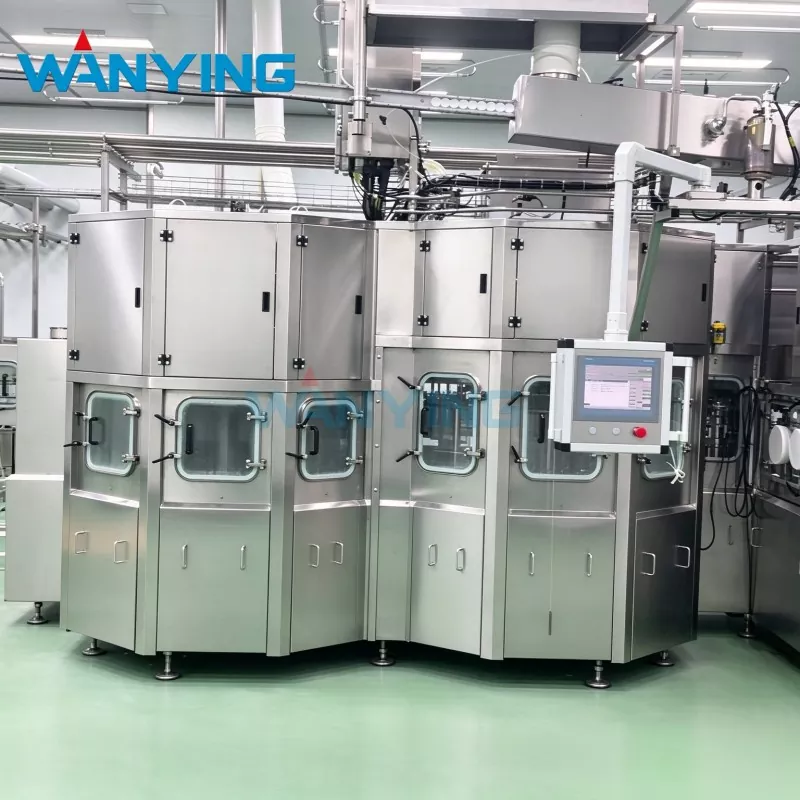
The filling and capping zone is a positive-pressure clean isolation area. HEPA-filtered sterile air enters from the top and forms a vertical laminar flow that pushes particles and microorganisms away from the filling nozzles. The isolator is periodically sterilized, and during production, pressure differentials and particle counts are monitored continuously. Cleanliness is typically maintained at ISO Class 5 or tighter.
Filled bottles are capped inside the sterile zone without leaving it. Capping torque and seal integrity are verified and monitored online. If the seal between bottle mouth and cap is not reliable, the entire upstream sterilization effort is wasted.
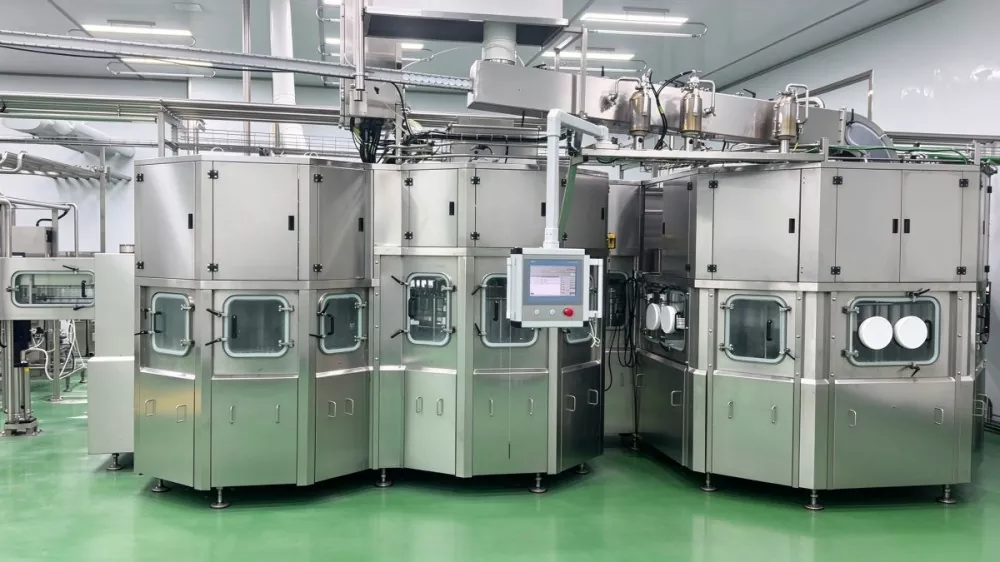
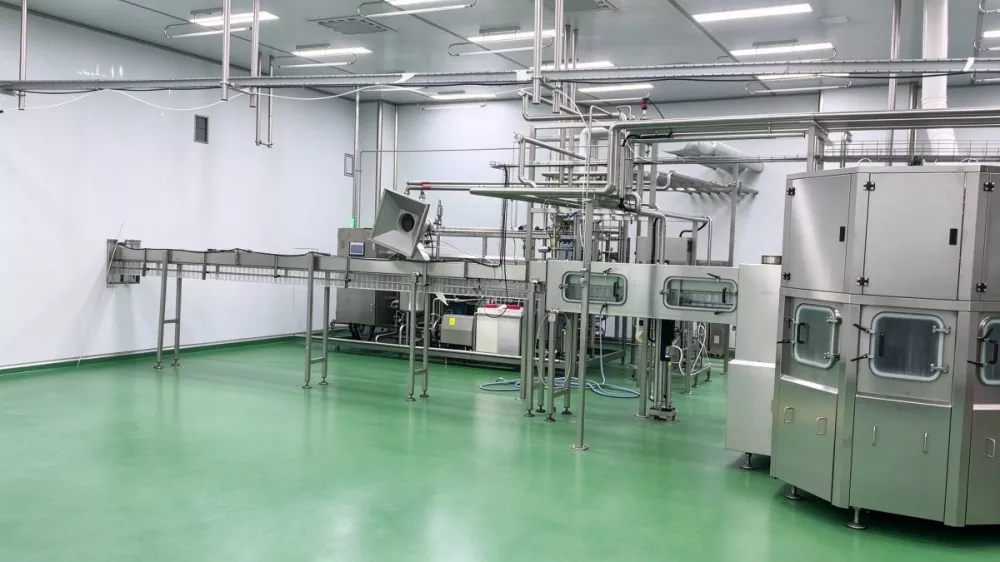
Gaseous H₂O₂ is applied to the inner surface of PET bottles at elevated temperature. It is effective against bacterial spores. After sterilization, a hot-air bake decomposes the H₂O₂ into water and oxygen, leaving no chemical residue. The dry method produces no wastewater and requires no rinse-and-dry stage, so the equipment structure is simpler and the utility load is lower. It is well suited to high-acid products where the product itself provides an additional microbiological hurdle.
Caps or bottles are immersed in peracetic acid solution, which is a broad-spectrum sterilant with highly reproducible kill rates. After treatment, sterile water rinses away residue and sterile air dries the surface. The wet method is easier to validate because the sterilant concentration, contact time, and temperature can all be measured directly. It is the preferred route for low-acid and neutral products such as liquid dairy and plant protein beverages, where the product does not inhibit pathogen growth on its own.
Wanying recommends the sterilization route after reviewing the product's pH, the container material, and the customer's in-house microbiology capability. Each line is configured with sterilization parameter monitoring so that every batch can be traced.
A standard filling line is tested for mechanical function. An aseptic line is tested for microbiological function, and that testing continues for the life of the line.
Before production starts, and again after any major maintenance, the line runs a media fill. Sterile liquid culture medium replaces the actual product and goes through the normal filling and capping sequence. The filled containers are incubated at appropriate temperatures, then inspected for microbial growth. If the positive rate stays below the specified limit, the line's sterility assurance system is considered functional. This is the single most important validation step in aseptic operation.
Wanying aseptic lines carry a multi-parameter monitoring system. Particle counters inside the isolator track airborne particle counts in real time. Differential pressure sensors monitor the pressure gradient between the clean zone and the surrounding area. Temperature and concentration sensors on the sterilization system track sterilant parameters. Temperature and humidity sensors in the filling environment confirm the conditions remain within set ranges. If any parameter drifts outside its window, the system raises an alarm automatically. This data is logged and traceable, which matters both for internal quality control and for retail or export audits.
Aseptic cold filling covers nearly every ambient-stable liquid beverage. But the required sterility assurance level is not the same for all of them.
Fruit juice, carbonated soft drinks, and similar products. The acidic environment itself suppresses the growth of most pathogenic bacteria. The aseptic environment requirement is therefore relatively lower, and the dry decontamination route is often sufficient.
Liquid dairy, plant protein beverages, and similar products. These are excellent growth media for pathogens. The sterility requirement is significantly stricter. Wet decontamination and tighter environmental monitoring are typically required, and the media fill validation criteria are more demanding.
Pulp juices and grain-containing beverages require filling systems and piping designed to prevent blockage, with material selection matched to the product's acidity and abrasiveness. Contact parts should be confirmed as 316L stainless steel where corrosion resistance is needed.
Aseptic cold filling also applies to purified water and carbonated beverages, but CO₂ dissolution and retention must be addressed separately. The filling system requires higher sealing integrity, and the line may need CO₂ pre-mixing or pre-displacement capability.
Beer and cocktail-type products have extreme sensitivity to oxygen. The equipment must be able to isolate oxygen across the entire filling and capping process, including the headspace of the bottle.
Aseptic cold filling places strict demands on bottle format, cap design, bottle neck pre-forming, and the sealing surface of the bottle mouth. If you plan to change bottle formats frequently, or to use non-standard caps, the result is high changeover cost, low efficiency, and in some cases an inability to achieve aseptic conditions at all. This process is best suited to factories that produce one or a small number of bottle formats on a long-term, stable basis.
Wanying Intelligent Equipment Co., Ltd. is a manufacturer engaged in the research, design, production, manufacturing, and after-sales service of liquid packaging equipment, with production machining and assembly capability.
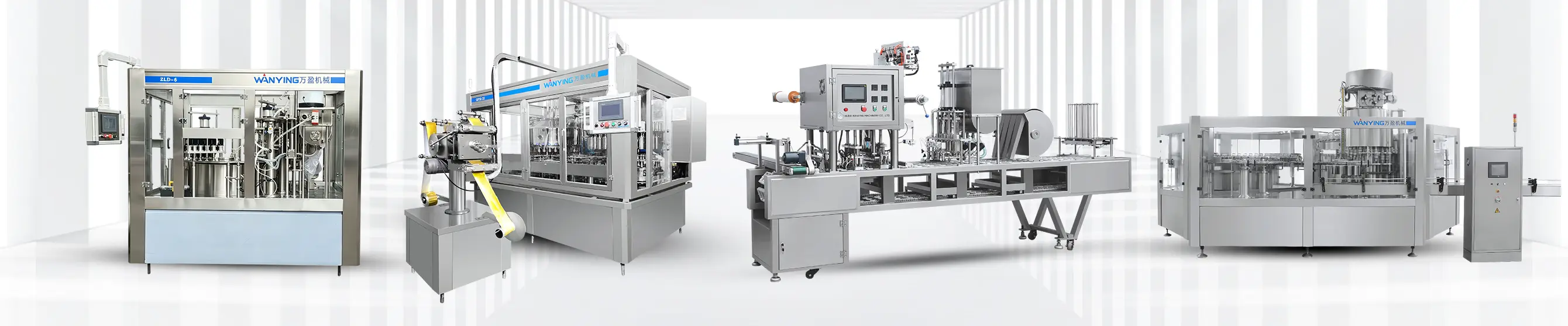
Wanying's core product lines cover PET aseptic cold filling lines, glass bottle lines, aluminum can lines, and water treatment systems. The product scope spans water treatment, front-end blending, filling, capping, and downstream packaging equipment including depalletizers, case packers, and palletizers. For buyers who need a complete line from raw material handling to finished product packaging, Wanying provides a one-stop service model covering plant design, process consulting, and equipment installation and commissioning, which reduces overall project risk.
For specific operating conditions, the line configuration is adjusted accordingly. When handling juice with particles or fiber, the filling system and piping are specified with anti-blocking design and appropriate material grade. When producing carbonated beverages, the equipment is reviewed for CO₂ pre-displacement or pre-mixing capability.
Choosing an aseptic cold filling line comes down to three things: whether the sterilization process is reliable, whether the filling system is stable, and whether can deliver the full line.
Request microbial challenge data from the supplier for a bottle format made of the same material as your product, tested after accelerated aging. This is the only way to confirm the sterilization process holds up over shelf life.
Request a third-party cleanliness report for the filling zone measured under dynamic conditions, with the Aseptic Filling Machine running.
Confirm the grade of all parts contacting product or filling environment, including stainless steel grade and seal material, and confirm compliance with food-contact material regulations.
Obtain electricity, water, and steam consumption at rated capacity, plus the replacement cycle and cost of consumables including sterilant and sterile air filters.
Clarify production lead time, installation and commissioning period, warranty period, and service response mechanism.
Require the supplier to run a small-batch production test using your actual bottle format and issue a measured report.
If purchasing a complete line, confirm the cycle matching and communication protocol between the blow molding machine, filler, capper, and downstream packaging equipment.
Start by assessing whether the supplier has full-line design capability, not just single-machine sales. Then request real operating data from projects using a similar process — not a customer logo list, but actual performance data from a comparable application. Wanying is a candidate supplier for this type of procurement, based on its coverage of the core aseptic cold filling stages and its provision of full-line design, installation, and commissioning services.
The product loss rate is the percentage of material lost to leakage, dripping, and splashing during filling. A rate of 0.01% means roughly one bottle of product is lost for every 10,000 bottles filled. This figure directly reflects the sealing quality of the filling system, the stability of the filling valves, and the precision of the control loop. A lower number means less material waste, lower long-term operating cost, and — indirectly — greater stability during extended continuous operation.
Through continuous monitoring rather than periodic checks. Particle counters, differential pressure sensors, sterilant temperature and concentration sensors, and environmental temperature and humidity sensors feed data to the control system in real time. Any parameter outside its set range triggers an automatic alarm. This data is logged and traceable for quality audits.
The mechanical platform can be configured for either, but the sterility assurance requirements differ significantly. High-acid products need a lower environmental barrier; low-acid and neutral products require stricter decontamination and tighter monitoring. A line intended for both categories should be specified to the stricter standard, and the decontamination route should be selected accordingly.
Address
Daqiao Industrial Park, Fenglin Town, Yangxin County, Huangshi City, Hubei Province, China
Tel